




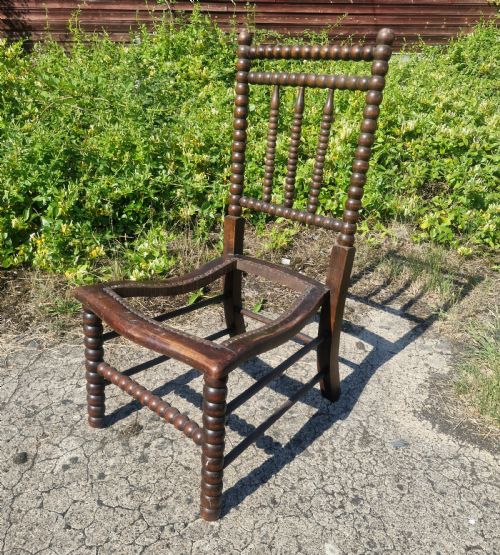
Turned Wood Spool
Turned wood spool pieces are functional seating and tables defined by repeated rounded turnings, offering striking visual rhythm for traditional and rustic interiors.
Turned Wood Spool
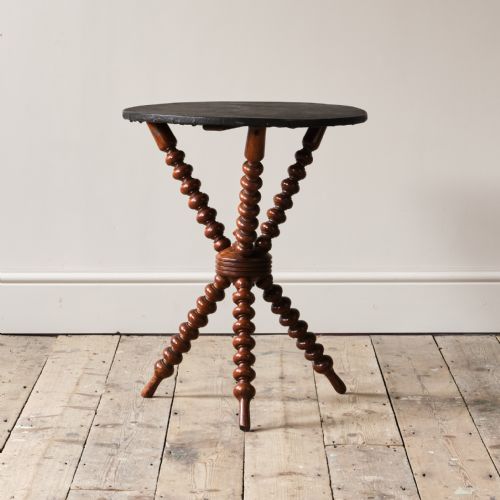
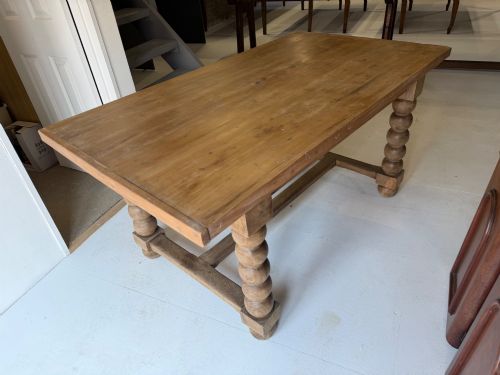
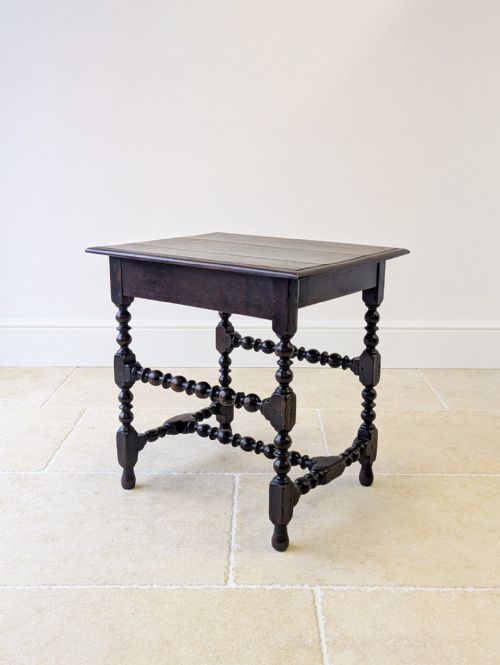
When you search for turned wood spool, you encounter seating and small tables shaped by distinct repetitive lathe work. The listings here present pieces primarily from the nineteenth century, alongside earlier seventeenth-century examples.
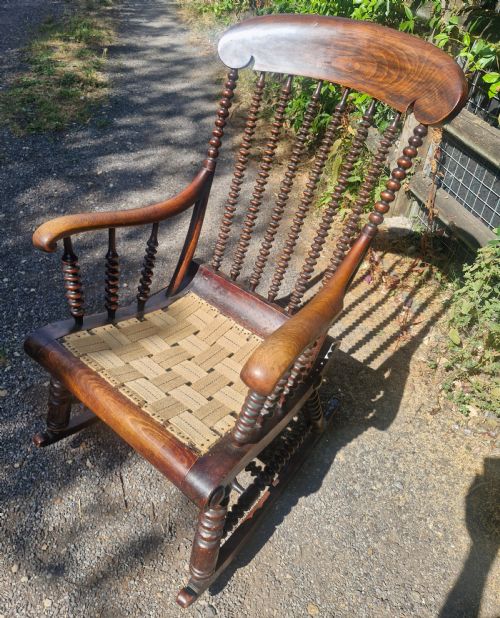
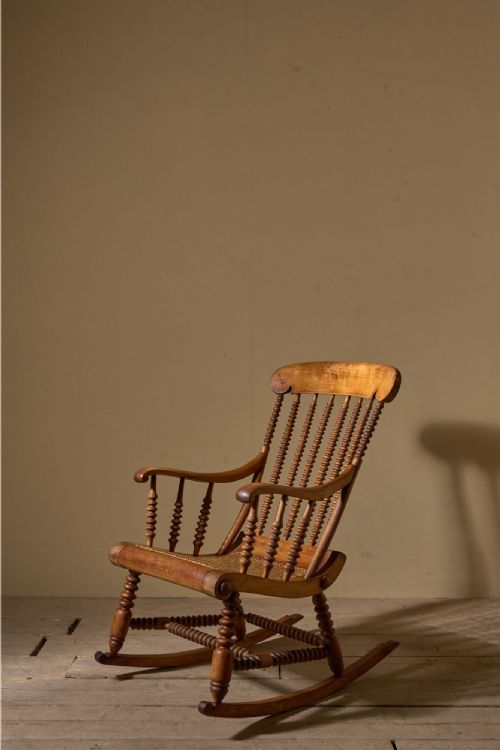
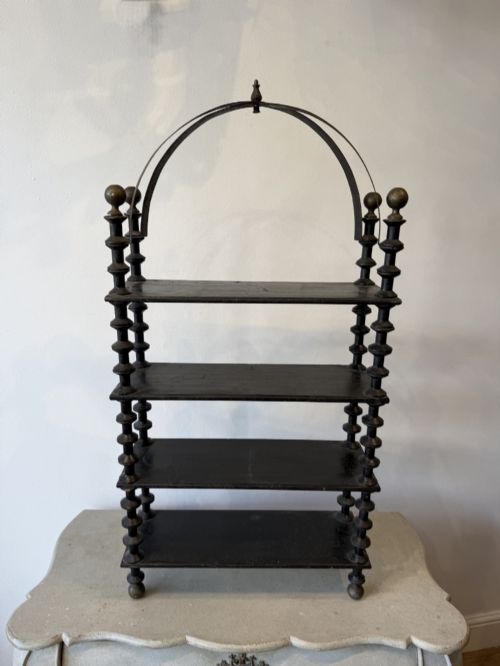
Armchairs, side tables, rocking chairs, and small wall shelves dominate the selection. These items range from Victorian country pieces to Swedish country folk art and Scottish vernacular designs.
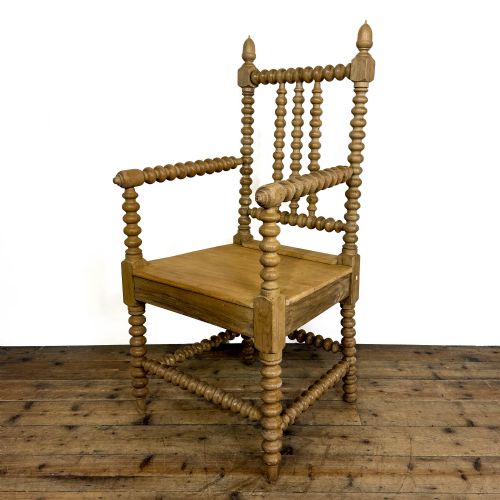
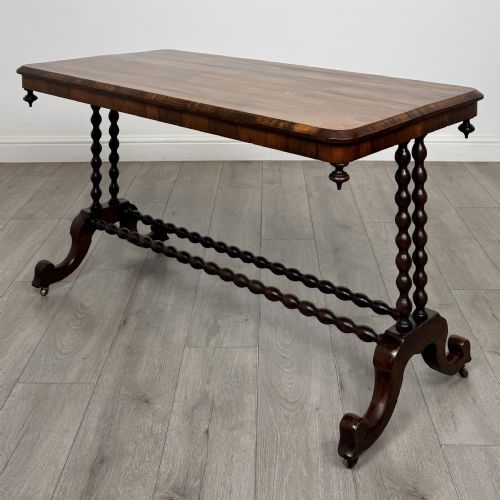
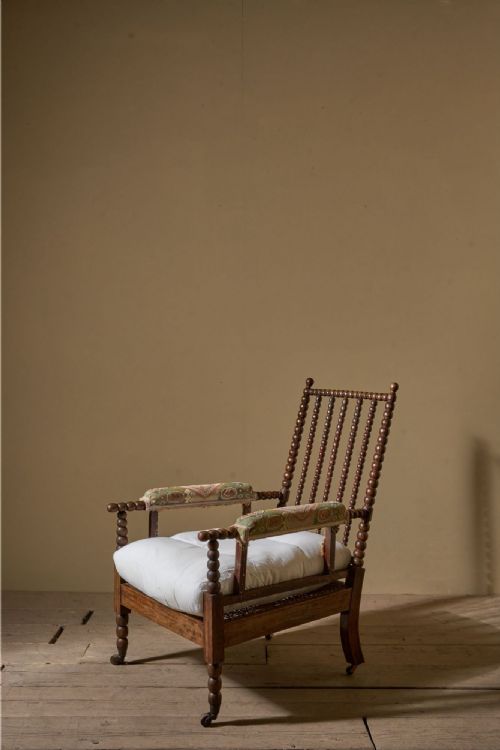
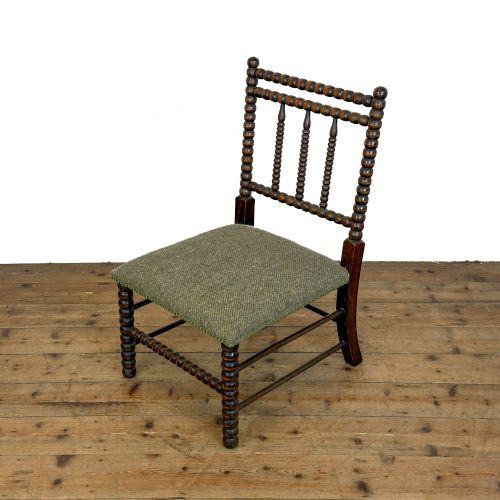
The most common form is the nineteenth-century bobbin-turned chair or side table, often constructed in oak, mahogany, or walnut. Makers utilised this decorative turning on frames, legs, and stretchers to create texture.
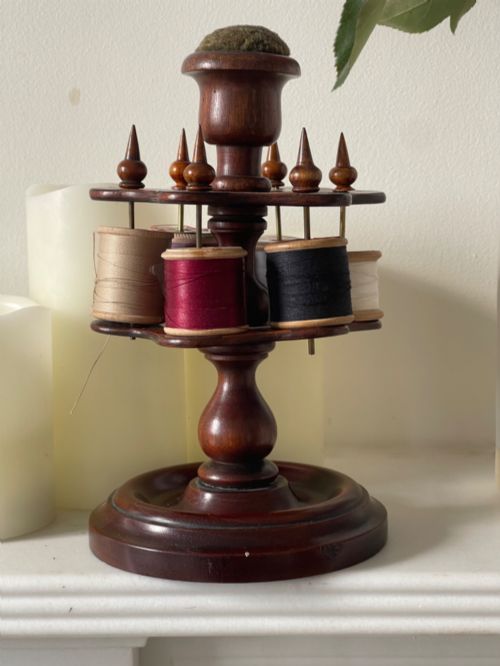
Alongside furniture, smaller domestic items such as cotton reel stands and candlesticks appear in the inventory. Each object relies on spool or bobbin turnings as its primary decorative vocabulary.
Materials and turning techniques
Craftsmen shaped these pieces using a lathe to produce uniform rounded spool motifs along solid timbers. Oak, mahogany, walnut, beech, and yew form the structural core of these items.
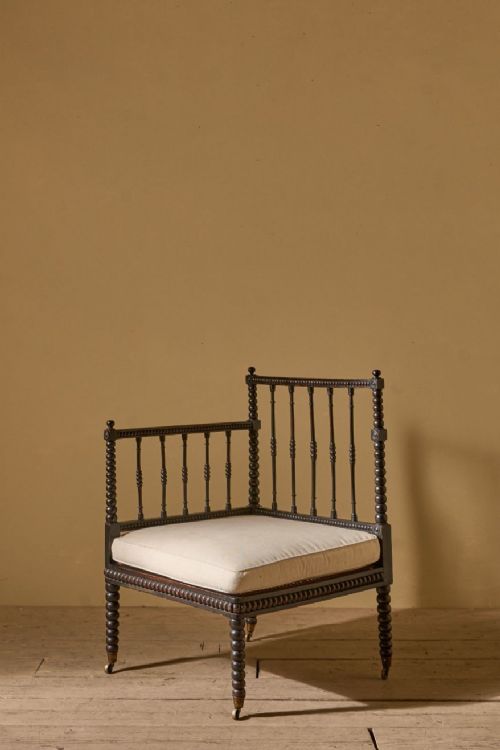
Surface treatments vary from natural polished hardwoods to ebonised finishes and simulated rosewood effects. Some nineteenth-century pieces incorporate brass castors, velvet, leather, or fabric elements to complement the turned wooden frames.
Turned Wood Spool Retail Price Guide 2026
Typical asking prices for turned wood spool among the pieces listed under this phrase on Sellingantiques today, from the lower quarter to the upper quarter. They describe what is for sale here now, not the wider market.
Listings feature timbers including oak, mahogany, walnut, beech, and yew alongside brass and fabric details across nineteenth-century and seventeenth-century periods.
Distinctions in construction and finish
Quality rests upon the precision of the lathe work and the integrity of the timber joints. Crisp, well-defined spool turnings demonstrate superior craftsmanship compared to softer, worn profiles.
The choice of dense hardwoods like oak, mahogany, or walnut indicates a higher grade of manufacture than basic utility woods. Original surface finishes, whether polished wood or ebonising, hold greater integrity than later repainting.
The Turned Wood Spool Glossary
- Bobbin turning
- A form of woodturning characterised by a series of rounded, spool-like shapes resembling bobbins of thread placed end to end. This style gained popularity during the seventeenth century and saw a major revival in the nineteenth century.
- Ebonised
- Wood treated with a chemical stain or black finish to imitate expensive ebony. This technique was common on nineteenth-century Victorian seating and tables.
- Vernacular
- Everyday furniture made by local craftsmen using regional materials and traditional methods, rather than following formal metropolitan design styles. Scottish and Swedish vernacular pieces often display distinctive local interpretations of spool turning.
- Stretchers
- Horizontal wooden rods connecting the legs of a chair or table to provide structural stability. On these pieces, stretchers frequently carry the characteristic spool turning.
- Castors
- Small wheel attachments fitted to the feet of tables or chairs to ease movement. They appear on select nineteenth-century Victorian side tables in this collection.
Turned Wood Spool: Frequently Asked Questions
What is turned wood spool furniture?
Turned wood spool furniture refers to items featuring decorative lathe-cut elements shaped like textile bobbins or spools. These turned shapes form the legs, frames, and stretchers of chairs and tables.
The style bridges seventeenth-century Jacobean roots and nineteenth-century Victorian revivals. It provides texture and pattern through exposed wooden turnings rather than carved ornamentation.
How do I date a spool turned chair?
Dating relies on timber selection, construction joints, and overall furniture form. Seventeenth-century examples typically use heavy oak with hand-pegged joints, while nineteenth-century pieces often utilise walnut, mahogany, or ebonised beech.
Form also offers clear clues regarding age. Low bedroom chairs, gypsy tables, and rocking chairs point strongly toward nineteenth-century Victorian production.
Are these pieces sturdy for daily use?
Most pieces are structurally sound for everyday seating or display when properly maintained. Solid hardwood frames offer durable support for regular placement in a room.
Lighter occasional tables and decorative stands function best for holding lamps, books, or small objects. Checking the rigidity of the leg joints ensures long-term stability.
Where should I place a spool table?
A spool side table or lamp table fits well beside an armchair or sofa. Its compact footprint makes it suitable for smaller corners or hallway spaces.
The tactile wooden turnings complement traditional country house interiors, rustic spaces, and eclectic modern rooms alike.