

Turned Wood Shelf
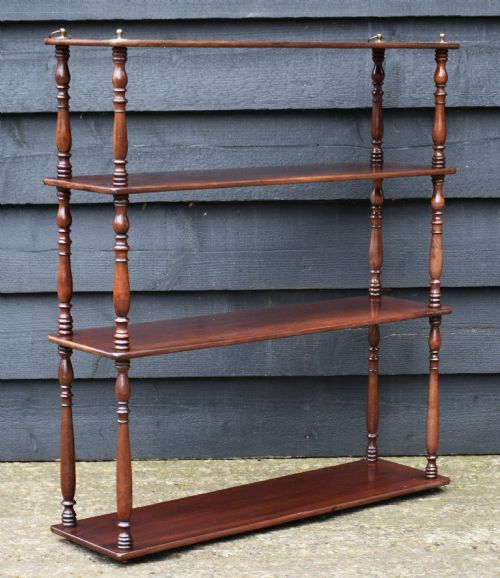
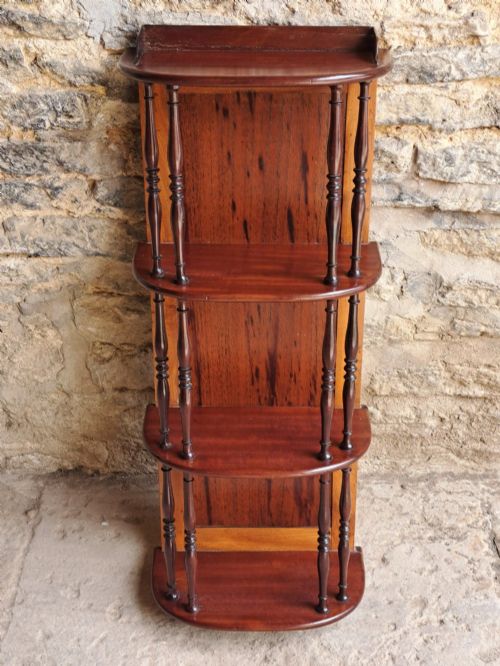
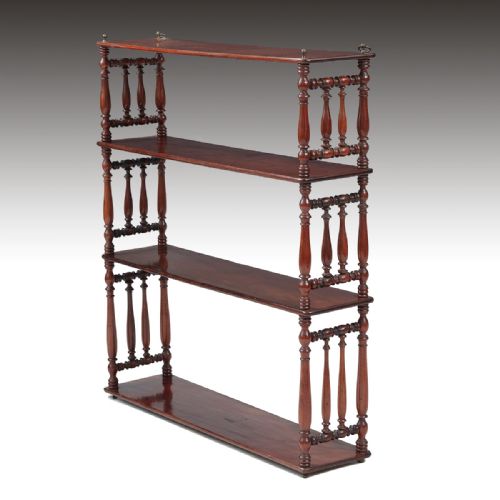
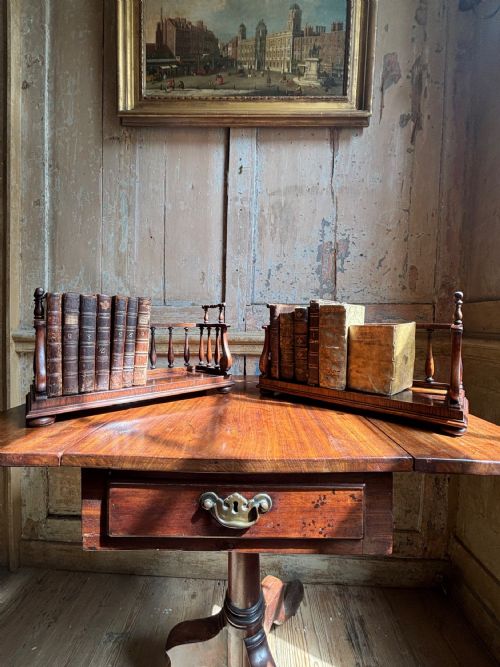
A turned wood shelf offers practical open storage built with shaped supports, bringing tactile grain and historical character directly onto the wall.
Turned Wood Shelf
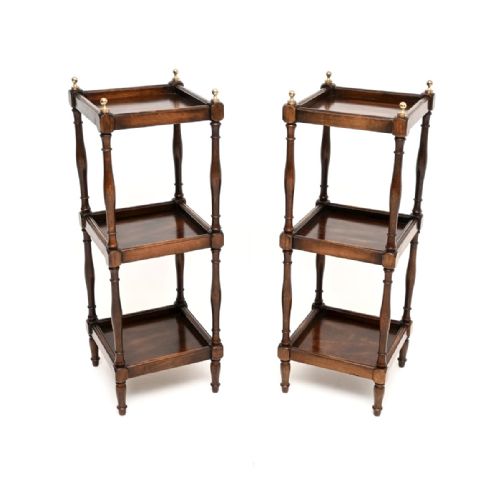
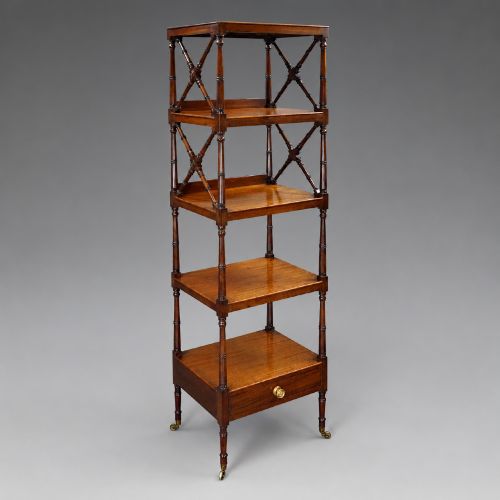
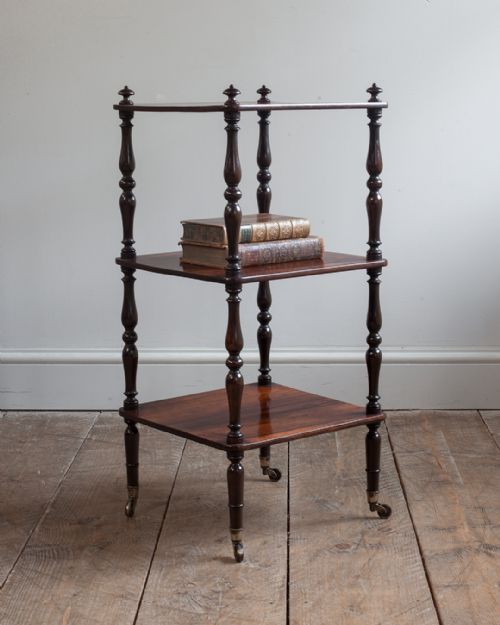
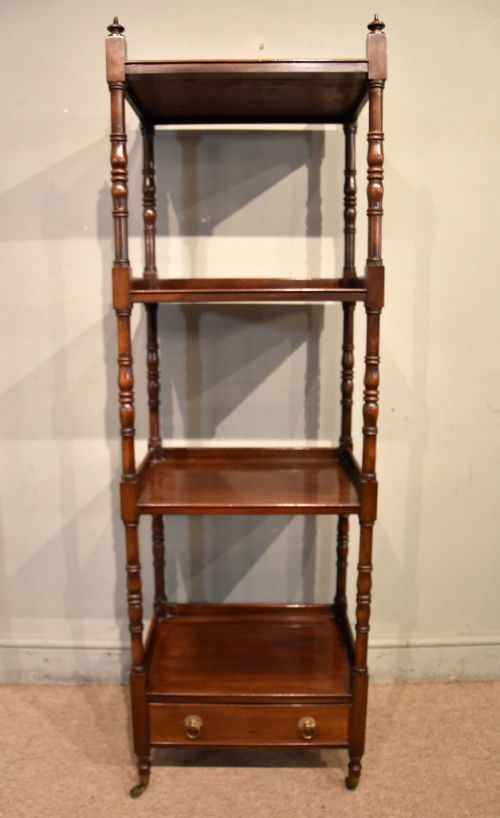
A turned wood shelf brings functional vertical storage into a room through wall-mounted tiers or standing multi-level frameworks. When searching for a turned wood shelf, buyers encounter various formats including hanging wall shelves, multi-tiered whatnots, and corner units.
The selections span distinct historical eras ranging from the Georgian period through the Victorian era up to the early twentieth century. Mahogany, oak, and walnut dominate the offerings, often shaped into hanging shelves or tiered display stands.
How they were made
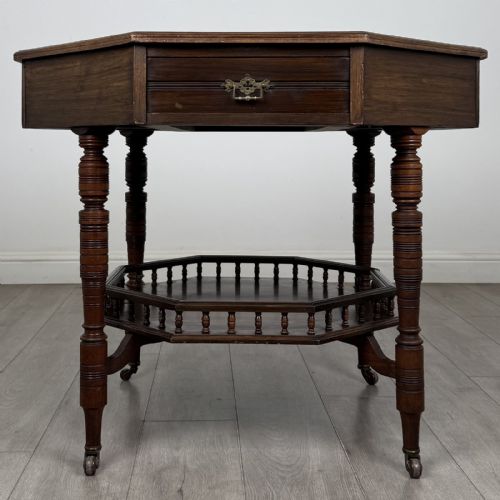
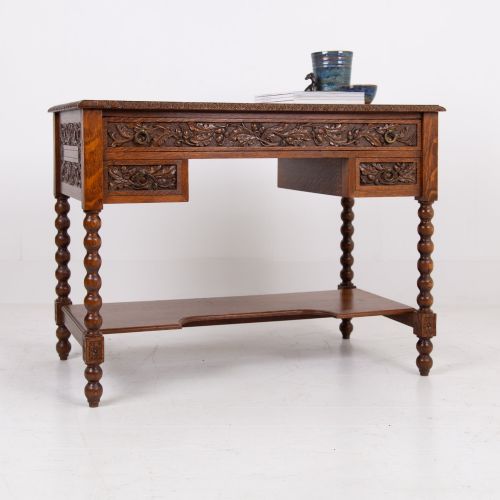
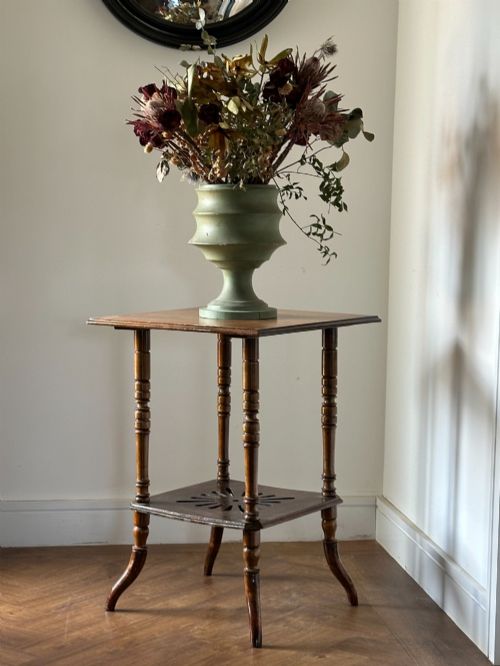
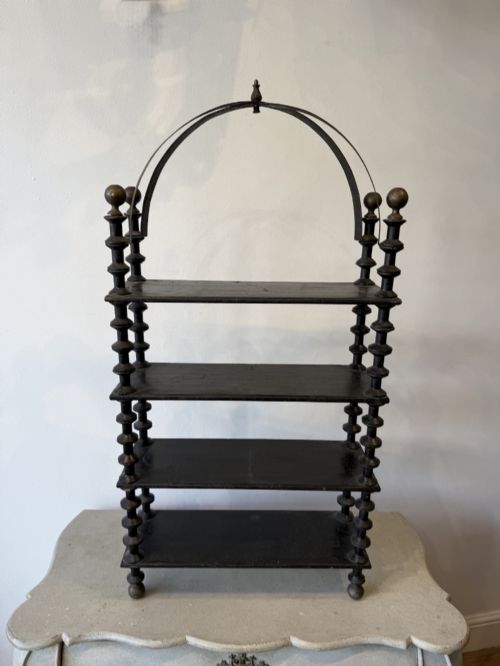
Cabinetmakers utilised dense hardwoods such as mahogany, rosewood, oak, and walnut to construct these display units. Timber was frequently turned on a lathe to create decorative spindle supports, bobbin turnings, and columnar uprights.
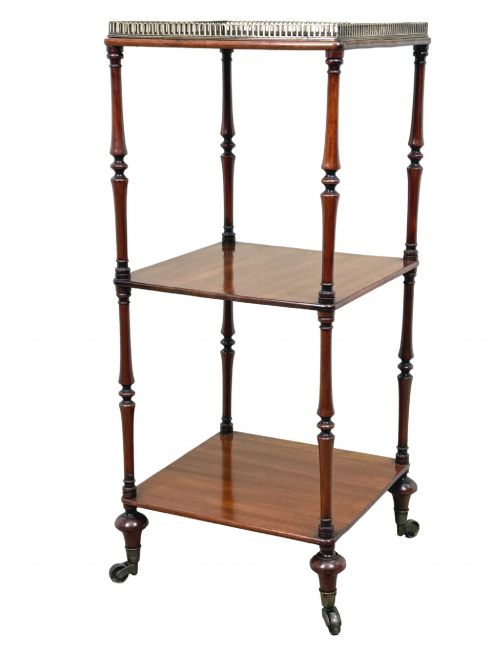
Joinery techniques combined sturdy wall fixings with tiered platforms, occasionally incorporating brass details or delicate gallery rails. Surfaces were finished to highlight natural grain patterns in woods like satin birch, cherry wood, and ebonised timber.
What varies in quality
The standard of a turned wood shelf depends heavily on the selection of timber and the precision of the lathe work. Dense, richly figured mahogany or rosewood combined with crisp, sharply defined turnings separates finer examples from simpler utilitarian pieces.
Proportion and structural balance dictate overall excellence in multi-tiered designs and hanging shelves. Pieces featuring integrated brass elements or thoughtful architectural mouldings demonstrate superior craftsmanship from their respective periods.
Gillows·E.W Godwin·H.A.C
The Turned Wood Shelf Glossary
- Whatnot
- An open multi-tiered piece of furniture designed for displaying ornaments or books. These freestanding or hanging stands gained popularity during the Georgian and Victorian periods.
- Bobbin turning
- A type of lathe-formed woodworking featuring a series of rounded, spool-like shapes. This decorative spindle style appears frequently on nineteenth-century wall shelves.
- Étagère
- A French term for a piece of furniture consisting of a set of open shelves for displaying small objects. They often feature delicate upright supports and tiered platforms.
- Galleried shelf
- A small raised wooden railing or rim surrounding the edge of a shelf to prevent items from sliding off. This detail frequently appears on tables and wall hanging units.
Turned Wood Shelf: Frequently Asked Questions
How were turned wood shelves used historically?
These units served primarily for displaying ceramics, books, and decorative ornaments in principal rooms. Hanging versions saved floor space while keeping valued possessions visible.
Freestanding variants like whatnots functioned as flexible display surfaces near seating areas or alongside tables.
How do I secure a heavy wooden shelf?
Wall-mounted pieces require sturdy fixings anchored directly into wall studs or masonry. Proper weight distribution across the back brackets ensures safe support for timber tiers.
Consulting a professional carpenter guarantees secure installation for denser hardwoods like mahogany and oak.
How do I care for antique wood furniture?
Maintain the finish by dusting regularly with a soft, dry cloth and avoiding synthetic polishes. Keep wooden items away from direct sunlight and severe temperature fluctuations to prevent timber splitting.
Occasional application of appropriate wax preserves the natural lustre of walnut, mahogany, and rosewood.