



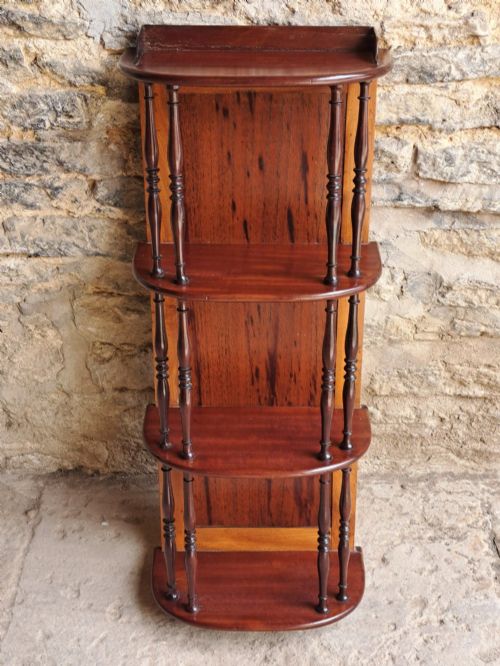

Turned Wood Display
Turned wood display pieces bring the warmth of carved timber and glass to a room, offering practical tiers and shelves for treasured objects.
Turned Wood Display
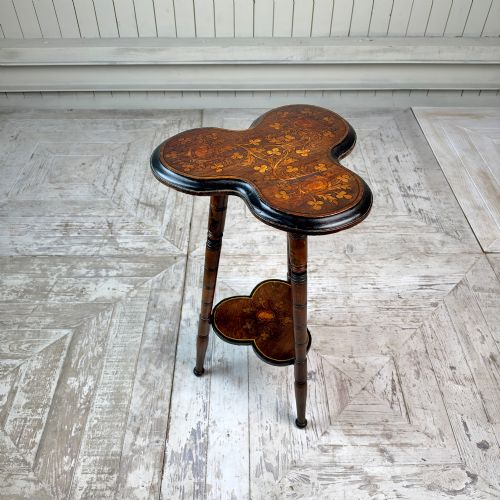
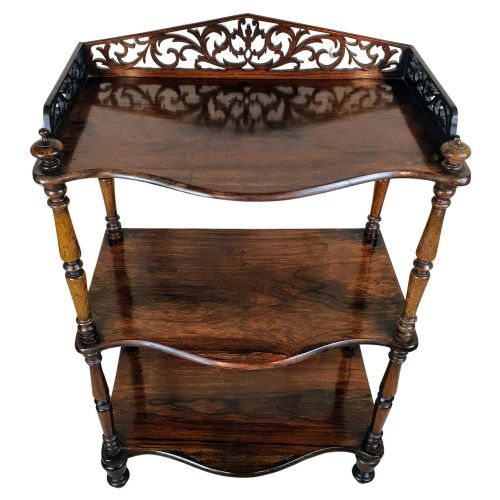
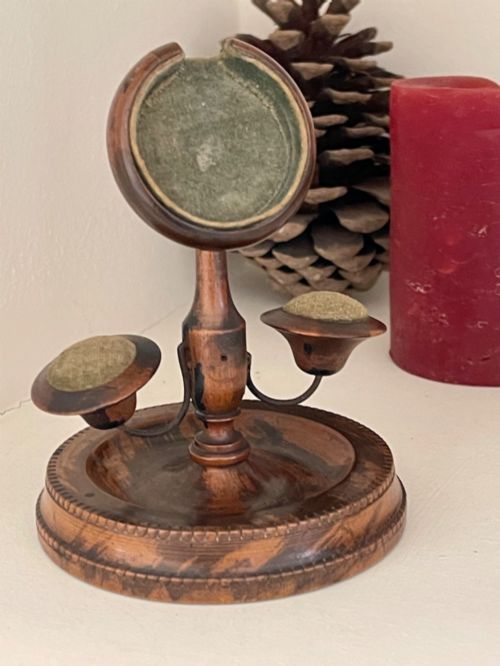
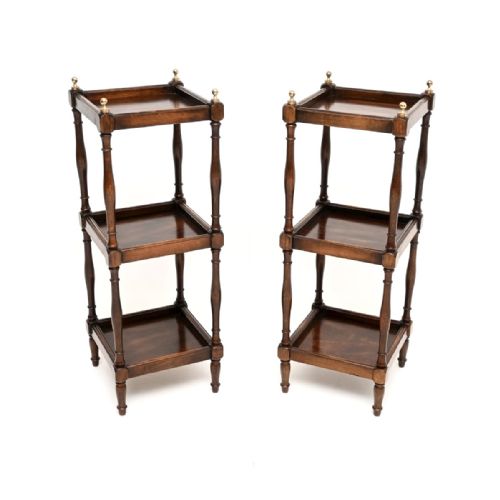
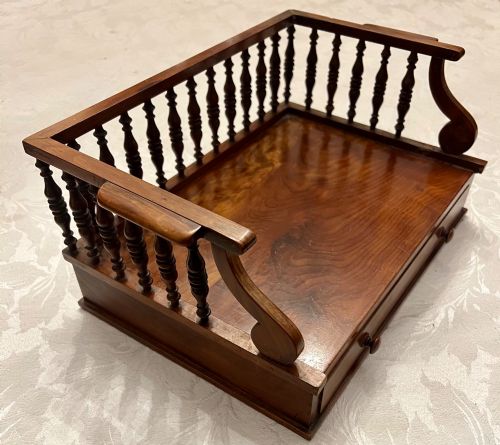
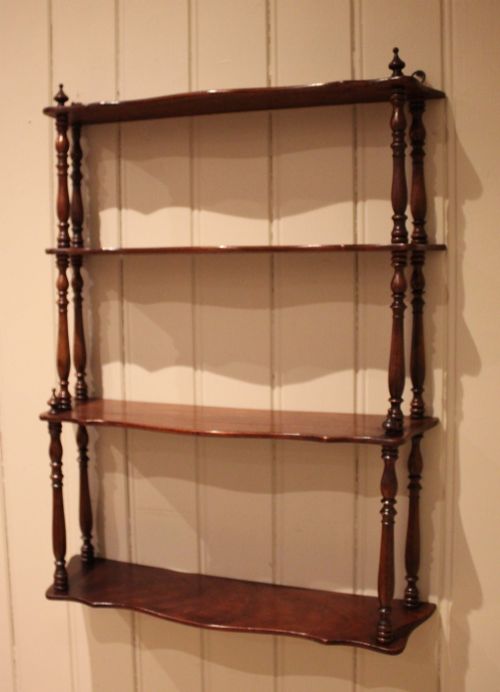
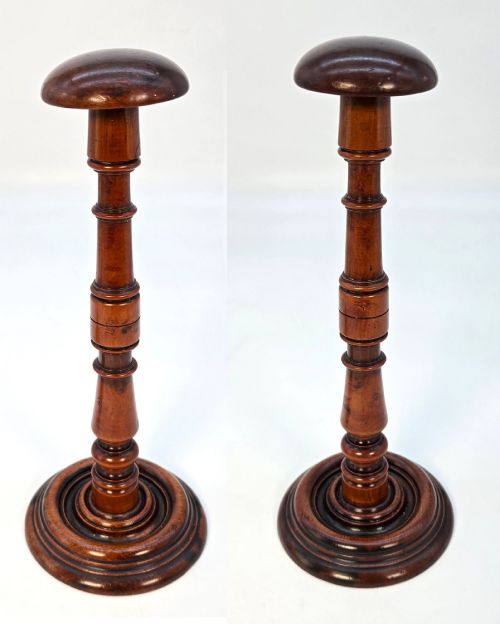
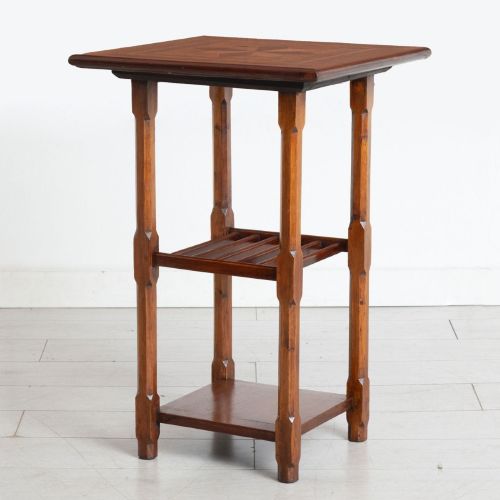
A turned wood display brings together multi-tiered storage and showcase furniture designed to exhibit small items, books, and curiosities. You encounter forms ranging from wall-hanging shelves and corner units to floor-standing whatnots, etageres, and small display domes.
The pieces span several historical periods, appearing in Georgian, Regency, William IV, Victorian, and Edwardian styles. Mahogany, rosewood, and walnut form the core of the standing and wall pieces, often complemented by glass in cabinets and domes.
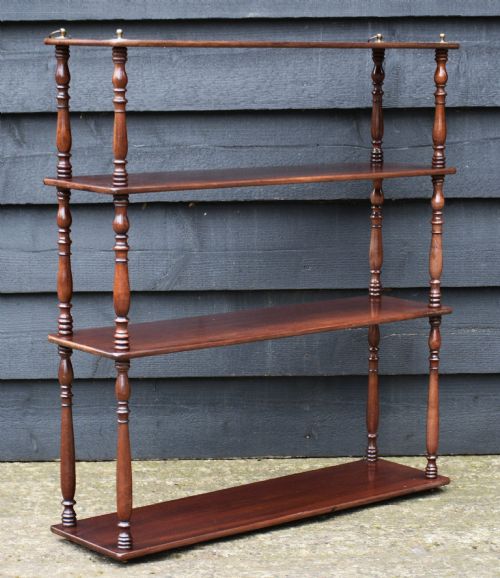
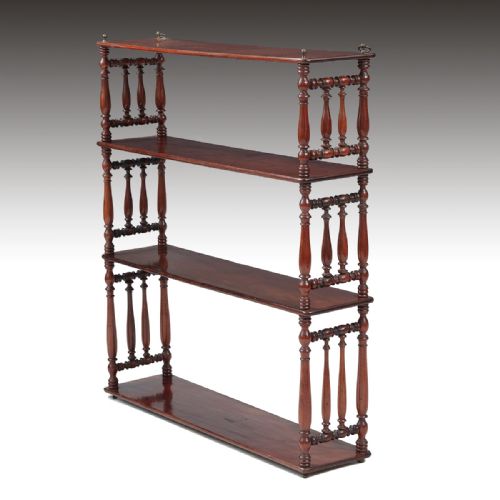
Wall shelves and multi-tier whatnots dominate the selection, offering slender spindle-turned supports and graduated platforms. These items originate from English and French workshops, utilising native and imported timbers shaped by the lathe.
Construction and Materials
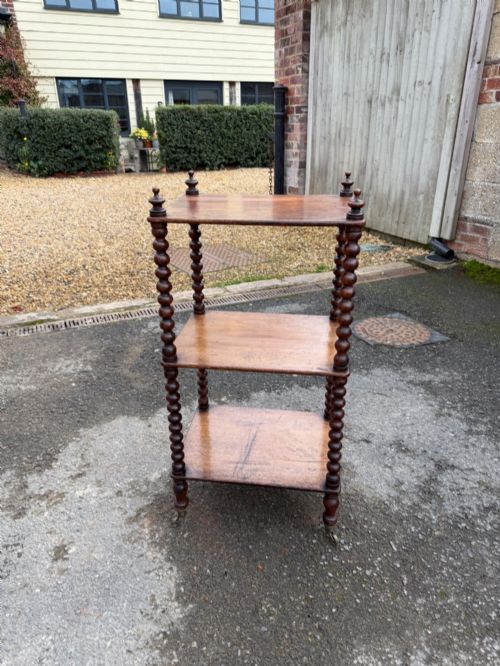
Cabinet makers utilised dense hardwoods such as mahogany, rosewood, walnut, and oak to build the structural frames and shelves. Lathe-turned wooden columns, bobbin spindles, and tripod pedestals provide the characteristic vertical support for multiple tiers.
Glass is integrated into specific display forms, such as Edwardian table domes with beech or oak bases and glazed china cabinets. Brass hardware occasionally fastens joints or supports shelving elements within these structured timber frameworks.
Turned Wood Display Retail Price Guide 2026
Typical asking prices for turned wood display among the pieces listed under this phrase on Sellingantiques today, from the lower quarter to the upper quarter. They describe what is for sale here now, not the wider market.
Some Victorian circular stands were built specifically to showcase a single large cheese or cake at the dining table.
Assessing Quality
The refinement of the timber turning and the crispness of the spindle details distinguish finer examples from simpler utilitarian pieces. Wood selection dictates visual depth, with well-figured mahogany, burr walnut, and rich rosewood elevating the presence of a whatnot or wall shelf.
Structural integrity relies on the precision of the joinery connecting the turned uprights to the graduated shelves. Proportions remain balanced across superior items, where every turned element supports the overall architectural silhouette without appearing heavy.
The Turned Wood Display Glossary
- Whatnot
- An open piece of furniture with multiple shelves for displaying ornaments, books, or small objects. These typically stand on slender turned legs or uprights.
- Etagere
- A set of open shelves for displaying small articles, sharing a similar function to a whatnot. The form often incorporates delicate turned supports.
- Bobbin
- A style of turning that resembles a string of wooden beads or spools. This decorative profiling frequently defines the uprights of Victorian and French wall shelves.
- Display dome
- A glass cover mounted on a wooden base, historically used to protect taxidermy, clocks, or delicate specimens. The bases are commonly turned from beech, oak, or other dense timbers.
Turned Wood Display: Frequently Asked Questions
How do I use wall shelves?
Wall shelves mount directly to a room's perimeter to hold small collections without occupying floor space. They suit studies, parlours, or living areas for books and decorative plates.
Earlier examples often use graduated tiers with slender turned supports, echoing the design of larger standing whatnots.
What woods were used?
Cabinet makers relied primarily on mahogany, rosewood, walnut, and oak for these display items. These dense timbers took a fine polish and supported slender turned uprights without warping.
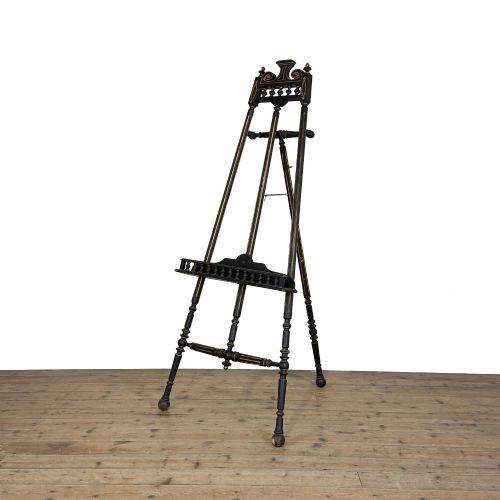
Ebonised wood and satin birch also appear, reflecting changing interior tastes through the Victorian and Edwardian periods.
How do I date a display piece?
Dating relies on identifying the prevailing style, construction methods, and timber choices relative to known historical periods. Georgian and Regency pieces show classical proportions and fine mahogany, while Victorian items often embrace heavier turning or ebonised finishes.
Edwardian examples frequently combine glazed glass with lighter oak or beech frames for domestic display cabinets and domes.