


Turned Wood Bench
A turned wood bench is a sturdy seat or resting place shaped on a lathe, bringing honest craftsmanship and rich grain into a hallway or bedroom.
Turned Wood Bench
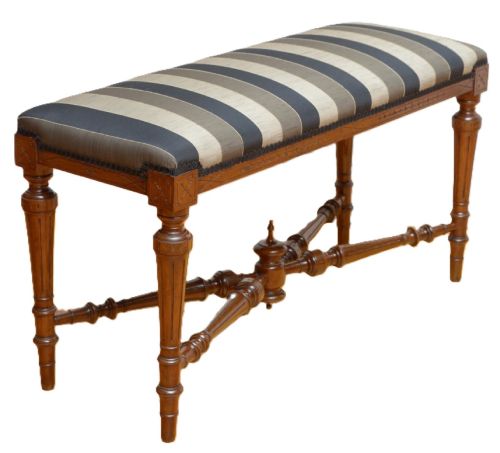
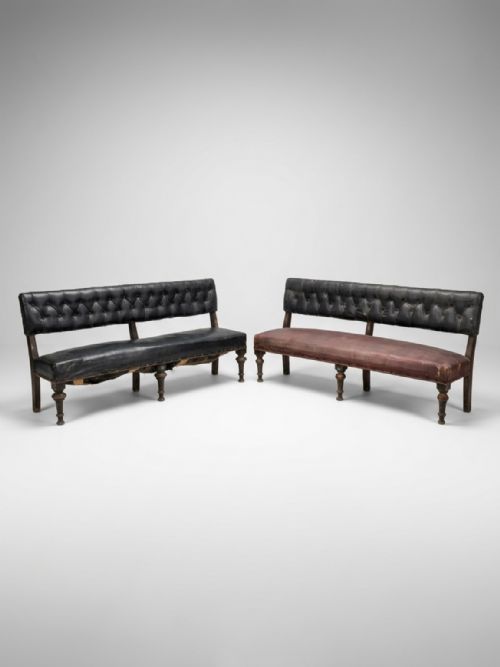
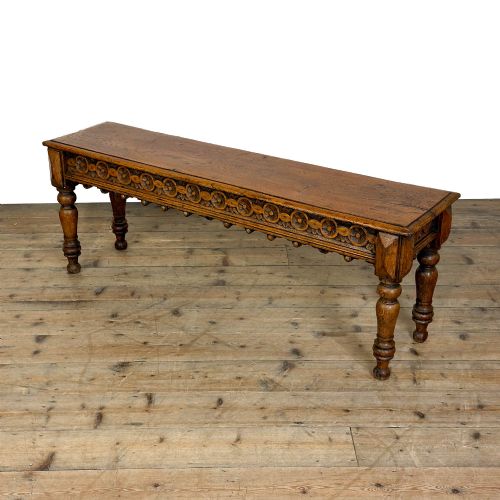
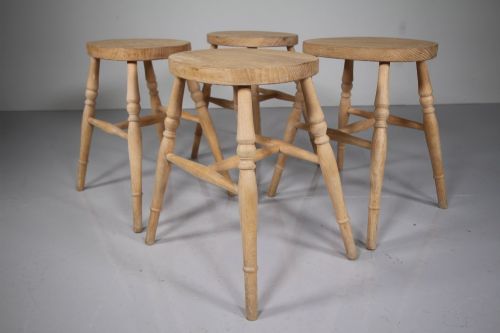
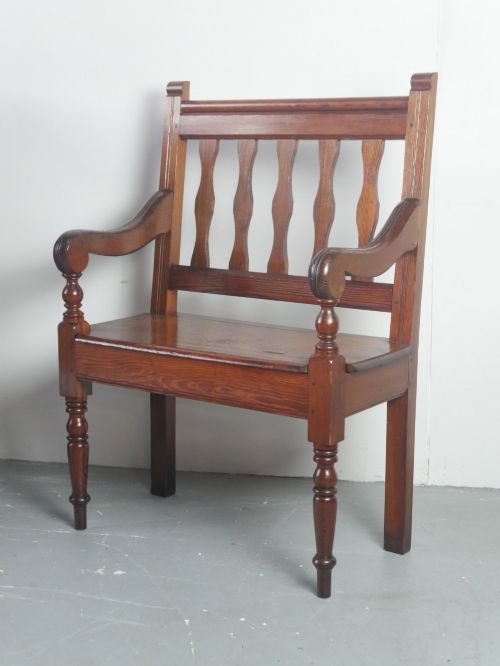
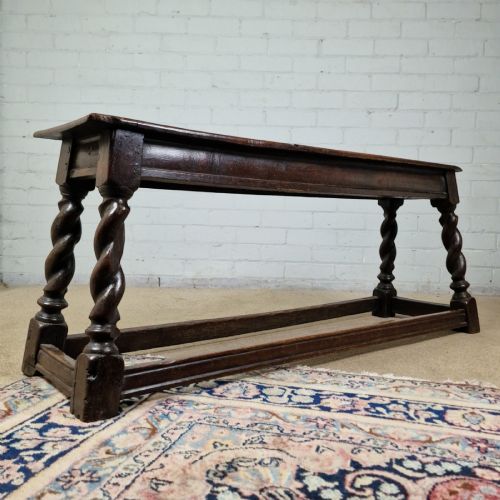
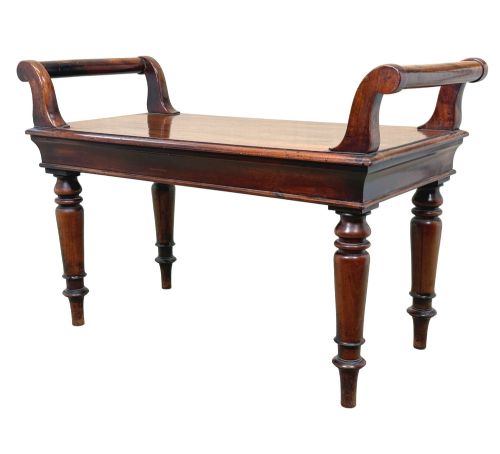
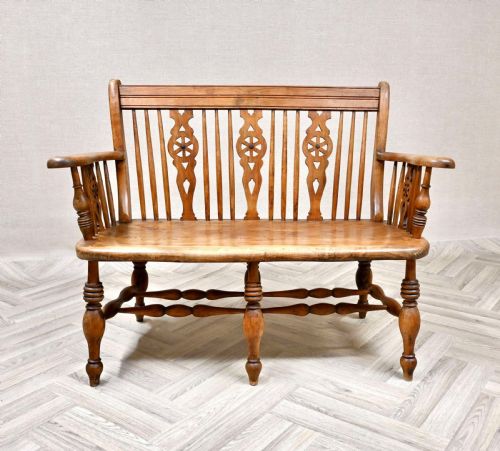
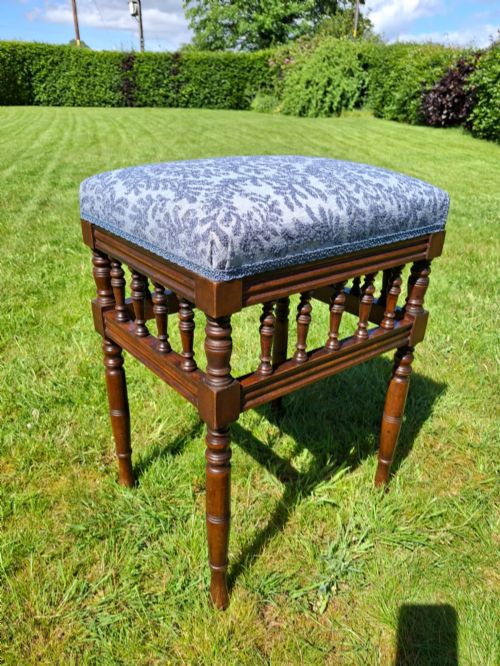
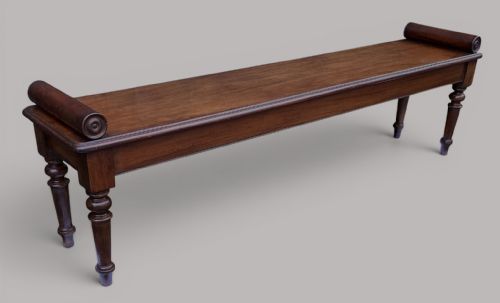
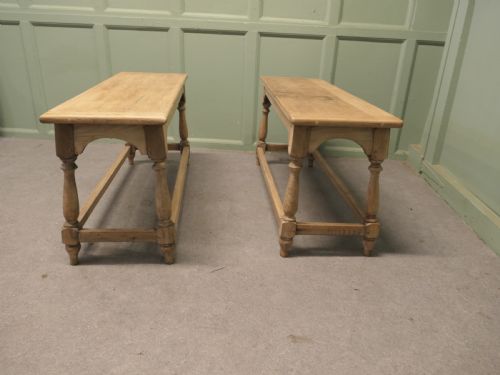
A turned wood bench spans several centuries of domestic seating, often taking the form of a long stool, window seat, or hall bench. When searching for a turned wood bench, buyers encounter pieces intended for practical daily use in hallways, bedrooms, and reception rooms.
The selections recorded here range from Georgian and Regency forms to Victorian and Edwardian examples. Sturdy timbers and lathe-turned supports define the group, drawing on English, French, and colonial traditions.
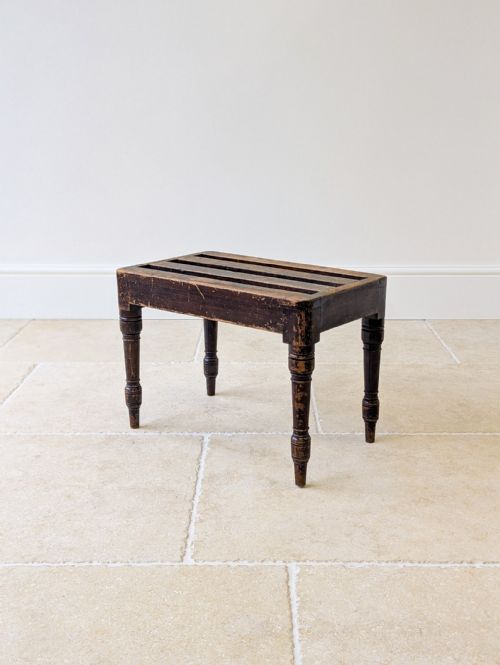
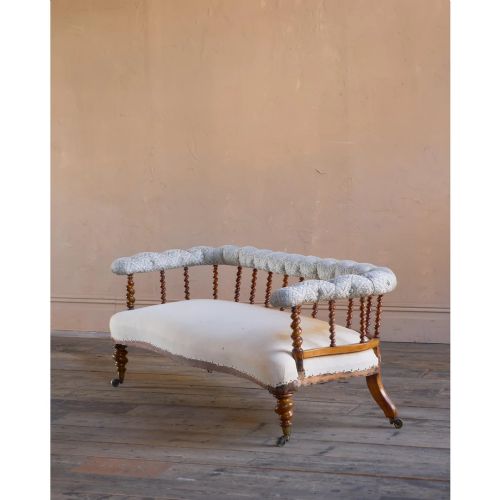
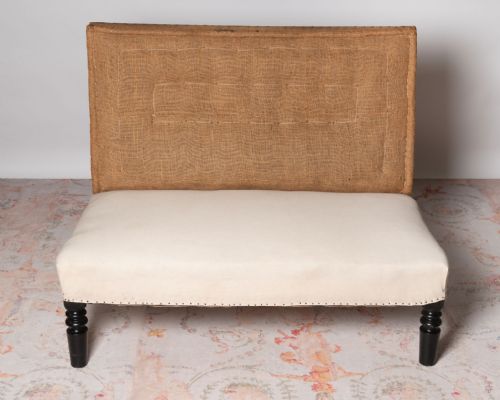
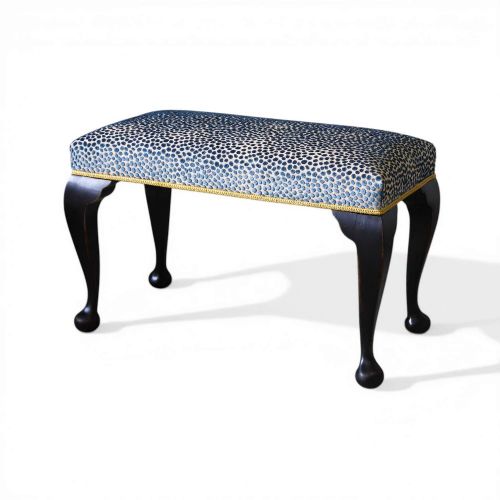
Most pieces combine seating surfaces of timber, upholstery, or cane with distinct turned legs and structural spindles. They function equally well as low seating, luggage stands, or decorative window seats within traditional and eclectic interiors.
Materials and construction methods
Cabinet makers and bodgers relied on dense domestic hardwoods such as oak, mahogany, ash, elm, and beech for strength and stability. Exotic additions like stinkwood also appear, shaped through traditional turning techniques on a lathe.
Support structures frequently incorporate spindle turning and tapered legs, joined securely to seat frames or plank tops. Upholstered pads, woven cane panels, and brass details complete many of the designs without obscuring the timber framework.
Turned Wood Bench Retail Price Guide 2026
Typical asking prices for turned wood bench among the pieces listed under this phrase on Sellingantiques today, from the lower quarter to the upper quarter. They describe what is for sale here now, not the wider market.
Materials span mahogany, oak, ash, elm, beech, ebonised wood, cherry wood, and exotic stinkwood.
Assessing quality in turned benches
Quality rests in the precision of the timber turning and the integrity of the joinery rather than surface embellishment alone. Superior examples display crisp lines on spindles and legs, alongside well-seasoned timbers that have retained their structural rigidity over generations.
The choice of primary wood and the retention of original finish or patination elevate certain items above standard utility furniture. Untouched surfaces and harmonious proportions distinguish workshop pieces intended for refined interiors from simpler provincial items.
Brown & Lamont·C. Hindley & Sons
The Turned Wood Bench Glossary
- Spindle back
- A chair or bench back constructed from slender, turned wooden rods arranged vertically. This method provides lightweight strength and visual transparency.
- Window seat
- A long, narrow bench designed to fit into the recess of a bay or window. These pieces often feature upholstered tops and short legs.
- Luggage stand
- A low bench or rack originally intended for resting travel trunks at a convenient height. They frequently share the turned legs and proportions of small benches.
- Ebonised
- Timber treated with a dark stain or finish to imitate ebony. This technique was popular in various periods for creating sharp contrast.
- Joint bench
- A piece of furniture constructed using mortise and tenon joints fixed with wooden pegs. This method ensures robust durability without metal fasteners.
Turned Wood Bench: Frequently Asked Questions
What is a turned wood bench used for?
These pieces serve as practical seating in narrow hallways, at the foot of beds, or beneath windows. Their slender proportions allow them to fit into transitional spaces where larger furniture would obstruct movement.
Historically, variations like luggage stands also accommodated travel chests in guest rooms. Today, they function as versatile seating or display surfaces for decorative objects.
How do I date a turned bench?
Dating relies on identifying the timber species, turning profiles, and construction methods characteristic of specific eras. Regency and Victorian examples often feature mahogany with precise leg turnings, while earlier pieces display heavier oak construction.
Secondary woods, fixing methods, and any maker marks provide further clues. Comparing the wear patterns to the known active periods of specific workshops helps narrow down the decade.
Where should I place a long stool?
Long stools and window seats suit rooms where flexible seating is required without blocking light or views. Placing one along an empty hallway wall creates a convenient spot for putting on shoes.
In bedrooms, positioning a bench at the foot of the bed provides a surface for daily dressing or laying out garments. Their low profiles keep sightlines open across the room.
Are turned benches sturdy enough for daily seating?
Most surviving examples were built from dense hardwoods designed to withstand heavy everyday use. Solid joints and stable lathe-turned legs ensure they remain structurally sound for sitting.
Periodic checks of the joinery help maintain their stability over time. Pieces with woven cane or upholstered seats may require careful weight distribution depending on the condition of the webbing.