




Turned Treen Vessel
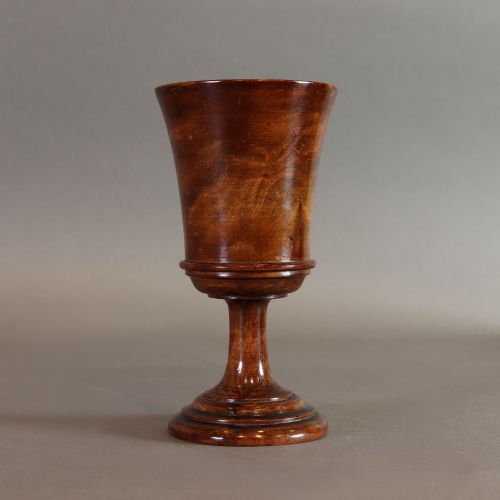
Turned treen vessel examples are shaped from timber on a lathe, offering tactile forms ranging from utilitarian dairy bowls to elegant pedestal goblets.
Turned Treen Vessel
When you search for turned treen vessel, you encounter items shaped from timber on a lathe across several centuries. The selection includes utilitarian domestic items alongside decorative display pieces.
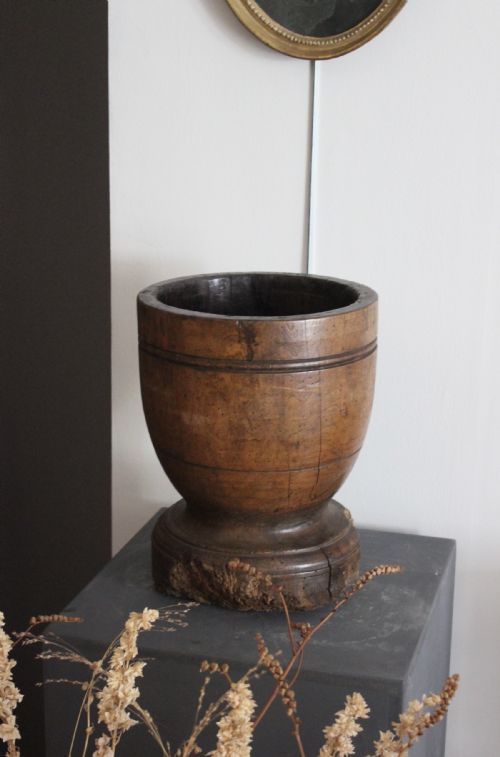
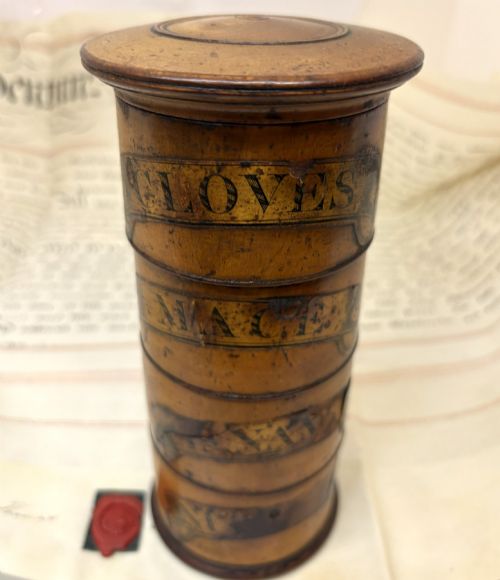
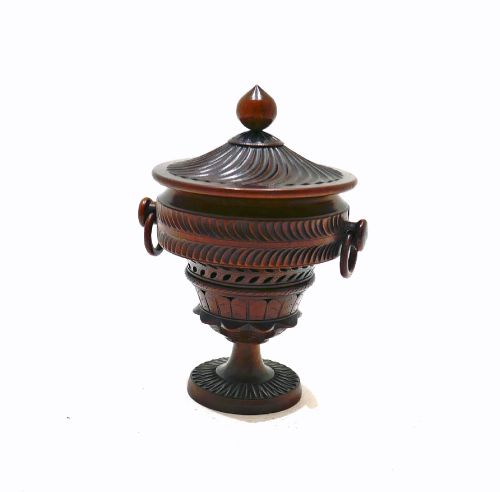
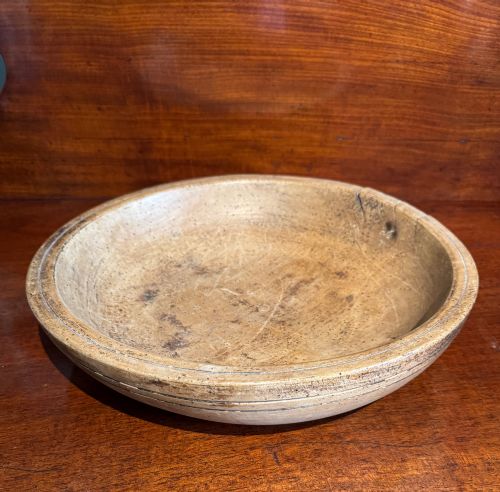
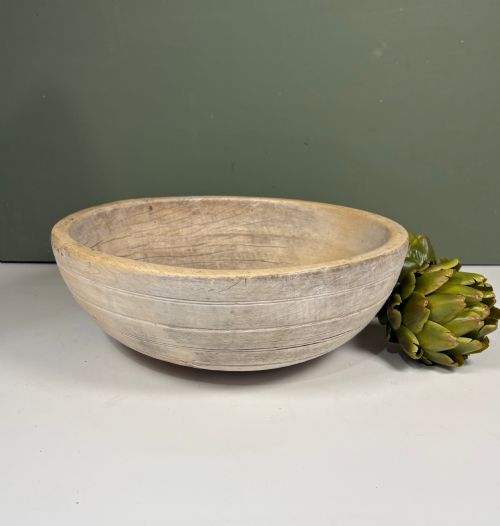
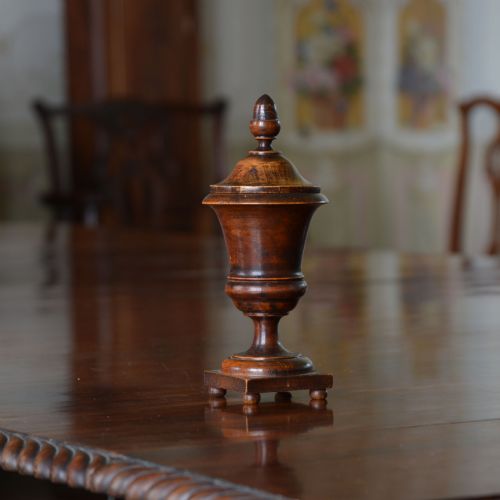
The forms span practical kitchenalia and dairy bowls alongside spice towers, mortars, and lidded cups. Pieces originate from periods including the seventeenth century, the Georgian era, and the nineteenth century.
You meet variations in British and continental styles, covering rustic country wares as well as formal Georgian and Victorian designs. Materials range from dense lignum vitae to warm fruitwood and sycamore.
How they were made
Maker operations relied on the lathe to shape timber blocks into hollow vessels, mortars, and goblets. Woodworkers selected specific timbers for their grain structure and density.
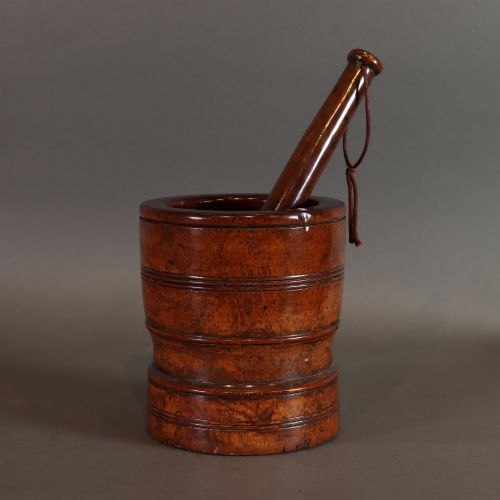
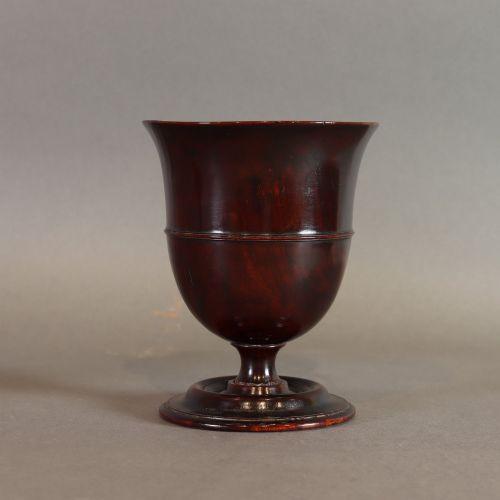
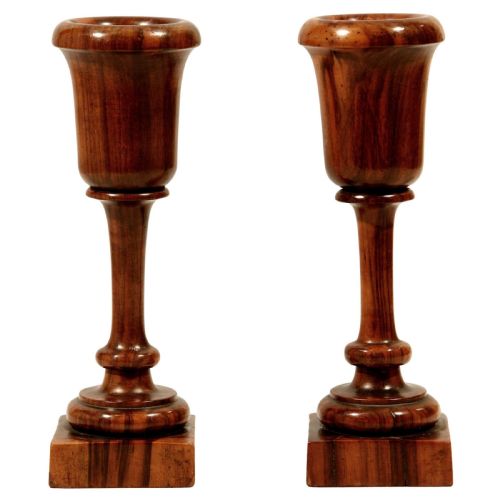
Dense woods like lignum vitae provided the weight and strength required for mortars and pedestal goblets. Softer hardwoods such as sycamore, fruitwood, and yew wood lent themselves to dairy bowls and turned vases.
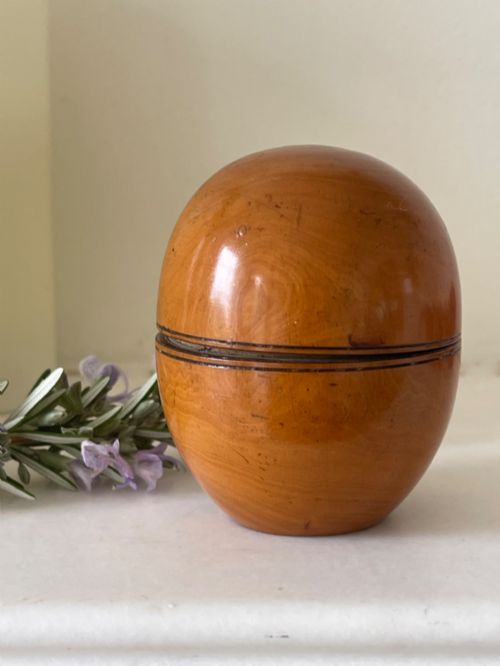
One listed container takes the exact shape of a wine bottle specifically designed for holding nutmeg.
What varies in quality
The distinction between ordinary and superior pieces rests on the precision of the turning and the choice of timber. Dense, heavily figured hardwoods command attention for their durability and visual depth.
Proportion and surface character dictate desirability, with well-balanced pedestal goblets and vessels retaining warm patinas standing out. Subtle details in moulding and lid fit reveal the skill of the original turner.
The Turned Treen Vessel Glossary
- Treen
- Small handmade wooden domestic objects. The category encompasses everything from bowls to spice grinders.
- Lignum vitae
- A dense, heavy exotic hardwood prized for treen mortars and goblets. Its natural oils give it exceptional durability.
- Dairy bowl
- A wide, shallow wooden vessel used in butter and milk processing. Sycamore served as a traditional material for these items due to its clean grain.
- Mortar
- A heavy bowl used with a pestle for crushing spices or medicinal ingredients. Early examples often employ lignum vitae or fruitwood.
- Spill vase
- A small container designed to hold tapers for lighting fires or candles. They appear in turned wood and specimen timber configurations.
Turned Treen Vessel: Frequently Asked Questions
How were wooden mortars used?
Wooden mortars served as heavy vessels for grinding spices, herbs, or medical ingredients alongside a matching pestle. Their dense construction withstood the pressure of daily kitchen tasks.
Many surviving examples date from the seventeenth and eighteenth centuries, fashioned from hardwoods like lignum vitae or walnut.
How do I date an antique treen vessel?
Dating relies on identifying the turning style, timber species, and form characteristics associated with specific eras. Georgian pieces often display classical urn or goblet profiles, while seventeenth-century items tend toward heavier, utilitarian mortar forms.
Patina and tool marks also offer clues to the age and manufacturing techniques of each item.
How do I care for wooden treen?
Wooden treen requires protection from direct sunlight and extreme humidity changes to prevent the timber from splitting. Applying occasional light wax preserves the natural patina of the surface.
Water should be kept away from antique pieces, especially unsealed dairy bowls and early turned vessels.