

Turned Leg Desk Armchair
These turned leg desk armchair pieces offer sturdy timber frames and comfortable seats, bringing reliable character to any study or writing room.
Turned Leg Desk Armchair
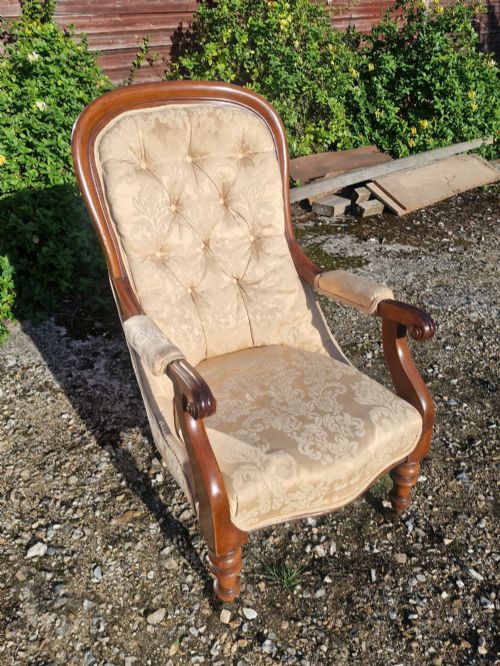
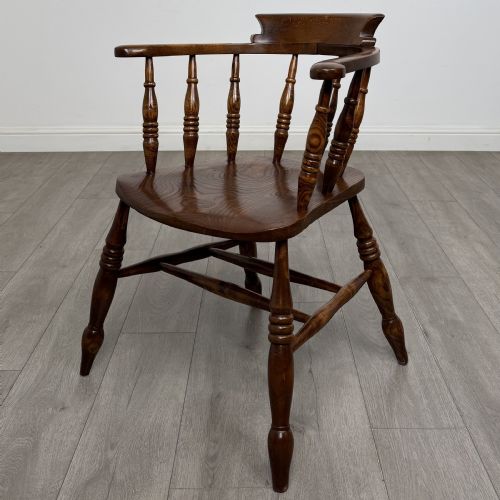
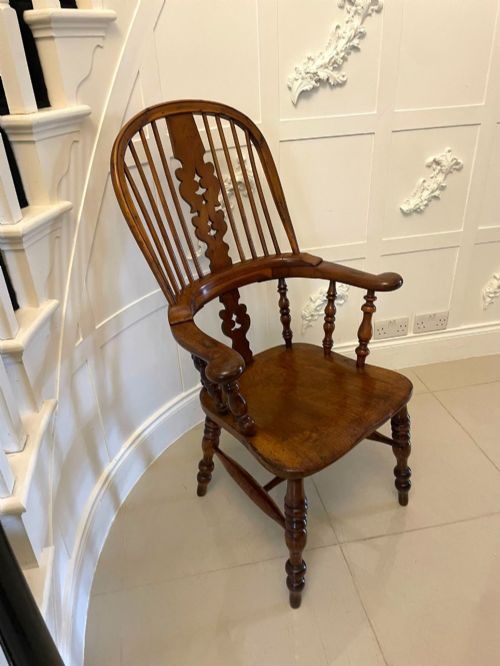
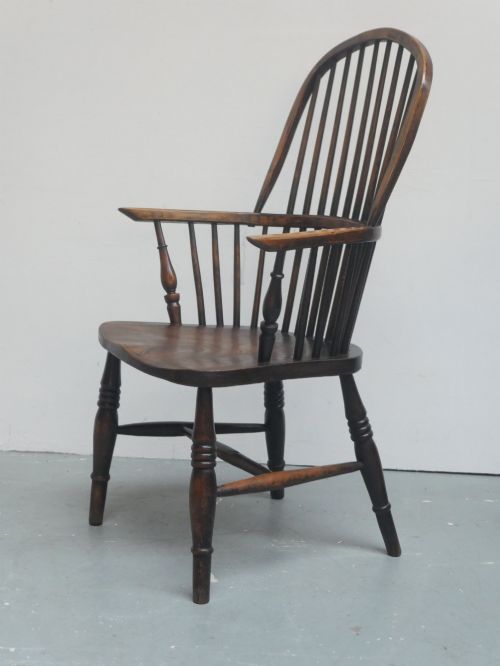
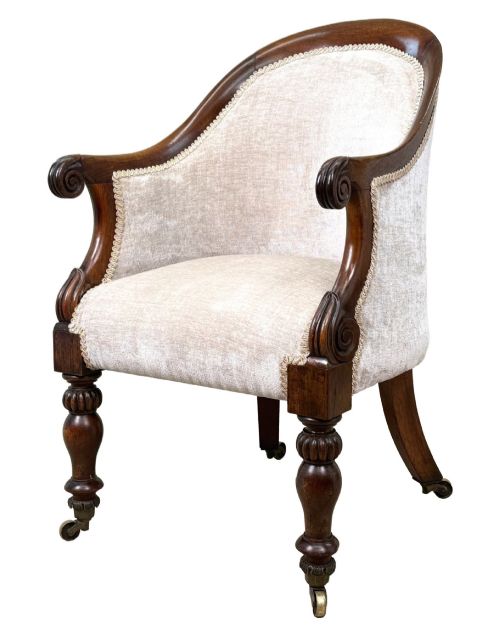
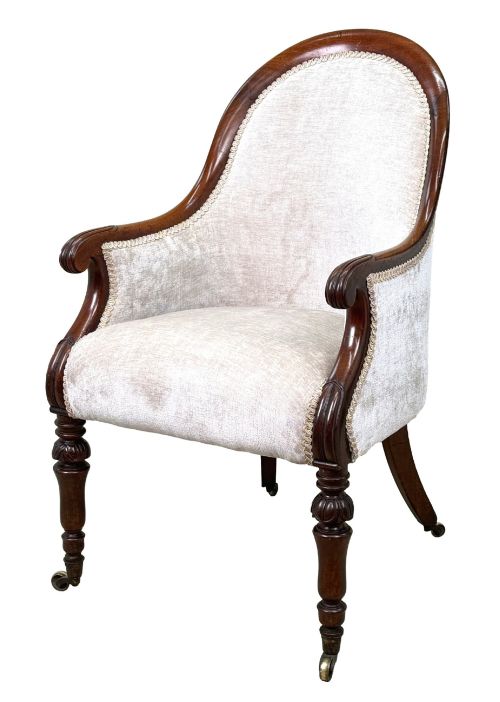
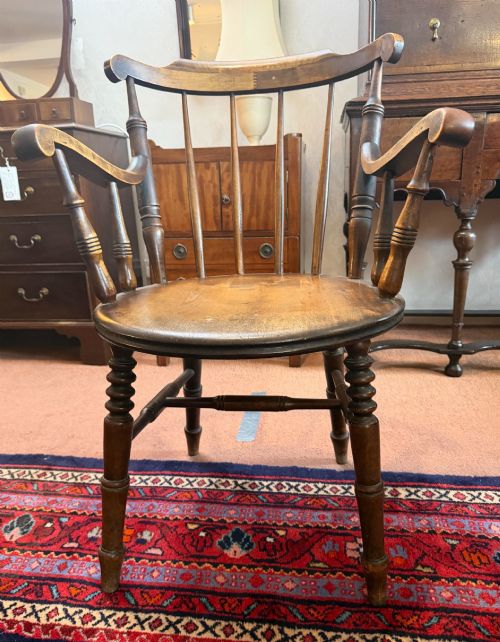
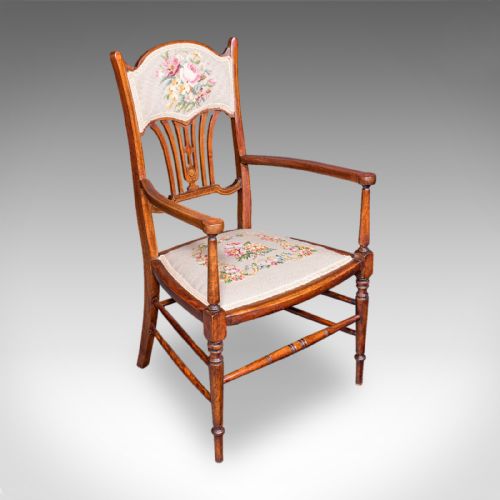
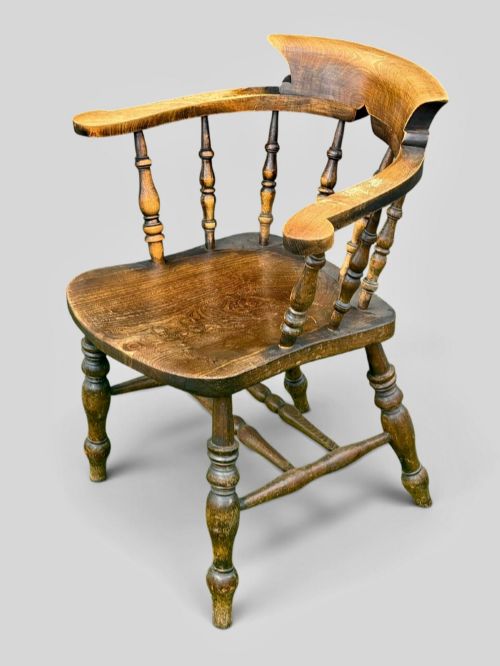
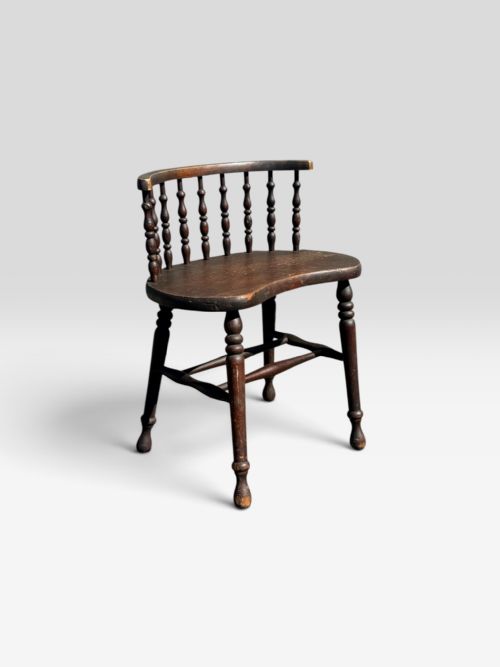
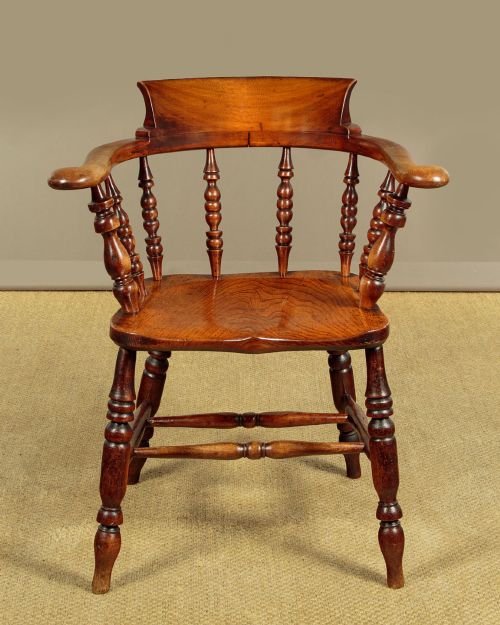
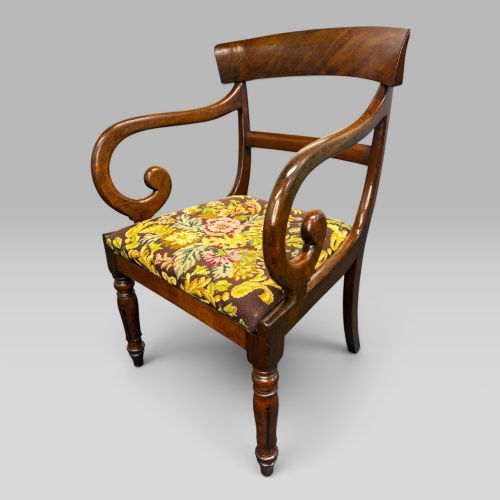
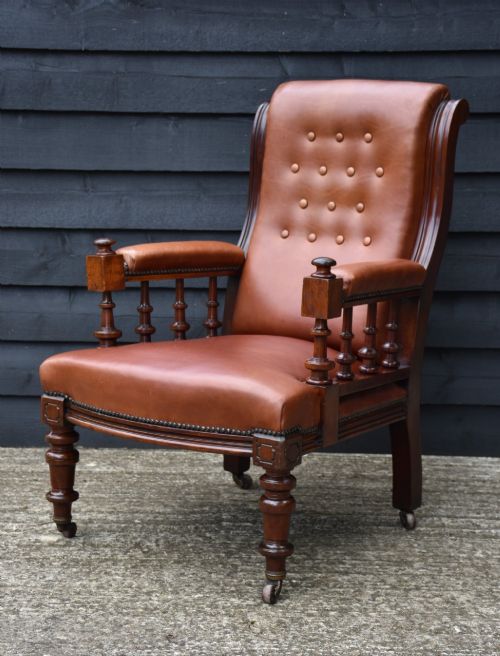
When you examine a turned leg desk armchair, you encounter seating designed for the study, library, or writing room across the nineteenth and early twentieth centuries. The selection encompasses diverse forms such as Windsor chairs, Captains chairs, library armchairs, and smoker's bows originating from Victorian, Regency, and Edwardian periods.
The material palette of these pieces relies heavily on native timbers like elm, ash, beech, and oak, alongside finer cabinet woods such as mahogany, walnut, and rosewood. Many incorporate functional additions including leather upholstery, fabric pads, and brass details.
You will find regional vernacular traditions alongside formal library seating, spanning low backs, high backs, wheel-backs, and hoop-backs. These chairs bridge domestic comfort and practical work spaces, serving as robust seating options.
How they were made
Cabinet makers and vernacular joiners utilised traditional construction methods, turning solid timbers on lathes for legs, spindles, and stretchers. Steam-bending techniques shaped wooden bows, curved backs, and arm supports.
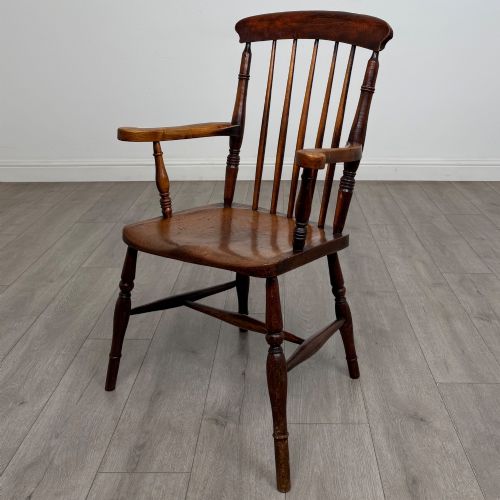
Makers combined contrasting woods within single pieces, frequently pairing elm seats with ash or beech spindles and legs. Surface finishes relied on natural waxes and polishes that aged with the grain of the timber.
Listings feature timbers including elm, beech, brass, mahogany, ash, oak, leather, and fabric across nineteenth and early twentieth century periods.
What varies in quality
Quality rests in the selection of timber and the integrity of the structural joints rather than surface embellishment alone. Dense grain figures in elm seats or finely figured mahogany and rosewood elevate certain examples above standard workshop production.
Proportion and the crispness of turned components define the visual success of the piece. Refined joinery ensures stability across weight-bearing arms and spindle connections without relying on modern fasteners.
J SPENCER
The Turned Leg Desk Armchair Glossary
- Windsor chair
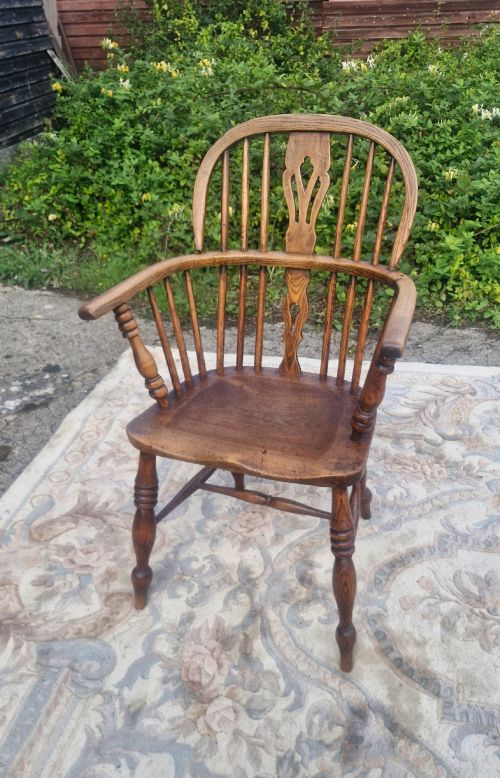
- A wooden chair constructed with a solid sculpted seat into which the legs and back spindles are wedged directly. This form relies on turned members and bentwood bows for structural support.
- Smoker's bow
- A low-backed Windsor derivative featuring a continuous curved arm rail supported by turned spindles. These sturdy chairs typically use elm for the seat and beech or ash for the turned framework.
- Crinoline stretcher
- An arched or curved wooden brace connecting the legs of a chair beneath the seat. This reinforcement prevents the legs from wobbling under lateral strain.
- Carver chair
- An armchair traditionally used at the head of a dining table or as a desk seat. The term distinguishes an armchair from matching side chairs within a set.
- Tub library armchair
- A fully upholstered seating form with a continuous curved back and armrest enclosing the user. These pieces often feature leather or fabric covering over a mahogany or rosewood frame.
Turned Leg Desk Armchair: Frequently Asked Questions
What is a turned leg desk armchair?
A turned leg desk armchair is a wooden seat featuring legs shaped on a lathe, built for writing tables and libraries during the nineteenth and early twentieth centuries.
These pieces combine durable timber construction with ergonomic support for daily writing or reading tasks.
How do I date a Windsor desk chair?
Dating relies on timber choices, construction techniques, and stylistic markers such as hoop backs or crinoline stretchers. Earlier nineteenth-century examples often display deep elm saddles and heavy ash turnings.
Later Victorian and Edwardian iterations frequently incorporate machine-turned components and standardised joinery methods.
Were these chairs used at desks?
Many examples served in libraries, morning rooms, and home offices alongside writing tables and bureaus. Their sturdy arms and supportive backs suited prolonged periods of work.
Captain's chairs and smoker's bows were particularly favoured for their low, enclosing profiles.
How do I care for antique wood chairs?
Maintain the timber by applying a quality beeswax periodically to nourish the grain and prevent the wood from drying out. Keep the chairs away from direct heat sources and fluctuating humidity.
Check leg joints and stretchers occasionally to ensure structural stability remains intact.