

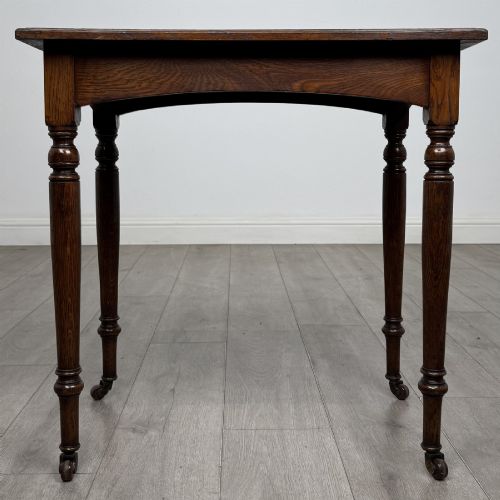
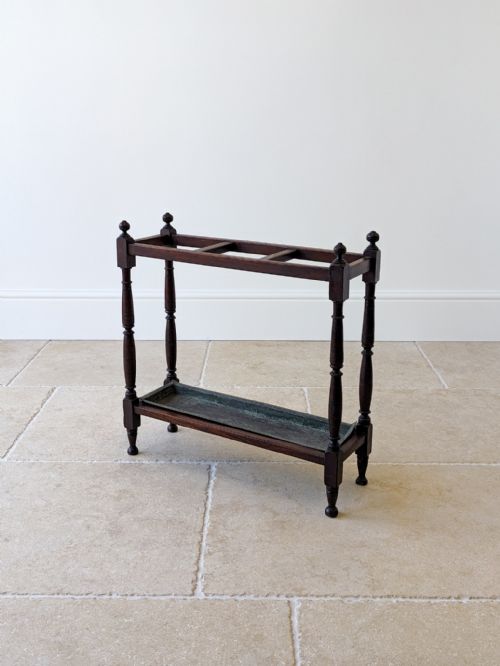
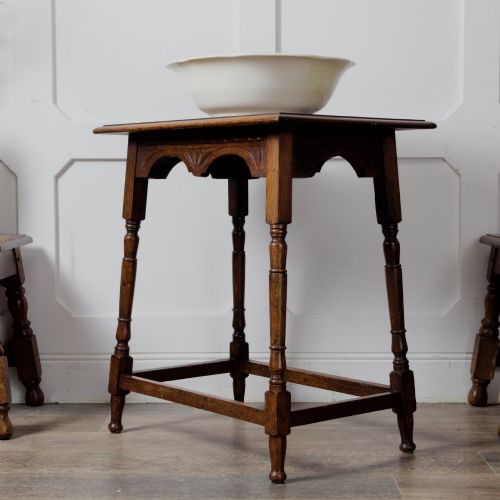
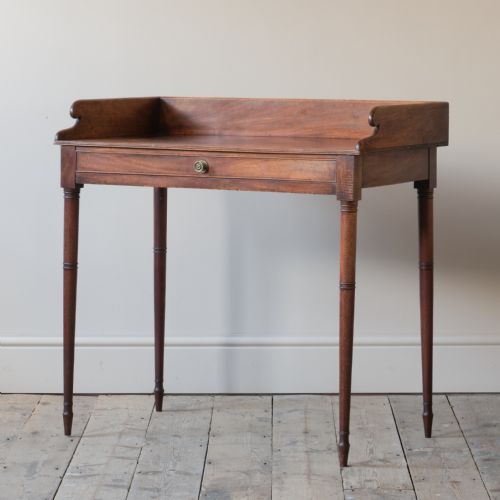



Turn of the Century Hall Stand
These turn of the century hall stand pieces welcome guests with practical utility, combining storage for outerwear with structural timber presence.
Turn of the Century Hall Stand
A turn of the century hall stand serves as the primary entryway furniture for hats, coats, and umbrellas, meeting visitors at the threshold of the home. These items organise daily garments and walking gear within domestic hallways, functioning as both storage units and architectural pieces.
The selection on this page centres primarily on Victorian, Edwardian, and 1900 periods, alongside related hall trees, coat stands, and stick stands. Specimens range from solid oak and mahogany constructions to bentwood designs from the opening years of the twentieth century.
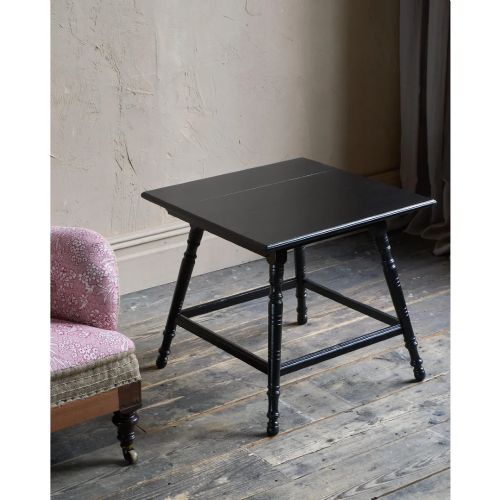
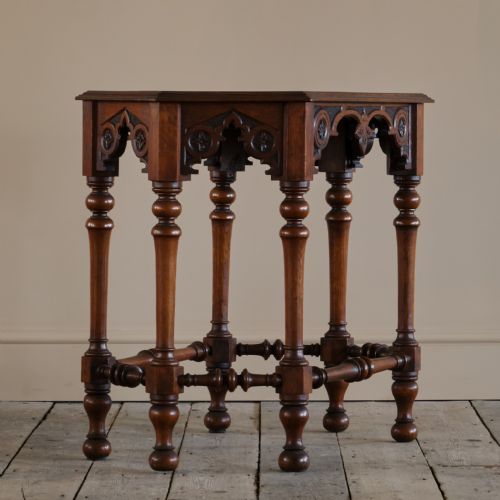
Buyers encounter distinct regional and stylistic variations, including Gothic Revival influences and Aesthetic Movement ebonised finishes. Each configuration addresses the specific spatial demands of period hallways, accommodating upright umbrellas and hanging garments in tight footprints.
Materials and construction methods
Makers utilised heavy timbers such as oak, mahogany, walnut, and beech to build sturdy frameworks capable of supporting heavy winter coats and damp umbrellas. Solid wood panels and turned columns provide the main vertical strength, while metal components such as brass hooks and drip trays manage moisture and fasten garments.
Bentwood techniques appear prominently in pieces from around 1900, employing steam-heated timber manipulated into curved structural forms. This method allowed workshops to produce lighter, resilient frames with integrated coat hooks and circular umbrella rings.
Turn of the Century Hall Stand Retail Price Guide 2026
Typical asking prices for turn of the century hall stand among the pieces listed under this phrase on Sellingantiques today, from the lower quarter to the upper quarter. They describe what is for sale here now, not the wider market.
Current listings feature oak, mahogany, walnut, beech, and bentwood across Victorian, Edwardian, and 1900 periods.
Distinctions in craftsmanship
The standard of carving and timber selection separates standard items from finer examples in this category. Elaborate surface decoration, such as deep oak carving or careful ebonising, indicates higher workshop investment during production.
Structural integrity relies on the original joining methods and the preservation of metal elements like brass drip pans and coat hooks. Pieces retaining their matching hardware and uncompromised timber joints maintain greater structural coherence.
Hindley and Sons·Fischel
The Turn of the Century Hall Stand Glossary
- Bentwood
- Wood shaped by steaming and bending into curved forms rather than cutting from solid blocks. This technique enabled makers to create lightweight, flowing frames popular at the end of the nineteenth century.
- Ebonising
- A finishing process that stains timber to resemble ebony. This treatment was characteristic of the Aesthetic Movement and late Victorian design eras.
- Stick Stand
- A piece of furniture designed specifically for holding walking sticks and canes. They frequently incorporate metal drip trays at the base to catch rainwater.
- Hall Tree
- An alternative term for a hall stand that emphasises a vertical, tree-like arrangement of branches or hooks. These structures combine coat storage with umbrella containment in a single vertical unit.
Turn of the Century Hall Stand: Frequently Asked Questions
Where should I place a hall stand?
Position your hall stand in an entryway or hallway where guests enter the home. This placement offers immediate access for hanging coats and depositing umbrellas as soon as someone steps inside.
Ensure there is sufficient clearance around the piece for doors to open and for people to maneuver bulky winter garments without obstruction.
How do I maintain the wood?
Dust the timber regularly with a dry cloth and apply a quality beeswax periodically to nourish the surface. Avoid placing the stand in direct sunlight or near heat sources to prevent the wood from drying out.
Keep metal drip trays clean and dry to protect the surrounding wooden base from water damage.
Are these pieces suitable for modern hallways?
These items integrate effectively into contemporary interiors by providing vertical storage with a distinct historical character. Their narrow footprints make them practical for urban apartments and period homes alike.
They serve as functional storage points while introducing traditional woodworking and period design elements to an entranceway.
How do I identify a bentwood piece?
Bentwood items feature smooth, continuous curves formed from steaming timber rather than joined right angles. Look for rounded structural components that loop gracefully to form coat hooks or support rings.
This construction method yields a lighter physical profile while maintaining surprising load-bearing strength.