
Turn of Century Stools
Turn of century stools bridge utility and style, offering solid timber construction and period character for modern interiors.
Turn of Century Stools
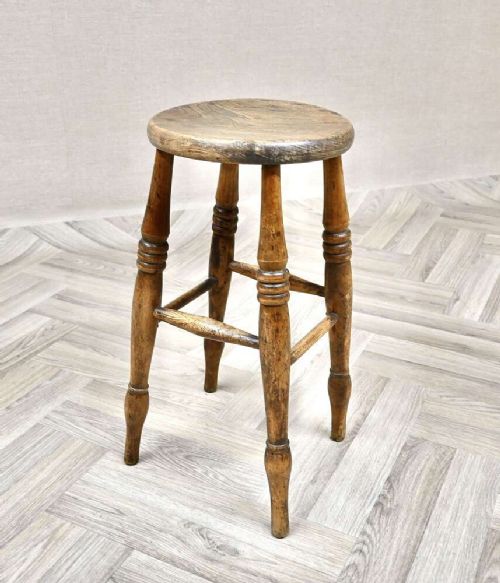
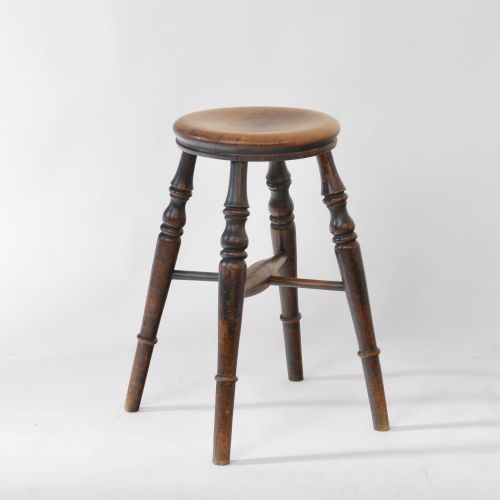
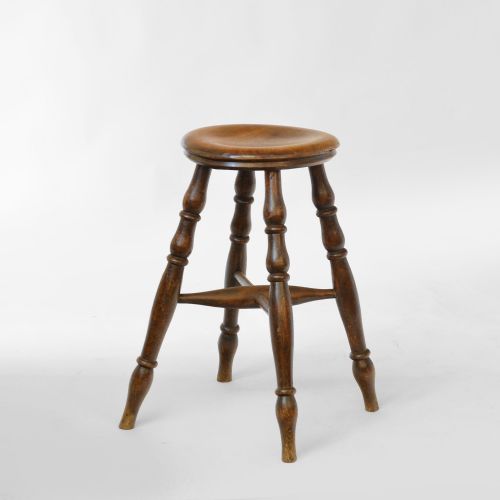
Turn of century stools encompass a diverse selection of practical seating, from rustic country examples to formal Victorian designs. Buyers searching this phrase encounter everything from low footstools and clerk's stools to sturdy joint stools and industrial machinist seating.
The material palette is dominated by traditional hardwoods like oak, elm, and mahogany, frequently shaped into simple forms for domestic or commercial use. Examples span centuries of British and continental design, with nineteenth-century country pieces and earlier revivals forming the core of the selection.
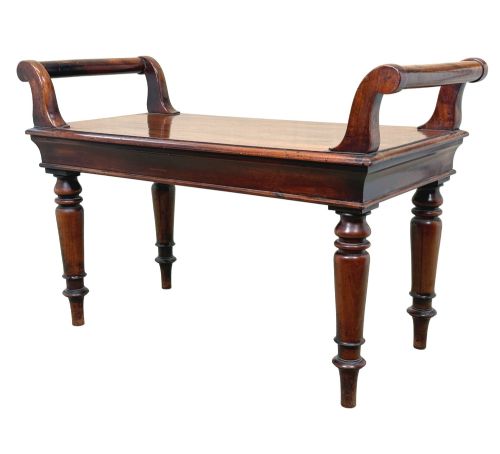
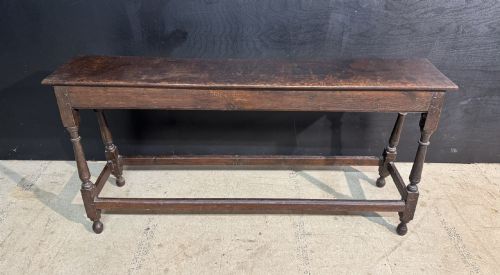
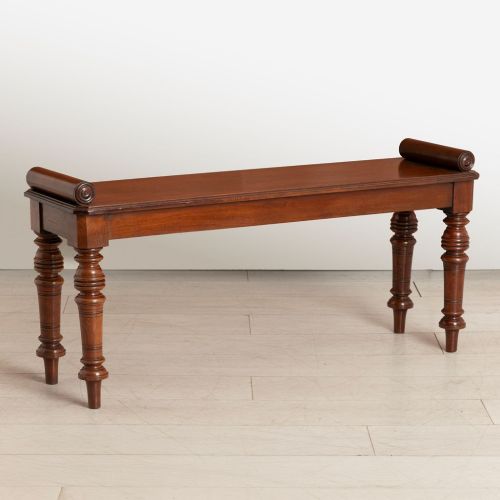
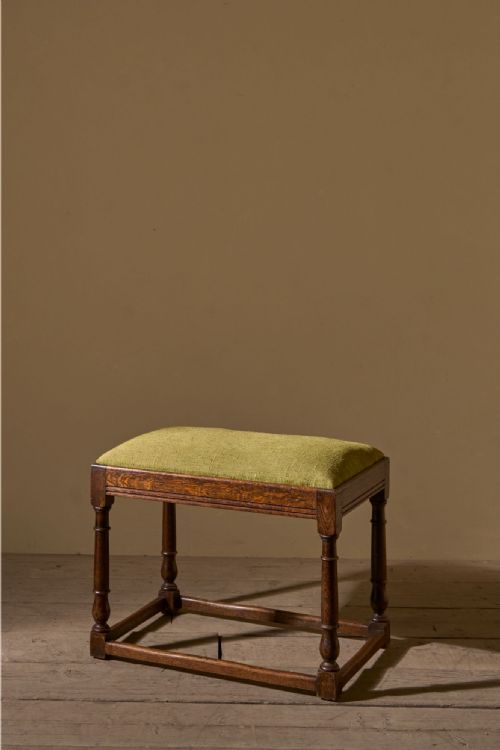
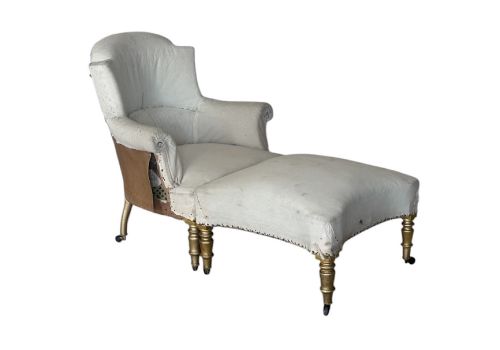
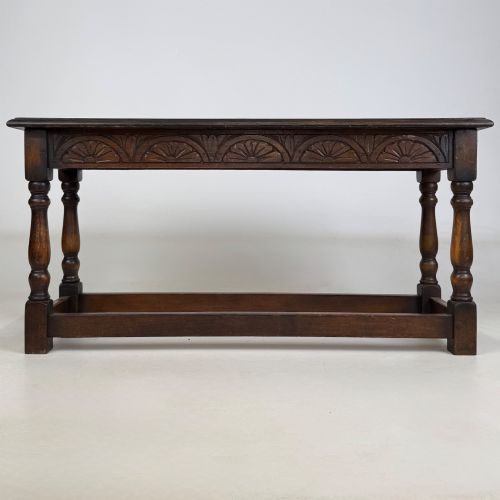
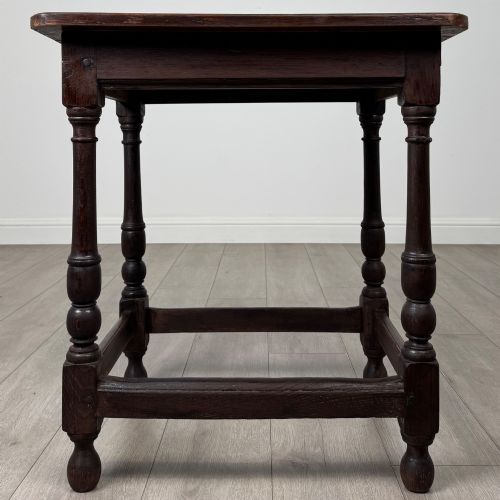
Forms vary from upholstered window seats and piano stools to robust tavern seating in beech and elm. This category also includes occasional side tables and benches, reflecting the multifunctional nature of historical seating in smaller spaces.
Materials and Construction Methods
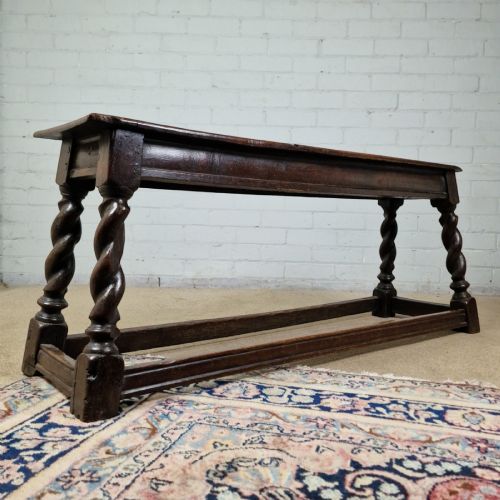
Makers relied heavily on native timbers such as oak, elm, sycamore, and pine, selecting each wood for its specific structural qualities. Joinery techniques like mortise and tenon construction ensured that joint stools and benches could withstand heavy daily use.
Turned legs, ball feet, and carved details appear across various periods, executed with hand tools by regional carpenters and provincial workshops. Industrial pieces incorporate cast iron alongside pitch pine, demonstrating a shift toward utilitarian manufacturing around nineteen hundred.
Some nineteenth-century clerk stools spent their days pivoting in smoky offices before finding retirement in quiet corners.
Distinguishing Quality in Period Seating
The distinction between standard examples and superior pieces rests upon timber selection, surface patination, and structural integrity. Untouched surfaces displaying deep natural colour and minimal modern intervention command greater appreciation among collectors.
Refined carving, well-proportioned turned legs, and original fixings elevate an item above utilitarian counterparts. Conversely, excessive replacement of components or unsympathetic stripping diminishes the historical integrity of older seating.
The Turn of Century Stools Glossary
- Joint stool
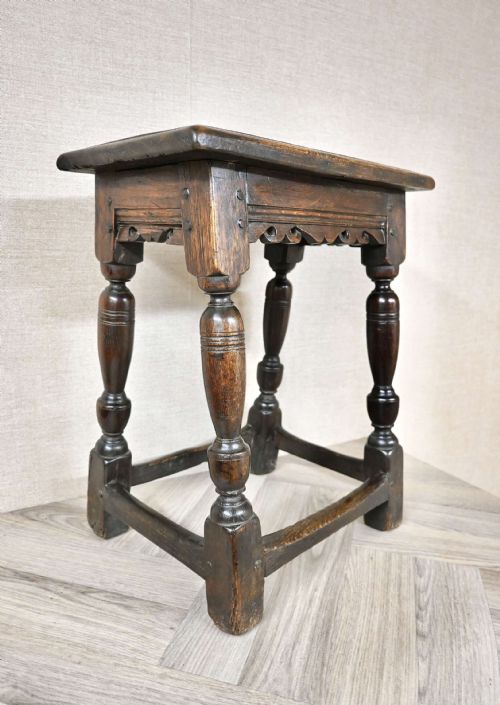
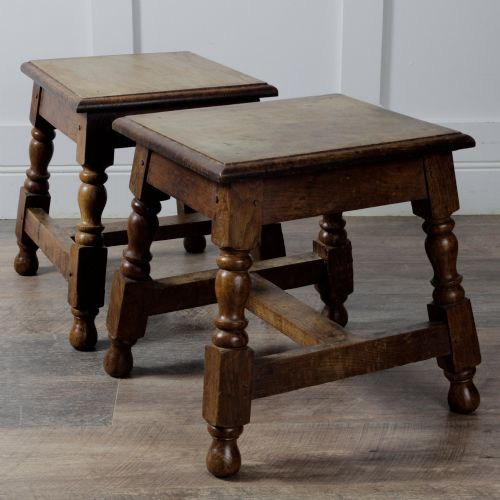
- A sturdy wooden stool constructed with mortise and tenon joints, common in domestic interiors from the seventeenth century onward. These pieces often served multiple purposes as seating or small tables.
- Windsor stool
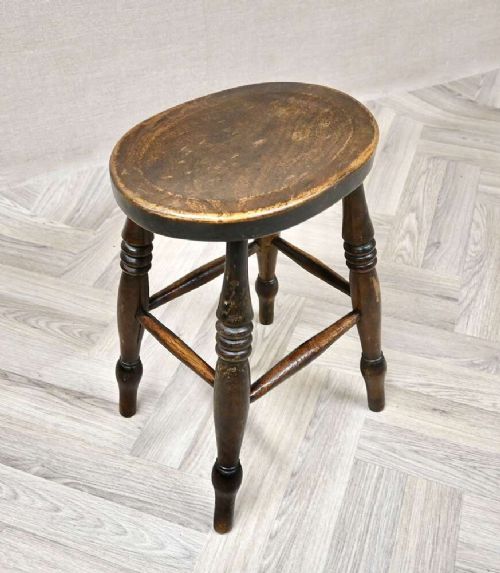
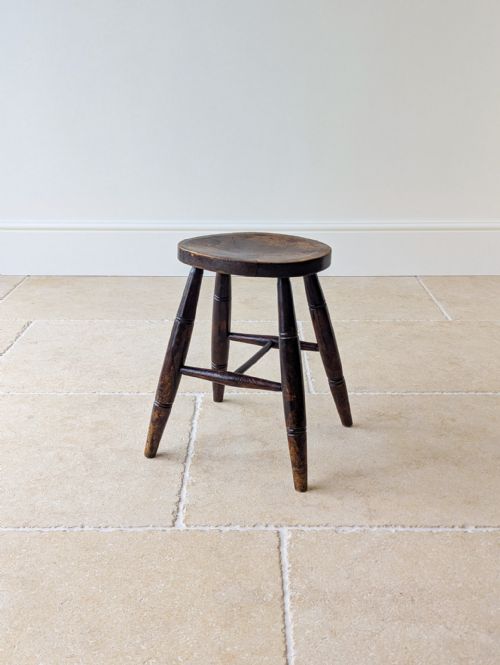
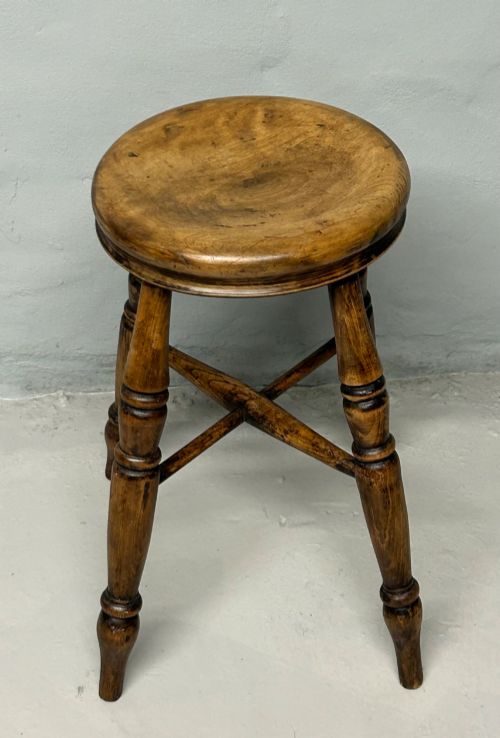
- A traditional seat featuring turned legs wedged directly into a thick, shaped wooden seat. They are typically associated with country workshops and robust vernacular design.
- Jointed bench
- A long seating form utilising traditional joinery techniques similar to those found in joint stools. They provide extended seating while maintaining rigid structural frames.
- Close stool
- A historical piece of furniture enclosing a chamber pot, often designed as a small cabinet or box stool with a lid. These items combined discreet domestic utility with fine cabinetmaking.
- Patina
- The surface sheen and colour developed on wood through age, use, and waxing. A rich patina indicates long-term handling and natural oxidation of the timber.
Turn of Century Stools: Frequently Asked Questions
What defines a joint stool?
A joint stool is a solidly built wooden seat held together by wooden pegs and tight mortise and tenon joints rather than metal hardware. They date back centuries and were used for general household seating.
Their robust construction allowed them to double as small side tables or steps when needed in domestic settings.
How were tavern stools used?
Tavern stools provided simple, durable seating for public houses and commercial spaces during the nineteenth century. They were typically constructed from hardwearing timbers like elm and beech to endure heavy daily use.
Their compact forms allowed them to be easily tucked beneath tables when not in use.
What is a close stool?
A close stool is an enclosed box seat historically designed to contain a chamber pot for personal sanitation. They often feature hinged lids and enclosed bases to conceal their utility.
Surviving examples demonstrate careful cabinetmaking that allowed sanitary equipment to blend into period bedroom furnishings.
How do I care for antique wooden stools?
Maintain antique wooden stools by keeping them away from direct heat sources and sudden humidity changes that cause timber to split. Regular applications of appropriate wax help preserve the surface sheen without building up heavy residue.
Avoid chemical polishes that can strip away the natural patinated finish accumulated over centuries.