


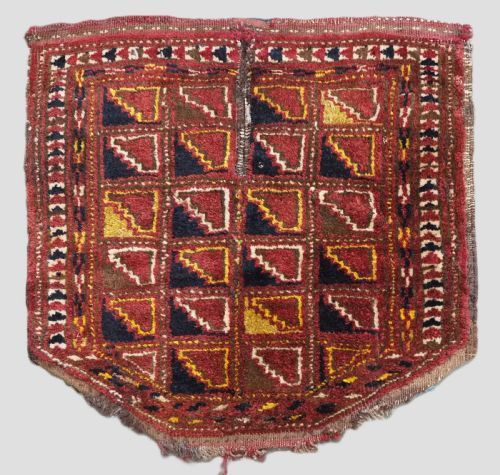


Turkmenistan Wall Hanging
A turkmenistan wall hanging brings nomadic textile art into a modern interior, offering rich tribal patterns made by Central Asian weavers.
Turkmenistan Wall Hanging
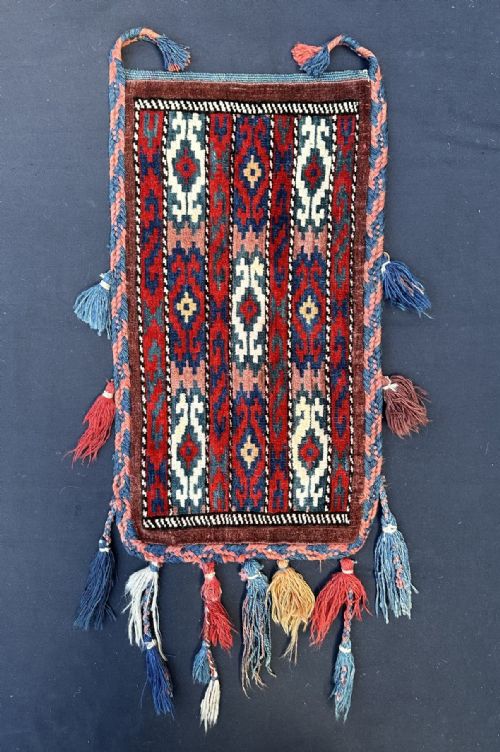
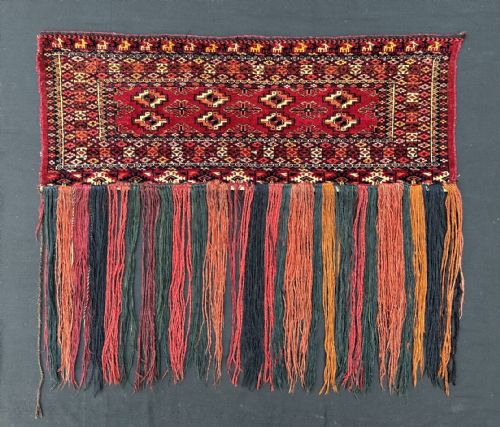
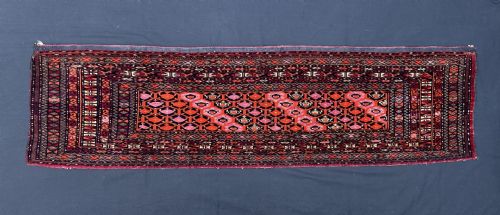
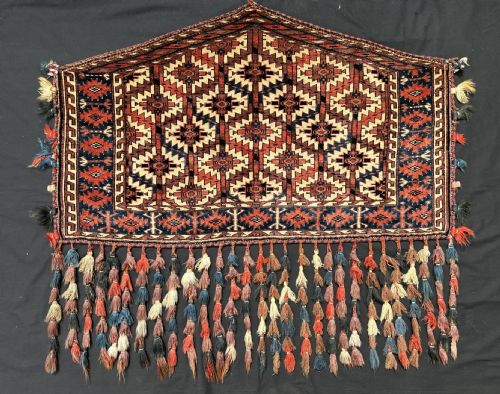
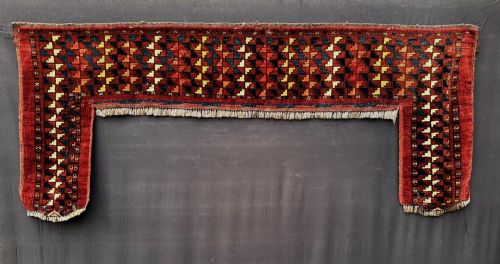
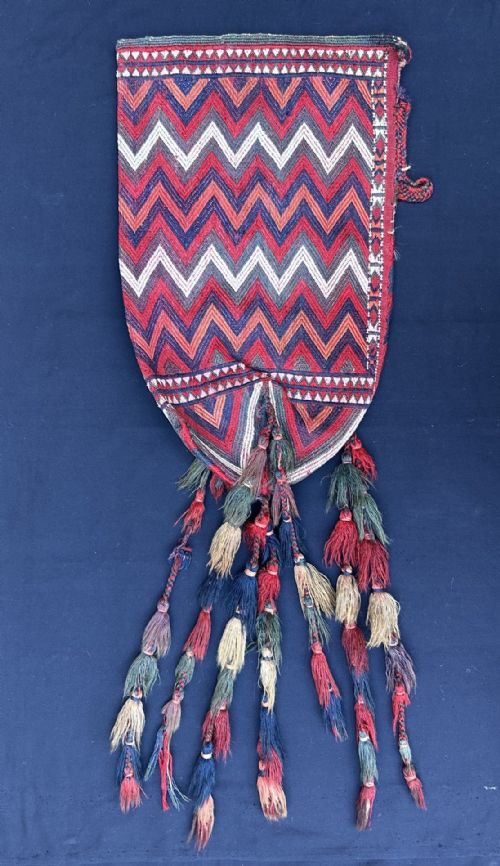
A turkmenistan wall hanging encompasses various woven artefacts originating from Central Asian nomadic groups, primarily spanning the eighteenth century through to the early twentieth century. Buyers encounter forms such as storage bags, tent bands, asmalyks, and ceremonial coats repurposed for display.
The objects derive from specific tribal traditions including the Yomut, Tekke, Ersary, and Sariq tribes situated across regions like the Trans-Caspian Steppes, Merv Oasis, and the Middle Amu Darya. These pieces reflect utilitarian nomadic items transformed into wall art through their intricate tribal iconography.
How they were made
Weavers utilised hand-spun wool, cotton, and silk, binding the materials with natural dyes to create enduring textiles. Techniques range from pile weaving to flat weave constructions like the cicim technique, alongside detailed silk embroidery found on ceremonial garments.
The structure relies on durable wool foundations designed for practical tent usage or transport by camel, incorporating vegetable dyes that yield deep madder reds, oranges, and earthy tones.
Turkmenistan Wall Hanging Retail Price Guide 2026
Typical asking prices for turkmenistan wall hanging among the pieces listed under this phrase on Sellingantiques today, from the lower quarter to the upper quarter. They describe what is for sale here now, not the wider market.
What varies in quality
Quality rests in the fineness of the knotting or weave density, the clarity and saturation of the natural dyes, and the complexity of the tribal gul motifs. Superior examples display precise symmetry in tribal patterns and intact borders that preserve the original format of the bag face or trapping.
The integrity of the textile foundation dictates longevity, with tightly packed wool and resilient silk threads distinguishing finer tribal works from simpler or more heavily fragmented counterparts.
The Turkmenistan Wall Hanging Glossary
- Chuval
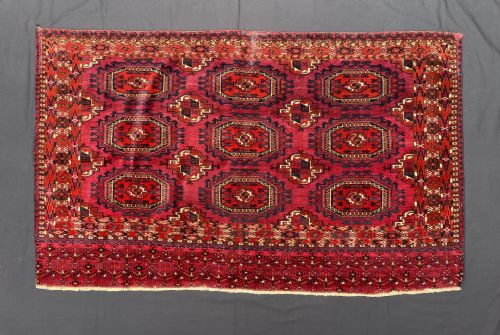
- A large Turkmen storage bag traditionally used inside a yurt. These pieces typically display multiple rows of primary guls.
- Asmalyk
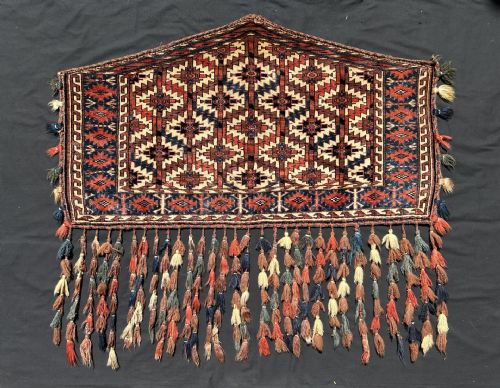
- A ceremonial camel trapping shaped as a pentagon, created for wedding processions. These items are highly sought after by textile collectors.
- Torba
- A smaller wall-hanging storage bag produced by Turkmen tribes. They often feature horizontal rows of guls and detailed side panels.
- Gul
- A repeated octagonal medallion motif associated with specific Turkmen tribes. Each tribal group utilises distinct variations to denote heritage.
- Cicim
- A flat weave embroidery-like technique applied to tribal textiles. This method adds decorative surface patterns without traditional pile knots.
Turkmenistan Wall Hanging: Frequently Asked Questions
How were these textiles originally used?
Nomadic tribes utilised these woven objects inside portable dwellings for grain storage, bedding transport, and decorative interior partitioning.
Items such as asmalyks and wedding trappings also served ceremonial functions during tribal celebrations and camel processions.
How do I hang a textile safely?
Mounting requires a weight-distributing sleeve or museum-grade Velcro stitched to a cotton backing fabric along the top edge.
Avoid direct piercing with nails or pins, which damages the wool foundation and natural dye threads over time.
How can I identify tribal origins?
Attribution relies on examining the specific gul patterns, colour palettes, and structural formats unique to groups like the Yomut or Tekke.
Regional variations in border designs and weaving techniques provide further clues to the specific tribe and oasis.
What is the difference between a chuval and a torba?
A chuval is a large rectangular storage bag designed for utility inside the tent, featuring prominent rows of primary guls.
A torba is a smaller utility bag format, often displayed horizontally and created for smaller storage needs within the nomadic dwelling.