


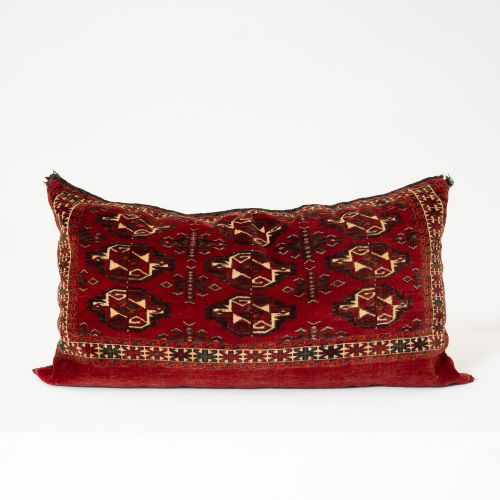


Turkmenistan Textile
These Turkmenistan textile pieces bring vibrant nomadic tribal artistry into modern interiors through authentic hand-spun wool and natural dyes.
Turkmenistan Textile
A Turkmenistan textile encompasses tribal weaving traditions originating from Central Asian regions such as the Trans-Caspian Steppes, Merv Oasis, and the Middle Amu Darya. The pieces seen here span from the eighteenth century through the early twentieth century, reflecting distinct regional styles.
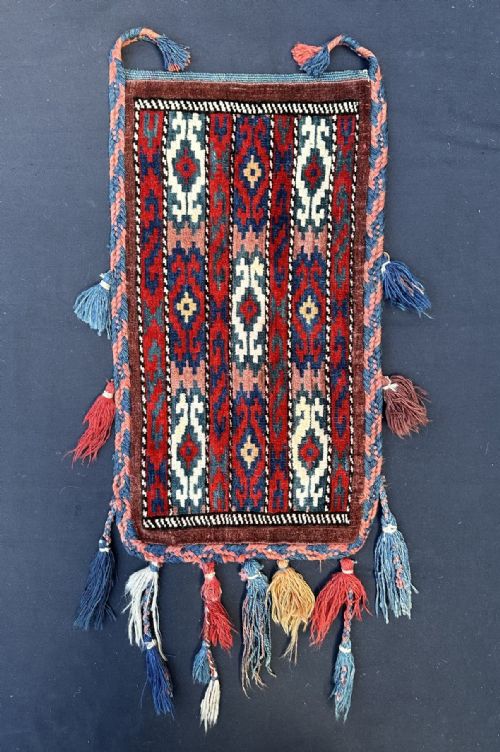
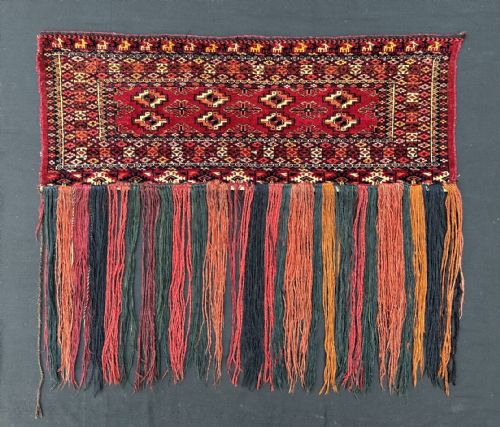
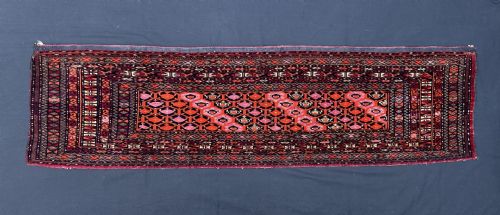
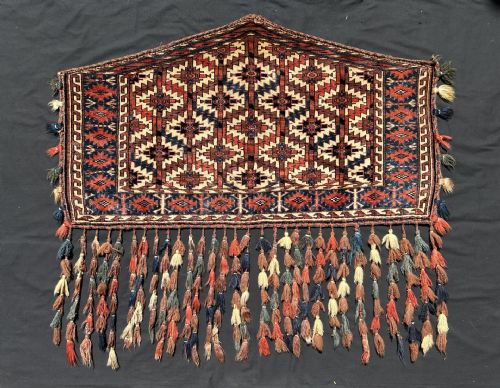
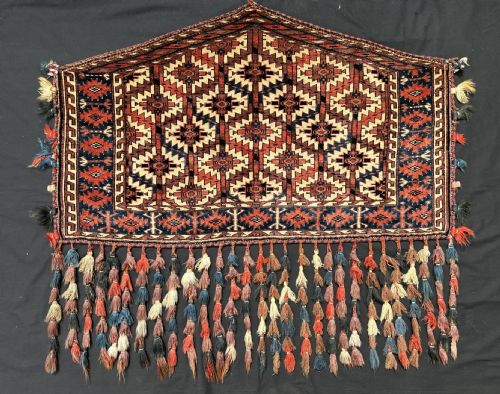
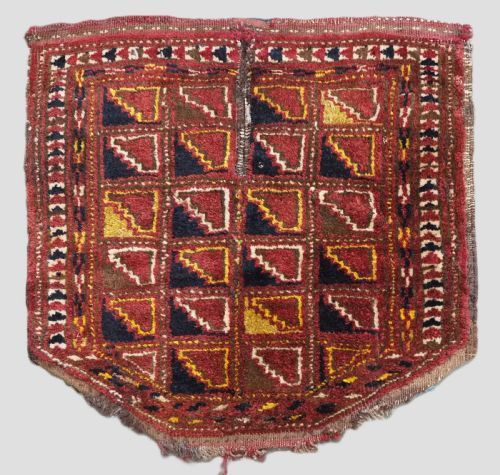
Buyers will frequently encounter specific forms such as chuvals, torbas, asmalyks, and kaplyks, which served practical and ceremonial purposes within nomadic life. These items represent the material culture of tribes including the Yomut, Teke, Ersary, Sariq, and Karadashli.
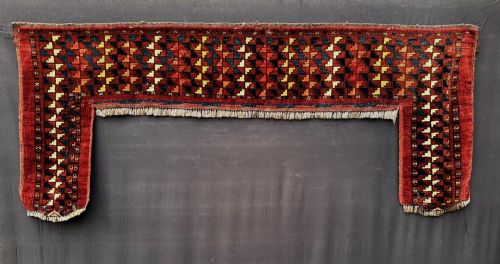
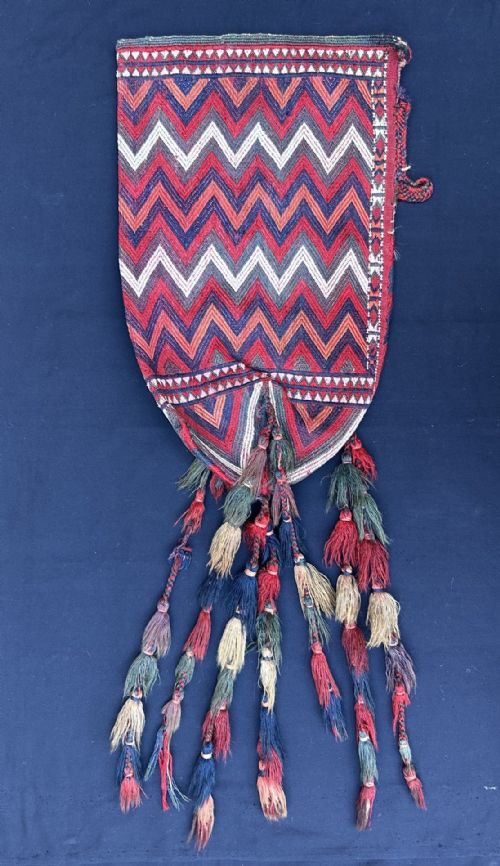
The selection ranges from storage bagfaces and spindle bags to ceremonial wedding camel trappings, tent bands, and embroidered ladies coats known as chyrpys. Each object displays the characteristic iconography and structural formats of its maker tribe.
Quality Variations
Quality in these textiles depends upon the precision of the knotting or weaving, the clarity and depth of the natural dyes, and the integrity of the surviving structure. Finer examples display tightly packed structures and crisp geometric motifs that reveal the weaver's control over the medium.
The vibrancy of the palette and the complexity of the design layout distinguish standard utility objects from exceptional ceremonial pieces like asmalyks and chyrpys. Condition also plays a role, with intact borders and minimal fragmentation preserving the original visual impact of the composition.
Turkmenistan Textile Retail Price Guide 2026
Typical asking prices for turkmenistan textile among the pieces listed under this phrase on Sellingantiques today, from the lower quarter to the upper quarter. They describe what is for sale here now, not the wider market.
Camel adornments carried hopes for prosperity right into the wedding tent.
The Turkmenistan Textile Glossary
- Chuval
- A large storage bag used by nomadic tribes for household possessions. These bags typically feature rectangular formats decorated with tribal guls.
- Asmalyk
- A ceremonial pentagonal trapping hung on the flanks of a bride's camel during wedding processions. These pieces represent some of the most elaborate tribal weaving.
- Torba
- A smaller wall-hanging storage bag used within the yurt for personal items. They display detailed secondary border designs and principal guls.
- Engsi
- A rug designed to hang over the doorway inside a yurt. They feature a characteristic quartered field layout divided by a candelabra motif.
- Cicim
- A supplementary-weft float technique used in flat-woven textiles to create raised geometric patterns. This method adds tactile texture to the surface of the weave.
- Chyrpy
- A ladies ceremonial coat heavily embroidered with silk thread over a ground fabric. These garments signify status and identity within the community.
Turkmenistan Textile: Frequently Asked Questions
What is a Turkmenistan textile?
A Turkmenistan textile is a hand-woven or embroidered artefact created by nomadic and tribal groups in Central Asia, including the Yomut, Teke, and Ersary peoples. These items range from utilitarian storage bags to ceremonial wedding trappings.
They reflect the distinct cultural heritage, regional aesthetics, and traditional lifestyles of the tribes that produced them during the nineteenth and early twentieth centuries.
How were these textiles used?
Nomadic families utilised these textiles for practical daily functions inside portable dwellings called yurts, storing household goods, bedding, and personal possessions in bags like chuvals and torbas. Other pieces served architectural purposes as doorway hangings and tent bands.
Ceremonial items played vital roles in wedding rituals, adorning both the wedding camels and the participants during celebrations to mark significant life events.
How do I live with them?
These textiles integrate well into contemporary interiors as wall hangings, decorative floor rugs, or cushion covers, adding warmth and rich texture to a room. Displaying them away from direct sunlight protects the natural dyes from fading over time.
Rotating the pieces periodically and ensuring proper ventilation helps preserve the historical wool and cotton fibres.
How can I tell the tribes apart?
Tribal attribution relies on identifying specific design elements, colour combinations, and structural formats unique to groups such as the Yomut, Teke, or Ersary. Each tribe utilised characteristic geometric motifs and medallion structures known as guls.
Examining the borders, palette, and secondary ornamentation provides further clues to the origin of a particular piece.