




Turkmenistan Textile Art
These striking turkmenistan textile art pieces bring genuine tribal history and rich nomadic craftsmanship straight into your home.
Turkmenistan Textile Art
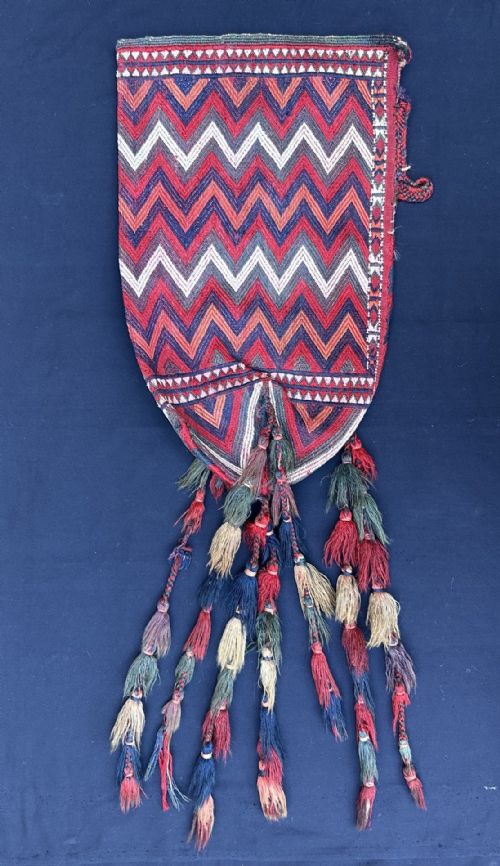
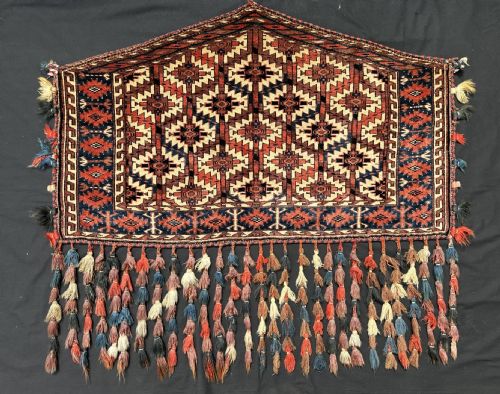
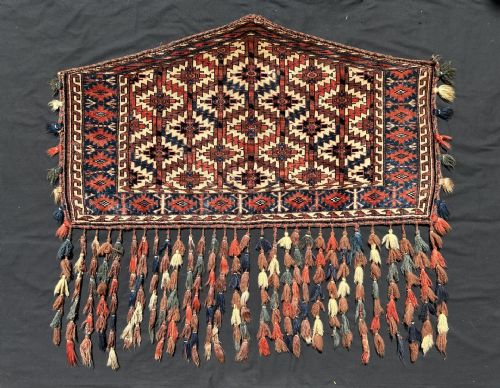
When you search for turkmenistan textile art, you meet woven and embroidered tribal items originating from Central Asian steppes and regions like the Trans-Caspian steppes and Merv oasis. The selection includes ceremonial coats, asmalyks, torbas, kap, dizlyks, uk bash, spindle-bags, and fragments created by tribes such as the Yomut, Karadashli, and Teke.
Most examples you encounter on this page date from the nineteenth century, stretching back to the eighteenth century. These nomadic objects served practical and ceremonial roles within tribal life before entering the collector market.
How They Were Made
Artisans constructed these pieces using wool, hand-spun wool, cotton, linen, and silk materials. Silk embroidery appears on ceremonial coats, while woven items rely heavily on wool foundations.
Makers utilised natural dyes to colour the textiles, achieving deep tones characteristic of tribal weaving traditions across Central Asia.
Turkmenistan Textile Art Retail Price Guide 2026
Typical asking prices for turkmenistan textile art among the pieces listed under this phrase on Sellingantiques today, from the lower quarter to the upper quarter. They describe what is for sale here now, not the wider market.
Camels wore finer tailoring than most humans when draped in intricate Yomut wedding asmalyks.
What Varies in Quality
The sophistication of the tribal design and the fineness of the hand-spun wool or silk embroidery set individual works apart. Pieces retaining clear tribal iconography and intact structure show superior artistic execution.
The preservation of natural dye colours and the precision of the weave determine the visual impact of each textile.
The Turkmenistan Textile Art Glossary
- Asmalyk
- A camel caparison or trapping made for wedding processions. These pentagonal hangings display intricate tribal patterns.
- Torba
- A small storage bag used within nomadic tents. They feature wide horizontal formats with repeating gushli or gul motifs.
- Chyrpy
- A ladies ceremonial coat heavily embroidered with silk thread. These garments display distinctive floral designs over a ground fabric.
- Mafrash
- A rectangular storage bag face or panel used for bedding. They form part of the essential furnishings of a nomadic household.
Turkmenistan Textile Art: Frequently Asked Questions
How were these textiles used?
Nomadic families utilised these items for daily storage, tent decoration, and major life ceremonies such as weddings. Bag faces held household goods, while asmalyks adorned wedding camels.
Ceremonial coats like chyrpys served as status garments worn by women during important community gatherings.
How do I display them?
Many collectors mount these flat textiles on walls as decorative hangings to preserve their structure. Proper support prevents stretching along the wool or linen foundations.
Keeping pieces away from direct sunlight protects the natural dyes from fading over time.
How do I date these pieces?
Dating relies on examining the materials, natural dye usage, and tribal structure typical of nineteenth-century and earlier production. Stylistic markers connect specific designs to periods ranging from the eighteenth century onward.
Expertise in tribal weaving traditions helps distinguish older nomadic pieces from later reproductions.