




Turkmenistan Carpet
These tribal works are the woven heritage of Central Asian nomads, prized for deep reds and precise geometric guls.
Turkmenistan Carpet
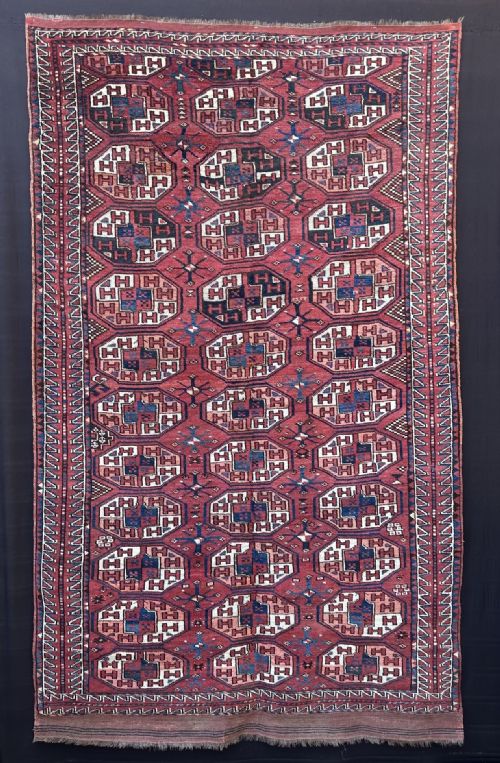
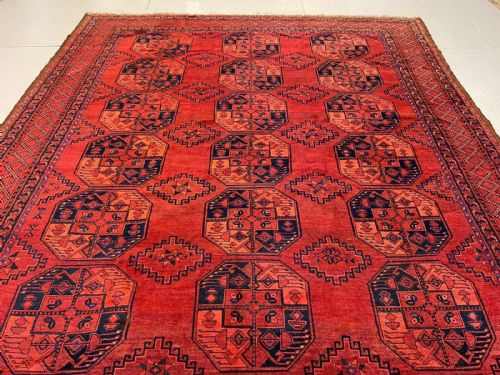
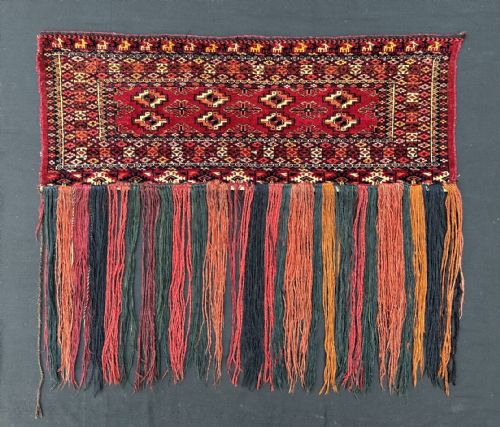
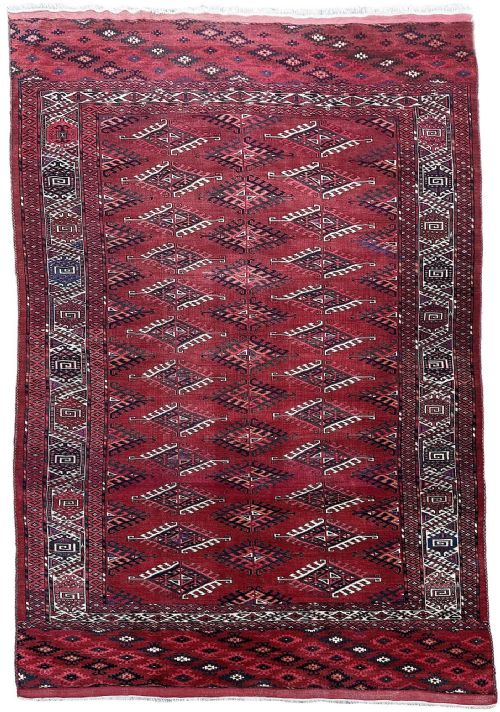
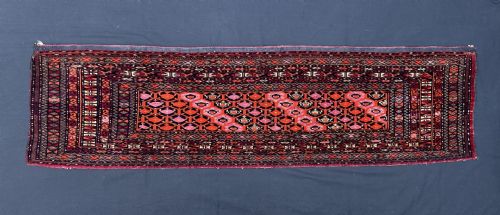
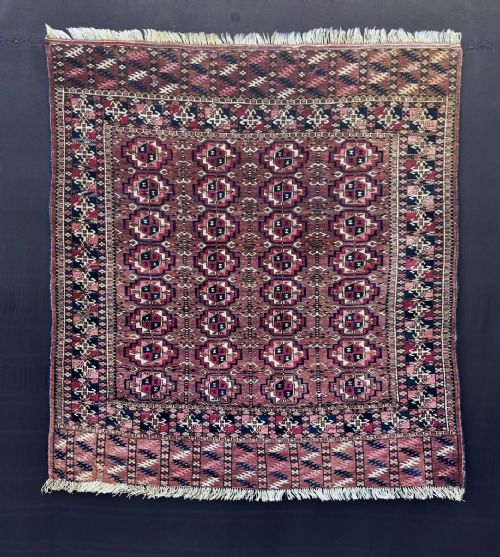
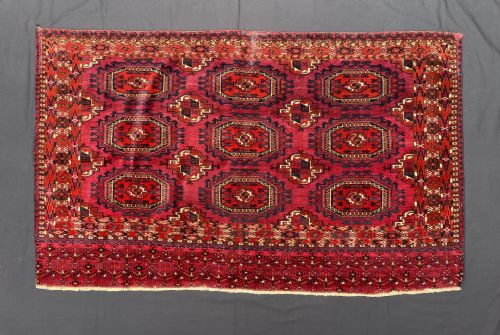
A turkmenistan carpet encompasses knotted-pile rugs, tent bands, and smaller utilitarian trappings woven across Central Asian oases and steppes. The examples seen here include main carpets, wedding rugs, prayer rugs, and various storage bags such as chuvals and torbas.
Most pieces date from the nineteenth century, originating from tribal groups like the Yomut, Teke, Ersary, and Kizyl Ayak. These items served functional roles in nomadic life, functioning as floor coverings, camel trappings, and yurt decorations before entering the decorative market.
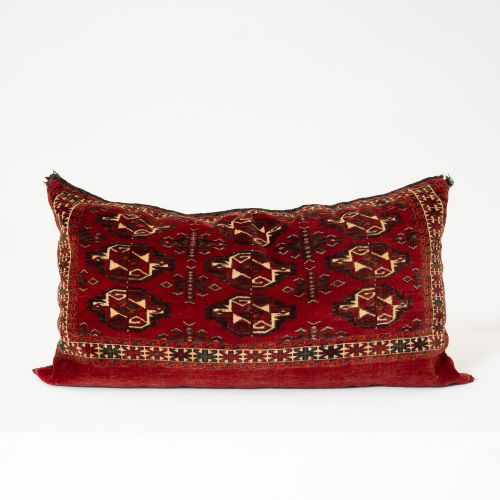
Formats range from large floor carpets down to small cushions, saddle rugs, and wall hangings. Collectors frequently encounter specific tribal formats like the engsi or asmalyk, each tied to distinct domestic and ceremonial customs.
Materials and construction methods
Weavers utilised wool for the pile, often hand-spun to create varied texture and light reflection across the surface. Foundation structures commonly incorporate cotton and linen, providing stability to the dense knotting required for nomadic textiles.
Natural dyes produced the characteristic deep madder reds, browns, and contrasting ivory or dark tones seen in these pieces. Skilled dyers achieved rich hues that mellow gracefully over decades of exposure and use.
Turkmenistan Carpet Retail Price Guide 2026
Typical asking prices for turkmenistan carpet among the pieces listed under this phrase on Sellingantiques today, from the lower quarter to the upper quarter. They describe what is for sale here now, not the wider market.
Camels wore elaborate pentagonal trappings during weddings, ensuring the animals looked adequately dressed for the festivities.
Factors of distinction
Knot density and precision of the repeating gul motifs dictate the baseline execution of a weaving. Finer knots allow for sharper definition within intricate geometric borders and central medallions.
The vibrancy and depth of natural dye palettes separate standard examples from superior works. Subtle shifts in colour depth, often called abrash, demonstrate skilled dye application and wool selection.
The Turkmenistan Carpet Glossary
- Gul
- A primary octagonal medallion motif repeated across the field of a carpet. Different tribes utilised specific gul variations to signal regional identity.
- Chuval
- A large rectangular storage bag utilised within nomadic dwellings. These pieces typically feature rows of guls on the face and flat-woven backs.
- Engsi
- A tribal door hanging placed at the entrance of a yurt. They feature a distinct quartered design scheme separated by a candelabra-like tree motif.
- Asmalyk
- A pentagonal trapping hung on the flanks of a camel during wedding processions. These decorative textiles display elaborate secondary detailing.
- Soumak
- A flat-woven technique where coloured weft threads wrap around warp threads in a continuous herringbone pattern. This method creates a sturdy, non-pile textile structure.
Turkmenistan Carpet: Frequently Asked Questions
How were these rugs used originally?
Nomadic families utilised these textiles for floor insulation, bedding storage, and interior decoration within circular felt tents called yurts. Many items served specific ceremonial functions during weddings and tribal gatherings.
Larger carpets lined the floor spaces, while smaller bags hung along the lattice walls to organise household possessions and provisions.
How do I identify different tribal groups?
Different tribal groups relied on distinct structural motifs, primary colour palettes, and border designs to mark their work. Yomut and Teke weavers often deployed specific variations of octagonal guls.
Examining the selvedges, end finishes, and secondary minor ornaments helps attribute a piece to regions like the Merv Oasis or the Amu Darya basin.
Where should I place a textile at home?
Smaller trappings and bagfaces function well as wall hangings or table covers where foot traffic remains light. Main carpets suit low-traffic living spaces or studies.
Keeping textiles away from direct sunlight protects the natural madder dyes from fading over extended periods.
What is a tent band?
A tent band is a long, narrow woven strip utilised structurally to secure the wooden lattice frame of a yurt. These bands combine utilitarian strength with decorative geometric patterns.
They display dense supplementary weft-float weaving techniques running the entire length of the strap.