






Turkish Scatter Rug
A turkish scatter rug brings authentic Anatolian warmth to a floor, offering rich tribal patterns woven in wool and cotton.
Turkish Scatter Rug
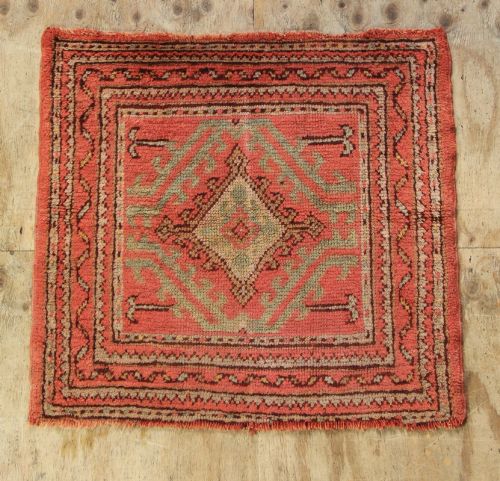
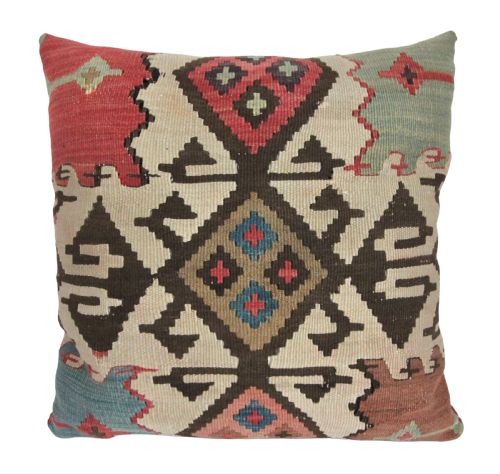
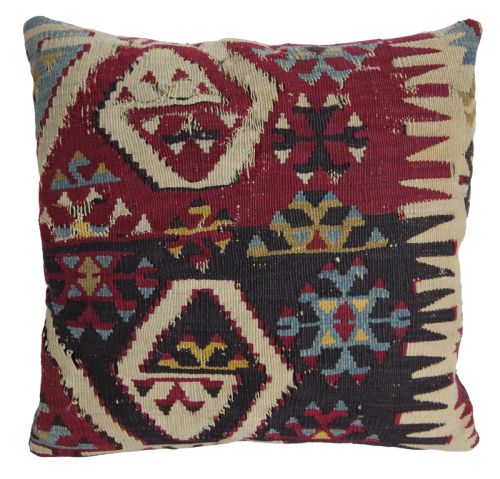
A turkish scatter rug is a smaller floor covering or cushion originating from Anatolian workshops and nomadic tribes. These pieces bridge traditional craft and domestic utility, serving as mats, area rugs, or decorative cushions.
The most common forms on this page include antique kilim cushions alongside small knotted pile rugs from Central Anatolia. They date across the nineteenth and early twentieth centuries, displaying tribal designs rooted in regional heritage.
How they were made
Weavers constructed these textiles predominantly using natural wool and cotton fibres, spun by hand and dyed with regional pigments. The materials provide a durable structure suited to daily handling.
Techniques range from flatweave kilim construction used for cushions to knotted pile methods seen in mats and rugs. These traditional methods ensure each textile holds a distinct physical texture.
Turkish Scatter Rug Retail Price Guide 2026
Typical asking prices for turkish scatter rug among the pieces listed under this phrase on Sellingantiques today, from the lower quarter to the upper quarter. They describe what is for sale here now, not the wider market.
Many of these cushions began life as larger floor coverings before finding new purpose through careful conversion.
What varies in quality
Quality rests in the tightness of the weave and the clarity of the tribal patterns executed by the maker. Finer textiles exhibit precise geometry and consistent tension throughout the wool and cotton structure.
Condition and integrity of the original fibres also set superior examples apart from standard domestic pieces. Strong structural retention in older kilims and rugs dictates the upper tier of the range.
The Turkish Scatter Rug Glossary
- Kilim
- A flatweave textile produced without a pile, commonly utilised for cushions and lightweight floor coverings. This technique allows for sharp geometric designs.
- Anatolian
- Pertaining to the geographic region of Asia Minor, encompassing traditional weaving styles from various local tribes and towns. It defines the origin of these rugs.
- Pile
- The raised surface of a knotted rug formed by the cut ends of yarn. It provides depth and softness underfoot.
- Oushak
- A traditional style of rug originating from the town of Usak in western Anatolia, known for distinctive knotting and wool quality. These mats hold historical importance in textile collecting.
Turkish Scatter Rug: Frequently Asked Questions
How do I clean a turkish scatter rug?
Gentle surface brushing and professional specialist cleaning preserve the natural wool and cotton fibres without damaging the dyes.
Avoid soaking or harsh chemical treatments that weaken antique materials.
Can I use these rugs on heated floors?
Natural fibres handle moderate ambient warmth well when placed over breathable underlays.
Ensure adequate airflow beneath the textile to prevent moisture accumulation.
What is the difference between a kilim and a rug?
Kilims are woven flat without a raised pile, whereas traditional rugs feature knotted pile construction.
This structural difference changes the texture and weight of each piece.
How do I date an antique rug?
Dating relies on material analysis, dye characteristics, and traditional structural motifs recorded in nineteenth-century examples.
Comparison with documented regional styles helps place the piece within a specific era.