



Tufted Velvet Seat
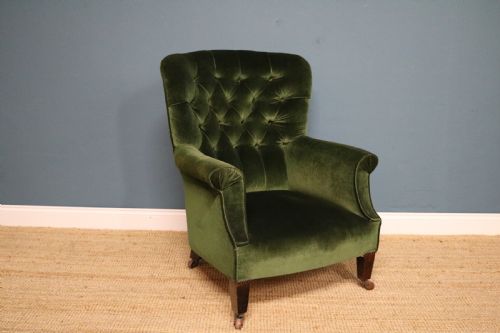
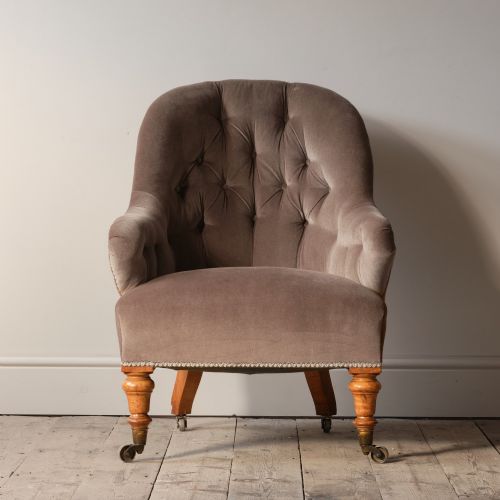
A tufted velvet seat brings deep-buttoned textile texture and substantial seating to an interior, drawn largely from Victorian and nineteenth-century traditions.
Tufted Velvet Seat
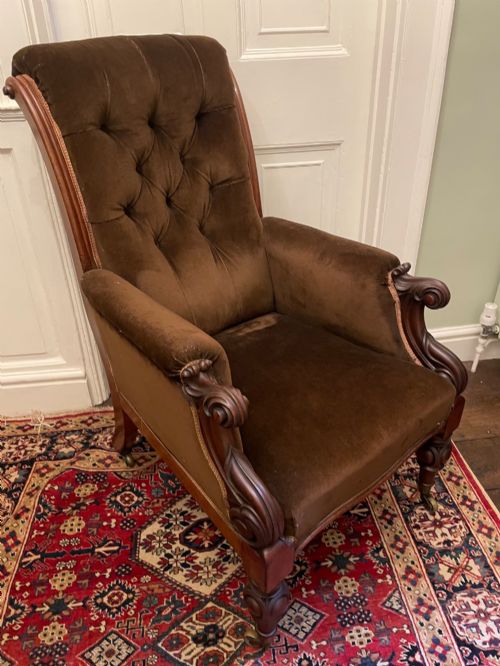
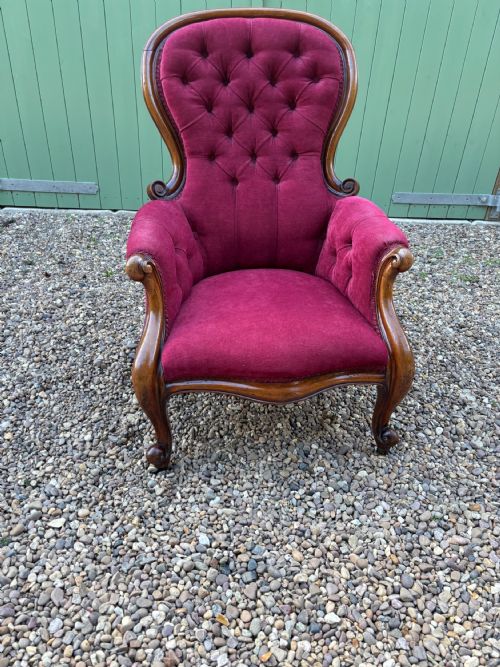
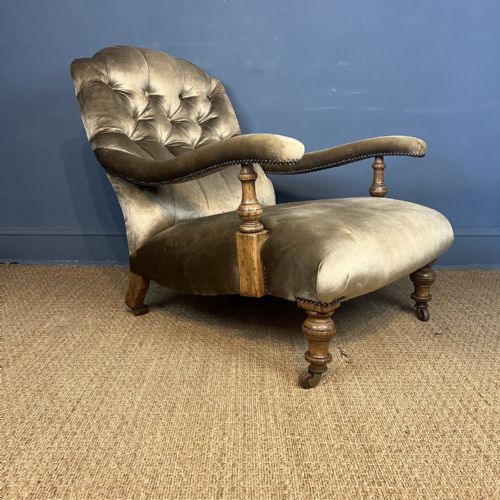
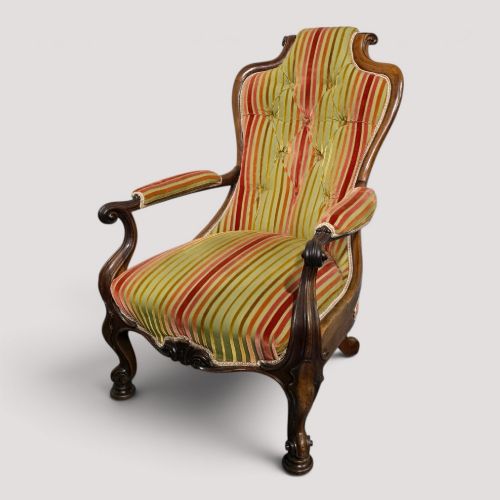
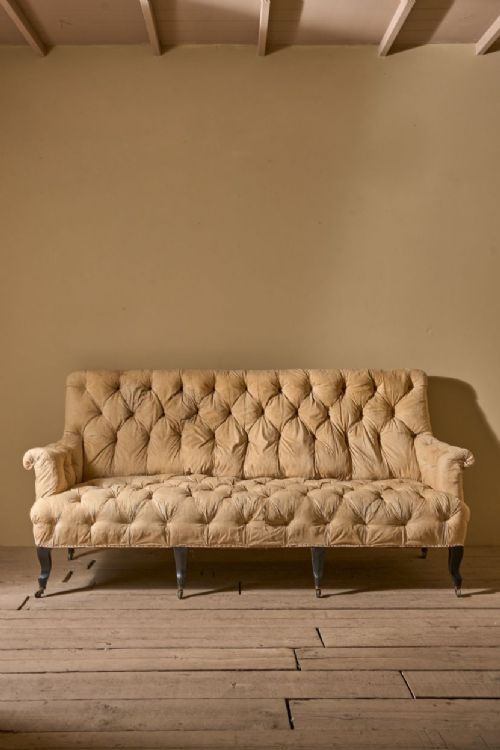
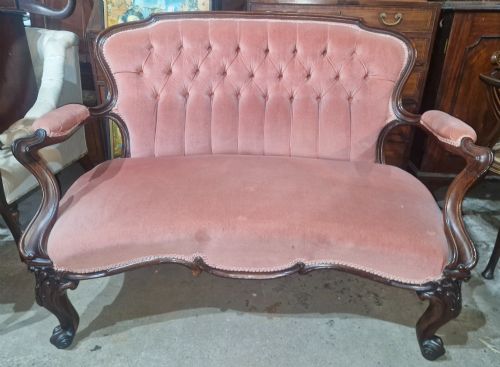
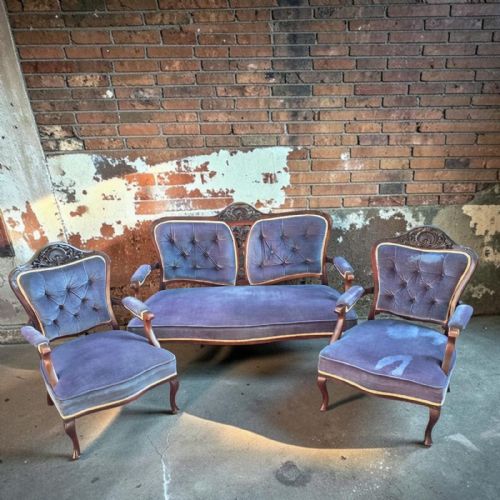
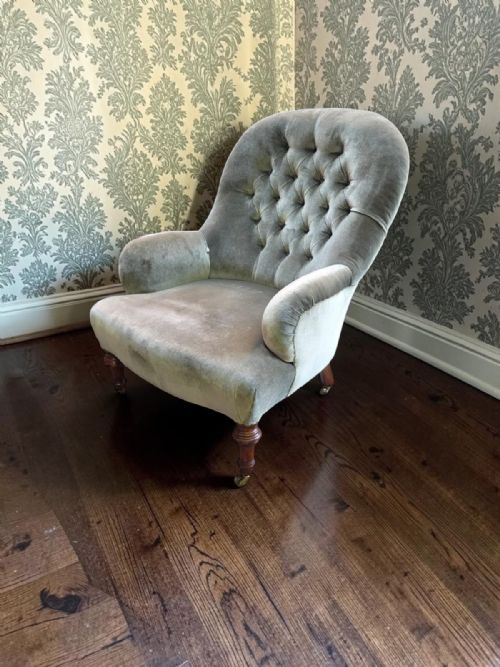
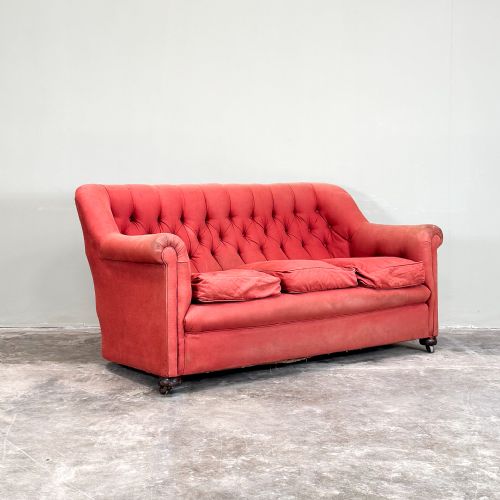
When searching for a tufted velvet seat, buyers encounter a diverse array of upholstered furniture forms including armchairs, nursing chairs, day beds, and large sofas. The selection spans the nineteenth century up through Edwardian and nineteen-thirties pieces, dominated heavily by Victorian button-backed designs in walnut, mahogany, and rosewood.
The physical configurations range from intimate salon chairs and conversation seats to sprawling country house settees and chaise longues. These pieces serve both functional lounging purposes and decorative roles within period and eclectic interiors alike.
How these seats were made
The structural frames rely predominantly upon dense hardwoods such as mahogany, walnut, rosewood, oak, and general hardwood timbers. These sturdy frames support elaborate upholstery work executed in rich velvet fabrics.
Deep buttoning techniques create the characteristic tufted surface geometry, pulling the fabric securely into the interior padding. Additional decorative detailing often incorporates brass elements and tassel trims to finish the edges.
Tufted Velvet Seat Retail Price Guide 2026
Typical asking prices for tufted velvet seat among the pieces listed under this phrase on Sellingantiques today, from the lower quarter to the upper quarter. They describe what is for sale here now, not the wider market.
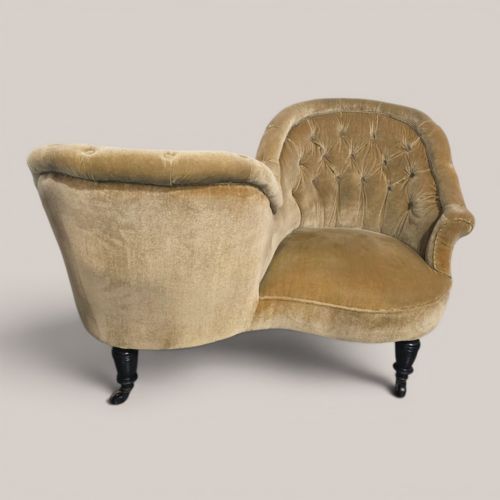
Conversation sofas let two people chat face-to-face without getting a stiff neck from twisting around.
What varies in quality
The distinction between tiers of quality rests in the sculptural integrity of the timber framing and the precision of the upholstery work. Finer examples display deeply carved woodwork, balanced proportions, and resilient, symmetrical tufting across the velvet surface.
Maker attribution elevates certain pieces, particularly when associated with notable nineteenth-century cabinet makers or distinct stylistic traditions like the Howard style. The harmonious integration of frame material with high-grade velvet upholstery determines the overall execution.
Blyth & Sons·Robert Strahan & Co·Howard and Sons
The Tufted Velvet Seat Glossary
- Button back
- A traditional upholstery method where buttons are pulled deep into the padding to secure the fabric in a diamond pattern. This creates the signature tufted appearance seen on Victorian seats.
- Conversation sofa
- A specialised multi-seated furniture form designed to allow occupants to converse while facing different directions. These often feature elaborate central wooden framing.
- Spoon back
- An upholstered chair back shaped similarly to the bowl of a spoon, popular during the Victorian period. It contours to support the human spine.
- Fauteuil
- An open-armed French armchair with an exposed wooden frame, typically upholstered on the seat and back. They appear in revival styles alongside domestic British seating.
Tufted Velvet Seat: Frequently Asked Questions
What is a tufted velvet seat?
A tufted velvet seat is an upholstered furniture piece featuring deep buttoning that creates a gathered, textured velvet surface. These items encompass armchairs, sofas, and chaise longues originating largely from the nineteenth century.
They combine robust hardwood frames with soft textile coverings designed for comfortable domestic lounging.
How do I identify a Victorian tufted seat?
Victorian examples typically present dense mahogany or walnut frames paired with button-backed velvet upholstery. Look for traditional forms such as spoon-backed armchairs, nursing chairs, and salon suites.
Finer pieces may exhibit hand-carved wooden details and sturdy nineteenth-century construction methods.
Where were these seats used historically?
These seats occupied formal drawing rooms, libraries, and intimate bedroom suites in grand houses. Conversation seats and large settees were built to anchor central spaces for entertaining.
Smaller nursing chairs and slipper chairs served more private domestic quarters.
How do I care for antique velvet?
Antique velvet requires gentle brushing to maintain the pile and prevent dust accumulation over time. Avoid harsh chemical cleaners and excessive direct sunlight to protect the textile.
Professional textile conservation ensures the delicate fabric and underlying tufting remain preserved.