





Tudor Oak Furniture
Tudor oak furniture brings heavy timber and dark patination into a room, offering genuine historic presence through solid construction.
Tudor Oak Furniture
When you search for tudor oak furniture, you enter a field defined by heavy timber construction, dark patination, and centuries of domestic use. The pieces appearing here span from actual sixteenth- and seventeenth-century survivals to later revival interpretations made in the nineteenth and twentieth centuries.
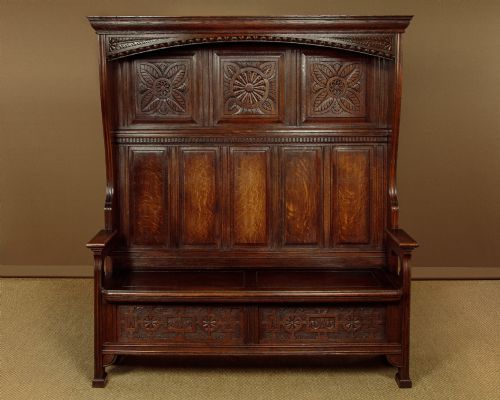
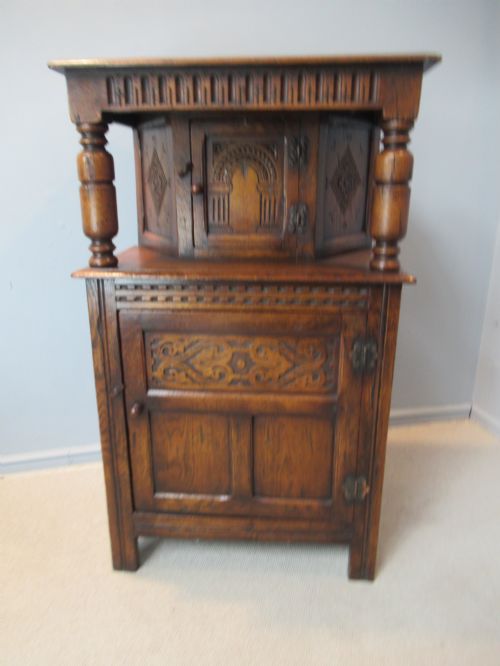
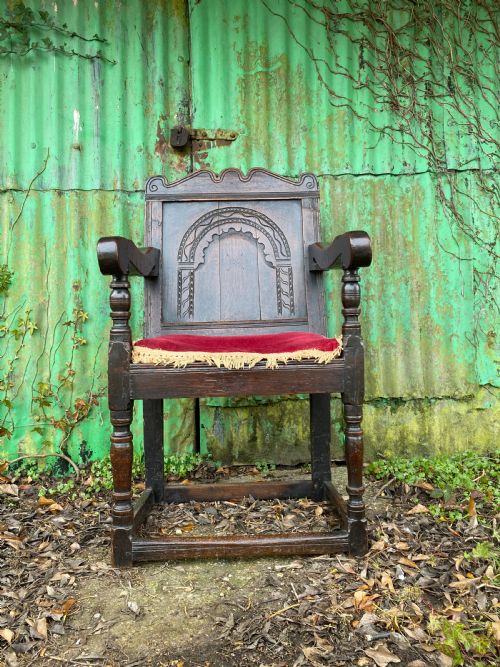
You will encounter storage forms such as coffers, chests, and court cupboards alongside seating including joint stools, wainscot chairs, and settles. Many of these items originate from English workshops utilising native timber.
The selection ranges from boarded chests dating to the fifteen-sixties through to nineteen-twenties revival pieces that mimic earlier carving styles. Buyers must therefore examine construction methods carefully to distinguish between sixteenth-century originals and later period revivals.
What varies in quality
Quality in these pieces depends heavily on the integrity of the timber and the depth of the hand-carving. Early examples show tool marks and natural shrinkage that signal genuine age.
Later revival pieces vary according to the fidelity of their joinery and whether the maker used solid timber throughout or incorporated mixed wood inlay. Original hardware and undisturbed surface patination elevate a piece above items that have undergone extensive timber replacement.
Tudor Oak Furniture Retail Price Guide 2026
Typical asking prices for tudor oak furniture among the pieces listed under this phrase on Sellingantiques today, from the lower quarter to the upper quarter. They describe what is for sale here now, not the wider market.
Materials appearing across the inventory range from wrought iron and glass to velvet and mixed wood inlay.
The Tudor Oak Furniture Glossary
- Coffer
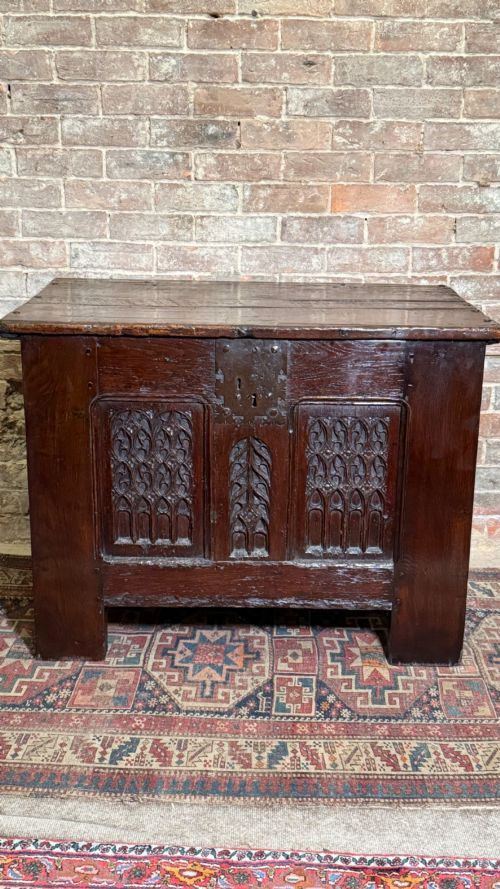
- A heavy storage chest with a hinged lid, typically constructed from solid oak boards or framed panels. These pieces served multiple domestic functions including seating and table surfaces.
- Joint Stool
- A small wooden stool constructed using tight mortise and tenon joinery rather than turned legs driven into a seat. They provided sturdy seating around early dining tables.
- Wainscot Chair
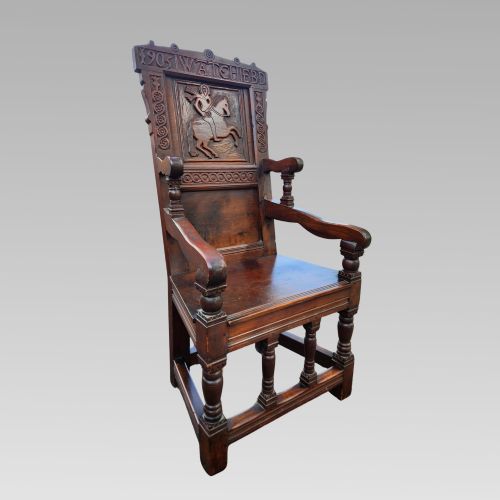
- An armchair constructed from solid oak with a panelled wooden back and panelled seat. They represent status and substantial carpentry from the sixteenth and seventeenth centuries.
- Court Cupboard
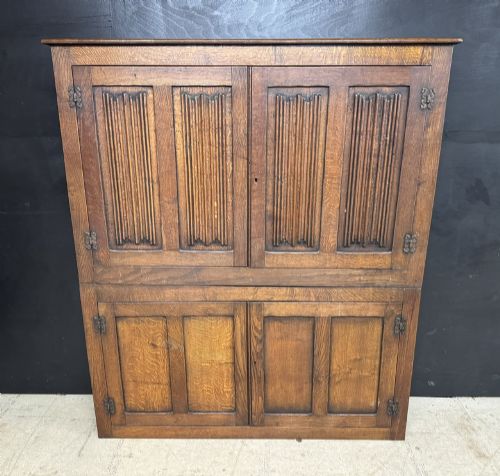
- An enclosed cabinet used for displaying plate and storing household provisions, often featuring carved upper and lower tiers. These form prominent case pieces in early domestic interiors.
- Linenfold
- A style of carved wooden panelling that resembles folded parchment or fabric. This ornamentation appears frequently on sixteenth-century panels and later revival cabinet doors.
Tudor Oak Furniture: Frequently Asked Questions
How do I spot a reproduction?
Examine the timber shrinkage, tool marks, and construction joints to determine age. Modern machine sawing leaves different traces than hand-rived and adzed boards from the sixteenth century.
Check for consistency in patination and wear patterns around high-contact areas like feet and lid edges. Later revivals often display uniform colour and machine-cut tenons.
Can I use these pieces daily?
Solid oak construction makes these items exceptionally durable for everyday domestic use. Joint stools and benches handle regular seating well when placed on level floors.
Keep them away from direct heat sources and sudden humidity changes to protect the ancient timber. Maintaining stable room conditions prevents shrinkage cracks in the panels.
What is a wainscot chair?
A wainscot chair is a heavy wooden armchair built with panelled construction typical of sixteenth- and seventeenth-century carpentry. They were costly items reserved for the head of a household.
These chairs feature solid wooden seats and high backs decorated with carved panels or strapwork. Their sturdy frame relies on pegged joinery rather than glue.
How do I clean old oak?
Dust the surface regularly with a soft, dry cloth to prevent grit accumulation in the carved recesses. Avoid modern liquid polishes that build up sticky residues over the historic wax.
Feed dry timber occasionally with traditional beeswax applied sparingly and buffed thoroughly. This preserves the dark patination built up over centuries of handling.