


Tribal Wall Art
When you explore tribal wall art, you encounter nomad weavings, embroideries, and carved objects carrying centuries of regional heritage.
Tribal Wall Art
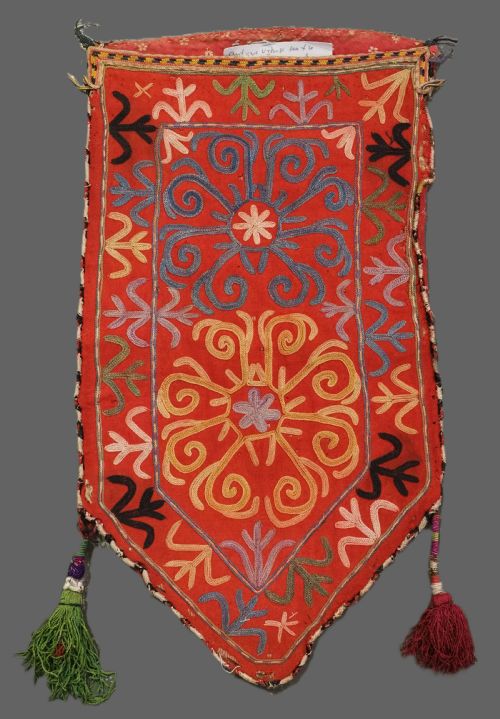
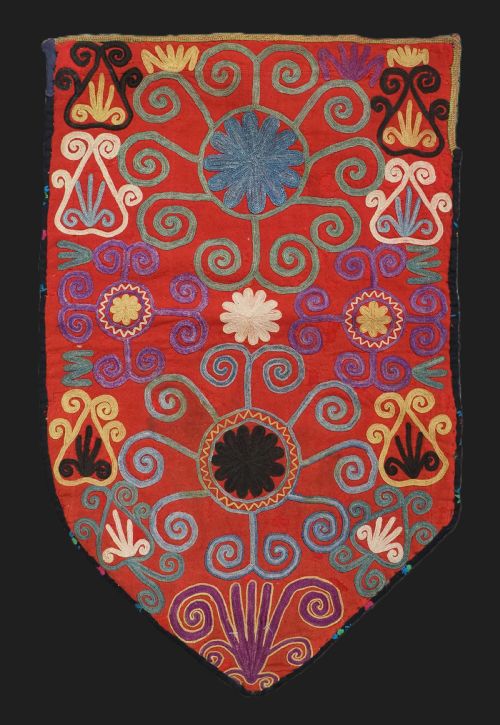
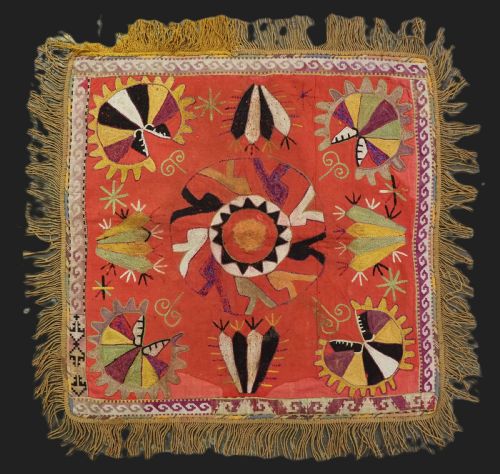
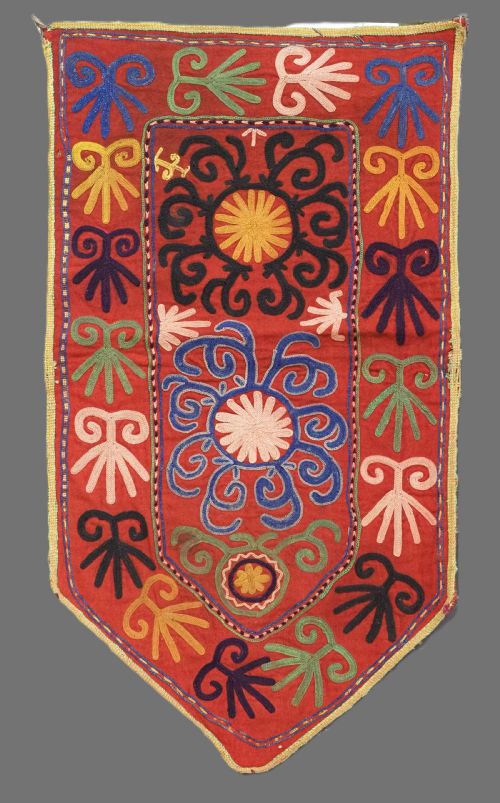
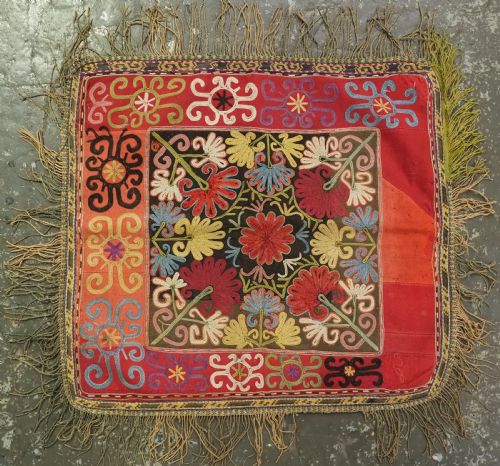
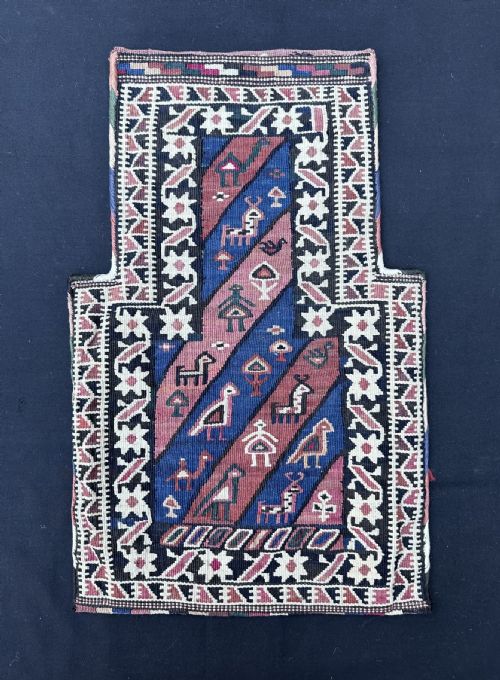
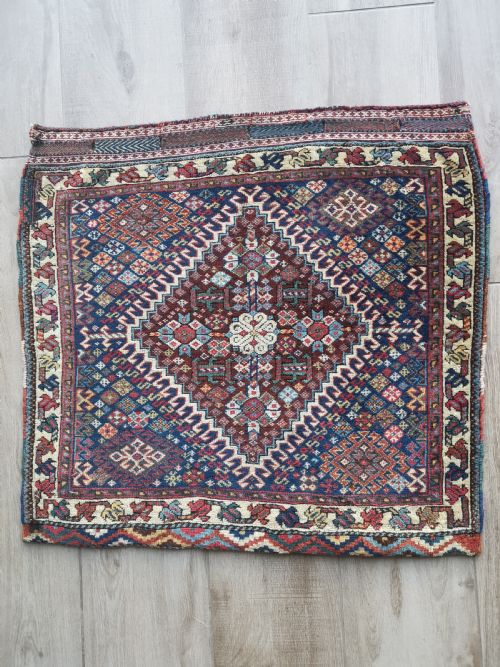
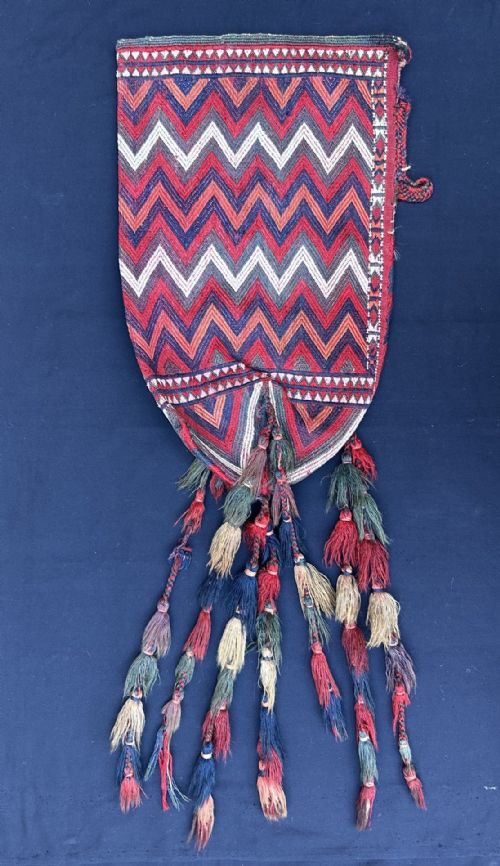
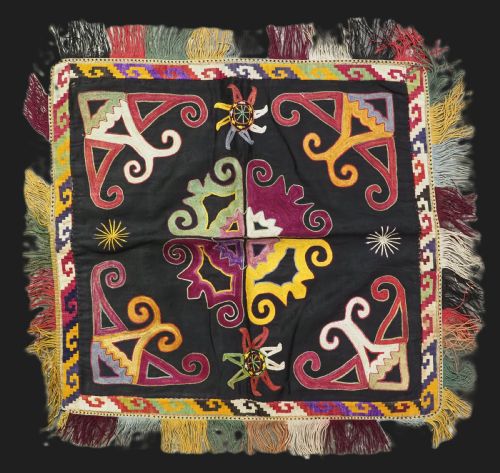
Tribal wall art brings together nomadic textiles, embroideries, and carved objects originating from Central Asia, Persia, and Africa. When browsing these listings, you meet pieces conceived for daily nomadic life, such as saddle-bags, dowry panels, and storage trappings, which now function as striking wall hangings and textile art.
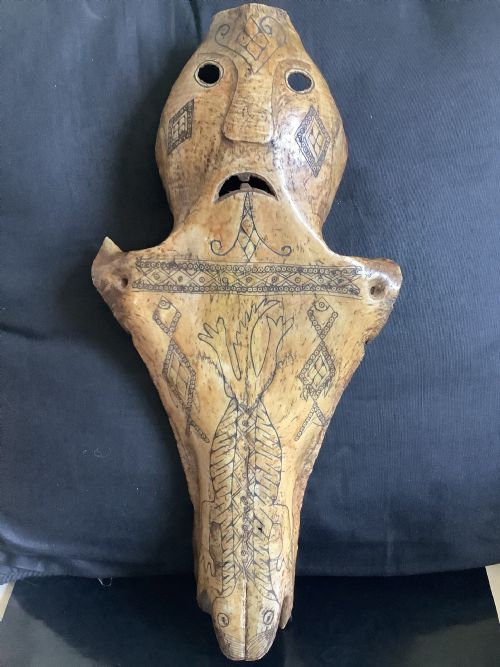
The selections span from the mid-nineteenth century into the Edwardian era, highlighting specific tribal groups like the Yomut, Lakai, and Afshar. Items range from intricate silk-embroidered suzanis and felt wall panels to carved wooden sculptures and bone-inlaid artefacts.
Materials and construction methods
The textiles rely heavily on hand-spun wool, cotton, and silk, often coloured using natural dyes derived from plants and minerals. Artisans combined flatweave, pile-weaving, and dense embroidery techniques to create durable surfaces meant to withstand hard usage.
Rigid pieces incorporate carved wood, bone, and brass elements, frequently utilising inlay work or repousse framing. These traditional methods ensure the structural integrity of bags, panels, and decorative plaques.
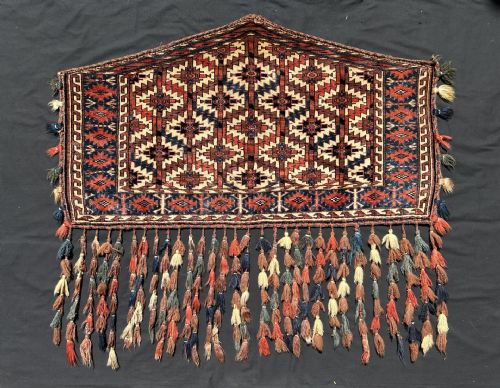
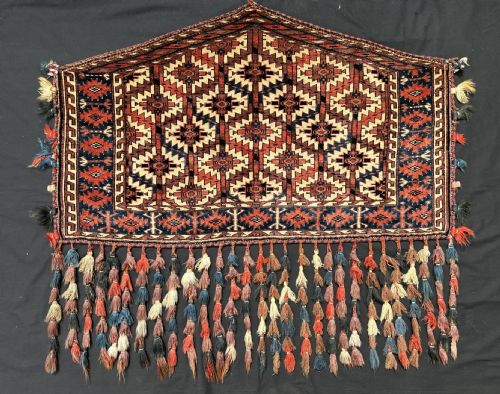
Camels once wore elaborate asmalyk trappings to weddings, which now enjoy a peaceful retirement hanging quietly on living room walls.
Variations in quality and execution
Quality rests upon the fineness of the spin, the precision of the tribal motifs, and the complexity of the colour palette. Pieces displaying tightly packed stitches, balanced proportions, and vibrant natural dyes stand apart from simpler iterations.
The condition of the fibres and the retention of original borders or backing materials also influence the standing of a piece. Superior examples exhibit harmonious composition and skilled handling of traditional iconography by the maker.
The Tribal Wall Art Glossary
- Asmalyk
- A large, often pentagonal trapping made by Turkmen tribes, traditionally hung on the flank of a bride's camel during wedding processions.
- Suzani
- A large, decorative silk or cotton embroidered textile made in Uzbekistan and surrounding regions, traditionally stitched as part of a bride's dowry.
- Torba
- A small storage bag produced by Central Asian nomads, featuring intricate pile or flatweave designs used inside tents.
- Ilgich
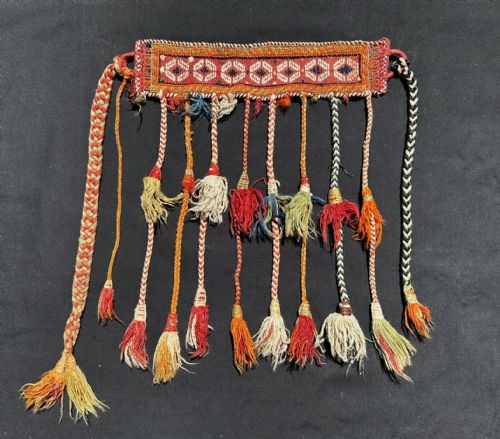
- A hanging embroidery piece produced by the Lakai tribe of Uzbekistan, utilised for domestic decoration and wall display.
- Chanteh
- A small nomadic vanity or carrying bag, woven in Persia using traditional tribal patterns.
Tribal Wall Art: Frequently Asked Questions
How were these tribal textiles originally used?
Many items functioned as practical storage containers, horse trappings, or dowry items within nomadic camps. Bags held salt, tobacco, or bedding, while embroideries celebrated marriages and decorated the interior of tents.
Over time, these utilitarian objects transitioned into decorative elements for homes. Their rich patterns and cultural history make them well-suited for display as wall textiles.
How do I hang antique textiles safely?
Mounting heavy woollens or delicate silk embroideries requires careful distribution of weight across the entire top edge. Conservation-grade velcro or a sleeve stitched to the reverse allows the piece to hang flat without pulling individual threads.
Keep mounted textiles away from direct sunlight and excessive humidity to protect the natural dyes and fibres. Rotating pieces periodically helps prevent uneven wear.
What regions do these pieces come from?
The inventory originates primarily from Central Asia, Persia, and various African regions. Turkmen, Uzbek, Qashqai, and Afshar tribes are strongly represented through their distinctive weaving and embroidery traditions.
Geographic origins dictate the specific motifs, colour palettes, and structural techniques employed. Each tribal group maintained a distinct visual vocabulary passed down through generations.
How can I tell different tribal designs apart?
Distinguishing between groups involves studying the repeating motifs, border structures, and colour combinations unique to each region. Yomut Turkmen pieces often feature specific gul octagons, while Lakai embroideries display characteristic curvilinear motifs.
Familiarity with regional materials, such as specific wool textures or silk highlights, further aids identification. Comparing pieces against documented tribal styles clarifies their provenance.