






Tribal Textile Art
When you search for tribal textile art, you uncover nomadic weavings and embroideries created for domestic or ceremonial utility across Central Asia and Persia.
Tribal Textile Art
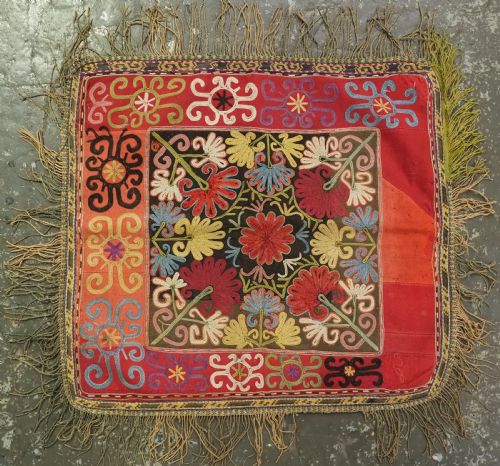
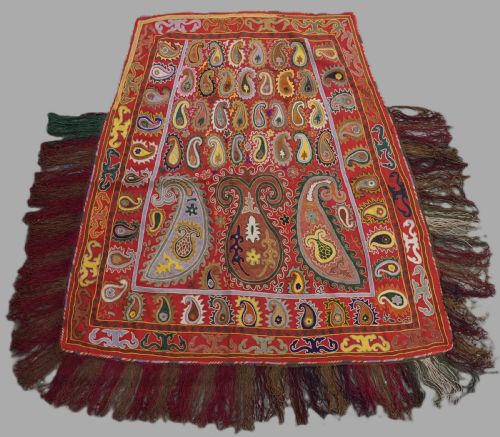
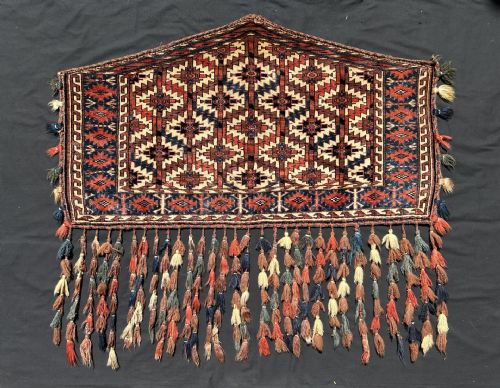
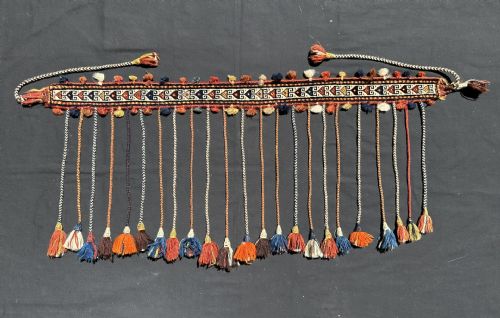
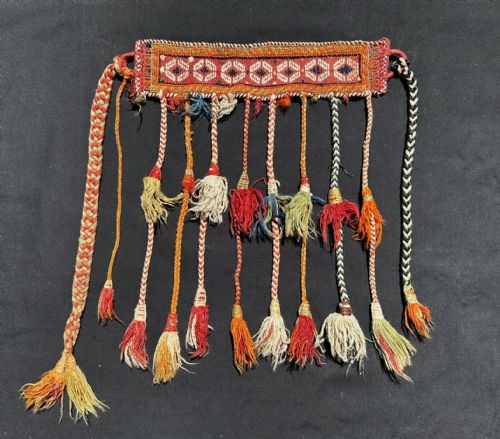
When buyers search for tribal textile art, they encounter utilitarian objects made by nomadic and village groups, including dowry embroideries, storage bags, animal trappings, and wall hangings. These pieces originate primarily from Central Asian and Persian regions, encompassing specific tribal groups such as the Uzbek Lakai, Yomut Turkmen, and Qashqa'i nomads.
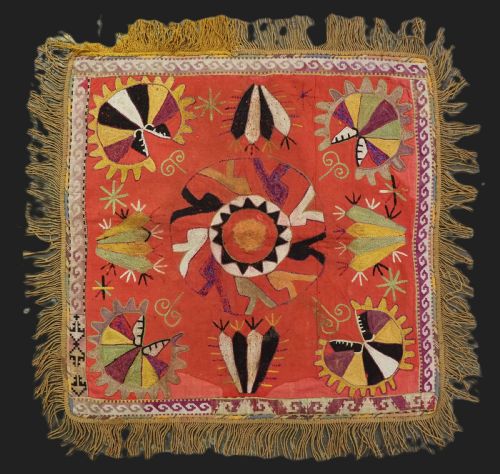
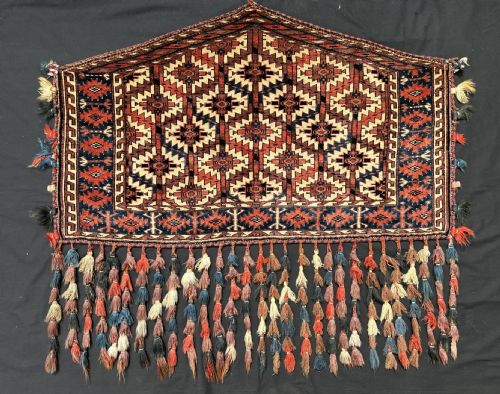
The most common examples on this page are wall hangings, bag faces, and utilitarian covers dating from the nineteenth century into the early twentieth century. Many items served functional roles in nomadic households or transport before transitioning into decorative textile art.
Materials and construction
The makers relied on hand-spun wool, cotton, and silk, frequently coloured with natural dyes that yield rich, variable tones. Weavers utilised techniques such as flatweave, pile knotting, and intricate embroidery to decorate surfaces.
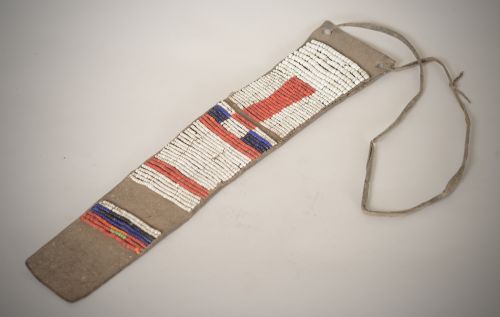
Support materials such as leather, wood, and glass occasionally appear in beadwork, structural elements, or mounted objects. Felt panels and ikat designs also demonstrate the range of textile traditions across the steppes and provinces.
Tribal Textile Art Retail Price Guide 2026
Typical asking prices for tribal textile art among the pieces listed under this phrase on Sellingantiques today, from the lower quarter to the upper quarter. They describe what is for sale here now, not the wider market.
Listings feature nineteenth and early twentieth century wool, cotton, and silk textiles from Central Asian and Persian tribal groups.
Evaluating quality in nomadic weavings
Quality rests upon the fineness of the hand-spinning, the precision of the needlework or weave, and the depth of the natural dyes. Pieces that retain vibrant, harmonious colour palettes and tight, even structures generally represent the higher tier of the range.
Another factor is the complexity and integrity of the design layout, whether in a dowry embroidery or a tribal bag face. Original functional completeness, such as surviving backs on spindle bags or intact embroidery details, elevates the standing of an individual piece.
The Tribal Textile Art Glossary
- Asmalyk
- A large, five-sided ceremonial trapping produced by Turkmen tribes, traditionally hung on the flanks of a bride's camel during wedding processions. These decorative pieces display intricate geometric or guls motifs.
- Torba
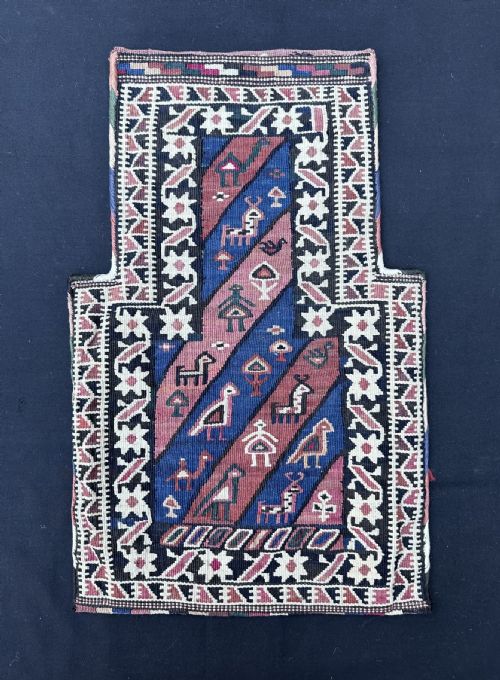
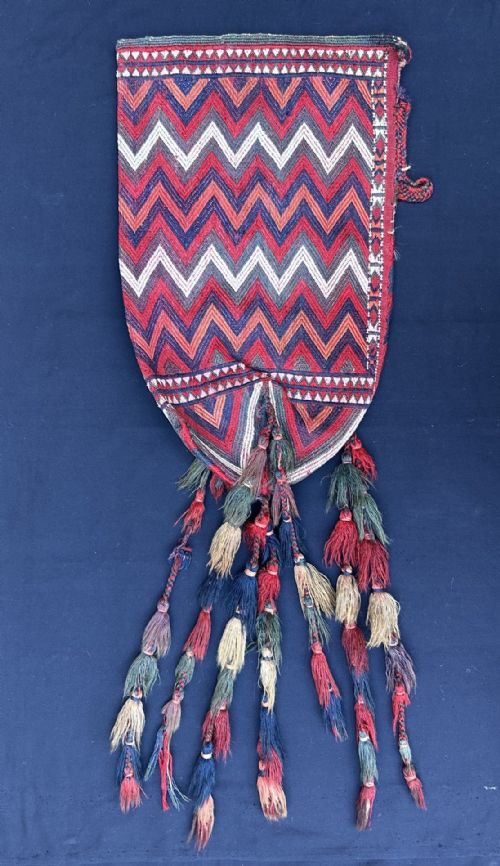
- A small storage bag woven or embroidered by nomadic groups for domestic use inside a yurt or tent. They frequently feature banded designs or striking tribal medallions.
- Ilgich
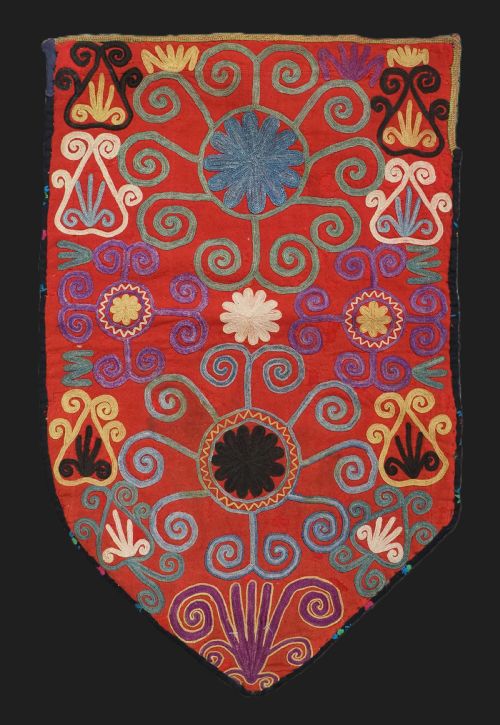
- A dowry embroidery created by Uzbek Lakai tribes, typically utilised as a wall hanging or decorative tent furnishing. These textiles are known for dynamic, curvilinear needlework.
- Suzani
- A large, silk-embroidered wall hanging or textile panel originating from Uzbekistan and surrounding regions. They are worked with distinctive floral and geometric motifs on cotton or linen foundations.
- Chanteh
- A small nomadic vanity bag or miniature container used for personal possessions. They showcase the characteristic pile or flatweave techniques of Persian and Kurdish weavers.
Tribal Textile Art: Frequently Asked Questions
What are tribal textile art pieces?
These pieces are functional and ceremonial nomadic items, including embroideries, saddle covers, bag faces, and wall hangings made by tribal groups in Persia and Central Asia.
They reflect the traditional domestic and wedding customs of makers who utilised locally sourced wool, cotton, and natural dyes.
How were these textiles used?
Nomadic families used them for storage, tent decoration, transport, and dowry displays during weddings and significant community events.
Many items functioned as practical containers like salt bags or spindle bags before being preserved as decorative wall hangings.
How do I live with tribal textiles?
They suit display as wall art, mounted behind glass or hung securely on rods away from direct, strong sunlight to protect natural dyes.
Rotating pieces and maintaining stable indoor humidity levels helps preserve delicate silk and wool fibres over time.
How do I identify different tribal styles?
You identify them by studying the specific motifs, structural weaves, and embroidery stitches characteristic of regions like Turkmenistan, Uzbekistan, or Fars province.
Comparing known tribal patterns, such as Yomut guls or Lakai embroidery forms, clarifies the geographic origin of each weaving.