

Tribal Rug Textile
When you search for tribal rug textile, you encounter woven bags, horse covers and wall hangings born from nomadic traditions.
Tribal Rug Textile
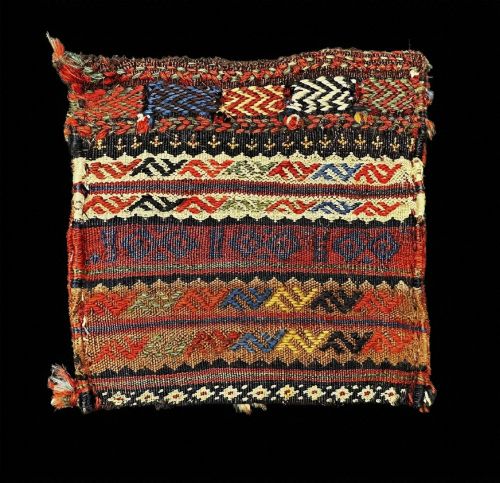
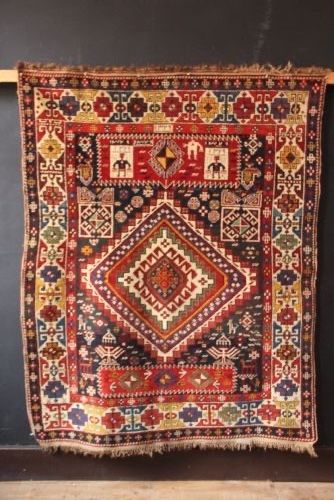
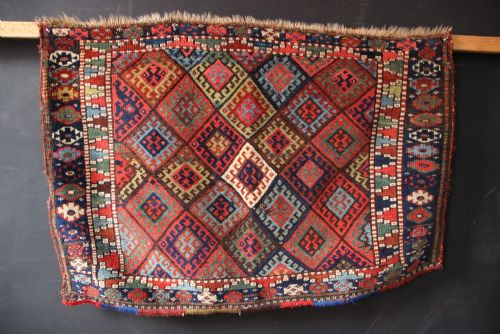
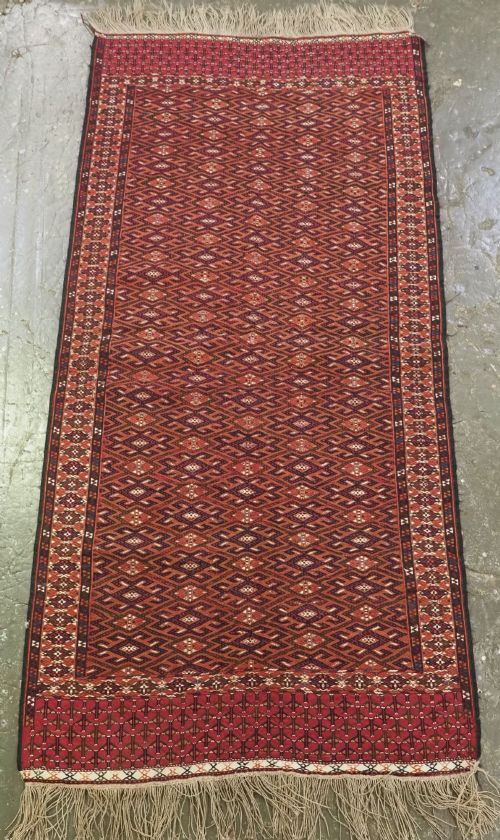
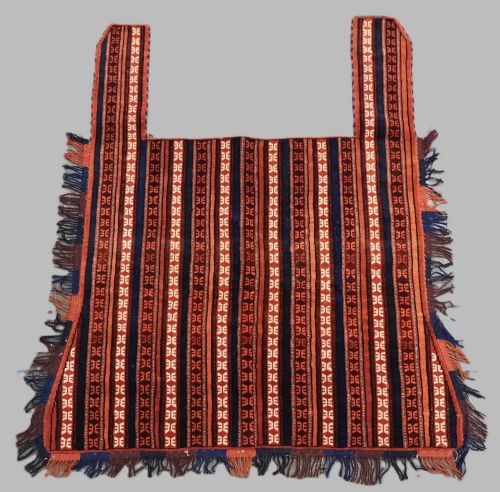
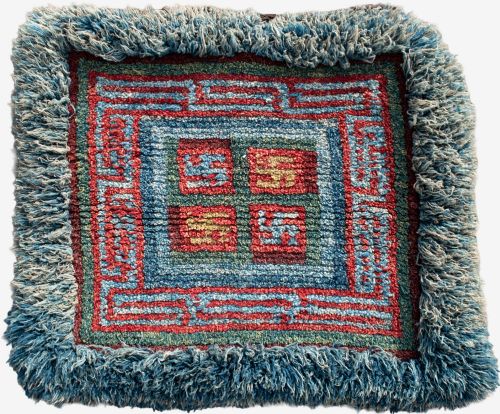
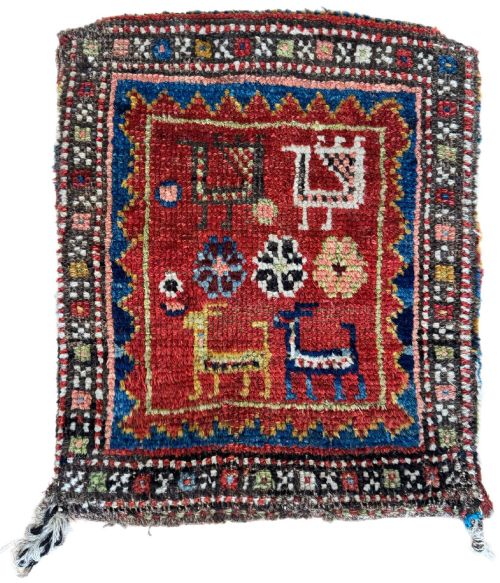
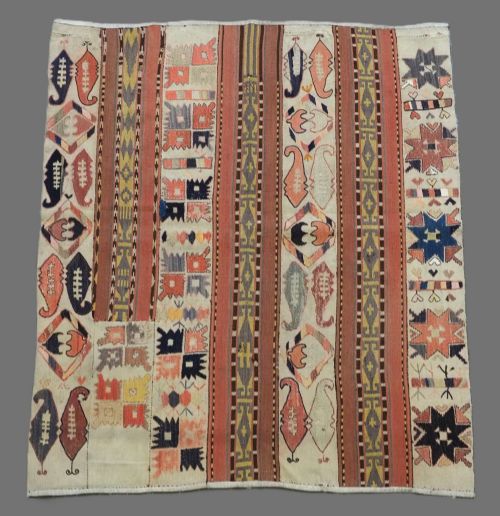
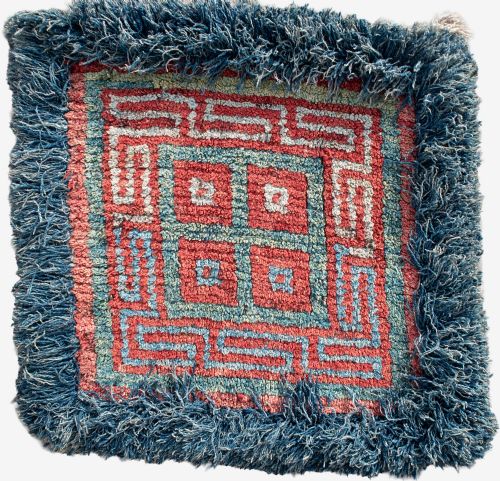
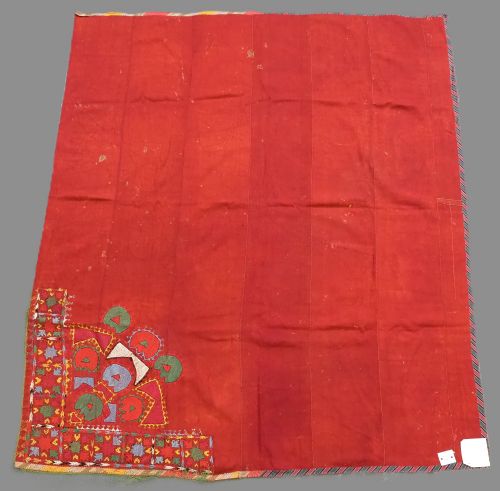
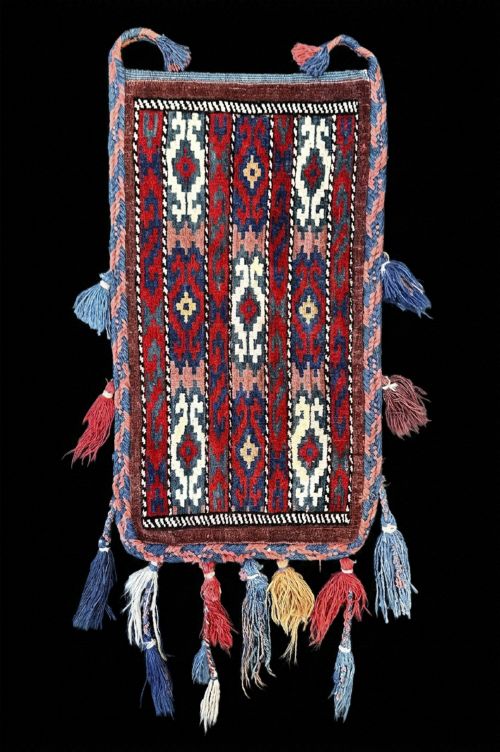
A tribal rug textile encompasses practical items made by nomadic and village weavers across Persia, Central Asia, Anatolia and Morocco. These pieces include utilitarian objects such as salt bags, vanity bags, saddle covers and wall hangings intended for daily use or ceremonial occasions within the tribe. The selection on this page consists predominantly of nineteenth-century and early twentieth-century examples shaped by distinct regional tribal groups.
Nomadic makers fashioned these items to serve specific functions in camp life, from storing household possessions to adorning horses during ceremonies. Forms range from compact spindle bags and bagfaces to large ceremonial horse blankets and tent decorations. Each piece reflects the functional requirements and visual vocabulary of the weavers who produced them.
How They Were Made
Weavers relied principally on hand-spun wool, cotton and occasionally silk, dyed using natural substances to achieve durable hues. Artisans constructed these textiles through knotting, flat-weaving or intricate embroidery, often incorporating felted wool and glass beads for decorative emphasis. The interaction of these materials dictates the texture and weight of each survivor.
Nomads utilised local resources, spinning fleece by hand before applying plant and mineral colorants to the yarn. This foundational method produced textiles with variable pile densities and structural techniques suited to nomadic movement and daily wear.
Tribal Rug Textile Retail Price Guide 2026
Typical asking prices for tribal rug textile among the pieces listed under this phrase on Sellingantiques today, from the lower quarter to the upper quarter. They describe what is for sale here now, not the wider market.
Nomadic weavers frequently added glass beads to dowry embroideries, ensuring the household goods caught the light as camels walked.
What Varies in Quality
Quality rests upon the integrity of the materials and the precision of the execution, distinguishing basic utility items from masterworks of tribal art. The handling of natural dyes creates depth and variation across the surface, while tight structural foundations ensure longevity. Superior pieces display purposeful design choices and balanced proportions within traditional formats.
The sophistication of the ornamentation and the handled density of the weave reveal the weaver's expertise. Finer examples combine complex motifs with supple wool and resilient construction, reflecting the cultural pride of specific regional groups.
The Tribal Rug Textile Glossary
- Khorjin
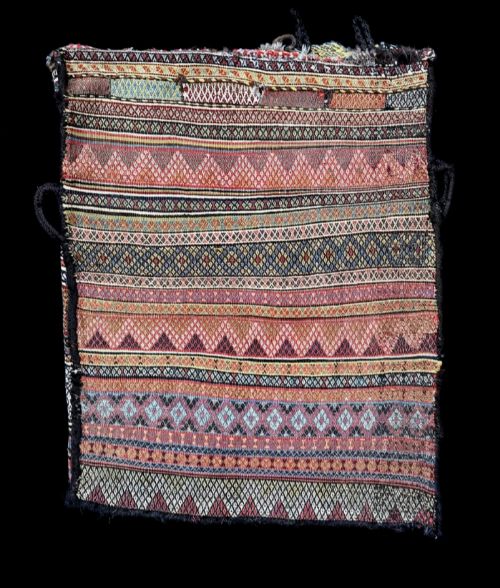
- A paired storage bag woven by nomads for transport on animals. These bags feature dual compartments linked by a central web.
- Asmalyk
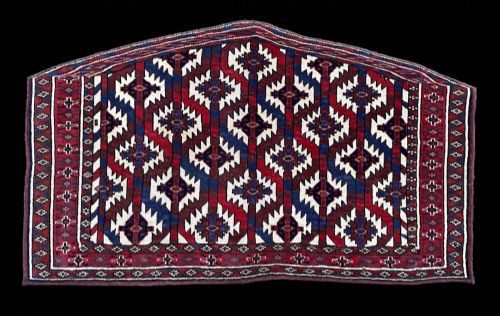
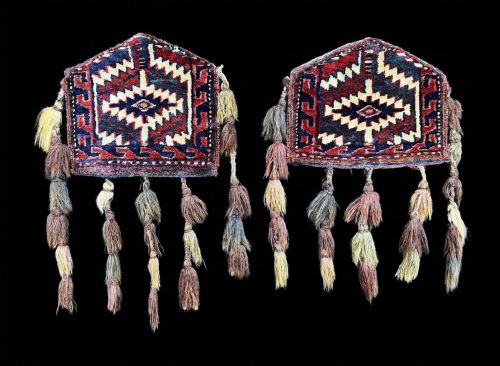
- A large pentagonal trapping produced by Turkmen tribes to decorate wedding camels. These display symbolic motifs intended to ward off misfortune.
- Kilim
- A flat-woven textile lacking a pile, produced by interlocking weft threads over warps. This technique yields a lightweight fabric with geometric patterns visible on both sides.
- Jollar
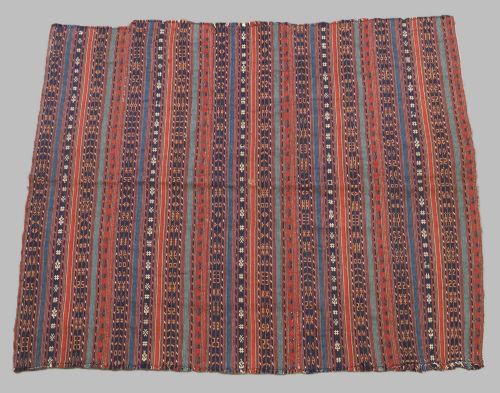
- A Turkmen tent bag utilised for storing household goods within the yurt. These long formats hang horizontally to display intricate tribal gul patterns.
- Ilgich
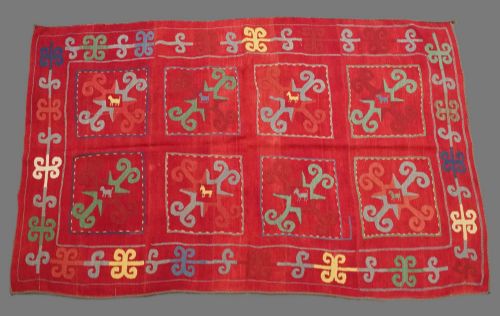
- An embroidered dowry hanging created by Lakai weavers in Central Asia. These textiles incorporate applied felt and silk embroidery for decorative wall display.
Tribal Rug Textile: Frequently Asked Questions
How were these textiles used?
Nomads utilised these woven and embroidered pieces for storage, transport and ceremonial display within their camps. Bags held salt, vanity items or domestic gear, while other textiles adorned horses during weddings.
Every object fulfilled a defined role in nomadic life, combining utility with symbolic visual designs that identified the maker's tribal affiliation.
How do I live with them?
You can display these textiles on walls as art or place them on low-traffic surfaces to appreciate their texture and colour. Proper mounting protects older wool and embroidery from excessive strain.
Keeping textiles away from direct sunlight preserves natural dyes and prevents the fibres from becoming brittle over time.
How can I tell different regions apart?
Regional styles reveal themselves through specific structural techniques, colour palettes and recurring motifs particular to each tribal confederation. Turkmen weaving employs distinct guls, while Persian nomadic groups favour geometric and animal forms.
Examining the materials, such as specific wool preparation and dye combinations, helps connect a textile to its geographical origin.