

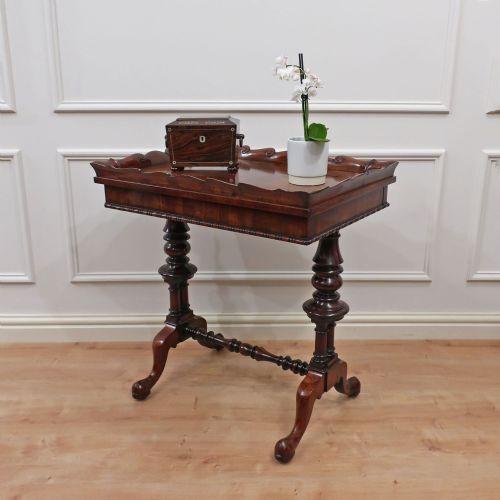


Tray Top Lamp Table
A tray top lamp table serves as a sturdy landing spot beside a chair, keeping small objects secure with its raised edge.
Tray Top Lamp Table
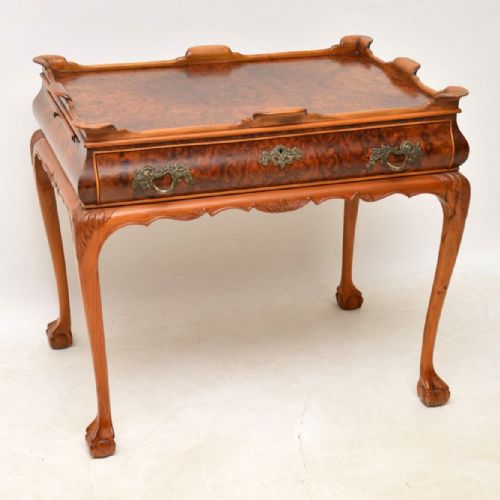
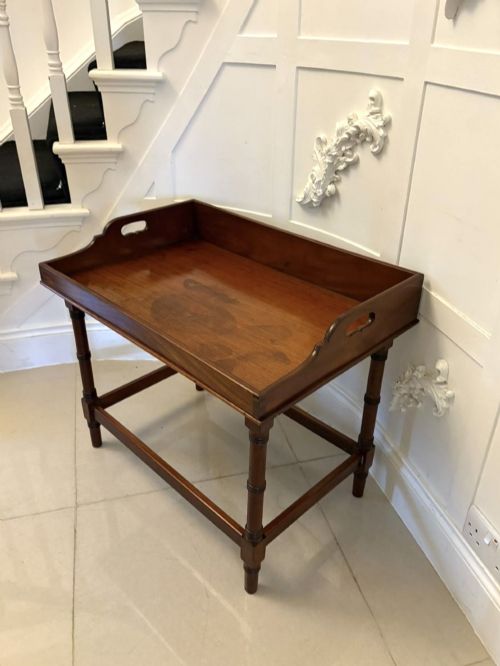
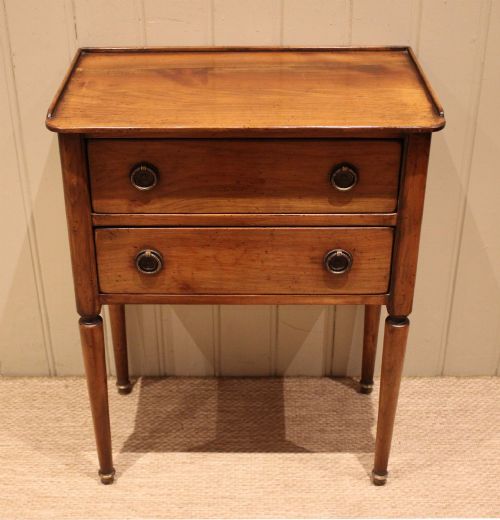
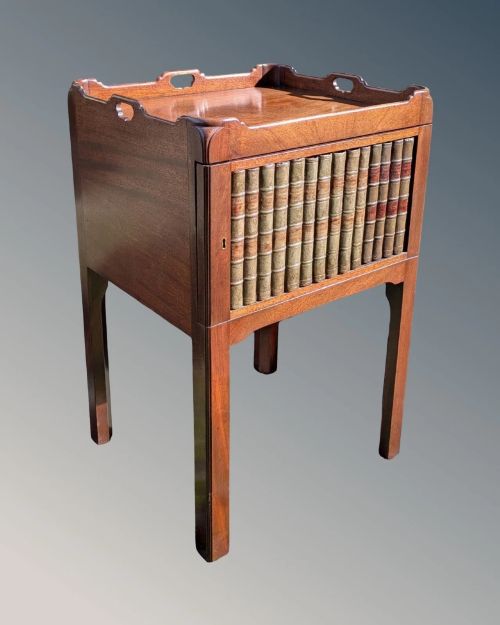
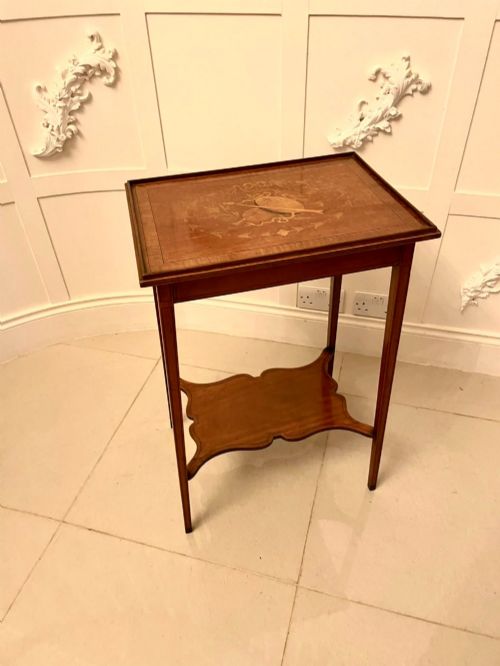
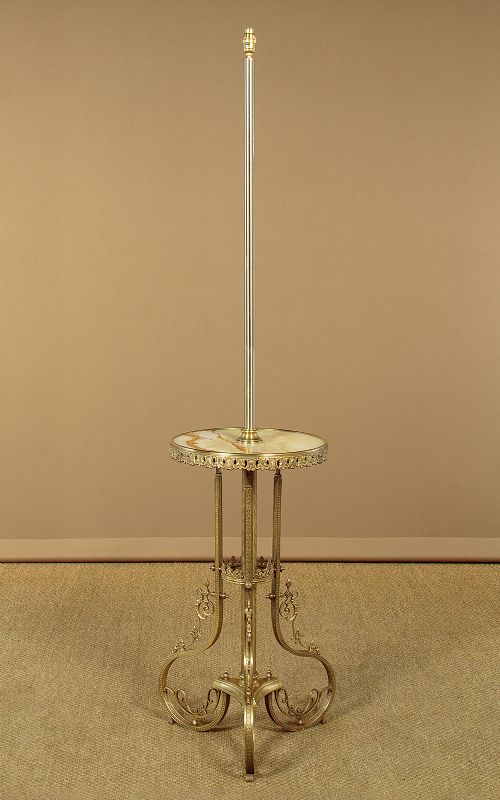
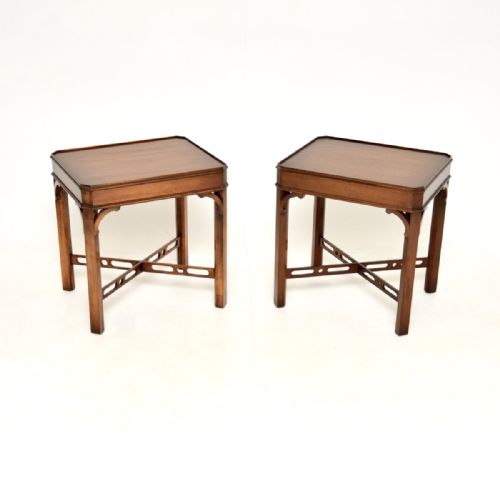
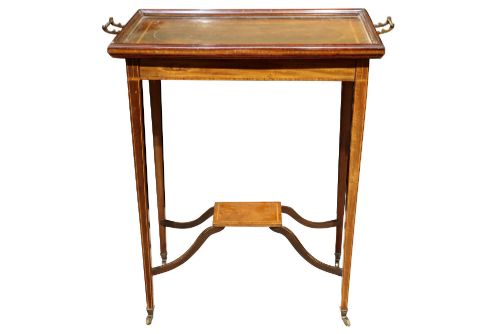
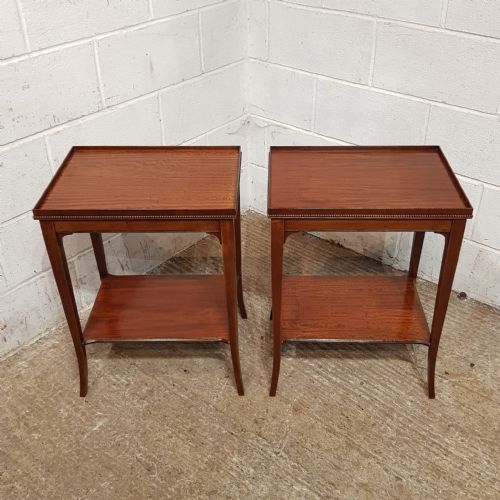
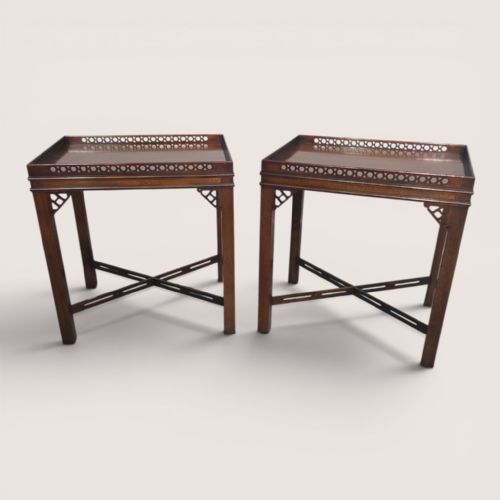
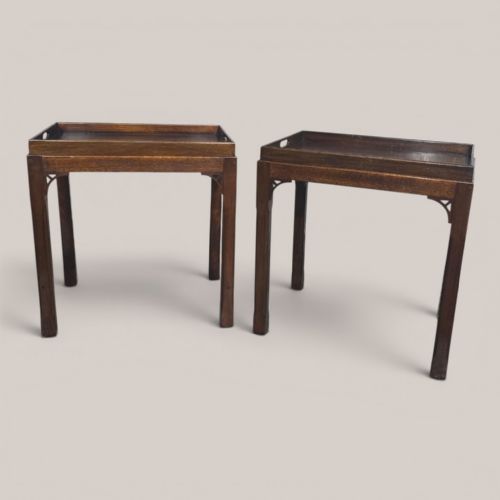
A tray top lamp table is a compact surface designed to hold lighting, small books, or drinks while protecting nearby upholstery from spills. The defining feature is the raised gallery edge, which keeps items from sliding off the wood surface.
Buyers searching for a tray top lamp table will discover pieces ranging from Georgian and Regency forms to Edwardian and later revival styles. Mahogany dominates the selection, accompanied by walnut, oak, and occasional brass elements.
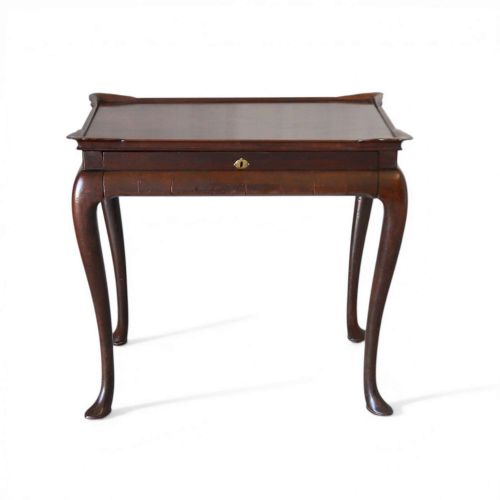
These items function primarily as side tables, occasional tables, or bedside stands. Many examples sit on slender legs, often ending in pad feet, brackets, or castors depending on the period.
How they were made
Cabinetmakers constructed these tables using dense timbers such as mahogany, walnut, and oak, frequently employing figured veneers for visual depth. Tops were fashioned with raised edges either carved directly from the solid wood or assembled with pegged mouldings.
Leg construction varied from square tapered supports to cabriole legs, occasionally accented with boxwood stringing, inlay, or brass fittings. Joinery relied on mortise and tenon frames to ensure stability on uneven floors.
Tray Top Lamp Table Retail Price Guide 2026
Typical asking prices for tray top lamp table among the pieces listed under this phrase on Sellingantiques today, from the lower quarter to the upper quarter. They describe what is for sale here now, not the wider market.
Listings feature pieces spanning from the seventeenth-century William and Mary period through the Edwardian era and later revivals.
What varies in quality
Quality rests in the selection of timber grain and the crispness of the raised tray edge. Superior examples display thoughtful proportions where the height of the gallery balances the slimness of the legs.
The refinement of secondary details, such as hand-cut dovetails in small drawers and subtle inlay work, separates standard utility pieces from finer cabinet work.
Gillows
The Tray Top Lamp Table Glossary
- Tray top
- A table surface finished with a raised rim or gallery on all sides to contain small objects. This rim can be shaped from the solid timber or built up with mouldings.
- Cabriole leg
- A furniture leg that curves outward at the knee and tapers inward toward the foot, often seen on earlier Georgian pieces. It mimics the shape of an animal's leg.
- Boxwood stringing
- A thin inlay of pale wood set into darker veneers to create linear decorative borders. It adds contrast to Edwardian and Georgian revival surfaces.
- Nightstand
- A small bedside table used for holding lamps and nighttime necessities. Many double as compact lamp tables in living spaces.
- Occasional table
- A light, movable piece intended for flexible placement around a room. These tables are easily shifted to serve as lamp supports.
Tray Top Lamp Table: Frequently Asked Questions
Where should I place a tray top lamp table?
Position the table beside an armchair or sofa where the raised edge can safely contain drinks, reading glasses, or small lamps.
They also function well as bedside stands or in narrow hallways where a deep surface would block movement.
How do I tell an 18th-century piece from a revival piece?
Examine the construction methods underneath the top and inside any drawer boxes, looking for hand-cut joinery and signs of timber shrinkage.
Revival pieces from the Edwardian period often feature cleaner, more uniform machine-cut elements and brighter internal linings.
Are these tables sturdy enough for heavy lamps?
Most tables are built with solid hardwood frames designed to support standard table lamps and decorative accessories safely.
However, lighter occasional versions with slender cabriole or tapered legs require placement where they will not be bumped.
What is the purpose of the raised tray edge?
The gallery edge prevents items from rolling off the surface when the table is nudged in busy rooms.
Historically, this feature also kept valuable silver tea services or liquid containers from sliding onto carpets.