

Traditional Woven Chair
A traditional woven chair brings centuries of vernacular craftsmanship into a room, using natural rush, cane, and split straw to create resilient and honest seating.
Traditional Woven Chair
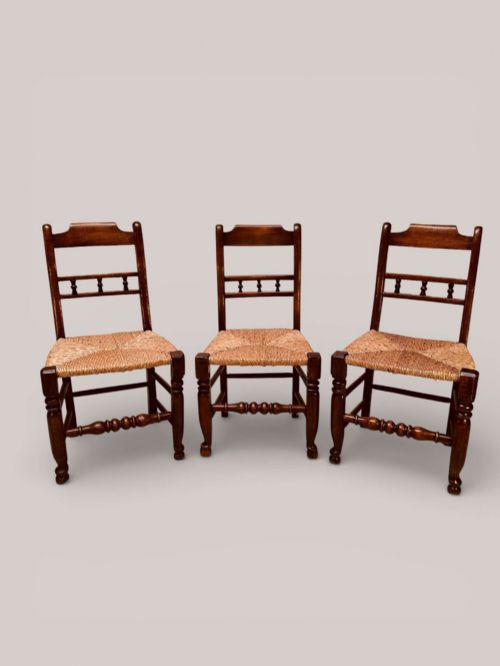
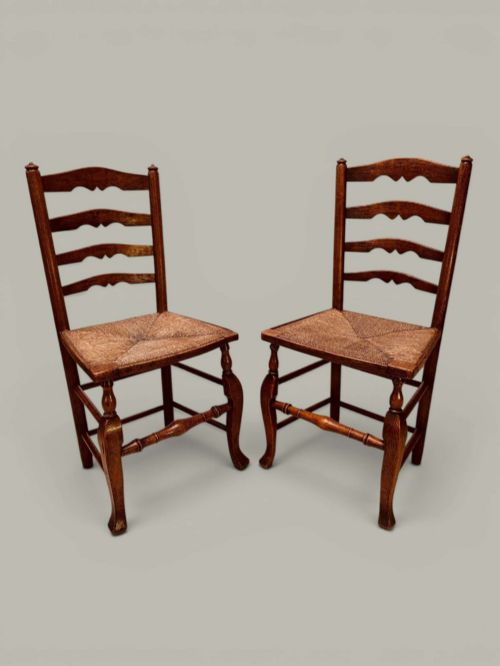
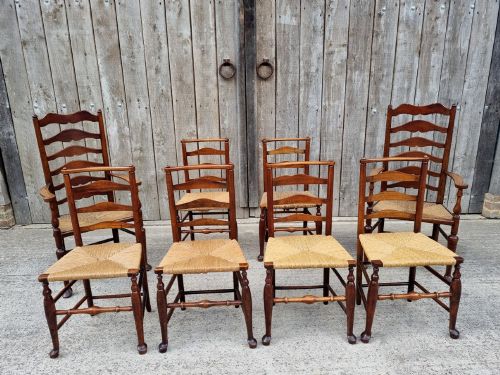
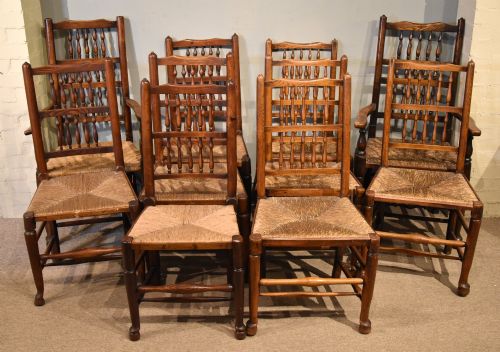
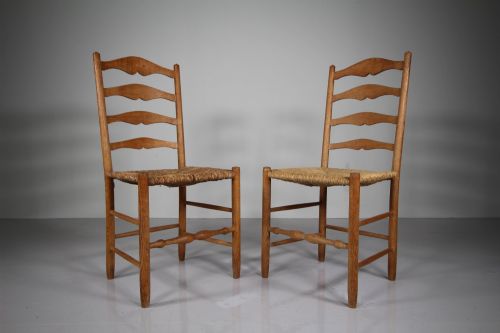
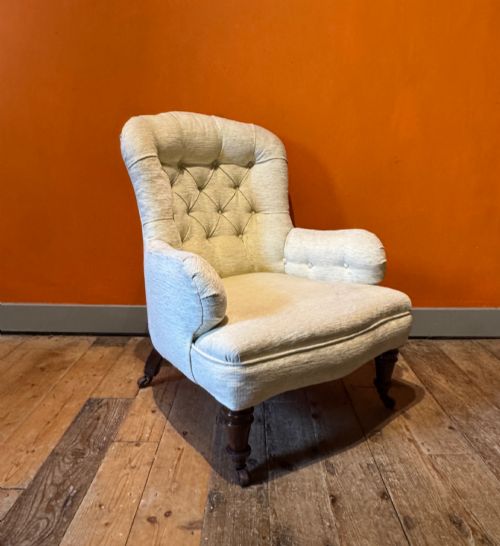
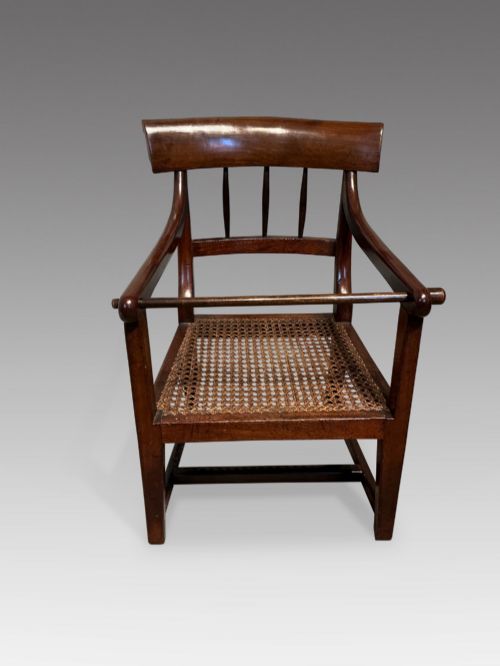
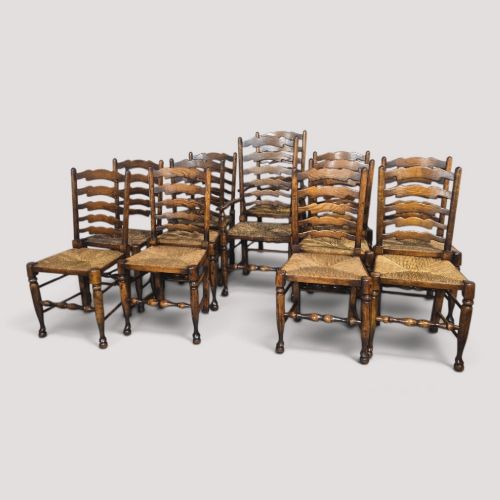
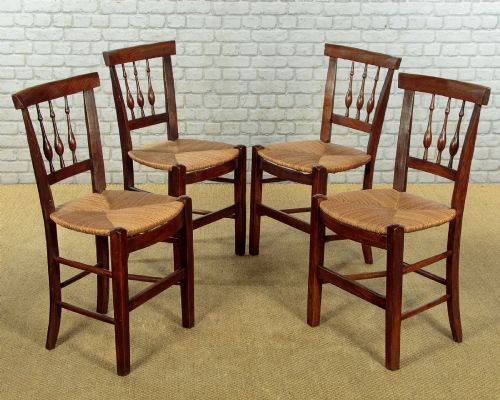
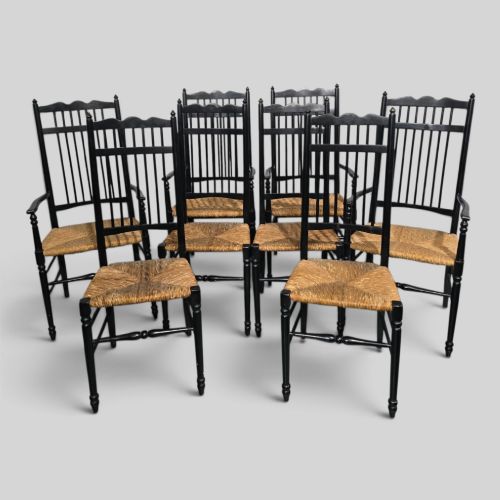
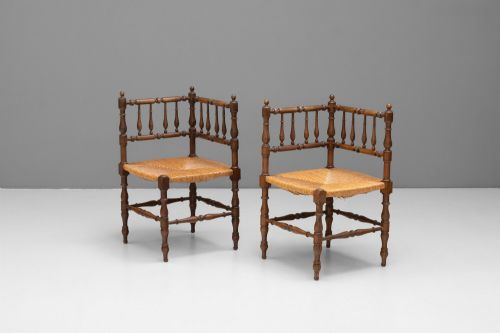
When you search for a traditional woven chair, you encounter a wide variety of seating forms spanning the eighteenth, nineteenth, and early twentieth centuries. The selection encompasses sturdy ladderbacks, spindlebacks, and elegant bergères, originating from regional workshops in England, Scotland, Ireland, and Italy.
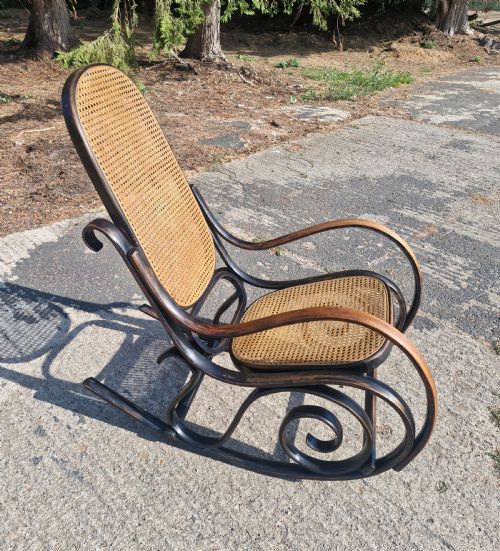
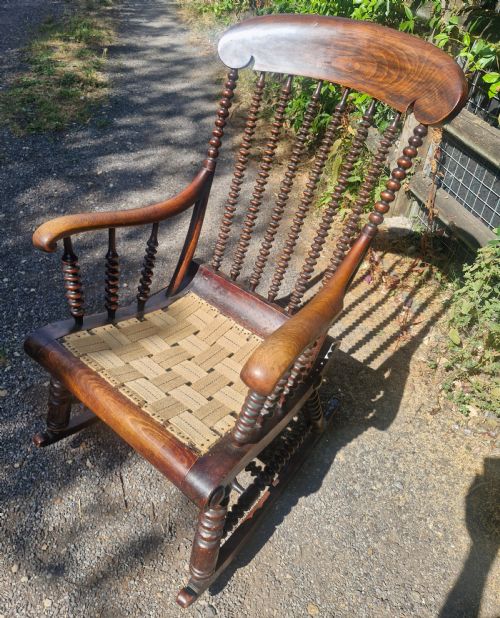
Dining chairs, armchairs, rocking chairs, and child high chairs dominate the selection, often grouped in sets or offered as single country pieces. Makers utilised local hardwoods to construct frames designed for everyday utility, pairing them with woven seating surfaces.
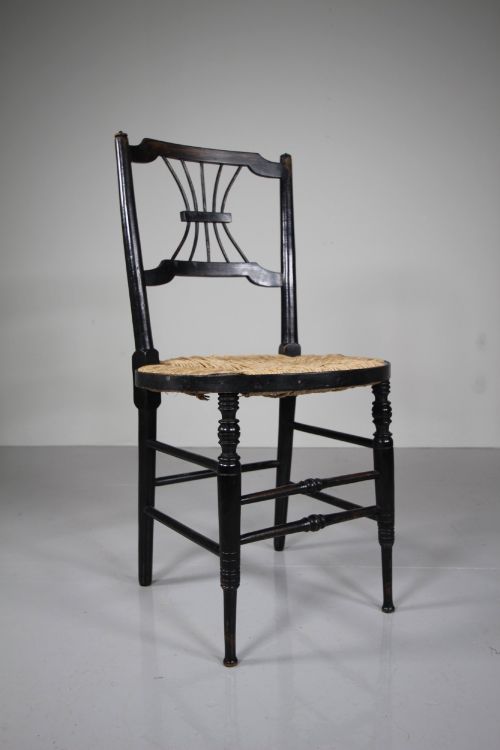
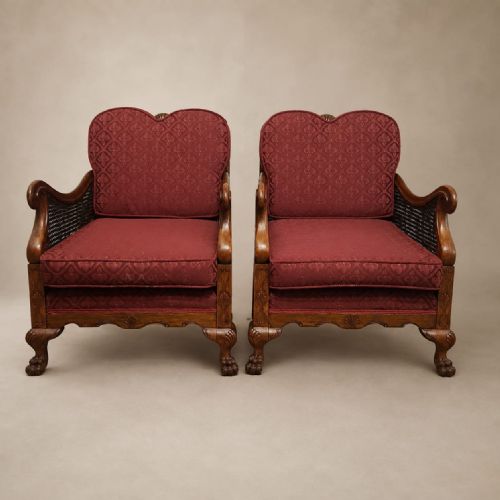
The most common examples on this page are nineteenth-century country chairs featuring rush seats, alongside Arts and Crafts designs and walnut or mahogany framed bergères. Vernacular styles from Lancashire, Cheshire, and Orkney appear alongside sophisticated retail pieces from London firms.
Quality and execution
The distinction between ordinary and exceptional pieces rests in the integrity of the timber frame and the tightness of the weave. Finer examples display balanced proportions, sympathetic timber selection, and meticulous hand-weaving that remains taut and even across the seat or back.
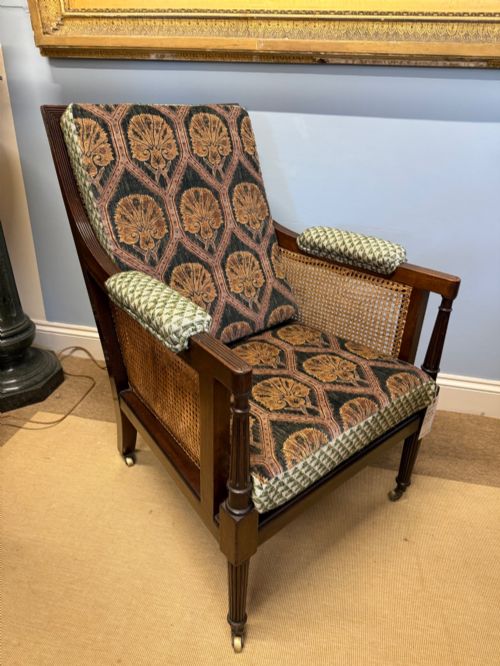
Regional vernacular pieces demonstrate the maker's skill in shaping local woods like elm and ash for maximum durability, while higher-style examples incorporate refined turnings, carved details, or imported mahogany and walnut frames finished with split cane.
Traditional Woven Chair Retail Price Guide 2026
Typical asking prices for traditional woven chair among the pieces listed under this phrase on Sellingantiques today, from the lower quarter to the upper quarter. They describe what is for sale here now, not the wider market.
William Morris·Rossetti·E W Godwin·Heals of London·Morris and Co
The Traditional Woven Chair Glossary
- Bergere
- An upholstered armchair with enclosed sides, where the back and sometimes the sides are filled with woven cane. This French-influenced form became popular in various woods throughout the nineteenth and early twentieth centuries.
- Rush
- Marsh grass twisted into cords and hand-woven to create traditional chair seats. It provides a durable, slightly flexible surface found on many country vernacular chairs.
- Ladderback
- A chair style featuring horizontal slats resembling ladder rungs between the upright posts of the back. These are frequently paired with rush seats in regional English and Scottish seating.
- Súgán
- An Irish term for plaited straw or hay used to create rustic chair seats. It forms a distinctive, robust woven surface characteristic of traditional Irish vernacular seating.
- Spindleback
- A seating design utilising multiple thin, turned wooden rods set into the back rail. This lightweight yet sturdy construction appears widely on nineteenth-century dining and rocking chairs.
Traditional Woven Chair: Frequently Asked Questions
How do I care for a rush seat?
Keep woven rush seats away from excessive moisture and direct heat sources that can dry out and snap the natural fibres. Dust them gently with a soft brush and avoid sitting on them with sharp objects.
Applying a light, microcrystalline wax to the wooden frame protects the surrounding timber without harming the organic weave. Regular inspection helps catch minor loose strands before they unravel further.
Are these chairs comfortable for daily use?
Traditional woven seating was originally built for practical, everyday comfort in farmhouses, cottages, and parlours. The flexible nature of woven rush and cane naturally contours to the body over time.
Many styles, including ladderbacks and bergères, offer supportive backrests and generous proportions suitable for modern living spaces. Adding a simple loose cushion can provide extra padding if desired.
How do I tell regional styles apart?
Regional variations depend heavily on the local timber available to the rural maker and the specific traditions of the workshop. For instance, Lancashire and Cheshire ladderbacks often feature distinct column turnings and rush seats.
Orkney chairs utilise local oat straw and wooden frames shaped by island environments, while Irish súgán chairs display characteristic plaited straw work. Comparing the turning details and wood species reveals much about a piece's geographical origin.
Can damaged cane or rush be repaired?
Skilled restorers regularly repair and replace worn rush, cane, and straw seats using traditional materials and techniques. The underlying wooden frame remains untouched while the seating surface is entirely re-woven by hand.
Professional re-weaving preserves the structural integrity and historical appearance of the chair for future generations. Evaluating the frame's stability ensures the piece is sound enough to support a new weave.