




Traditional Wooden Wall Shelf
A traditional wooden wall shelf brings functional display space to a room, offering sturdy ledges for books, plates, and domestic items.
Traditional Wooden Wall Shelf
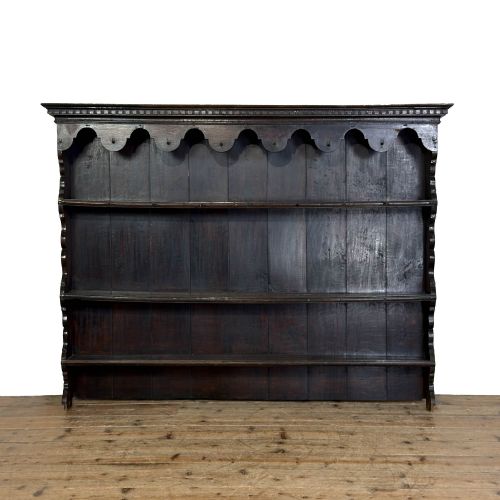
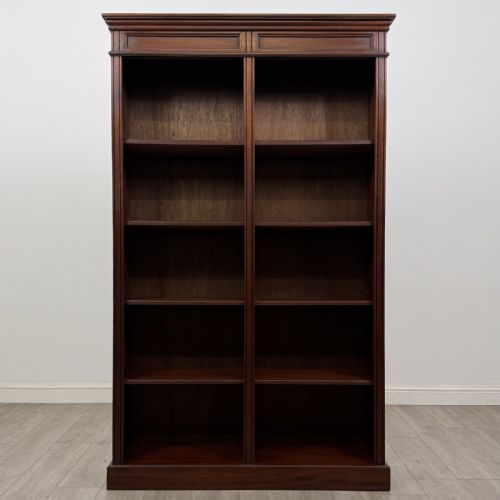
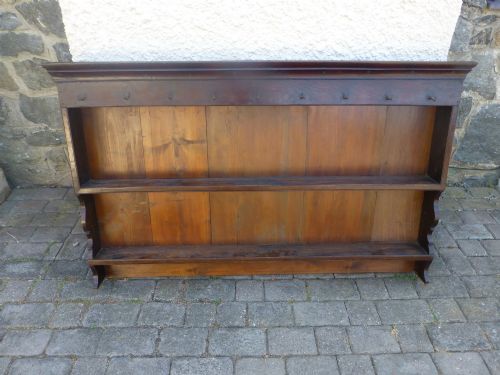
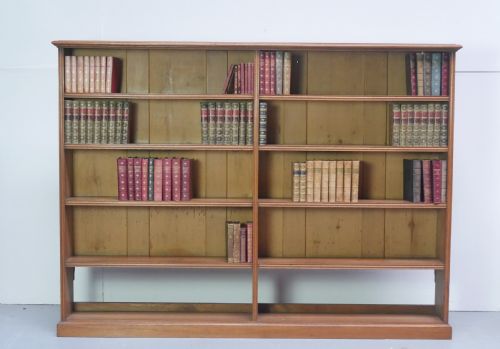
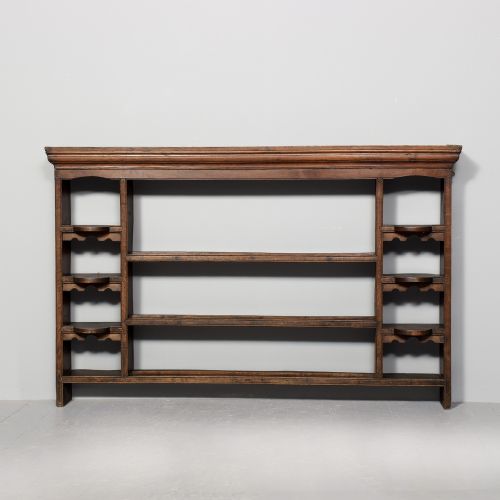
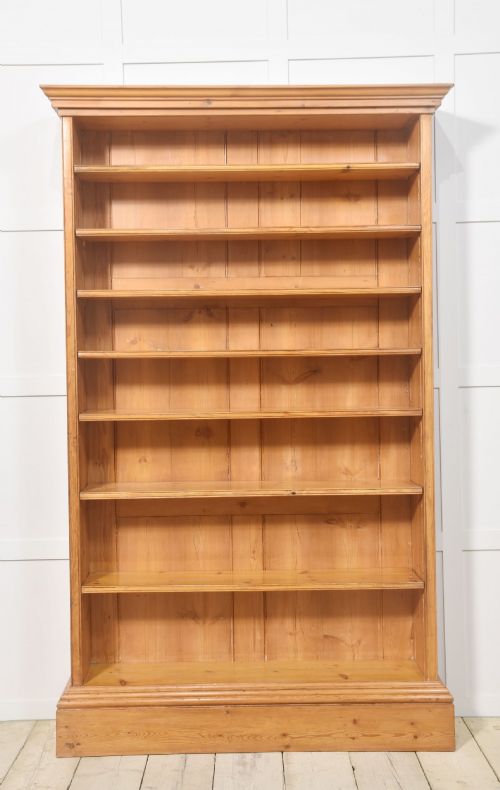
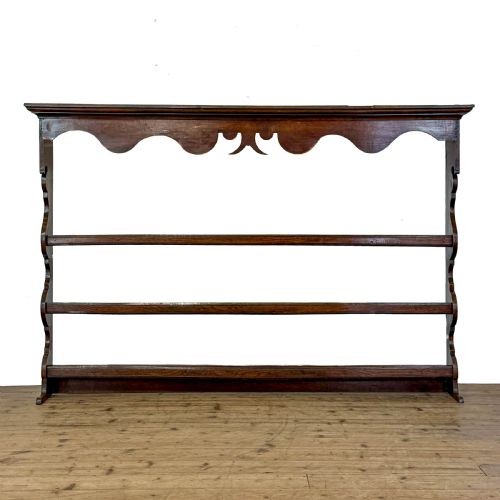
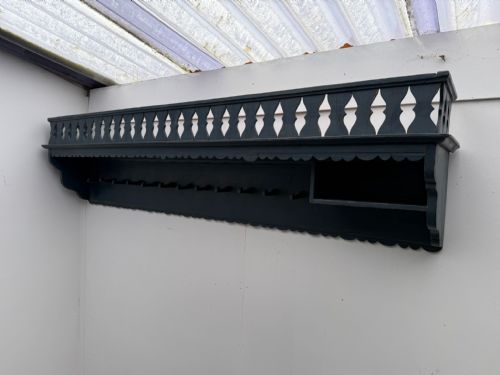
A traditional wooden wall shelf serves as both practical storage and a display ledge for the home. When exploring this selection, a buyer encounters forms ranging from simple open bookcases and pigeon hole cabinets to specialised plate racks and hanging shelves.
The pieces on this page span several distinct eras, drawing heavily from the eighteenth century, nineteenth century, Georgian, Regency, Victorian, and Edwardian periods. Country variations, including English country and Hungarian country styles, appear alongside formal Georgian-style mahogany examples.
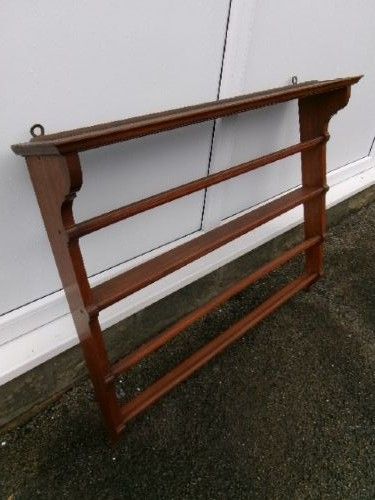
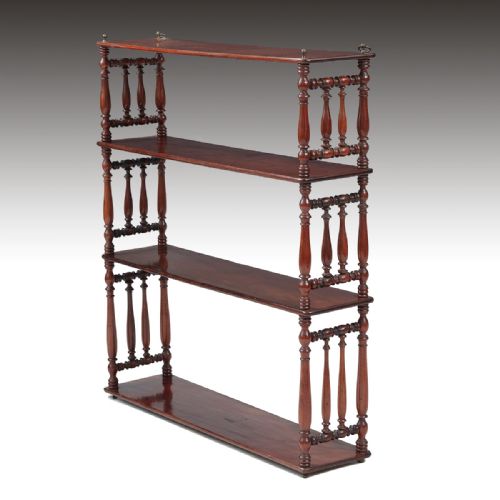
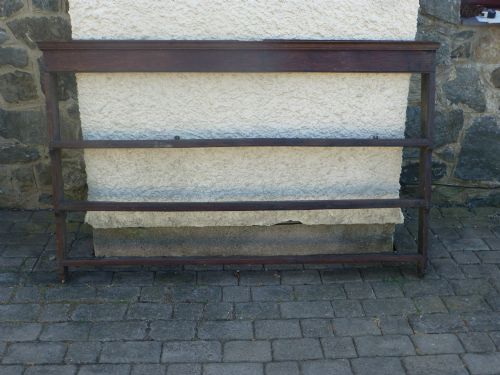
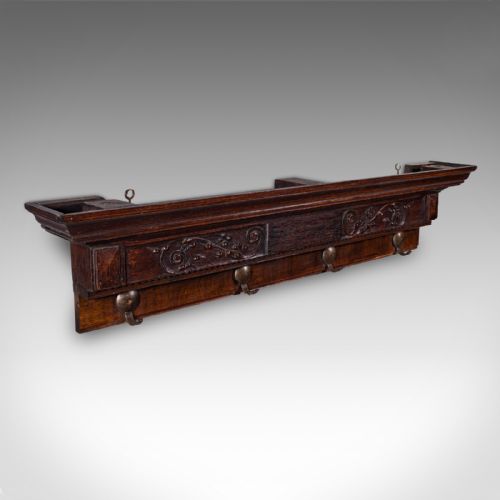
Object types frequently overlap in function, encompassing wall shelves, plate racks, bookcases, and coat racks with integrated shelving. These items mount directly to walls or hang from brackets, making them ideal for displaying ceramics, books, and smaller decorative objects.
Materials and Construction Techniques
Makers relied primarily on solid timbers such as oak, pine, and mahogany to construct these shelves, often utilising walnut and cherry wood for specific regional or formal commissions. Brass and iron fixtures, including hooks and hanging brackets, provide both structural support and functional hardware.
Surface treatments range from natural waxed finishes highlighting the grain of the wood to original painted surfaces, such as blue paint on Hungarian pine. Details like marquetry inlay appear on select nineteenth-century pieces, adding decorative depth to the structural woodwork.
Traditional Wooden Wall Shelf Retail Price Guide 2026
Typical asking prices for traditional wooden wall shelf among the pieces listed under this phrase on Sellingantiques today, from the lower quarter to the upper quarter. They describe what is for sale here now, not the wider market.
An American wall eagle sconce brings a touch of transatlantic heraldry straight to the shelf.
Evaluating Quality and Craftsmanship
Quality in a traditional wooden wall shelf rests upon the selection of timber and the integrity of the joinery. Fine examples display well-proportioned cornices, sound mounting points, and timber that has aged naturally with honest surface wear.
Design sophistication also separates simpler utilitarian items from finer examples, such as a Georgian mahogany hanging shelf with precise detailing compared to a rustic pine country rack. Original painted finishes and intact brass hardware enhance the character and desirability of a piece.
Connell of London
The Traditional Wooden Wall Shelf Glossary
- Delft rack
- A wall-mounted shelving unit specifically designed with grooves or rails to display ceramic plates upright. These racks are typically found in eighteenth-century oak configurations.
- Hanging shelves
- Open shelving units fitted with brackets or loops intended to be suspended directly from a wall rather than resting on the floor. Regency and Edwardian variations often utilise this format in mahogany or pine.
- Marquetry
- The art of applying pieces of veneer to a structure to form decorative patterns. This technique appears on select nineteenth-century delft racks.
- Pigeon hole cabinet
- A small compartmented wooden unit designed for sorting correspondence or documents. These cabinets form a distinct subset of wall storage on this page.
- Bracket clock
- A portable household clock designed to sit on a bracket or shelf. Selected examples feature dedicated wooden wall brackets associated with Victorian timepieces.
Traditional Wooden Wall Shelf: Frequently Asked Questions
How do I hang a heavy wooden shelf safely?
Heavy wooden shelves require secure anchoring into wall studs using appropriate screws and brackets matching the weight of the timber. Ensuring the mounting hardware engages directly with the structural wall prevents pulling under load.
For older pieces, check that existing hanging points or added brackets remain solid before installation. Distributing the weight evenly across the shelves further protects both the wall fixings and the antique structure.
How do I clean and maintain antique wood?
Maintenance involves dusting regularly with a soft, dry cloth to prevent grit accumulation on the surface. Avoid using silicone-based sprays or harsh chemical cleaners that can degrade antique wax and polished finishes.
Applying a traditional beeswax periodically nourishes dry timber and preserves the natural patina. Keep wooden shelves away from direct heat sources and excessive moisture to prevent warping or splitting.
How can I tell a Georgian shelf from a Victorian one?
Georgian shelves, often constructed from oak or mahogany around the late eighteenth century, tend to emphasise clean architectural proportions and classical restraint. They frequently take the form of formal hanging shelves or sturdy dresser racks.
Victorian and Edwardian pieces, dating from the nineteenth century onward, introduce a wider variety of secondary timbers like pine and employ diverse regional styles. They may incorporate heavier mouldings, adjustable mechanisms, or decorative additions like turned coat hooks.