





Traditional Wooden Step Stool
These traditional wooden step stool designs combine utilitarian reach with sturdy household elevation, built from oak, pine, and mahogany for daily utility.
Traditional Wooden Step Stool
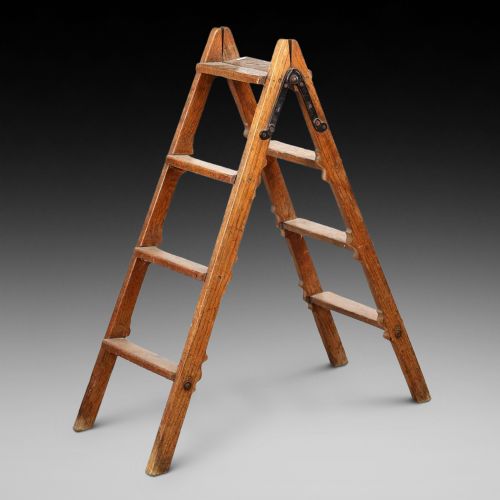
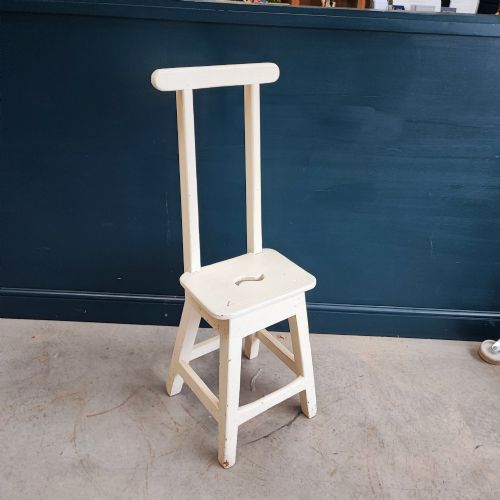
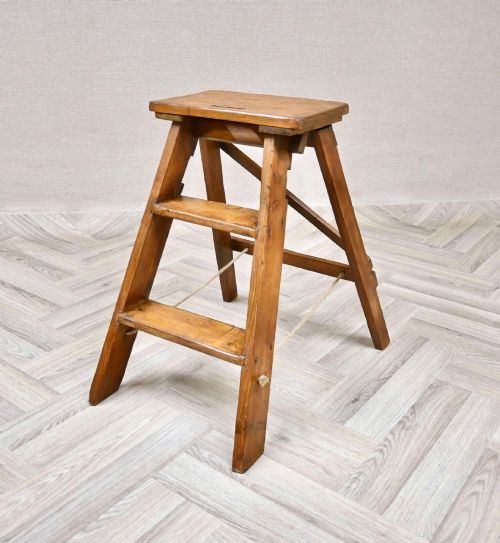
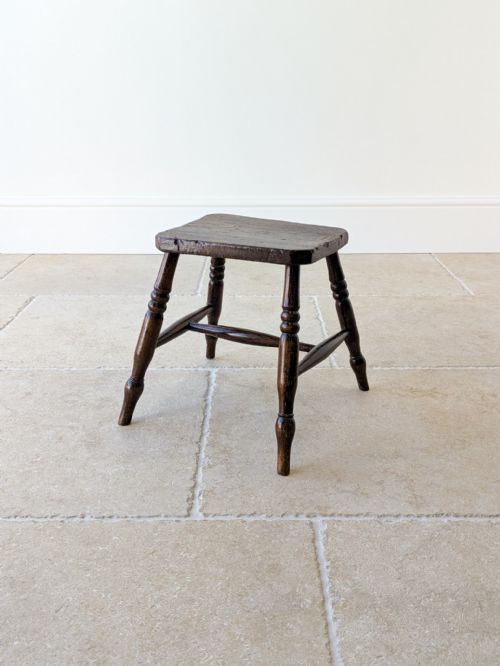
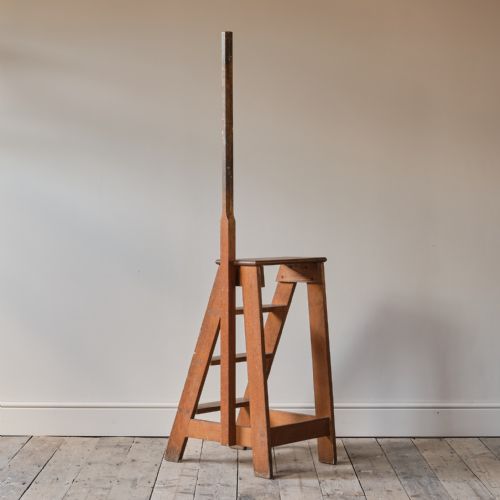
A traditional wooden step stool appears in forms ranging from simple country pine kitchen steps to elaborate metamorphic library chairs and spiral library steps. Most examples on offer date from the nineteenth century through the nineteen-thirties, spanning Victorian, Edwardian, and rustic utilitarian styles.
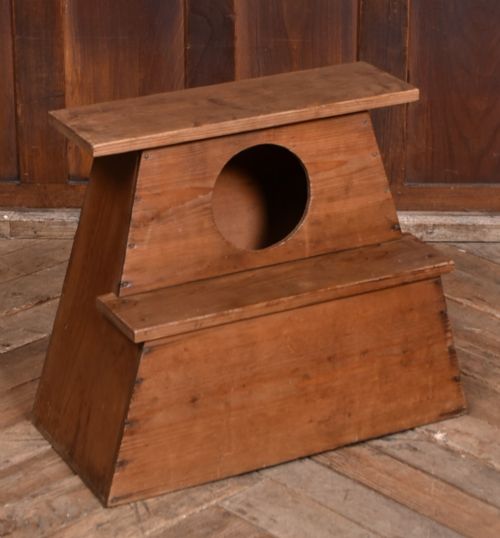
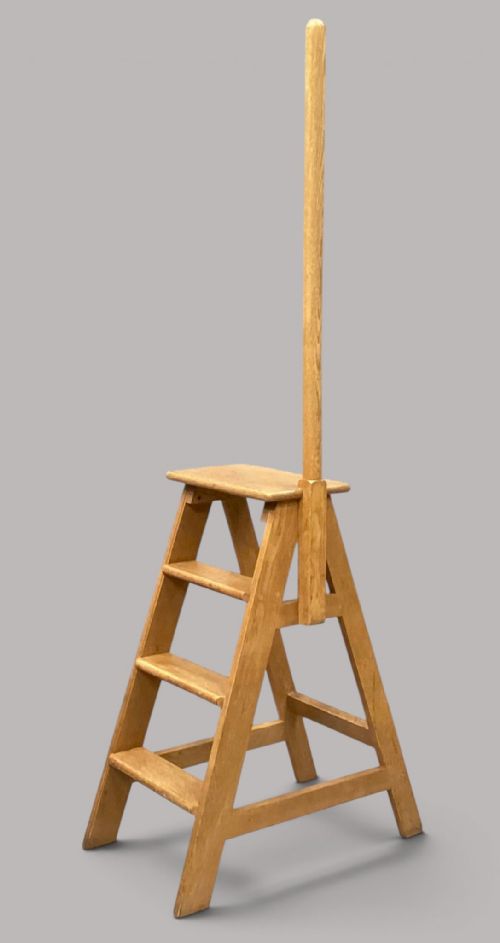
Buyers will encounter library ladders, folding stepladders, and low vendor stools alongside taller multi-tiered library steps. The selection leans heavily toward practical oak and pine pieces designed for domestic or study use.
How traditional wooden step stool items are constructed
Construction relies primarily on hardwoods such as oak, mahogany, and cedar, alongside softer pine and general hardwood timbers. Iron and brass hardware frequently reinforce joints, hinges, and metamorphic folding mechanisms.
Certain formal library steps incorporate inset leather treads, combining utilitarian wooden framing with upholstered detailing for grip and study comfort.
Traditional Wooden Step Stool Retail Price Guide 2026
Typical asking prices for traditional wooden step stool among the pieces listed under this phrase on Sellingantiques today, from the lower quarter to the upper quarter. They describe what is for sale here now, not the wider market.
The inventory spans the nineteenth century through the nineteen-thirties, encompassing Victorian, Edwardian, and rustic utilitarian traditions.
What varies in traditional wooden step stool quality
The distinction between standard utility items and finer examples rests on timber selection and joinery execution, such as golden oak variants versus plain painted pine. Elaborate metamorphic designs and spiral configurations require sophisticated engineering compared to simple domestic steps.
Original surface finishes, integrated leather treads, and substantial proportions elevate certain pieces above standard utilitarian workshop builds.
The Traditional Wooden Step Stool Glossary
- Metamorphic
- Furniture designed to transform from one object into another, such as library steps that convert into a chair. This clever dual purpose suited compact Victorian and Edwardian spaces.
- Tread
- The horizontal surface of a step upon which one places the foot. In library steps, treads occasionally feature inset leather panels for traction.
- Library ladder
- A tall, narrow ladder designed for reaching high bookshelves in private studies and institutional libraries. These pieces often feature sturdy side rails and substantial timber uprights.
- Victorian country
- A domestic aesthetic focusing on robust, unpretentious construction using local timbers like pine and oak. Items from this tradition prioritize everyday utility over decorative flourish.
- Gothic revival
- An architectural and decorative style drawing inspiration from medieval design. Pieces in this tradition often feature pointed arches, heavy timber construction, and solemn proportions.
Traditional Wooden Step Stool: Frequently Asked Questions
How were traditional wooden step stool designs used?
These steps served domestic and scholarly functions alike, from reaching high kitchen shelves to accessing elevated bookshelves in Victorian libraries. Folding and metamorphic variants allowed furniture to double as seating when not employed for climbing.
Simpler country stools and vendor variants supported everyday labour, whilst grander mahogany and oak library steps facilitated scholarly research in private studies.
What woods appear in traditional wooden step stool pieces?
Makers utilised sturdy timbers appropriate to the intended function and workshop tradition. Oak and mahogany dominate formal library steps, whilst pine and mixed hardwoods serve utilitarian country pieces.
Secondary materials include brass and iron for hinges, brackets, and structural reinforcement, alongside leather for tread inserts.
How do I distinguish Edwardian from Victorian library steps?
Victorian examples generally display heavier proportions and darker finishes, reflecting nineteenth-century domestic interiors. Golden oak and lighter constructions frequently signal later Edwardian or early twentieth-century production.
Stylistic cues such as Gothic revival motifs point toward the earlier Victorian era, whilst cleaner lines often align with nineteen-twenties production.
Can I use a vintage step stool daily?
Most pieces were built for practical service using solid timbers and robust joinery, making them suitable for careful everyday elevation. Inspecting the joints and hardware ensures structural stability before active use.
Heavier oak and pine library ladders offer reliable support, though delicate decorative items warrant gentle handling.
What are metamorphic library steps?
Metamorphic pieces incorporate clever mechanical hinges that allow a set of steps to fold out from beneath a chair seat. This ingenuity provided dual functionality for compact nineteenth-century studies.
Such items combine fine cabinetry with practical engineering, often executed in polished mahogany or oak.