




Traditional Wooden Nursery Chair
A traditional wooden nursery chair is a sturdy, scaled-down seat built for children, offering a tangible link to domestic life of past centuries.
Traditional Wooden Nursery Chair
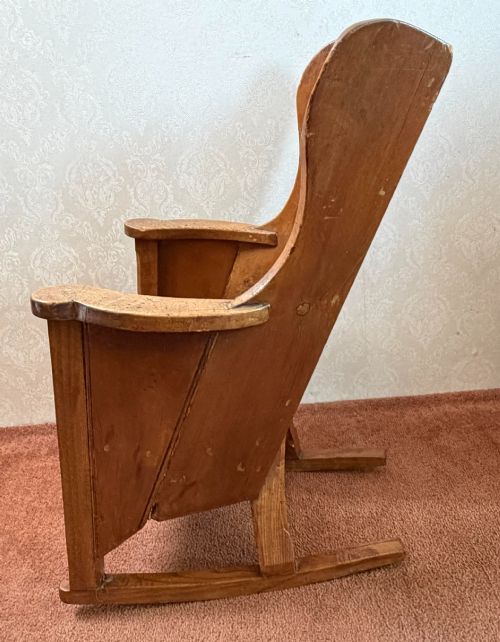
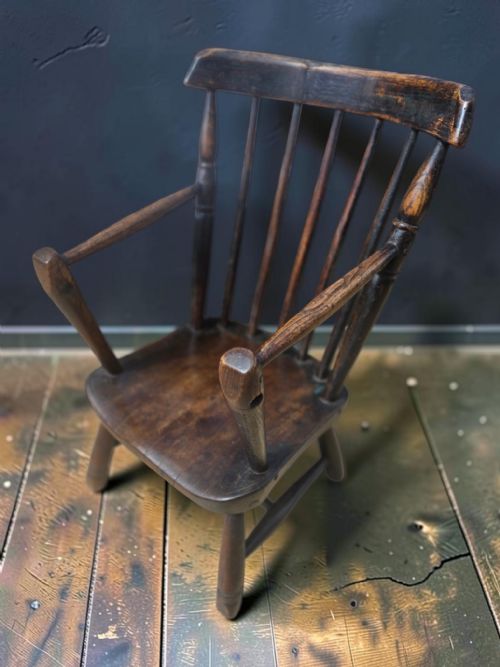
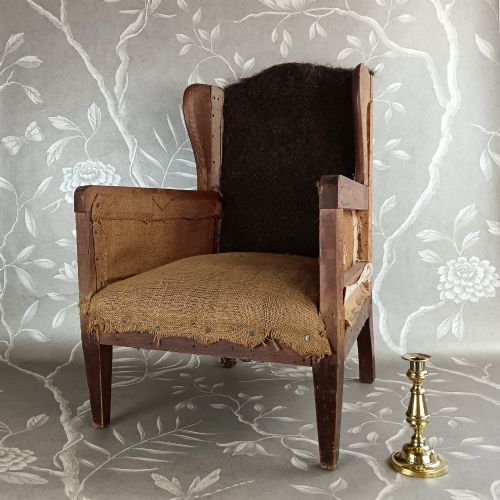
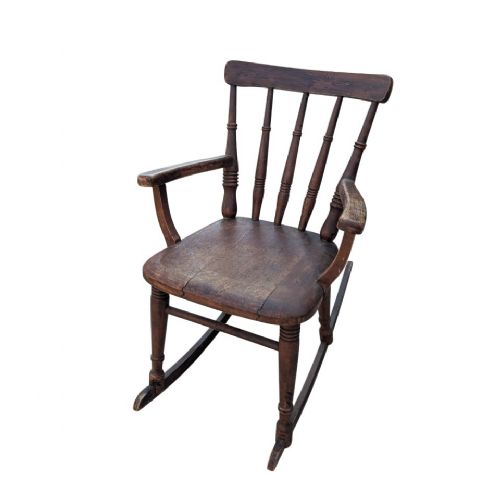
When you search for a traditional wooden nursery chair, you encounter low-slung seating designed specifically for children across the nineteenth and early twentieth centuries. These encompass rocking chairs, high chairs, armchairs, and simple vernacular seats made for everyday use in domestic settings. The pieces span regional English designs as well as Scandinavian and continental examples, reflecting local workshop traditions.
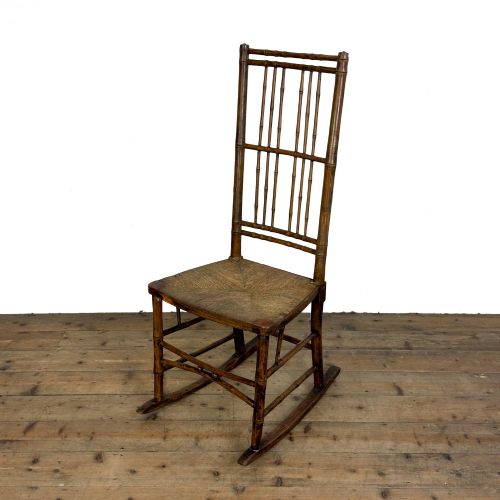
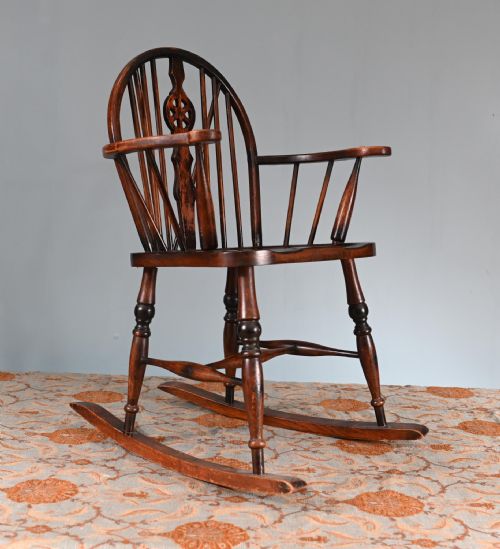
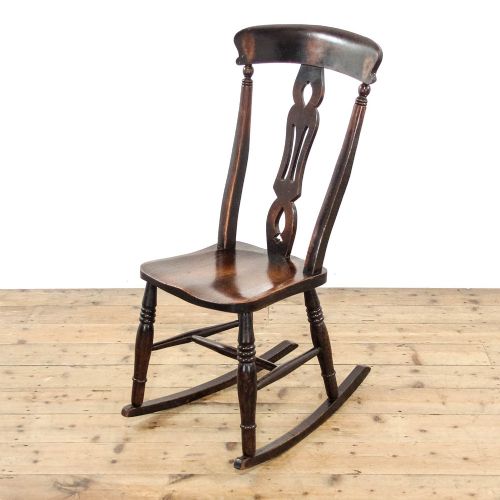
The most common forms on this page are child-sized Windsor chairs and rocking chairs originating from the Victorian period and earlier nineteenth century. Makers adapted adult furniture styles, producing scaled-down armchairs, wheelback rockers, and high chairs with spindle backs or solid wooden seats. Many of these survive in sturdy utilitarian timbers, showing the wear of generations of children.
How they were made
These chairs rely on traditional timber construction, utilising native woods such as elm, ash, beech, yew, and oak for frames, spindles, and legs. Cabinet makers and regional bodgers turned components on lathes and bent wood using steam to shape bows for Windsor chairs and rocking frames. Joints were typically pegged or wedged tightly together to withstand the robust demands of nursery life.
Seating surfaces vary between solid sculpted wooden planks, woven cane, rush, and bergere panels inset into frames. Some examples feature turned faux bamboo details, ebonised finishes, or painted decoration applied over the primary timber. Metal hinges appear on folding variants, while high chairs frequently incorporate integrated wooden trays or footrests.
Listings feature pieces spanning the eighteenth to the early twentieth century, incorporating elm, ash, beech, mahogany, and yew wood.
What varies in quality
The distinction between ordinary utility items and superior examples lies in the selection of timber and the complexity of the turning work. Chairs fashioned from figured yew wood or nicely grained mahogany represent finer workshop production compared to standard beech or utilitarian pine variants. Finer pieces often display carefully sculpted seats and well-balanced proportions that mirror adult furniture of the same period.
Structural integrity and the retention of original components dictate the standing of individual chairs. Retaining the original cane work, surface finish, or rocking mechanism elevates an example above one with heavy replacement parts. The crispness of spindle turnings and the tightness of historical joints show the original maker's skill.
The Traditional Wooden Nursery Chair Glossary
- Windsor chair
- A chair built with a solid wooden seat into which the legs and back spindles are inserted directly. These sturdy seats often feature bentwood bows and sculpted armrests.
- Yew wood
- A dense, highly figured native timber prized by cabinet makers for its rich grain and warm tone. It appears frequently in better quality regional armchairs.
- Bergere
- A type of woven cane panel inset into a wooden frame, providing a flexible backing or seat. This technique appears on higher-status Victorian children's seating.
- Wheelback
- A Windsor chair variation featuring a pierced splat carved in the shape of a spoked wheel. This decorative motif is typical of nineteenth-century regional craftsmanship.
- Vernacular
- Furniture made by local regional craftsmen following traditional local patterns rather than metropolitan high styles. These pieces emphasise practical construction and regional timber availability.
Traditional Wooden Nursery Chair: Frequently Asked Questions
What is a nursery chair?
A nursery chair is a low seating piece historically used in children's rooms or nurseries for nursing, feeding, and settling infants. They were built in smaller proportions to suit children or to allow adults to sit comfortably close to ground level.
These pieces range from simple low armchairs to rocking chairs and high chairs designed to keep a child secure during meals. Their domestic function meant they were constructed to endure heavy daily use by families.
How do I date an old wooden chair?
Dating relies on observing construction methods, timber choices, and stylistic clues inherited from specific periods like the Georgian or Victorian eras. Tool marks, joint types, and the wear patterns on the wood help indicate the age of the piece.
Comparing the turning style of spindles and the shape of the seat to documented regional examples provides a clearer window into its era of manufacture. Most pieces on this page date from the nineteenth century.
Were these chairs meant for children?
Many examples are explicitly scaled down for a child's stature, featuring low seats and shorter armrests. Other variations, such as nursing chairs, were built low for adults to sit while tending to infants.
Child-sized rocking chairs and high chairs were manufactured specifically for the youngest members of the household, as evidenced by their dimensions and integrated safety trays.
How do I live with antique nursery furniture?
Antique children's seating fits easily into modern interiors as decorative display pieces, plant stands, or occasional seating. Their modest proportions make them adaptable for placement in hallways, living rooms, or bedrooms.
Placing them away from direct heat sources and sudden humidity changes helps preserve the historical wood and any original cane or rush seating panels.