
Traditional Wooden Dresser Drawers
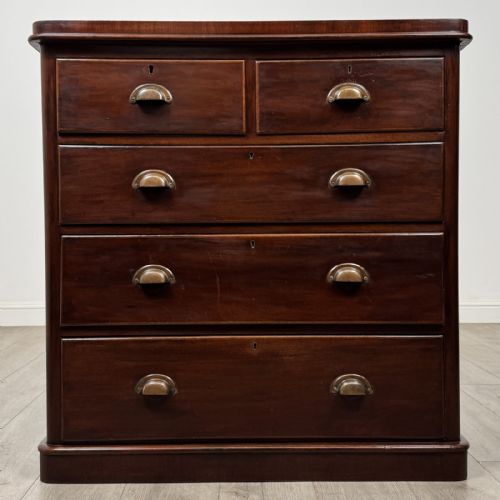
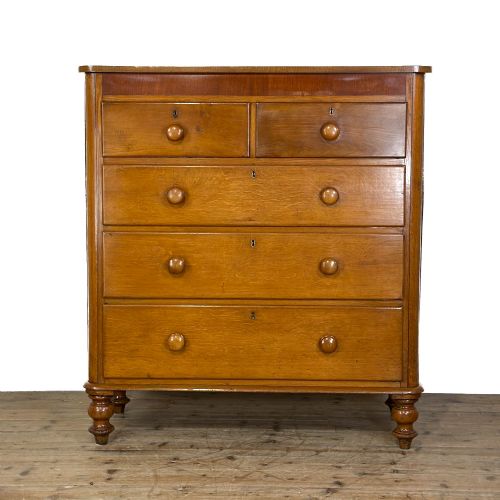
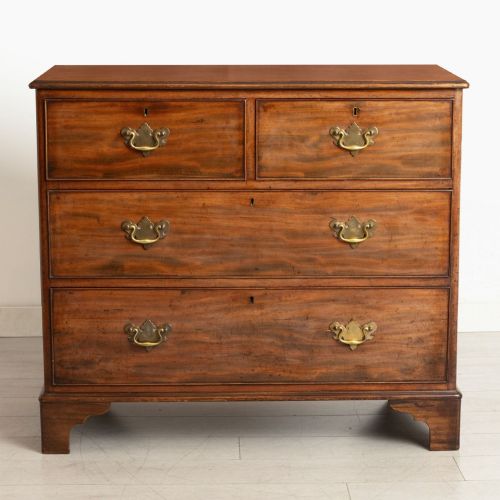
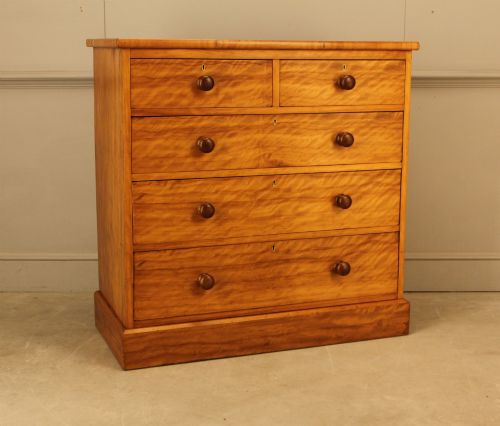
Traditional wooden dresser drawers offer honest utility and timeless room storage, spanning periods from the eighteenth century to the twentieth century in oak, mahogany, walnut, and pine.
Traditional Wooden Dresser Drawers
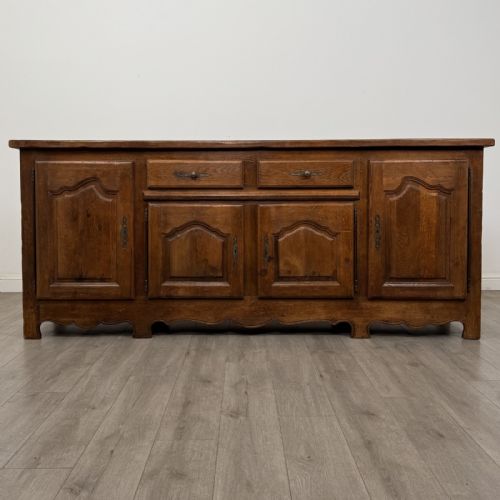
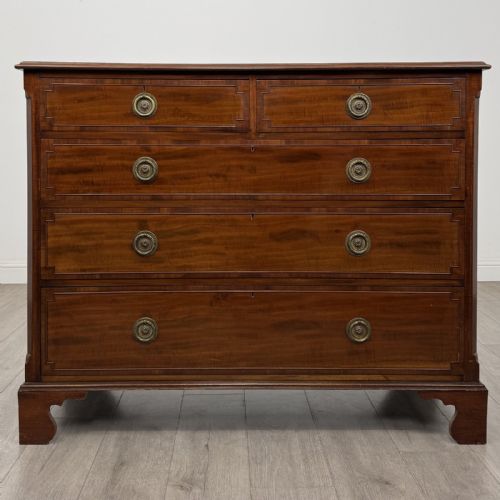
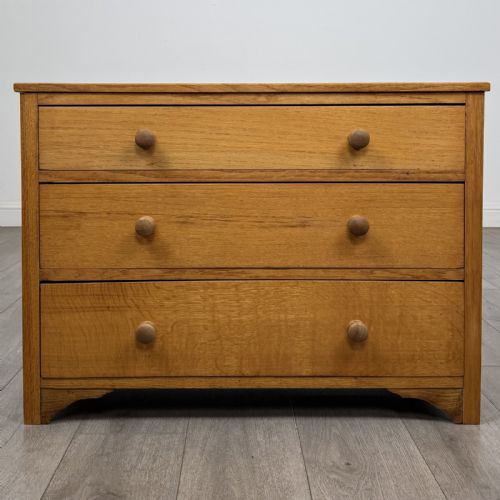
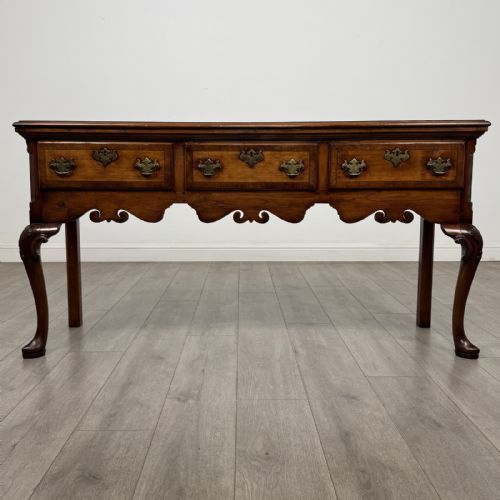
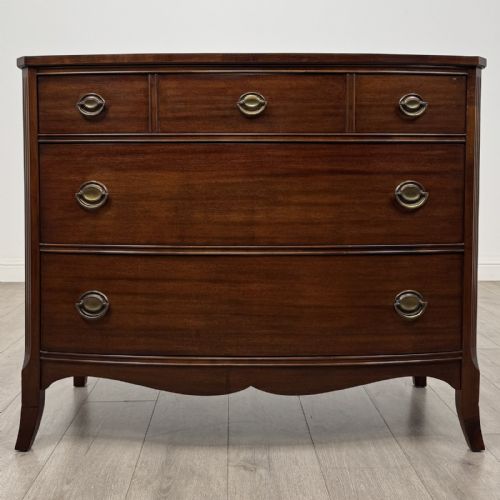
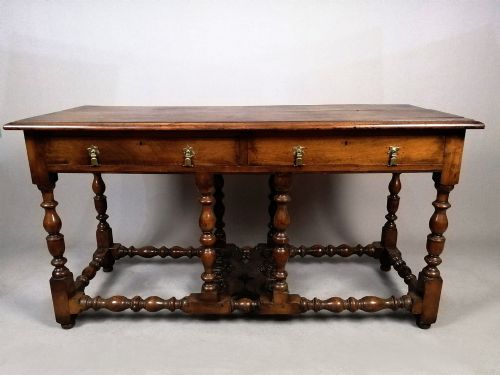
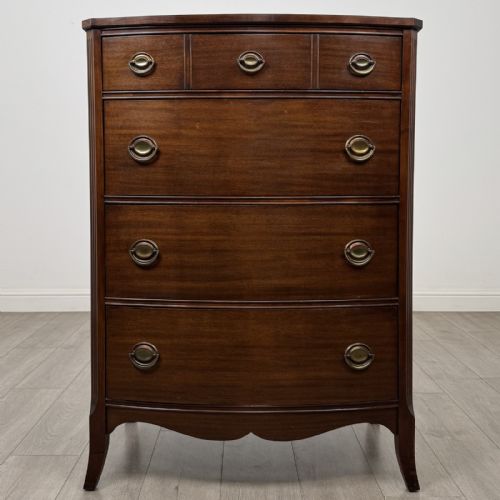
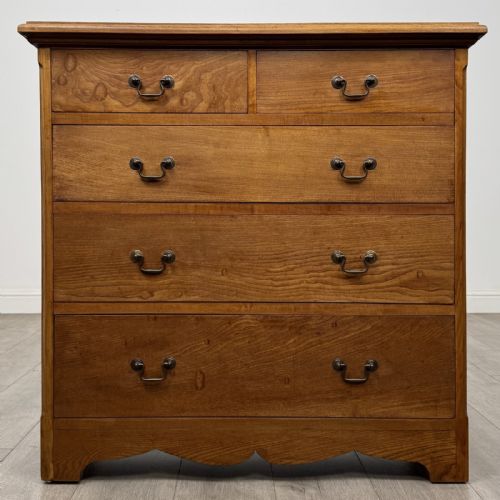
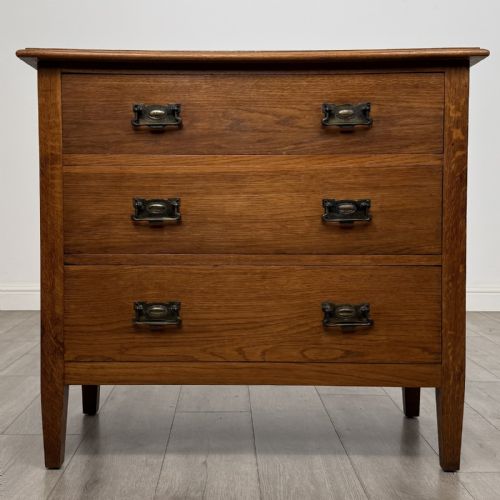
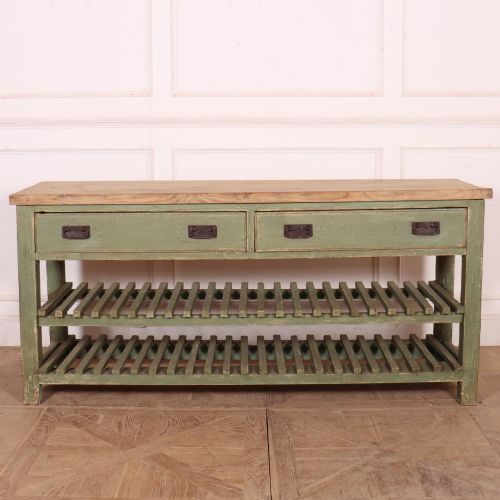
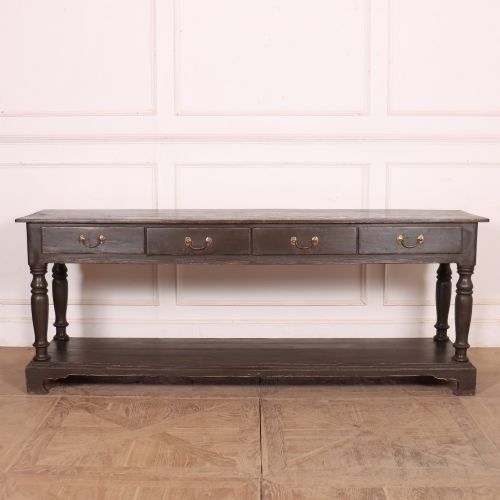
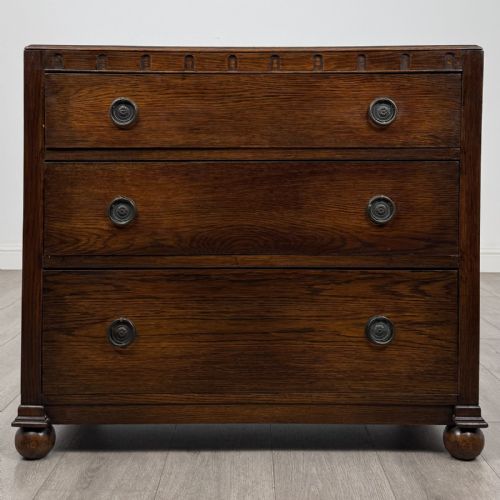
Traditional wooden dresser drawers encompass chest of drawers forms, dresser bases, sideboards, and linen presses across Georgian, Victorian, and Edwardian eras. Buyers searching for traditional wooden dresser drawers encounter pieces built primarily for domestic storage, ranging from formal mahogany bow fronts to practical scrubbed pine bedroom pieces.
The selection on this page relies heavily on nineteenth-century Victorian pine and mahogany examples alongside eighteenth-century golden oak and walnut items. Formats vary from straight-front configurations to serpentine shapes and compact heights.
Regional and period variations dictate the character of each piece, uniting utilitarian kitchen dresser bases with formal bedroom chests under a shared banner of traditional cabinetmaking.
Materials and construction methods
Cabinetmakers utilised solid native timbers such as oak, pine, and walnut alongside imported mahogany and decorative veneers including flame mahogany and burr walnut. These woods formed the structural carcases and drawer boxes that define traditional construction.
Metal hardware, predominantly brass handles and key escutcheons, accompanied dovetailed joints and timber drawer linings. Surfaces received wax or polished finishes that highlighted the natural grain of the wood.
Materials documented across the listings include brass, mahogany, oak, pine, walnut, flame mahogany veneer, and metal.
Assessing build quality and execution
Quality rests in the selection of timber figures, such as figured walnut or flame mahogany veneers, and the precision of the joinery within the drawer frames. Superior examples display careful timber matching across the drawer fronts and well-fitted structural elements.
The refinement of the proportions and the execution of secondary details, such as serpentine shaping or brass hardware, separate standard utilitarian storage pieces from finer cabinet work.
Jas Shoolbred
The Traditional Wooden Dresser Drawers Glossary
- Bow front
- A cabinet front that curves outward in a convex shape. This profile gained popularity during the Georgian and Regency periods.
- Serpentine
- A front design featuring a concave centre flanked by convex outer curves. It requires advanced woodworking skill to execute properly.
- Dovetail
- An interlocking joint formed by interlocking wedge-shaped fingers. It provides durable construction for drawer corners.
- Linenfold
- A carved wood panel motif resembling folded cloth. This style appears frequently on Tudor and revival oak furniture.
- Scrubbed pine
- A soft-wood surface cleaned down to the raw timber grain. It indicates practical use in domestic kitchens and pantries.
Traditional Wooden Dresser Drawers: Frequently Asked Questions
How do I date a wooden chest of drawers?
Dating relies on observing timber choices, handle styles, and construction methods like dovetailing. Georgian pieces often show distinct proportions and oak linings, while Victorian examples frequently utilise pine carcases.
Secondary clues include the presence of veneer types, such as flame mahogany or burr walnut, which shift across eighteenth, nineteenth, and twentieth-century eras.
What is the difference between a dresser base and a chest of drawers?
A chest of drawers focuses primarily on stacked bedroom storage across multiple horizontal tiers. A dresser base generally originates from the kitchen or dining areas and incorporates cupboards or open lower storage alongside drawers.
Both forms utilise traditional solid woods like oak and pine, but their original domestic functions shaped their internal layouts.
Are pine chests of drawers purely utilitarian?
Pine examples served heavily in nineteenth-century bedrooms and utility spaces as practical storage furniture. Many retain scrubbed surfaces or original waxed finishes reflecting everyday household use.
Despite their functional origins, these pieces demonstrate careful joinery and dovetailed drawer construction comparable to formal hardwood furniture.
How should I care for antique wooden drawers?
Maintain a stable indoor environment away from direct heat sources and dramatic humidity shifts to protect the wood and veneer. Regular dusting with a dry cloth preserves the polished or waxed surface.
Avoid commercial silicone sprays and instead rely on traditional beeswax to nourish older mahogany, oak, and walnut timbers.