
Traditional Wooden Dresser Base
A traditional wooden dresser base provides sturdy surface space and storage, anchored by solid timber construction spanning the eighteenth, nineteenth, and twentieth centuries.
Traditional Wooden Dresser Base
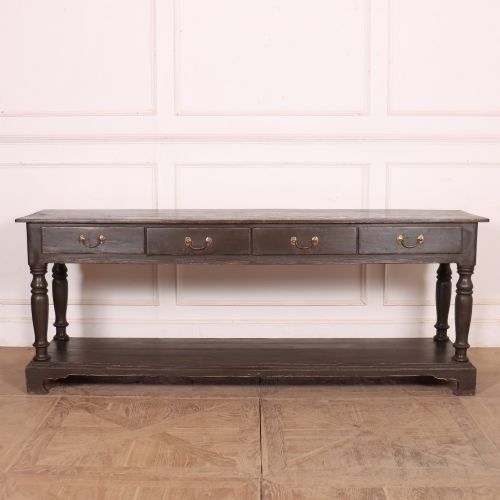
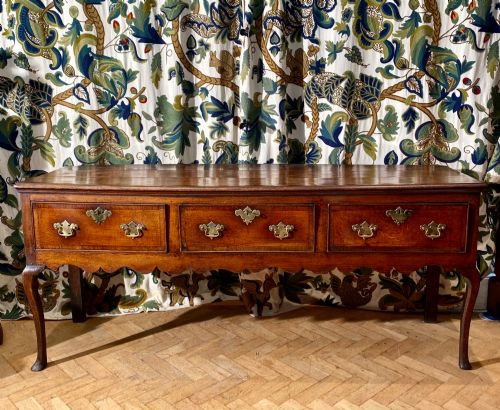
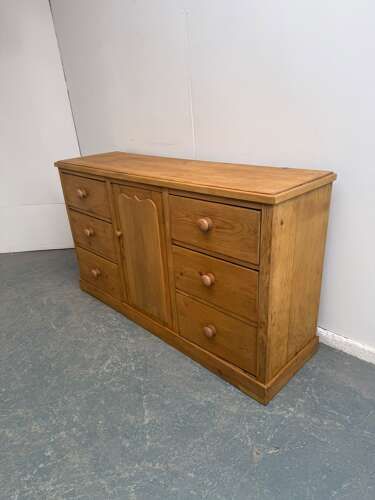
When searching for a traditional wooden dresser base, buyers encounter low-profile storage furniture designed primarily for kitchens, dining rooms, and hallways. These utility pieces offer broad working surfaces paired with deep drawers and cupboard doors underneath.
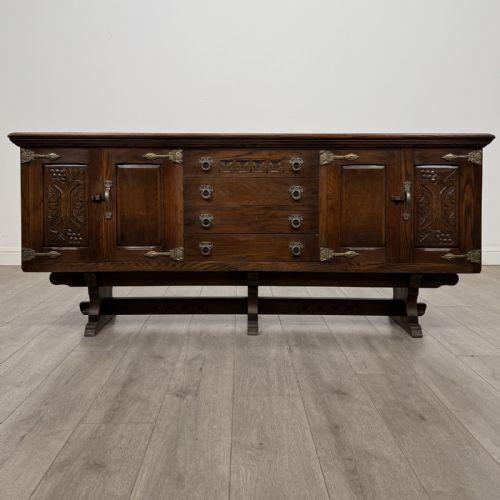
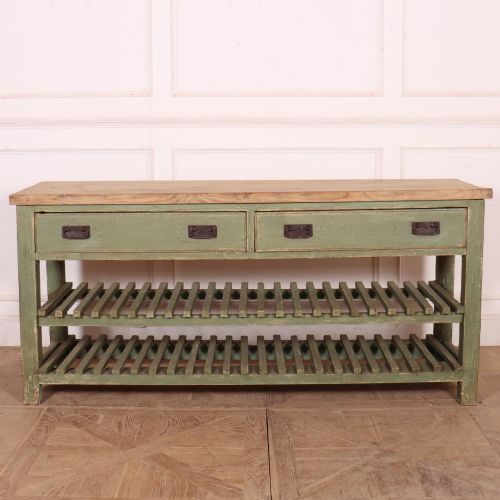
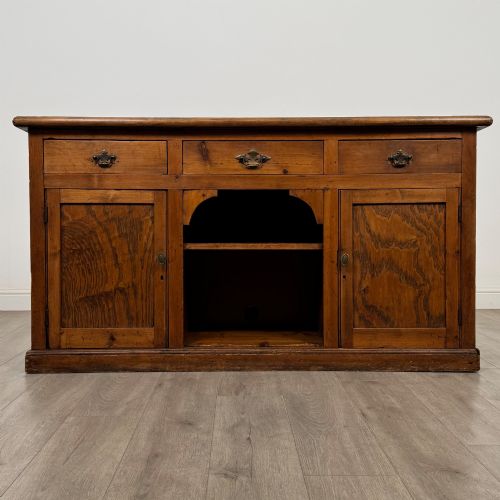
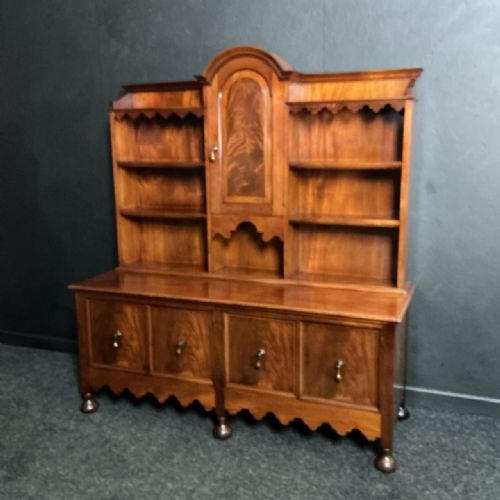
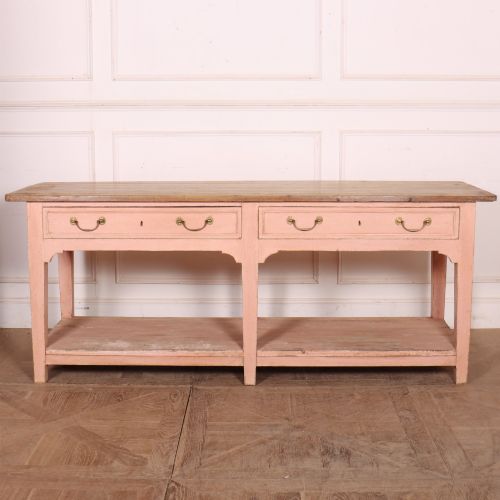
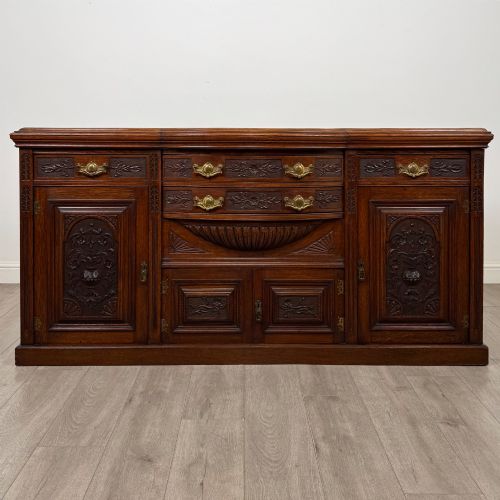
The selections span distinct regional and historical categories, ranging from eighteenth-century English and Welsh oak examples to nineteenth-century pine country pieces and Edwardian golden oak designs. Many incorporate potboards or open lower shelves suited to displaying heavy kitchenware.
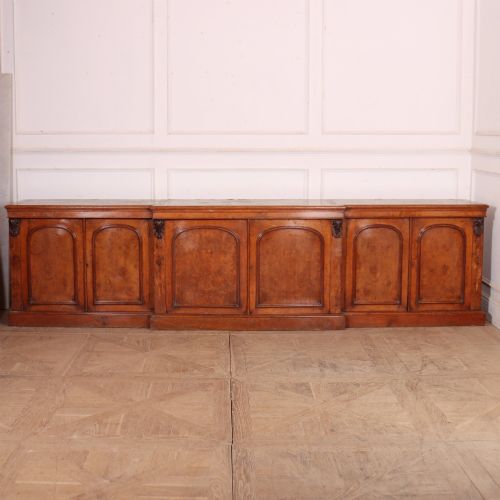
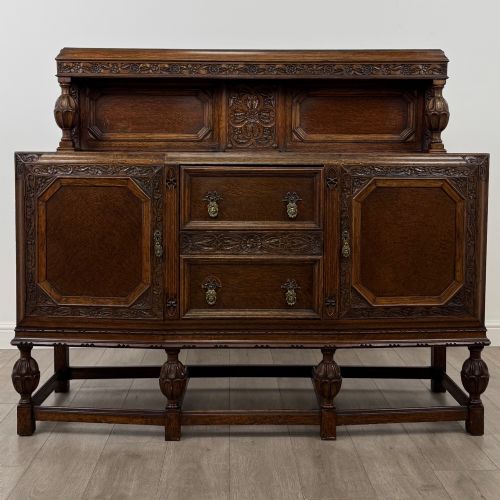
Victorian and Edwardian iterations frequently appear alongside earlier Georgian forms, reflecting shifting domestic needs from utilitarian scullery storage to refined dining room sideboards. Buyers select them for their honest proportions and practical surface area.
How they were made
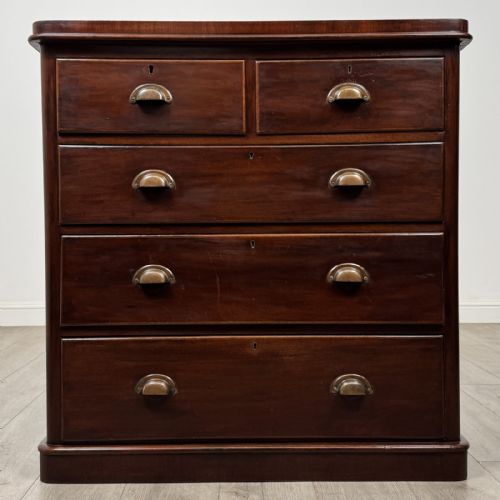
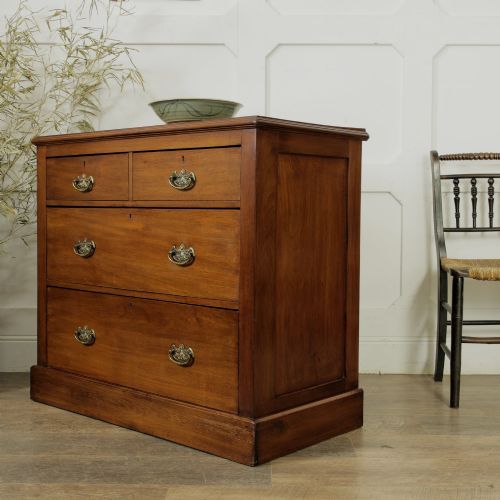
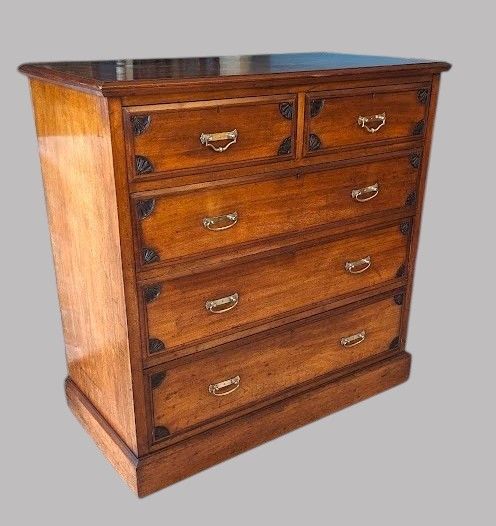
Cabinet makers built traditional wooden dresser bases predominantly using solid oak, pine, and mahogany, frequently pairing timbers like elm and satinwood for drawer linings and secondary framing. Iron and brass hardware, including original drop handles and knobs, secure the structural joints and drawers.
Surfaces received varied finishes depending on the period and function, utilising wax, original paint, or French polish over flame mahogany veneer and carved panels. Joinery techniques relied on pegged mortise and tenon frames, hand-cut dovetails for drawers, and planked timber tops.
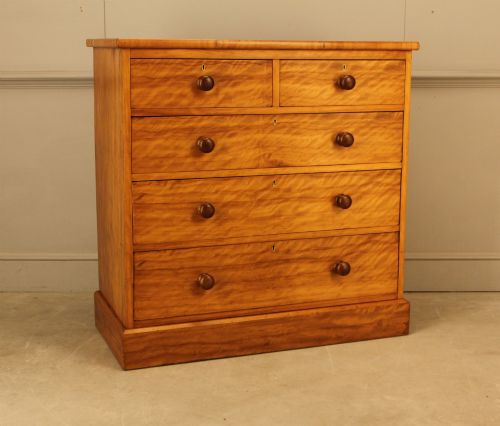
Current listings feature pieces spanning the eighteenth century through the 1930s, constructed in oak, pine, mahogany, and satinwood.
What varies in quality
Quality rests on timber selection and the retention of original surface treatments, whether a waxed pine patina, historic paint, or figured mahogany veneer. Pieces retaining their original brass handles and unreplaced timber boards command greater regard.
The crispness of hand-carved detailing on Jacobean Revival and Victorian oak examples separates standard utility items from finer workshop output. Structural integrity in the potboard base and drawer runners dictates longevity and daily usability.
The Traditional Wooden Dresser Base Glossary
- Potboard
- An open lower shelf built into a dresser base designed for storing pots and pans. This lower tier sits just above the floor on stretchers.
- Dresser Base
- A low freestanding cabinet featuring a flat top surface above rows of drawers and cupboards. It functions independently without the upper plate rack of a full dresser.
- Flame Mahogany Veneer
- A decorative wood veneer cut from branches where they join the main trunk, showing a distinctive flickering flame pattern. Cabinet makers applied this to drawer fronts during the nineteenth century.
- Satinwood
- A dense, yellowish-brown hardwood utilised for fine cabinetry and decorative veneers during the eighteenth and nineteenth centuries. It takes a high polish and provides a contrasting golden sheen.
Traditional Wooden Dresser Base: Frequently Asked Questions
How do I date a wooden dresser base?
Dating relies on timber choice, construction methods, and hardware styles across the eighteenth, nineteenth, and twentieth centuries. Earlier pieces typically show hand-sawn oak timbers and pegged joints, whilst Victorian and Edwardian examples utilise machine-sawn elements and different secondary woods.
Drawer construction provides further clues, as hand-cut dovetails generally precede later mechanical joinery. Comparing the overall proportions against regional styles like Welsh or Lancashire forms helps narrow the decade of manufacture.
Where should I place a dresser base?
These low cabinets suit kitchens, dining rooms, and hallways where a long surface and enclosed storage are required. Their shallow depth allows them to sit comfortably against walls in narrow circulation spaces.
In living areas, they function as sideboards or serving tables, pairing surface display space with drawers for cutlery and linens.
Are these pieces made of solid wood?
The listings include substantial furniture constructed from solid timbers such as oak, pine, and mahogany. Secondary woods often line the interior components and drawer carcases.
Certain refined pieces incorporate decorative veneers like flame mahogany applied to drawer fronts over solid sub-frames, reflecting the high standards of nineteenth-century cabinet making.