
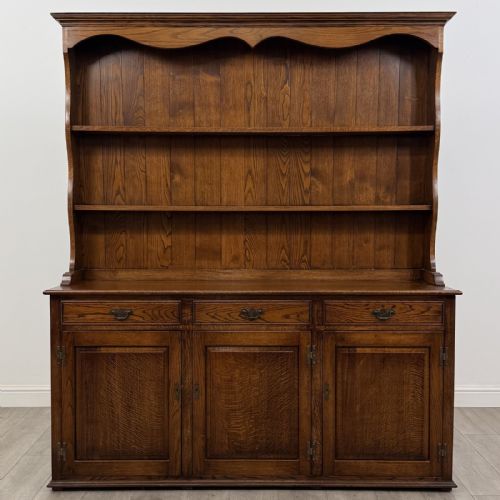
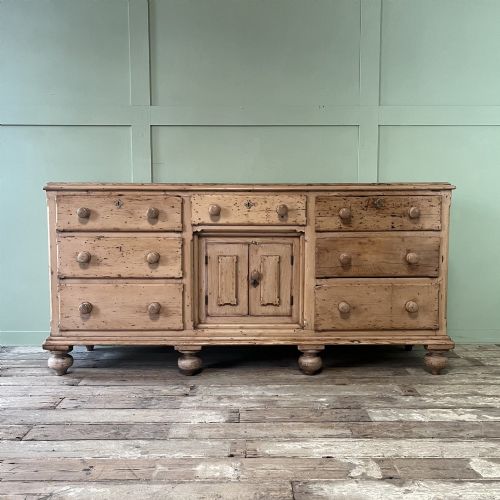
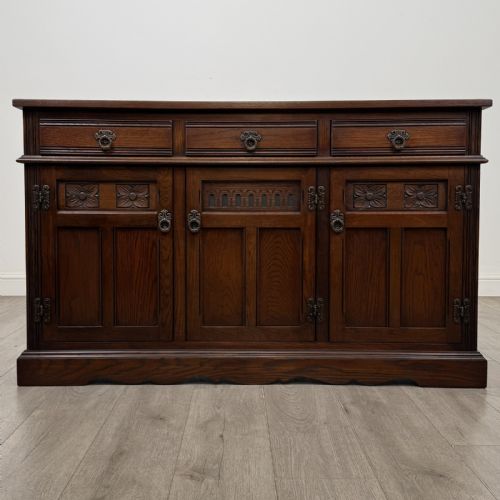
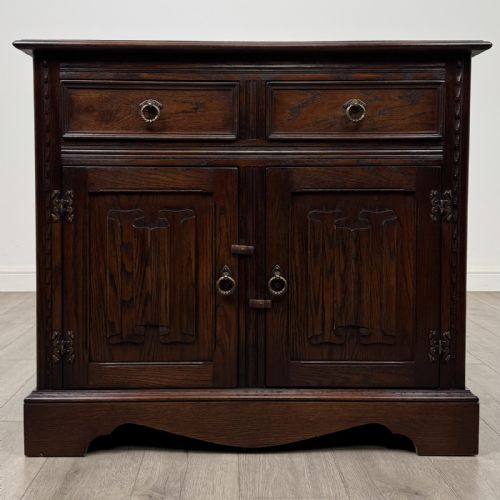
Traditional Wooden Cupboard
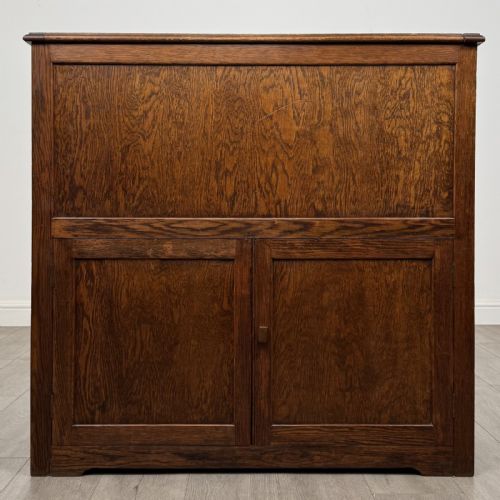
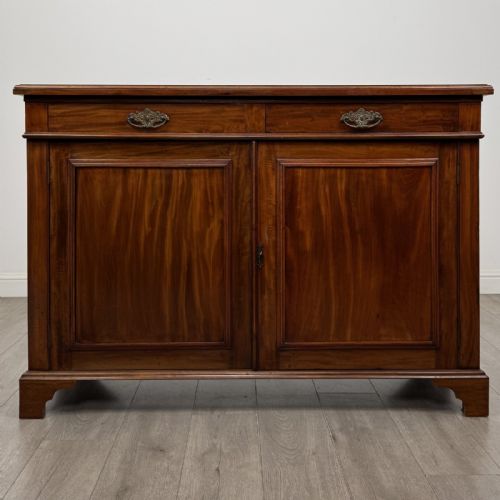
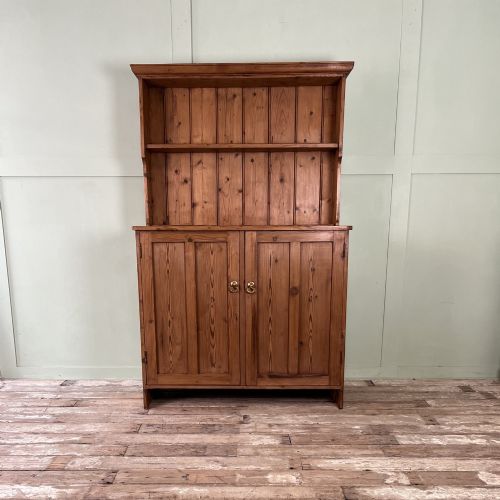
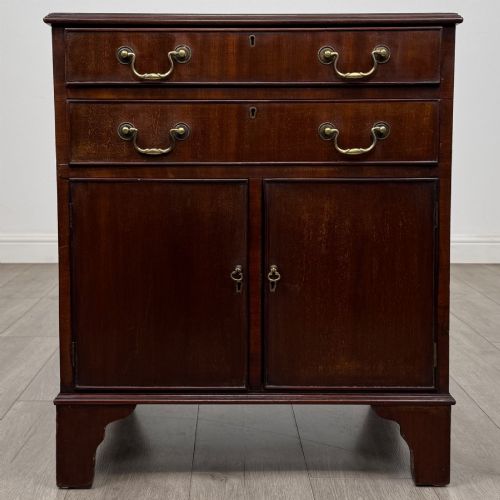
A traditional wooden cupboard provides enduring storage, spanning eras from the Georgian period through to the Edwardian age in oak, mahogany, and pine.
Traditional Wooden Cupboard
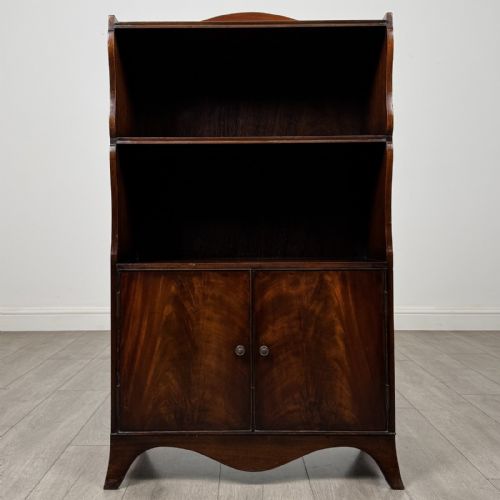
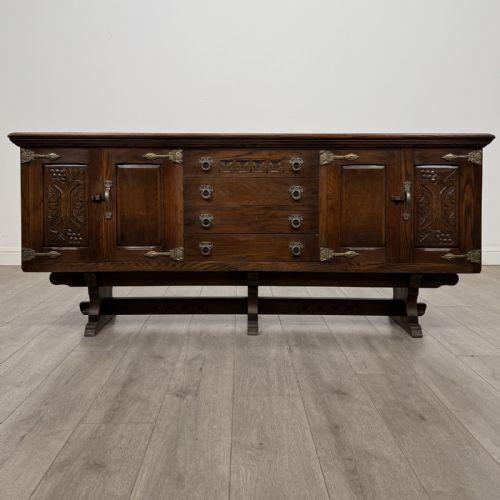
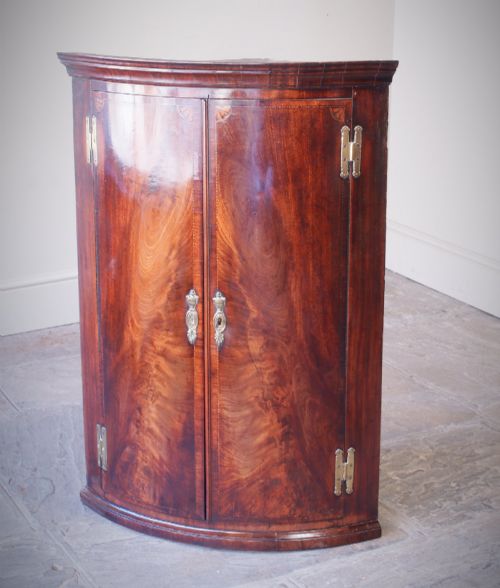
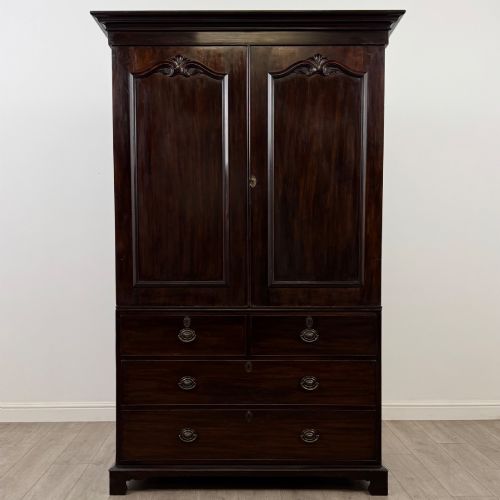
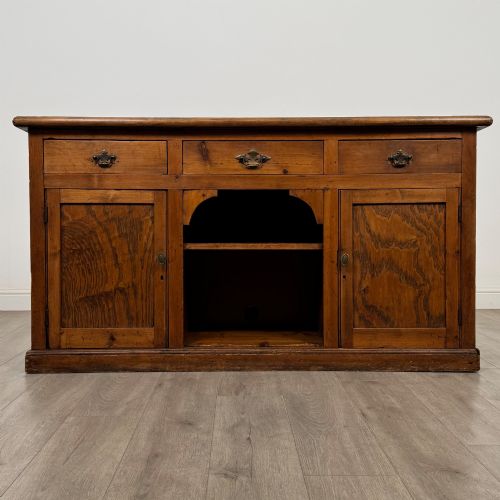
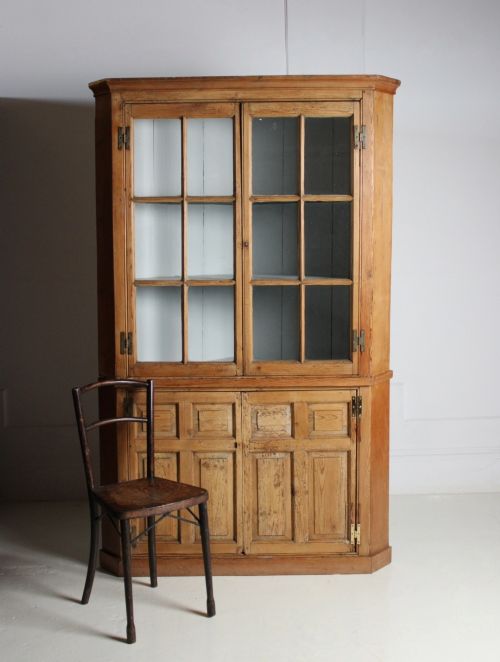
A traditional wooden cupboard encompasses a diverse range of storage forms, from Georgian corner cabinets and Victorian linen presses to Edwardian sideboards and French pine wardrobes. These pieces serve practical household needs while displaying the distinct character of their respective periods of origin.
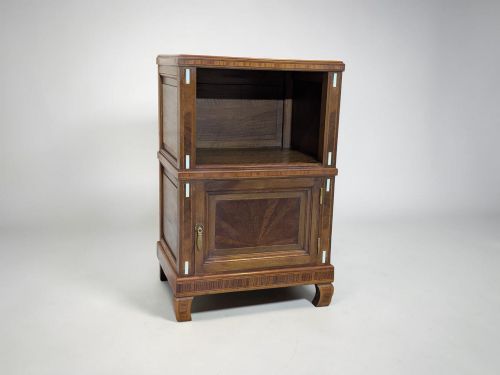
Origins stretch across the eighteenth, nineteenth, and twentieth centuries, incorporating revival styles alongside pieces built directly within their historical eras. This variety ensures that storage solutions range from tall open bookcases to low bedside tables and fitted corner cupboards.
Materials and construction
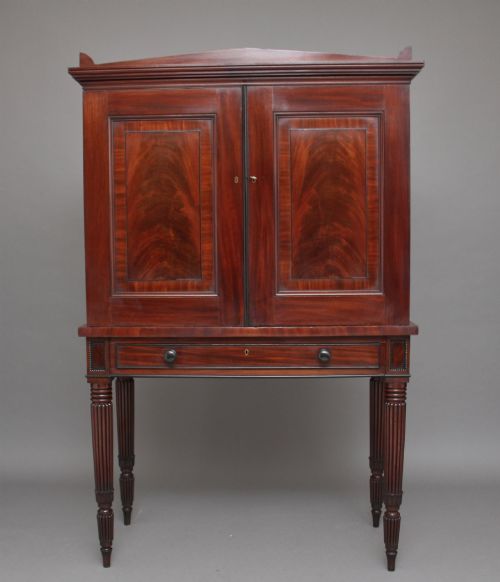
Timbers such as solid oak, mahogany, and pine form the primary structural foundation for these pieces, often complemented by flame mahogany veneer, burr walnut, or ash. Workshops utilised durable joints and heavy boards to ensure longevity, occasionally applying original paint or wax finishes to the exterior surfaces.
Hardware details typically include brass fixtures and iron elements, while glass panels appear on glazed bookcases and mirrored sections on later wardrobes. Carved ornamentation, bun feet, and panelled doors reflect the stylistic preferences of makers working during the Georgian, Victorian, and Edwardian periods.
Dowry chests travelled across continents to hold household linen, transforming wedding traditions into heavy carved teak storage cabinets.
The spectrum of quality
Quality differences emerge through the selection of timber grades, such as figured flame mahogany veneer versus standard pine, and the precision of the joinery. Superior examples display thoughtful proportions, integrated carving, and substantial brass hardware that complement the underlying wood structure.
The integrity of original surfaces, including aged paintwork, hand-waxed finishes, and untouched panel construction, distinguishes more accomplished pieces from later alterations. Solid backboards, well-fitted doors, and stable bases indicate careful workshop execution regardless of whether the piece originates from an English country workshop or a French provincial maker.
The Traditional Wooden Cupboard Glossary
- Linen Press
- A tall storage piece traditionally used for household linens, combining upper cupboard doors with lower storage drawers. These items often feature internal sliding trays.
- Compactum Wardrobe
- A multi-compartment wardrobe designed to maximise storage capacity within a single unit, frequently incorporating side cupboards, hanging space, and central drawers.
- Breakfront Bookcase
- A large bookcase featuring a central section that projects forward from the flanking outer sections. This architectural form creates depth and visual rhythm across the piece.
- Almirah
- A regional cupboard or standalone wardrobe originating from Indian traditions, constructed from teak and frequently embellished with carved details. These cabinets function as substantial storage centerpieces.
- Corner Cupboard
- A space-saving cabinet engineered with an angled back to fit snugly into room corners, appearing in both hanging wall formats and floor-standing base variants.
Traditional Wooden Cupboard: Frequently Asked Questions
How do I identify a Georgian cupboard?
Georgian pieces typically display formal classical proportions, mahogany or oak construction, and restrained decorative elements like brass handles and bracket feet. Corner cabinets and press cupboards from this era focus on clean architectural lines.
Interior layouts often feature fixed shelving or simple hanging space behind panelled doors. The joinery employs traditional techniques characteristic of eighteenth-century workshop production.
What is a Victorian linen press?
A Victorian linen press is a substantial storage cabinet that houses sliding shelves or trays in the upper section and multiple drawers below. They were built to store folded textiles before modern fitted closets became standard.
Made predominantly from mahogany, oak, or burr walnut, these pieces often sit on plinth bases or short feet. Their generous proportions provide heavy-duty domestic storage.
Where were pine wardrobes made?
Pine wardrobes appear in various regional British and French traditions, often featuring knockdown construction for ease of transport. French country examples from around nineteen hundred frequently exhibit simple proportions and double-door formats.
Many of these pieces were intended for wax or paint finishes, allowing domestic interiors to adapt the surface tone. Their construction relies on softer coniferous woods compared to formal mahogany or oak furniture.
How do I care for antique wood?
Maintain antique wooden surfaces by applying appropriate natural waxes and avoiding direct placement near heat sources or strong sunlight. Regular dusting with a soft cloth preserves the existing finish without stripping historical patination.
Keep indoor humidity levels relatively stable to prevent timber from splitting or warping. Gentle maintenance ensures that original polish and grain patterns remain intact.