
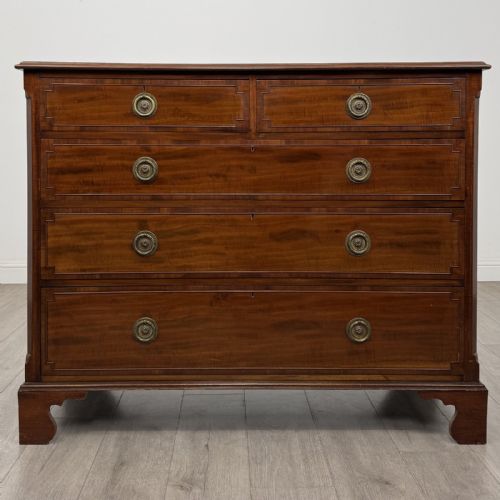
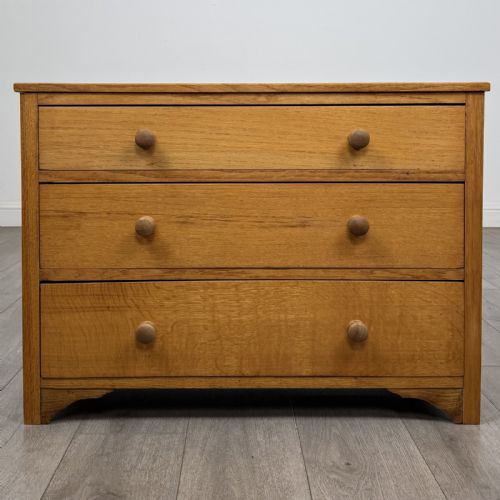
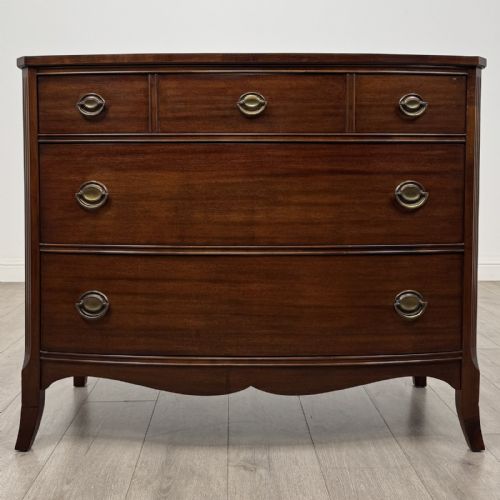
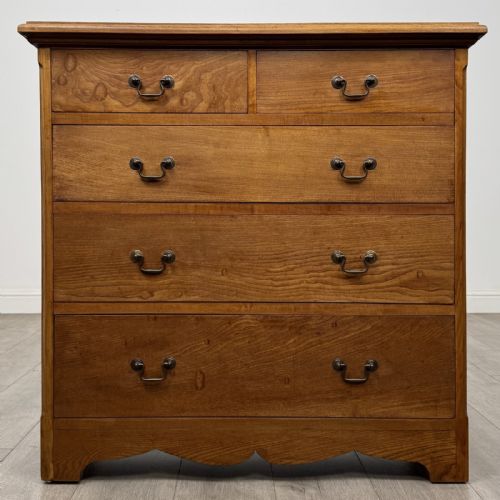
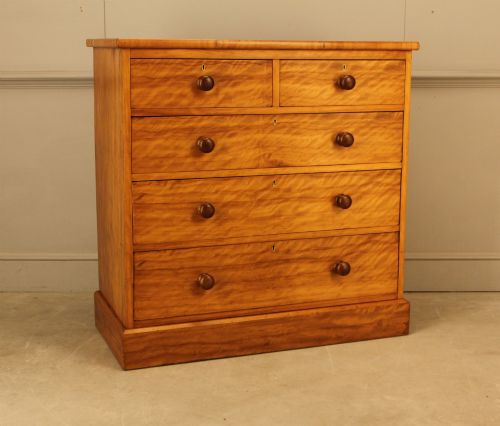
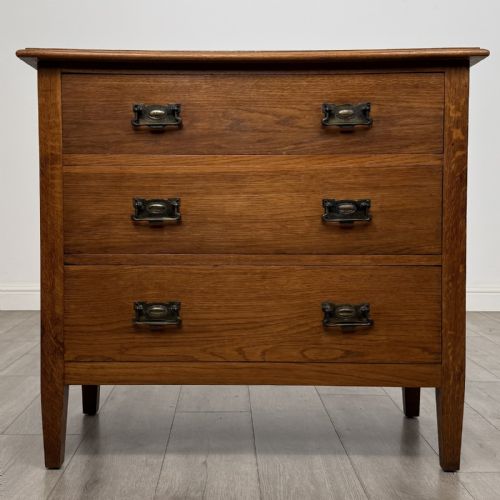
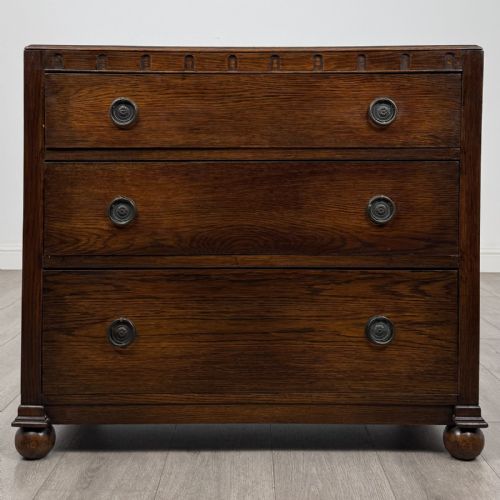
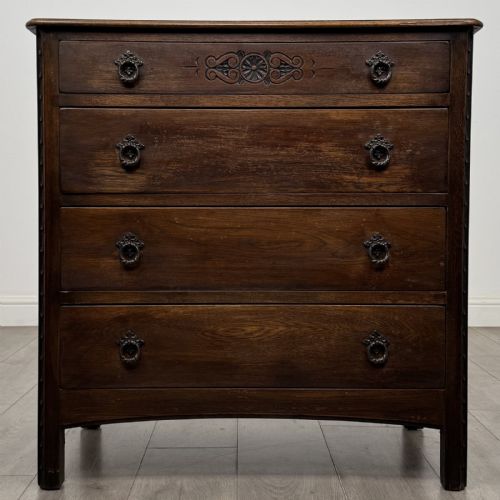
Traditional Wooden Bedroom Storage
Traditional wooden bedroom storage brings lasting utility to sleeping quarters through centuries-old chests, wardrobes, and presses built from solid timber.
Traditional Wooden Bedroom Storage
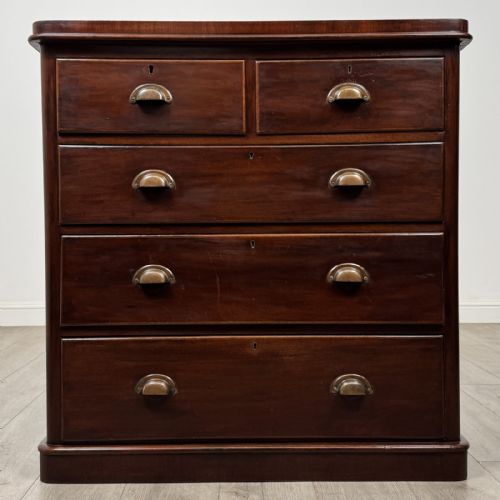
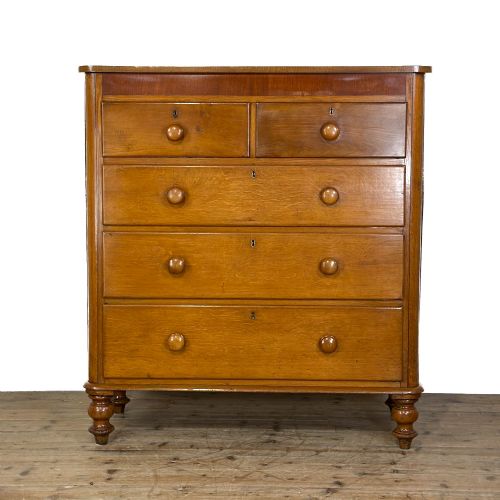
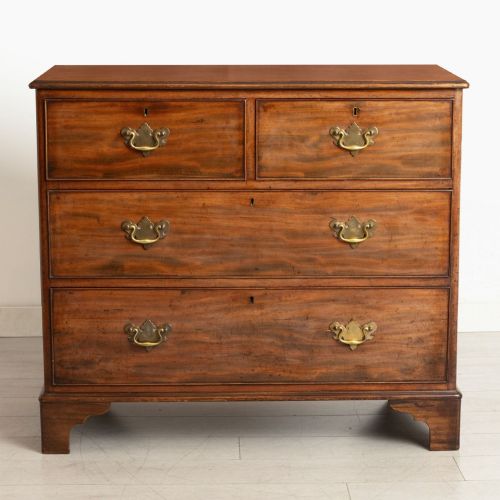
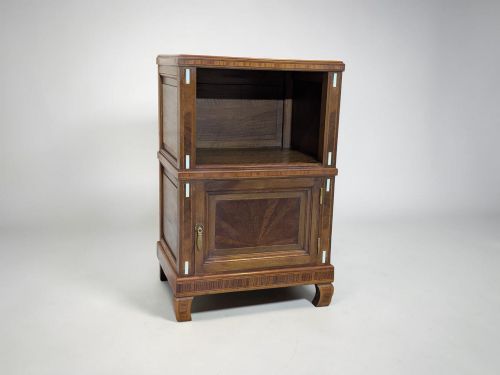
Traditional wooden bedroom storage primarily consists of chests of drawers, linen presses, armoires, and wardrobes built to hold clothing and domestic textiles. When exploring traditional wooden bedroom storage, buyers encounter forms ranging from compact three-drawer pieces to towering chests on chests and tall linen presses.
The selections span distinct historical periods, including the 18th century, the Georgian era, the Victorian period, and the Edwardian years. Mahogany, oak, pine, and walnut form the structural core of these pieces, reflecting the prevailing tastes of British and continental cabinetmakers across generations.
How these pieces were constructed
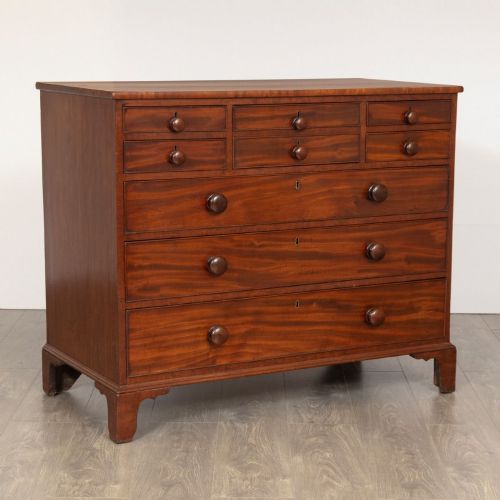
Cabinetmakers built traditional bedroom storage using dense timbers such as mahogany, oak, and walnut, frequently applying flame mahogany veneer or burr walnut to prominent drawer fronts and surfaces. These primary woods provided structural stability while displaying rich grain patterns.
Joinery techniques relied on dovetailed drawer construction and mortise and tenon frames, complemented by brass handles, escutcheons, and bun handles. Pine also served extensively for internal drawer linings and secondary framing in regional pieces.
Some Victorian pine chests arrive bearing the deep, ink-stained thumbprints of forgotten housemaids who pulled the drawers a fraction too fast.
What separates the finest examples
Quality in traditional bedroom storage depends on the selection of timber figures, such as figured walnut or flame mahogany, matched symmetrically across drawer fronts. The crispness of hand-cut dovetail joints and the retention of original brass hardware elevate an example.
Proportion and architectural detailing distinguish exceptional pieces, from serpentine fronts and disciplined cornice mouldings to secondary woods chosen for internal framing. The integrity of the timber and the restraint applied to decorative carving define the standing of each cabinet.
Jas Shoolbred
The Traditional Wooden Bedroom Storage Glossary
- Bow-front
- A cabinet front that curves outward in a convex arc. This shape gained popularity during the Georgian and Regency periods.
- Chest on chest
- A tall storage unit comprising one chest stacked directly on top of a larger lower chest. This form maximises vertical storage capacity.
- Linen press
- A tall cupboard featuring upper doors enclosing sliding trays for textiles, positioned above a base of lower drawers. They served to store folded linens and garments.
- Serpentine
- A shaped front featuring a convex centre flanked by concave curves, creating an undulating line. This treatment requires advanced cabinetmaking skill.
- Bun handle
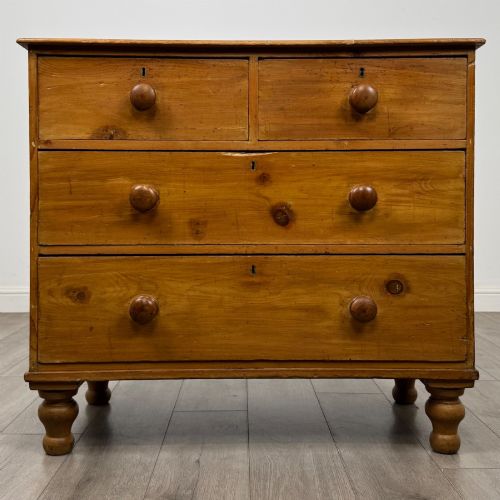
- A small, rounded, protruding wooden knob attached to drawer fronts. These turned pulls appear frequently on nineteenth-century pine furniture.
Traditional Wooden Bedroom Storage: Frequently Asked Questions
What is a chest on chest?
A chest on chest is a tall, two-part storage unit where a smaller upper chest sits directly upon a larger lower chest. This configuration provides substantial drawer capacity while maintaining a compact footprint on the floor.
Cabinetmakers constructed these towering units in modular sections to ease transportation up staircases and through domestic hallways.
How do I identify a Georgian chest of drawers?
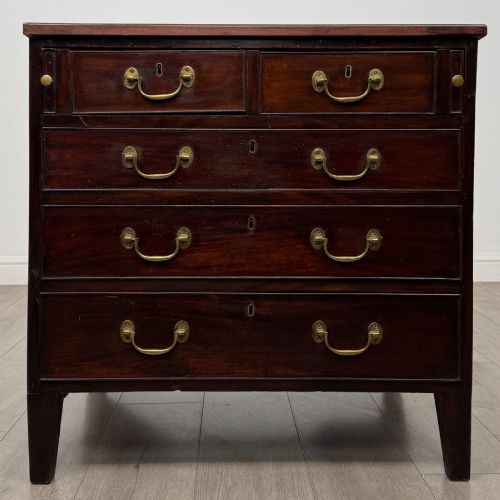
Georgian chests of drawers typically feature solid mahogany or oak construction, fine hand-cut dovetails, and restrained proportions. Details such as bracket feet, cockbeading around drawer edges, and original brass drop handles help confirm the period.
Later Victorian interpretations often display heavier proportions, turned feet, and different internal secondary woods compared to their eighteenth-century predecessors.
Where were linen presses used?
Linen presses originated as specialised storage furniture for bedrooms and dressing rooms to keep household textiles flat and clean. The upper compartment traditionally housed sliding shelves for folded sheets, while the lower drawers held smaller garments.
Over time, many of these presses were converted into regular wardrobes by removing internal trays and inserting hanging rails.
What is the difference between oak and mahogany pieces?
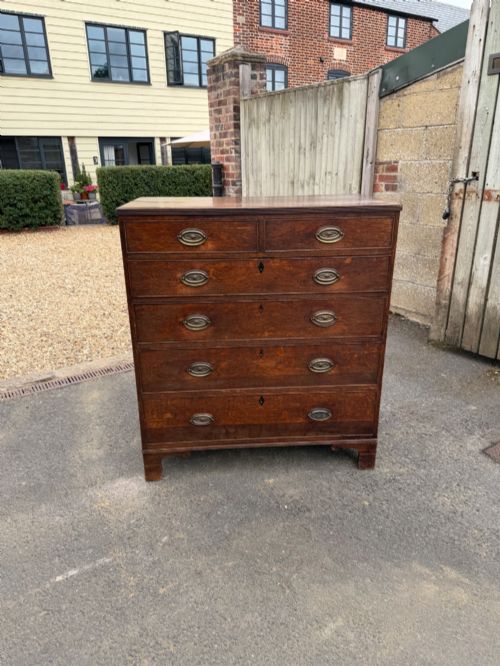
Oak furniture tends to represent earlier periods, displaying prominent grain patterns and robust construction associated with Georgian and Victorian country workshops. Mahogany offers a smoother, denser surface that accepted dark polishing and fine veneers.
Mahogany became the dominant timber for formal urban cabinetmaking from the mid-eighteenth century onward, while pine served widely for vernacular painted or scrubbed bedroom pieces.