

Traditional Wood Lamp
A traditional wood lamp brings warmth to a room through its classic timber construction and time-tested form.
Traditional Wood Lamp
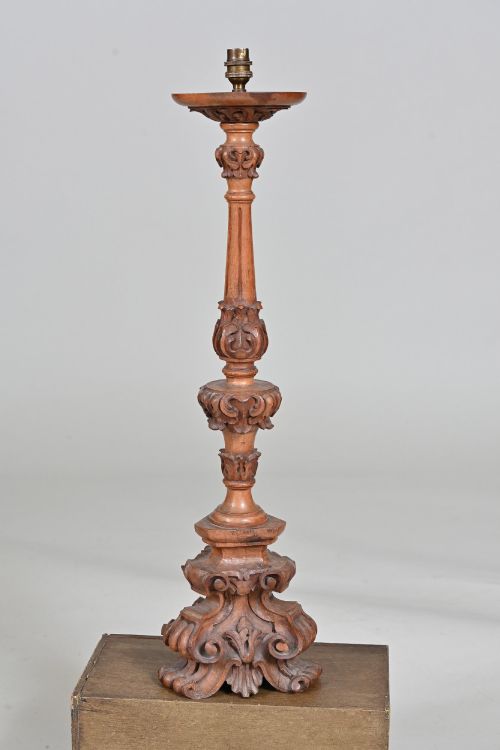
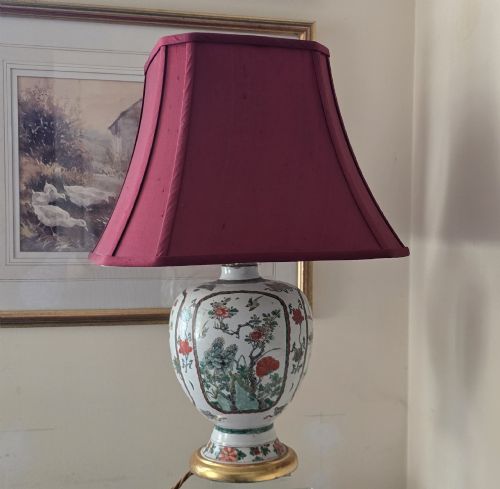
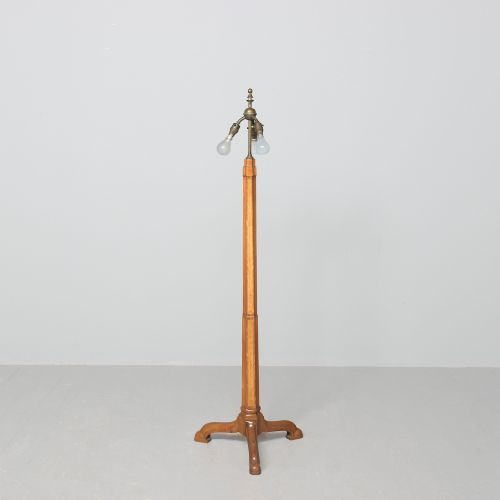
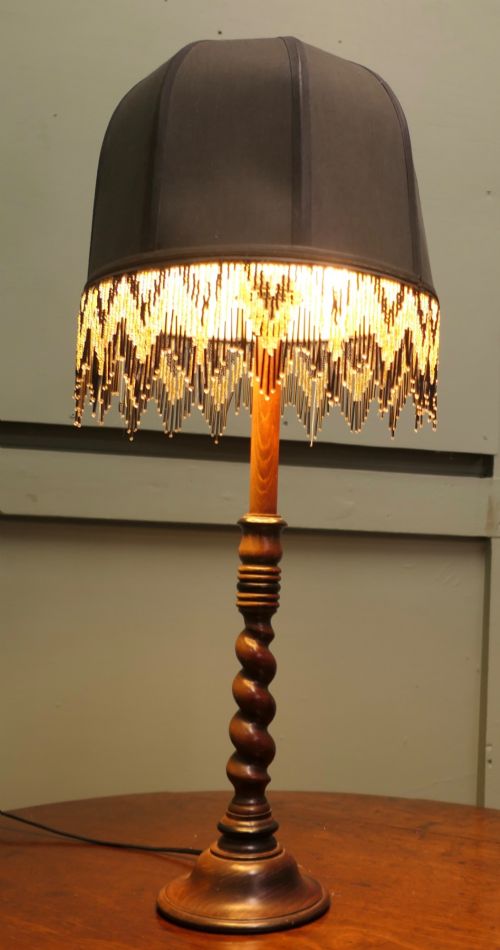
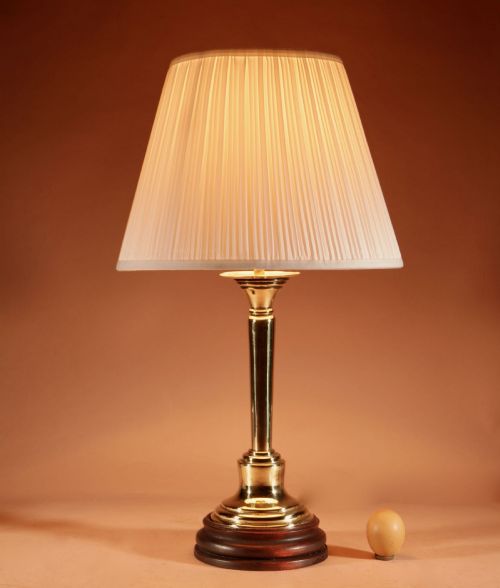
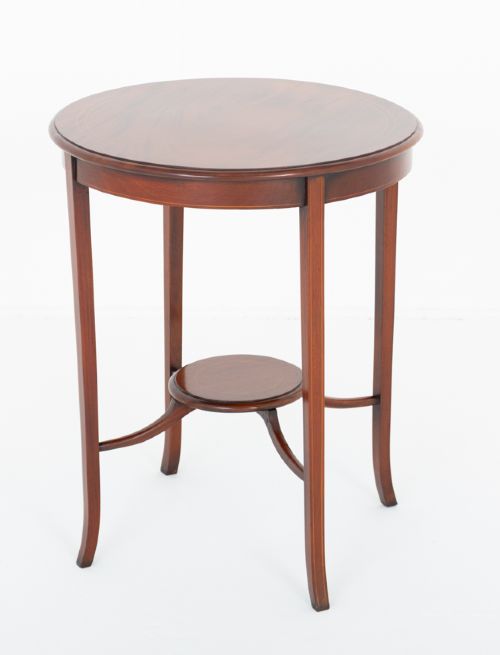
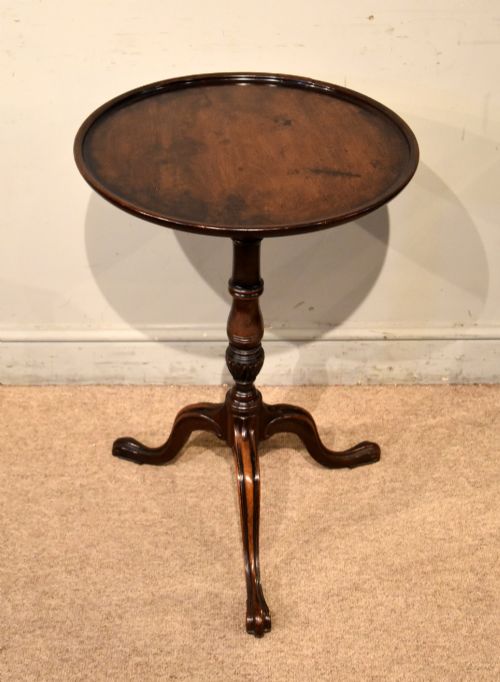
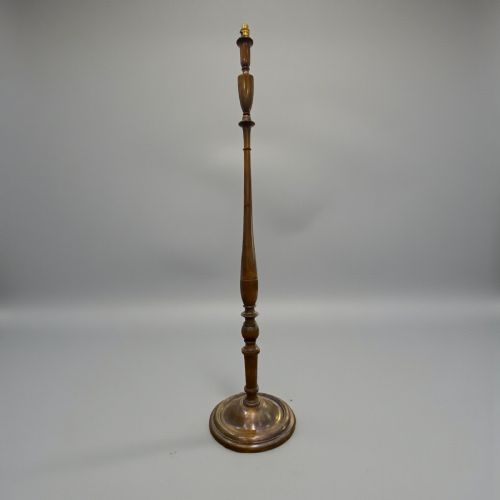
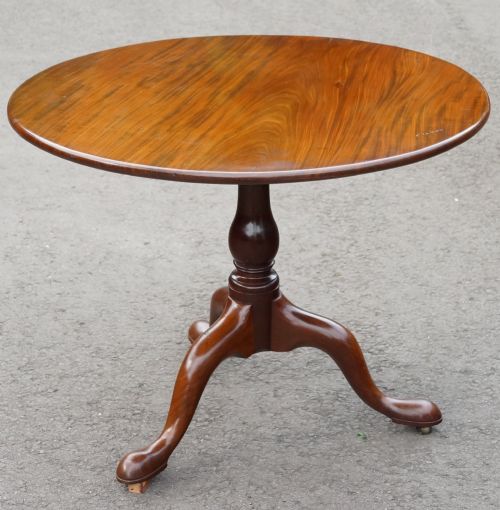
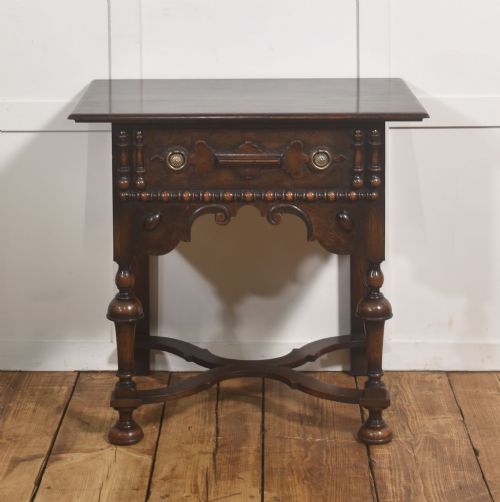
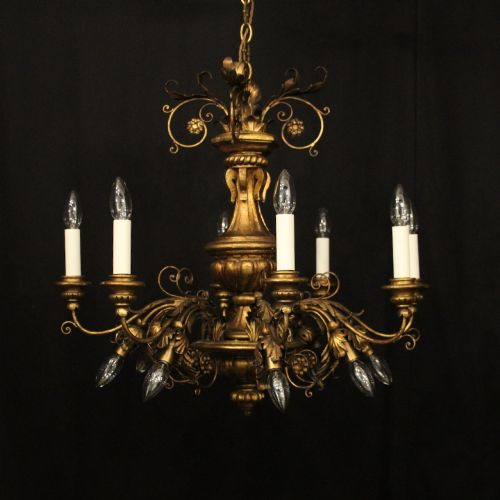
A traditional wood lamp takes many forms in these listings, appearing as floor-standing standard lamps, small table lamps, and sturdy lamp tables designed to hold a light source. Buyers seeking this category encounter pieces dating from the eighteenth century through to the nineteen-thirties, reflecting periods such as the Georgian, Victorian, and Edwardian eras.
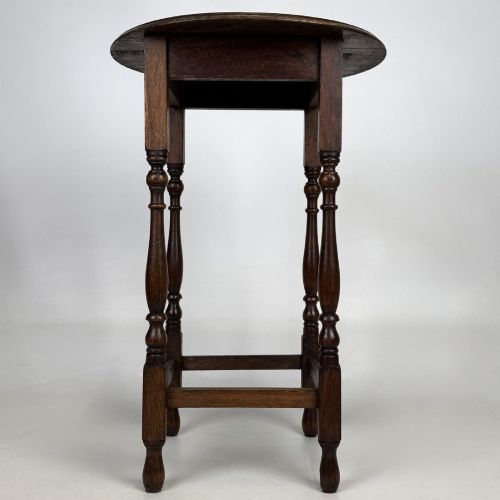
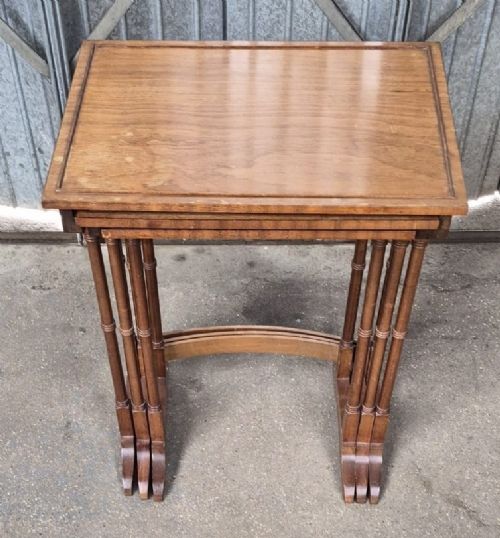
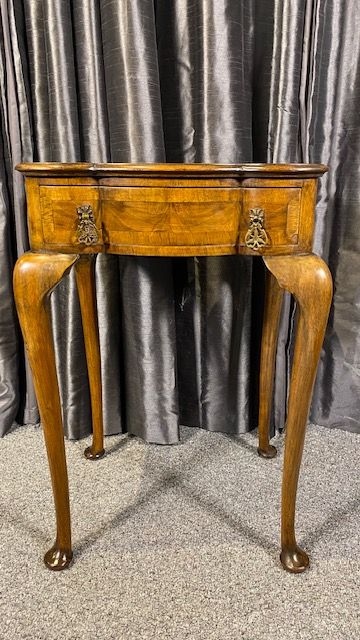
The most frequent examples on this page combine functional surfaces with solid timber frames, often categorised alongside side tables, occasional tables, and wine tables that serve a dual purpose for illumination and display. Standard lamps tower as single floor pieces, while smaller timber bases sit upon side tables to cast a domestic glow.
Origins and styling span English country designs, Jacobean revival oak, and Anglo-Indian or Kashmiri works alongside continental European interpretations. The timber selection is paramount, drawing directly on historical cabinet-making traditions that favoured durable hardwoods.
Materials and Techniques
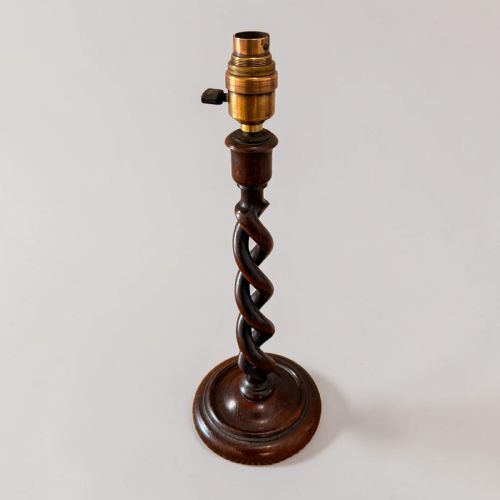
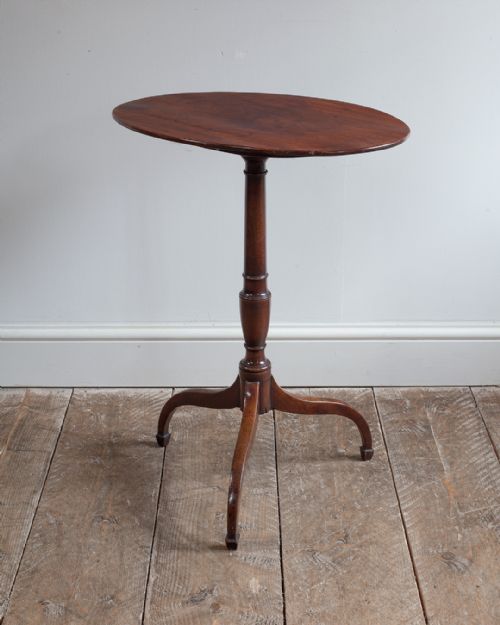
Craftsmen utilised dense hardwoods such as mahogany, oak, walnut, yew, and elm to build these structural forms, frequently incorporating brass fittings for electrical conversion or structural joining. Timber surfaces were turned on lathes to create barley twist pedestals or shaped into slender tripod legs supporting circular table tops.
Joinery methods relied on traditional pegging, mortise and tenon connections, and delicate inlay work using contrasting veneers like rosewood. Carved details on standard lamp shafts and table edges demonstrate hand-tool proficiency across the nineteenth and early twentieth centuries.
Traditional Wood Lamp Retail Price Guide 2026
Typical asking prices for traditional wood lamp among the pieces listed under this phrase on Sellingantiques today, from the lower quarter to the upper quarter. They describe what is for sale here now, not the wider market.
Listings feature items from the 18th Century, Georgian period, Victorian era, and 1930s, constructed from oak, walnut, mahogany, elm, and brass.
Factors of Quality
Quality rests in the choice of timber grain, the crispness of hand-carved details, and the integrity of the structural joints. Superior examples display dense, well-figured mahogany or walnut with harmonious colour throughout, rather than masked surfaces.
Proportion and stability dictate the upper tier of pieces, where tripod legs sit squarely and turned columns remain perfectly plumb. Lesser items show hurried timber matching or replacement mounts that disrupt the historical period.
The Traditional Wood Lamp Glossary
- Standard Lamp
- A tall floor-standing lamp designed to illuminate a room from a corner or beside seating. These upright timber shafts often feature heavy weighted bases or tripod feet for stability.
- Tripod Table
- A small occasional table supported by three legs radiating from a central pillar. They frequently appear as lamp tables or wine tables in mahogany and oak.
- Barley Twist
- A carved spiral wooden column resembling twisted barley sugar. This decorative turning technique is common on Victorian and Edwardian pedestals and lamp standards.
- Inlay
- A decorative technique where contrasting pieces of wood or metal are inserted into recesses in the primary timber surface. It appears on tabletops and cabinet fronts across the Edwardian period.
- Pie Crust Rim
- A raised, decoratively carved edge around a circular tabletop resembling pastry work. This detail is typically found on small mahogany tripod tables.
Traditional Wood Lamp: Frequently Asked Questions
Where should I place a standard lamp?
A standard lamp functions best in the corner of a living room or beside a reading chair to provide ambient illumination.
Positioning the heavy timber base securely ensures the upright shaft remains balanced and safe in high-traffic areas.
How do I identify an Edwardian wood lamp?
Edwardian pieces often feature lighter mahogany or oak construction with subtle inlay and refined turning, reflecting the tastes of the early twentieth century.
Examining the interior construction and timber finish helps distinguish these lighter domestic items from heavier Victorian examples.
Can these tables hold modern lamps?
Lamp tables and occasional tables from the Georgian and Victorian periods provide a sturdy surface for modern electrical table lamps.
Their original purpose as wine or candle tables translates well to supporting contemporary bases and shades.
What woods were used for these pieces?
Maker workshops predominantly worked with mahogany, oak, walnut, elm, and yew, depending on the regional style and period.
These durable hardwoods were selected for their strength in supporting turned shafts and tabletop surfaces.