


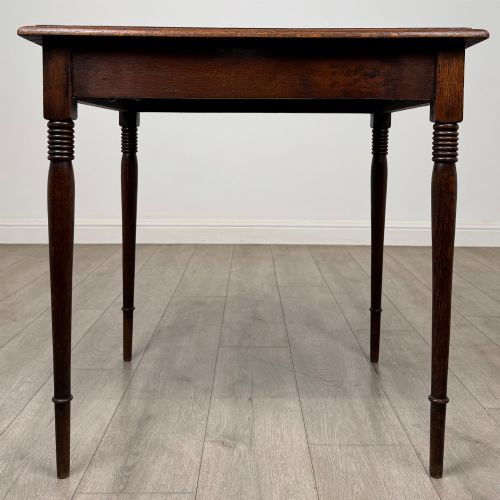
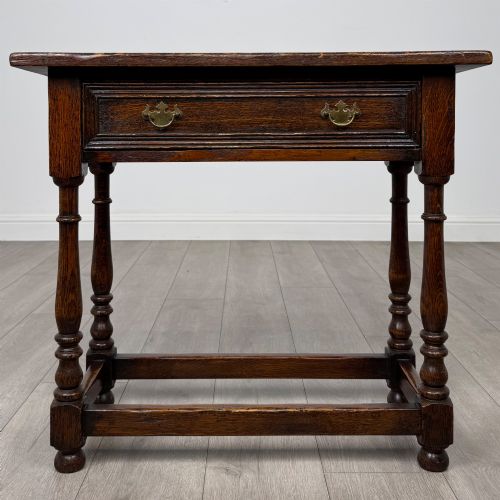
Traditional Wood Lamp Table
A traditional wood lamp table brings quiet utility to a corner, holding a light beside a chair with understated grace.
Traditional Wood Lamp Table
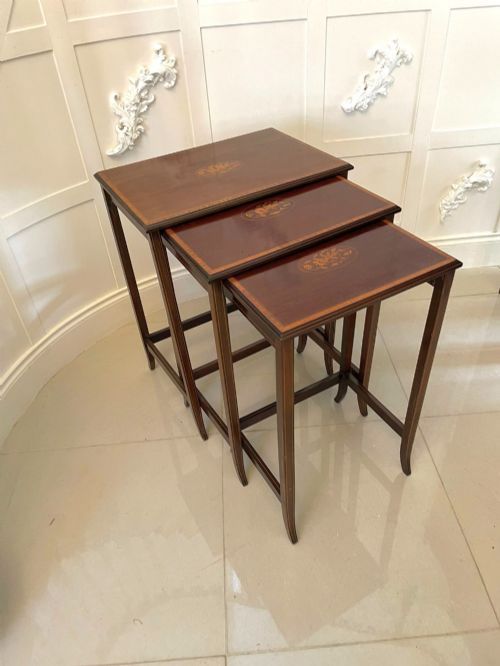
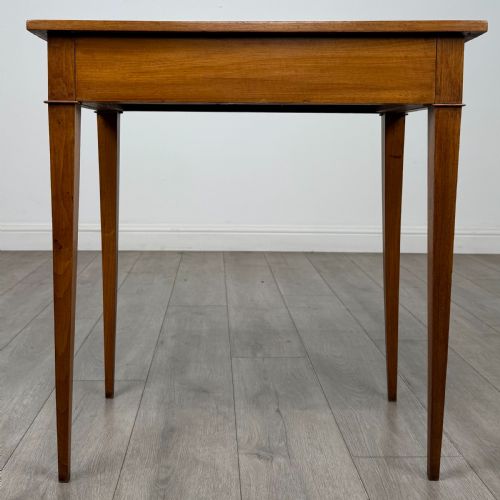
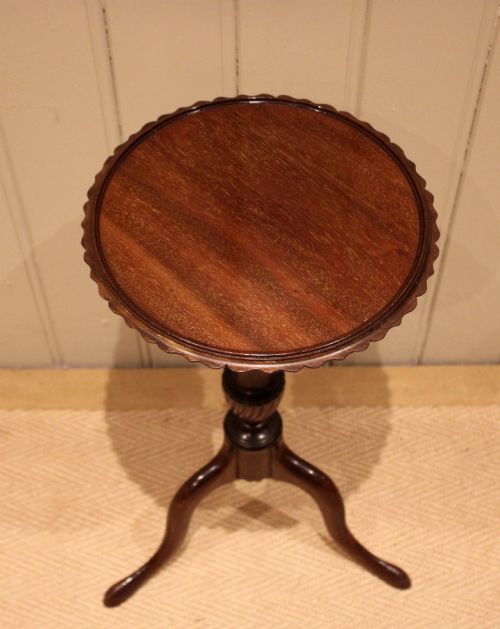
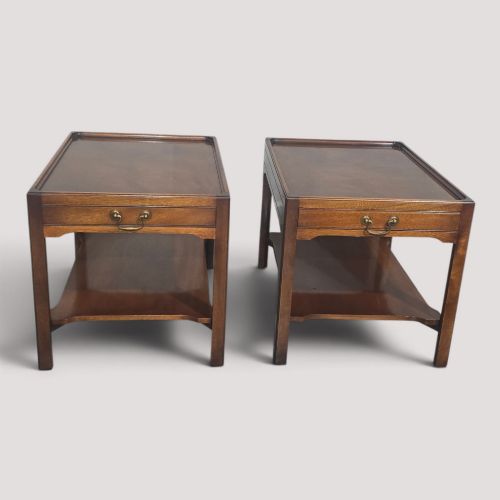
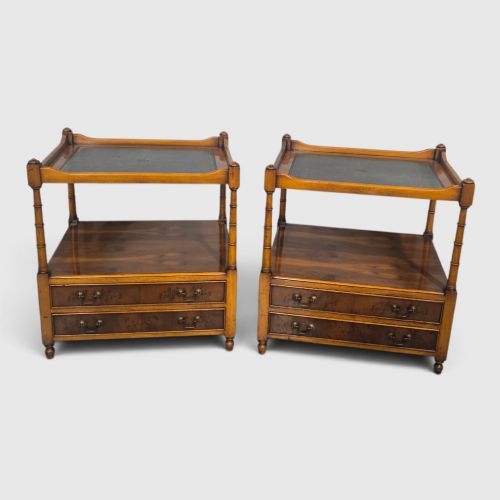
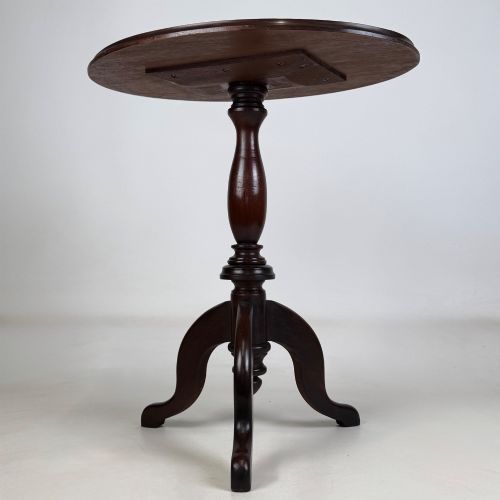
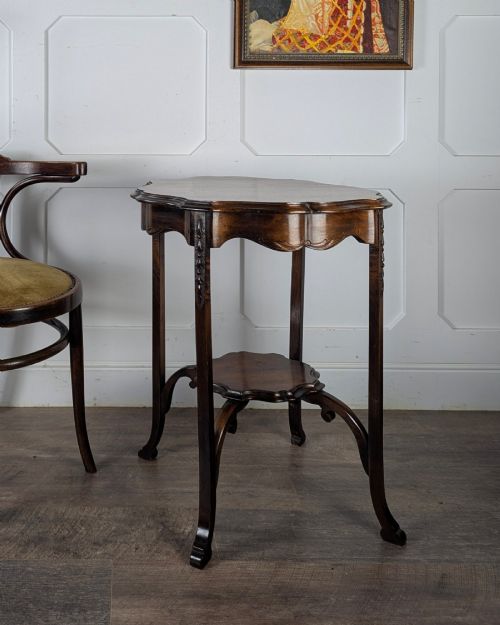
A traditional wood lamp table answers the need for a compact surface beside seating, taking the form of side tables, wine tables, occasional pieces and small tripod stands. These surfaces span centuries of British and continental cabinetmaking, stretching from the robust construction of the eighteenth century through the lighter proportions of the Edwardian era and into the early twentieth century.
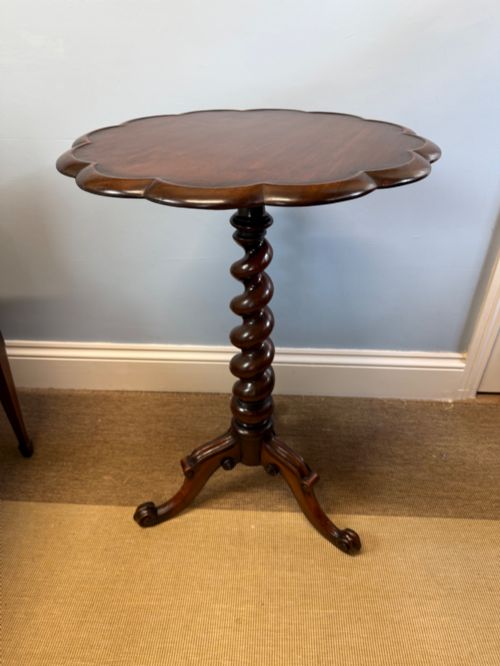
The pieces appearing most frequently range from Georgian wine tables and spider leg designs to Edwardian mahogany and oak side tables. Alongside standard lamp tables, the selection includes elm cricket tables, walnut pedestal pieces with barley twist stems, and occasional tables in yew, cherry and hardwood.
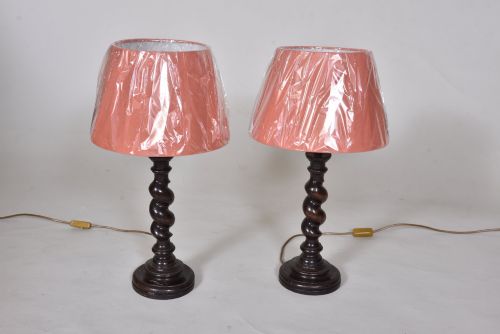
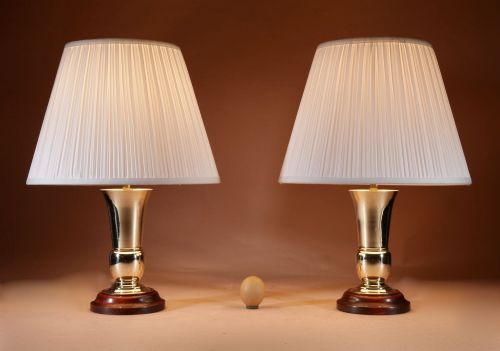
Origins and styling shift across the inventory, moving from simple English country furniture to formal Georgian pieces and revival work such as Jacobean oak. Buyers encounter occasional tables and lamp stands that share the floor with related wooden objects, including carved lamp bases and plant stands.
Materials and construction
Cabinetmakers relied heavily on dense hardwoods, principally mahogany, oak and walnut, supplemented by regional timbers like elm, yew and cherry. These woods provided the structural integrity required for slender legs, turned pedestals and small tabletops that needed to support lamps or decorative objects without wobbling.
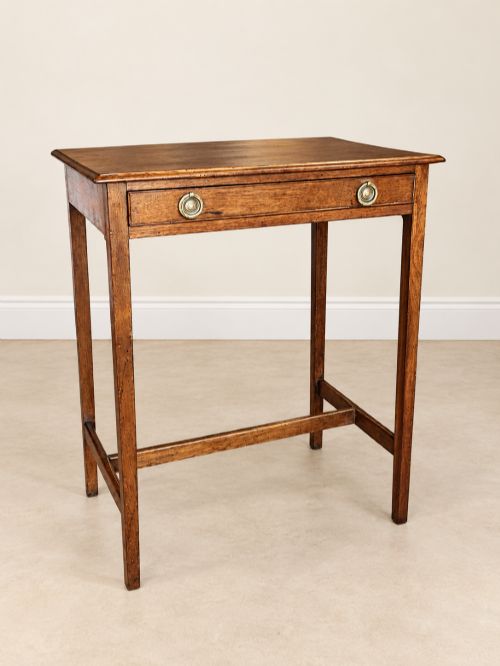
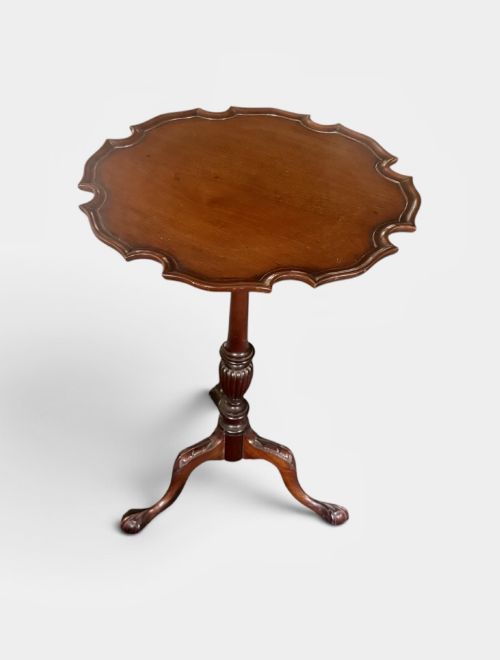
Construction techniques include turned legs, tripod bases with shaped or pie crust rims, and occasional drawers fitted to narrow side tables. Joinery is traditional, joining solid timbers and veneers to create enduring domestic furniture designed for daily use.
Listings feature mahogany, oak, walnut, elm, yew, cherry and hardwood across periods spanning the seventeenth to the twentieth century.
Judging the pieces
Quality rests in the crispness of the timber selection, visible in the grain of the mahogany, the figuring of the walnut and the tight growth rings of the oak. Superior pieces display refined turning on pedestals and legs, balanced proportions, and stable, well-joined structures that do not rely on modern reinforcement.
Detailing marks the difference between standard domestic furniture and finer workshop output, evident in shaped rims, carved tripod legs and cleanly fitted drawers. The integrity of the original wood surfaces, whether polished mahogany or limed oak, preserves the character intended by the maker.
The Traditional Wood Lamp Table Glossary
- Tripod table
- A small freestanding table supported by a central pillar above three spreading legs. This form became popular during the eighteenth century for its stability and ease of movement around a room.
- Wine table
- A compact occasional table designed originally to hold a glass and bottle near a seat. They often feature circular tops mounted on turned wooden pedestals.
- Cricket table
- A small, sturdy round table with three splayed legs and often a lower shelf. The design originated in English country interiors to remain steady on uneven floors.
- Pie crust rim
- A raised tabletop edge carved with undulating curves resembling pastry work. This decorative flourish appears on finer occasional and tripod tables from the Georgian period onward.
- Barley twist
- A carved wooden furniture leg or column resembling a twisted rope. This turning style occurs frequently on Victorian and revival pedestals and stands.
Traditional Wood Lamp Table: Frequently Asked Questions
What is a traditional wood lamp table used for?
These pieces provide a stable surface next to seating areas for lighting, books and small decorative items.
Their compact proportions allow them to fit into corners or beside armchairs without crowding a room.
How do I identify a Georgian lamp table?
Georgian pieces typically feature mahogany or oak construction with restrained classical details such as slender tripod bases or plain turned legs.
Proportions remain elegant and practical, prioritising simple utility over heavy ornamentation.
Are these tables sturdy enough for daily use?
Solid hardwood construction and traditional joinery make these pieces robust enough to handle daily domestic routines.
Heavier woods like oak and mahogany offer natural strength that supports lamps and everyday objects securely.
How do I care for antique wood surfaces?
Regular dusting with a dry cloth keeps the surface clean without damaging the polished finish.
A light application of traditional wax helps nourish the timber and maintains its natural lustre over time.