



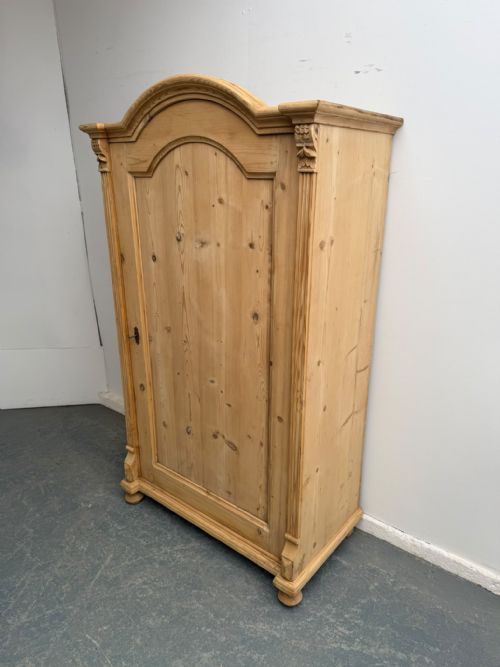

Traditional Wood Armoire
A traditional wood armoire provides substantial storage, bringing enduring craftsmanship and rich timber grain to domestic interiors.
Traditional Wood Armoire
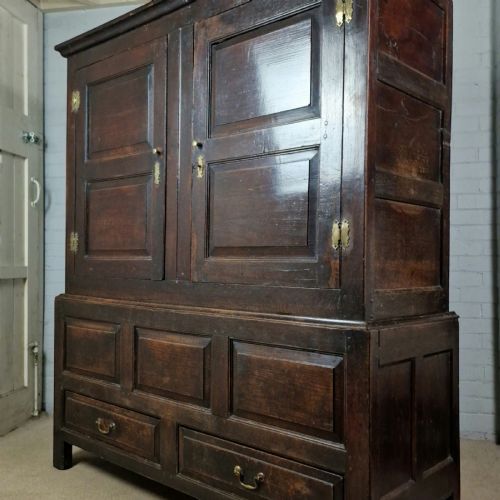
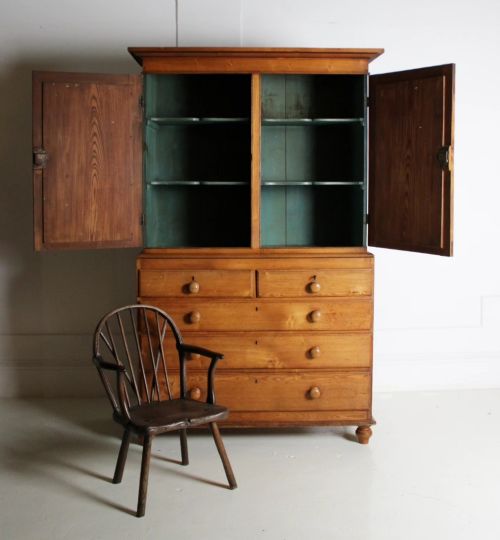
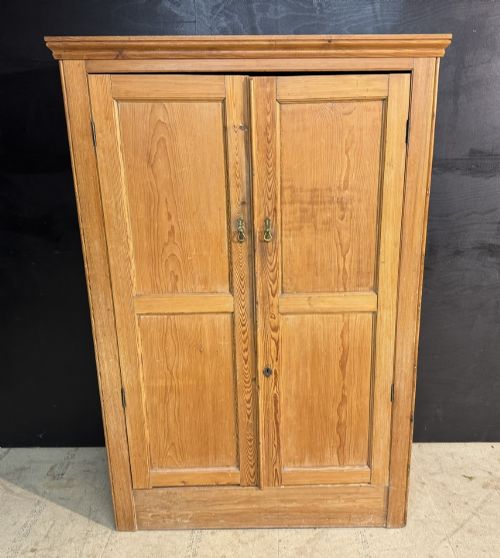
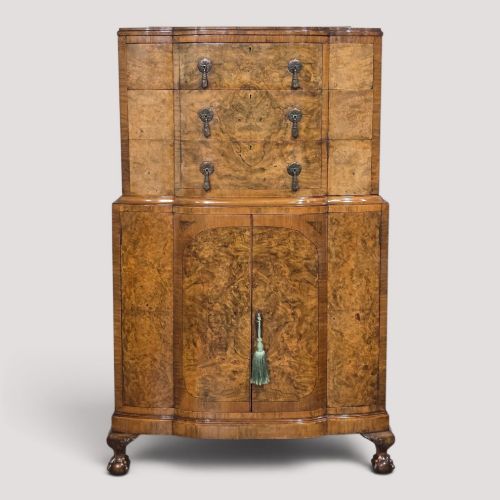
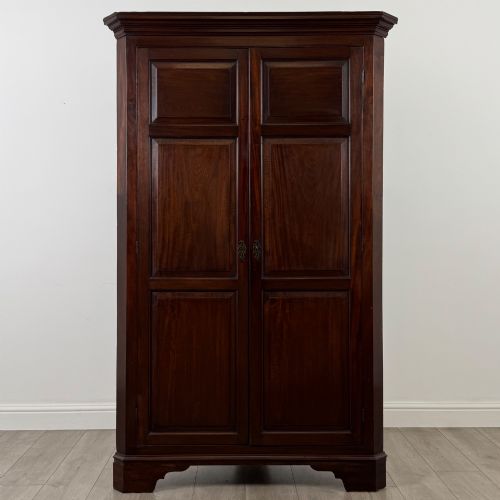
A traditional wood armoire encompasses large storage furniture such as wardrobes, linen presses, and cupboards spanning the eighteenth and nineteenth centuries.
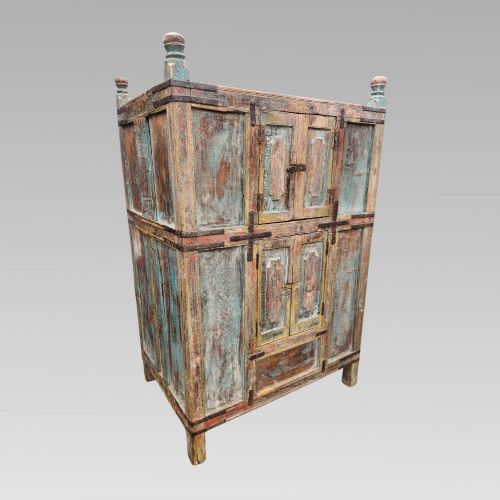
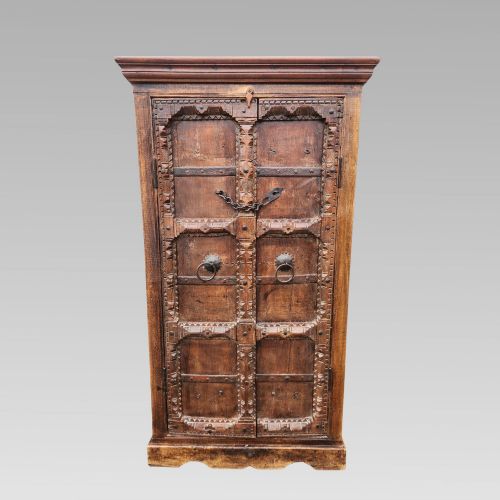
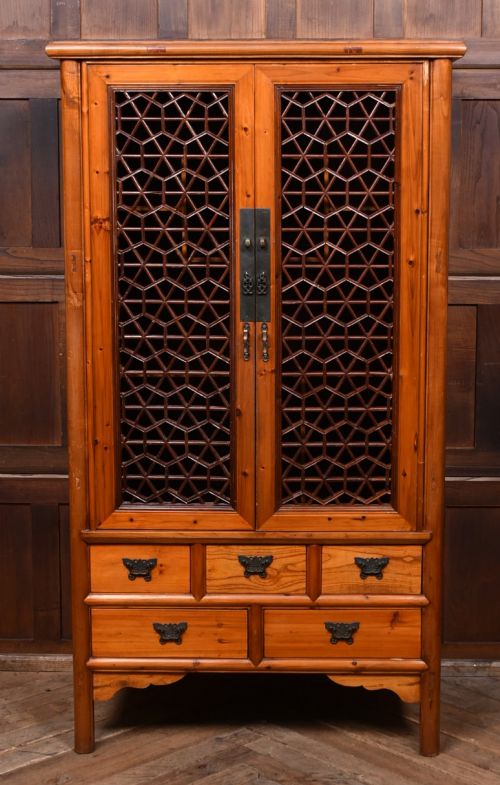
Buyers will encounter regional British and European pieces in mahogany, oak, and pine alongside items originating from China and India.
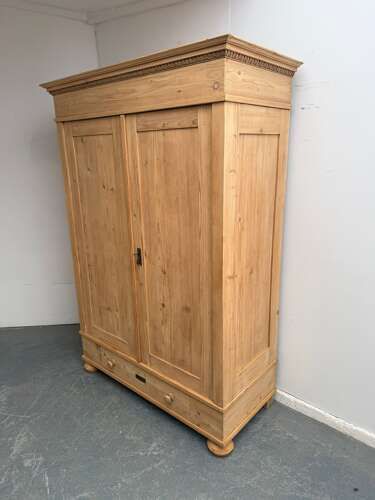
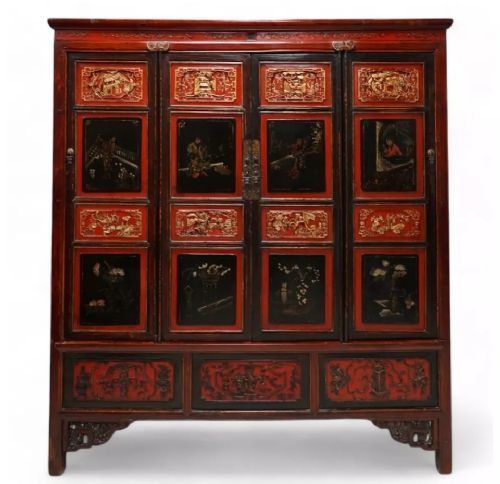
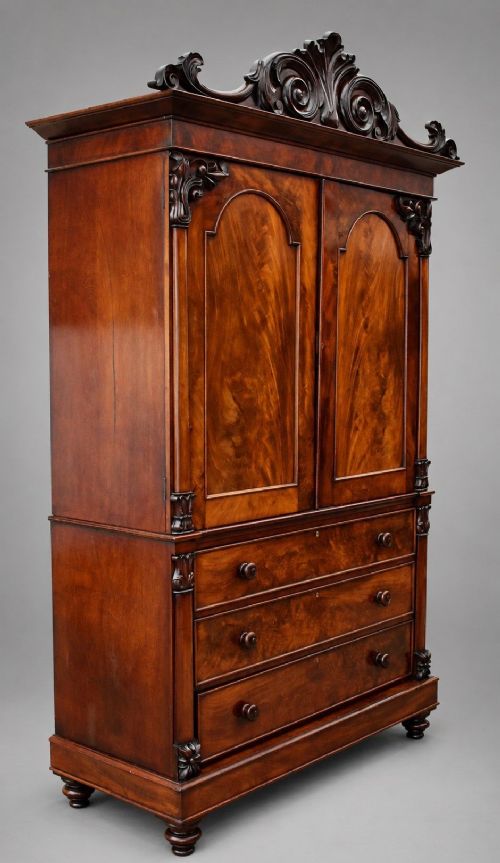
The selection ranges from tall Georgian mahogany linen presses to Victorian knockdown pine wardrobes and Oriental elm storage cabinets.
Materials and construction
Cabinet makers utilised dense hardwoods like mahogany, walnut, and oak alongside resilient domestic pines and exotic timbers such as teak and zitan.
Construction methods combine sturdy frame-and-panel techniques with traditional joinery, brass hardware, and occasional painted or lacquered surface treatments.
Traditional Wood Armoire Retail Price Guide 2026
Typical asking prices for traditional wood armoire among the pieces listed under this phrase on Sellingantiques today, from the lower quarter to the upper quarter. They describe what is for sale here now, not the wider market.
Evaluating craftsmanship
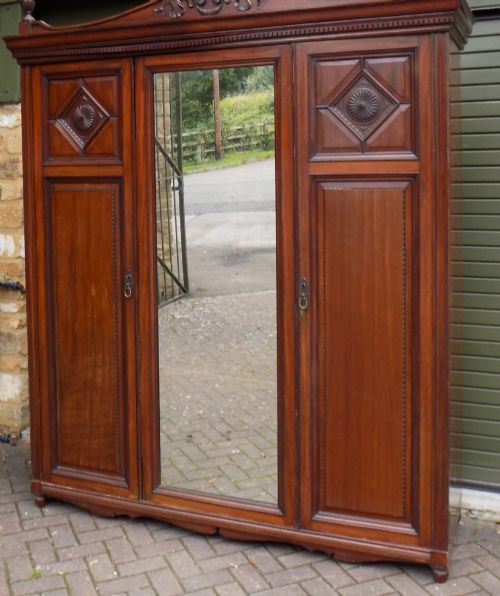
Quality reveals itself in the selection of figured timbers, such as flame mahogany or burr walnut, matched across large doors and panels.
Fine detailing, including hand-carving, crisp mouldings, original brass fittings, and well-executed internal shelving or hanging space, distinguishes superior examples.
The Traditional Wood Armoire Glossary
- Linen press
- A tall storage piece featuring upper sliding trays or shelves enclosed by doors, traditionally used for flat textiles, sitting above a chest of drawers.
- Knockdown wardrobe
- A large piece engineered to dismantle completely into separate panels and sections for ease of transport and assembly.
- Livery cupboard
- An enclosed medieval or revival cabinet originally designed for food storage, later adapted for general household belongings.
- Zitan
- A dense, heavy Asian hardwood prized for dark heartwood tones and exceptional durability in antique compound cabinets.
- Marquetry
- The art of applying decorative veneer pieces to a structure to form geometric or floral pictorial patterns.
Traditional Wood Armoire: Frequently Asked Questions
What is a traditional wood armoire used for?
These large storage pieces serve primarily to organise clothing, linens, and household items within bedrooms or hallways.
Their substantial internal space accommodates hanging garments alongside deep shelving and drawers.
How do I assemble a knockdown wardrobe?
Knockdown pieces utilise integrated wooden pegs, slots, or concealed iron bolts to secure large panels together without permanent glue.
Careful alignment during assembly ensures the doors hang straight and square within the frame.
What woods were commonly used?
Cabinet makers relied heavily on native British oaks and imported mahoganies for formal furniture, while utility pieces often utilised pine or ash.
Asian pieces frequently employ elm, teak, or zitan timber.
How can I date an antique wardrobe?
Dating relies on examining construction marks, timber types, and stylistic details such as Georgian cornices or Victorian hardware.
Secondary woods used for drawer linings and back panels also offer vital clues regarding age and origin.