
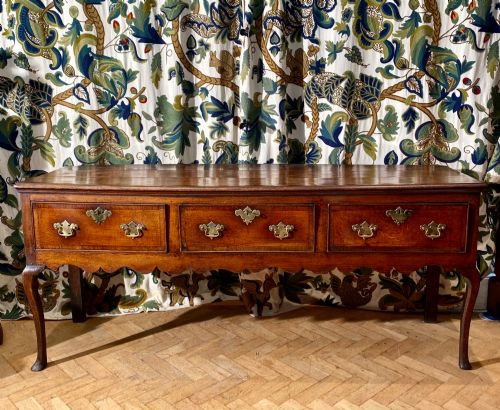
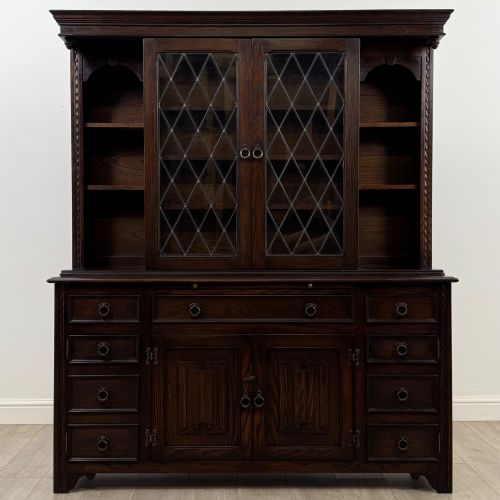
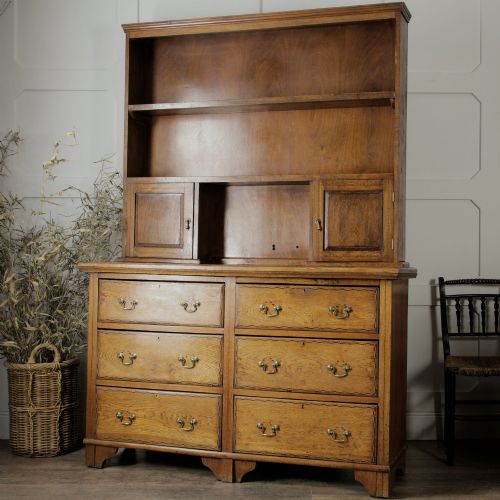
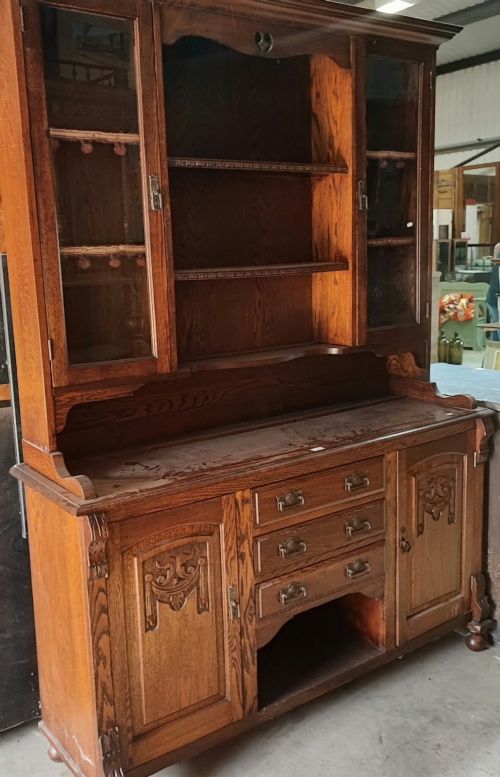

Traditional Welsh Oak Cabinet
A traditional welsh oak cabinet brings rustic utility and rich grain into a room, offering sturdy storage and display space.
Traditional Welsh Oak Cabinet
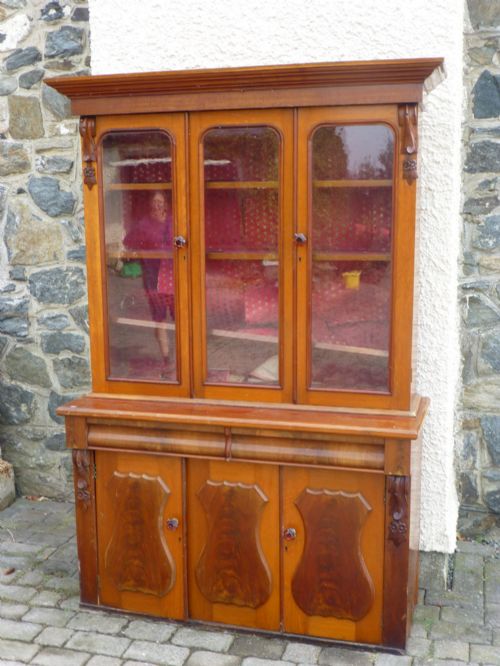
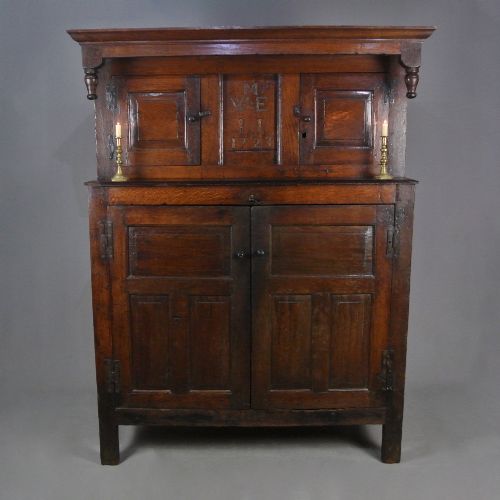
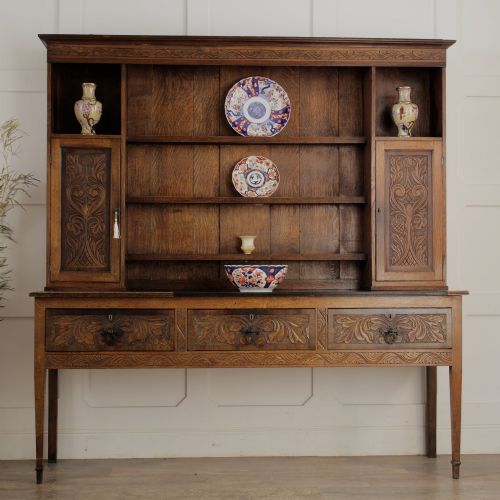
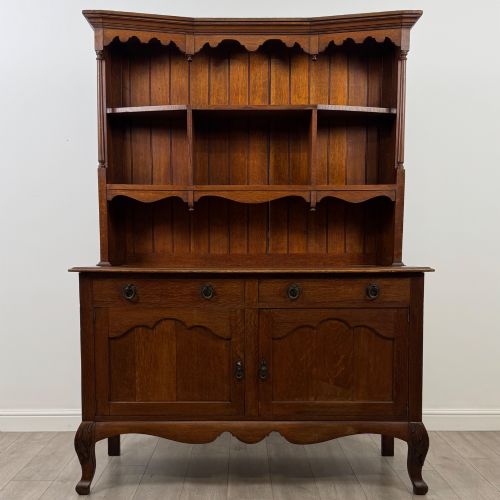
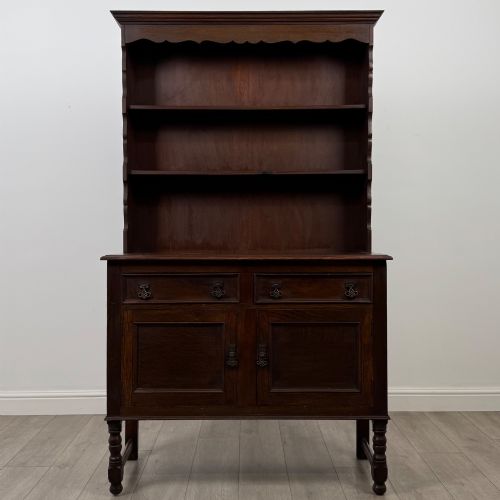
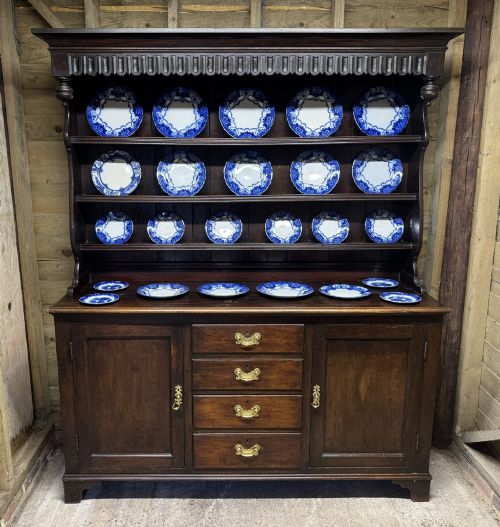
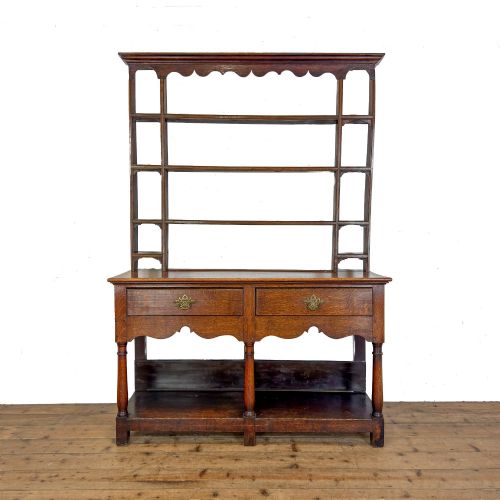
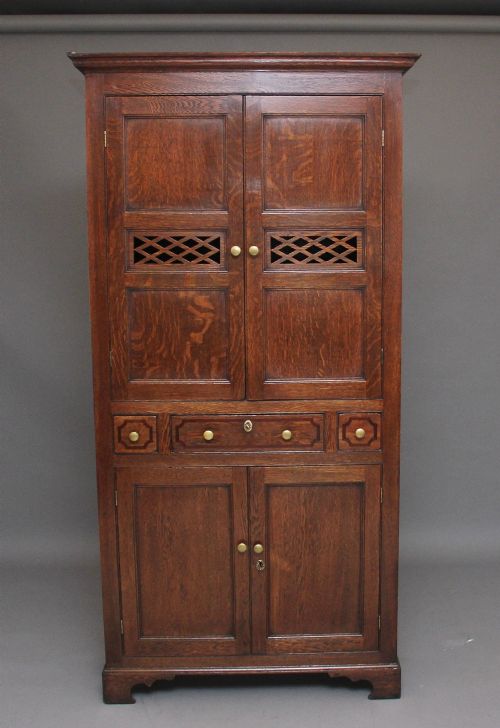
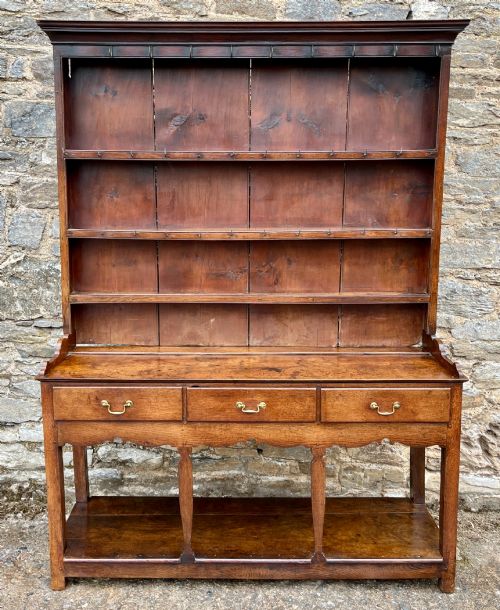
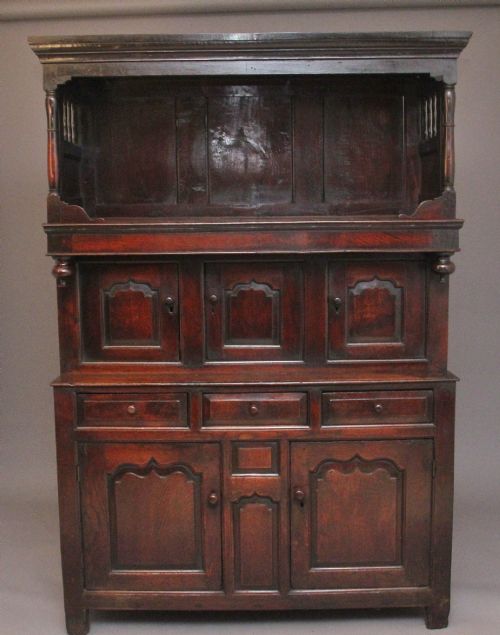
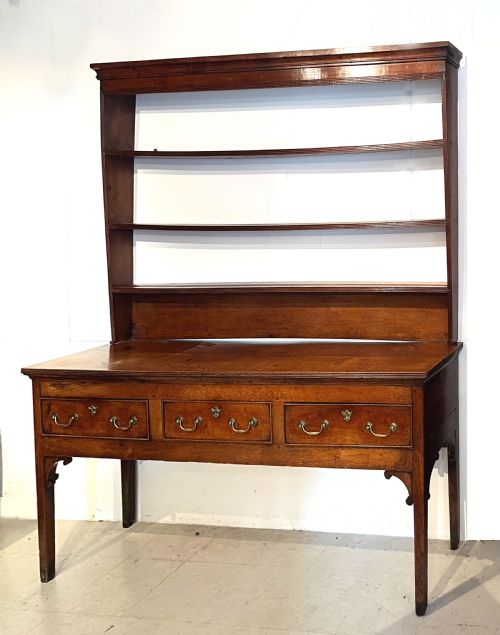
A traditional welsh oak cabinet encompasses regional dressers, court cupboards, food cupboards, and tridarns originating from country workshops. These utilitarian forms combine base storage cupboards with upper open plate racks or enclosed shelving, designed for daily domestic use.
The most common examples on this page are eighteenth and nineteenth-century dressers and press cupboards constructed in solid timber. Buyers encounter vernacular pieces featuring breakfront drawers, potboards, and glazed upper sections reflecting regional British cabinet-making traditions.
How they were made
Joiners built these pieces primarily from solid oak, supplemented occasionally with mahogany, pine, elm, and burr walnut for contrast or internal elements. Panels were typically framed and panelled to accommodate the seasonal movement of timber without splitting.
Hardware such as brass handles, iron hinges, and lead detailing secure doors and drawers assembled with traditional joinery. Surfaces often display carved ornamentation, honey tones, or deeper patination developed over centuries of domestic wear.
Early food cupboards incorporated pierced wooden ventilation panels so the cheese could breathe without inviting the cat into the larder.
What varies in quality
The sophistication of regional carving and the integrity of the timber framing distinguish exceptional examples from simpler utilitarian furniture. Finer items exhibit balanced proportions, well-figured grain, and minimal replacement to structural elements.
The presence of original hardware, integrated plate racks, and untouched surface patination elevates a piece. Provincial vernacular items vary widely in the complexity of their upper tiers and the crispness of their joined construction.
The Traditional Welsh Oak Cabinet Glossary
- Tridarn
- A traditional three-tiered Welsh cupboard featuring an enclosed upper section, an open middle display stage, and a base cupboard. These impressive storage pieces date back to the seventeenth and eighteenth centuries.
- Deuddarn
- A two-tiered traditional Welsh press cupboard enclosed by wooden doors. It provides substantial storage space beneath a decorative upper frieze.
- Potboard
- An open slatted lower shelf fitted beneath a dresser base. It was traditionally used to store pots, pans, and heavy kitchen earthenware.
Traditional Welsh Oak Cabinet: Frequently Asked Questions
How do I date an old oak cupboard?
Examine the construction methods, tool marks, and timber characteristics visible on the interior and backboards. Hand-cut joinery and period-specific hardware provide reliable clues to the era of manufacture.
Compare the overall form and style against dated comparable examples from the same region. Regional vernacular pieces often retain distinct structural traits characteristic of their specific decade or century.
Where were these traditional cabinets made?
Makers constructed these pieces in rural workshops across Wales and English regional counties such as the West Country and Ipswich. Local joiners utilised native hardwoods available in their immediate surroundings.
Rural cabinet-makers adapted standard forms to suit local domestic requirements and available materials. This regional variation creates the distinct regional styles found in vernacular furniture today.
How should I care for solid oak furniture?
Maintain stable humidity levels in your room to prevent the solid timber from drying out or splitting. Keep wooden surfaces away from direct heat sources and strong sunlight.
Apply traditional beeswax occasionally to nourish the grain and protect the historic surface finish. Avoid modern chemical polishes that can degrade the patination built up over generations.
What is the difference between a dresser and a deuddarn?
A dresser typically combines a lower storage base with an open upper plate rack for displaying ceramics. It focuses on accessibility and display alongside enclosed cupboard storage.
A deuddarn is a fully enclosed two-tiered press cupboard with panelled doors throughout its height. It prioritises secure, dust-free storage over open display shelving.