

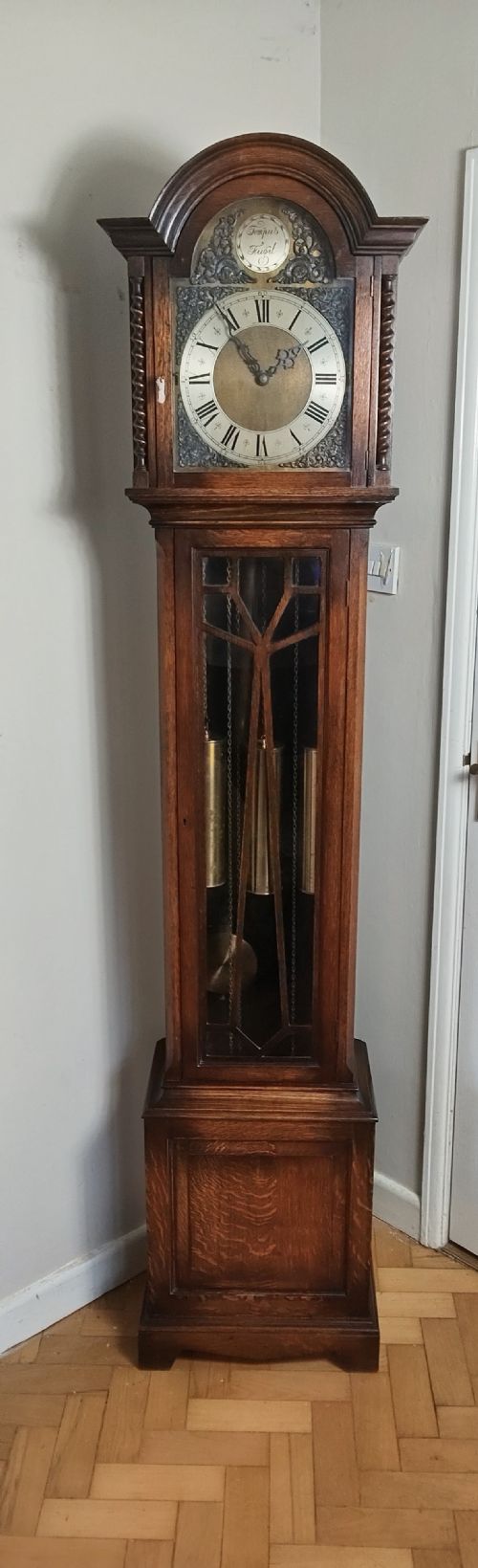




Traditional Weight Clock
A traditional weight clock brings mechanical timekeeping into a room through the steady pull of cast iron or brass weights.
Traditional Weight Clock
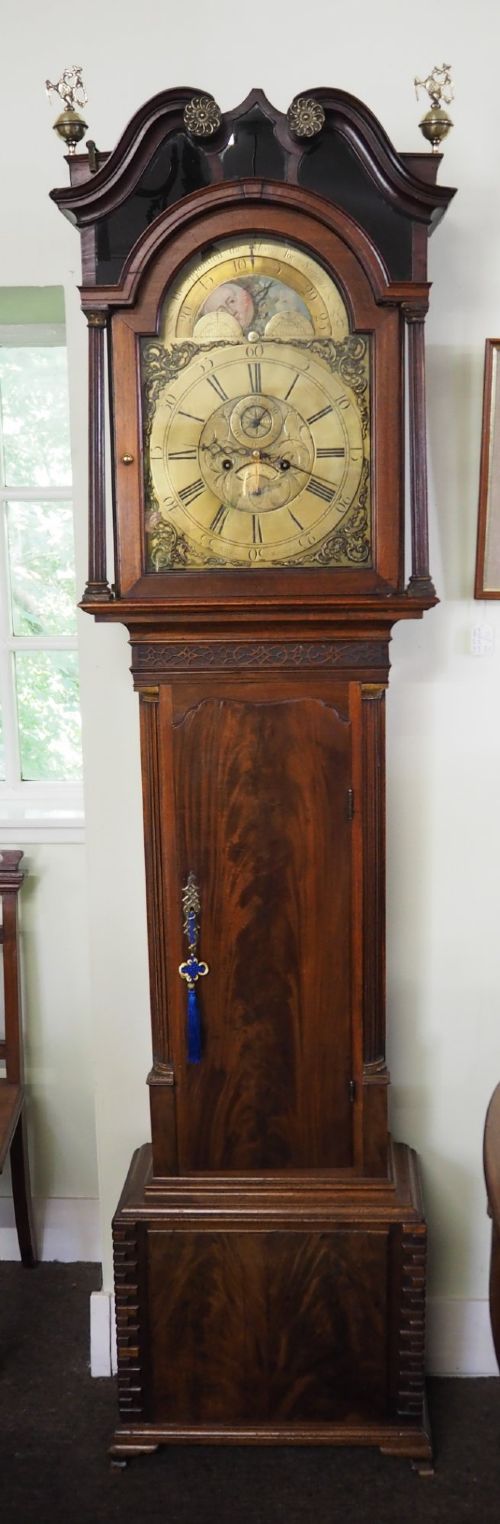
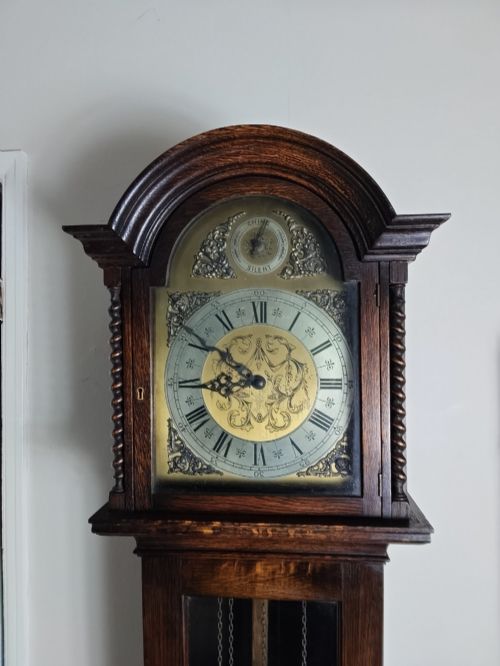
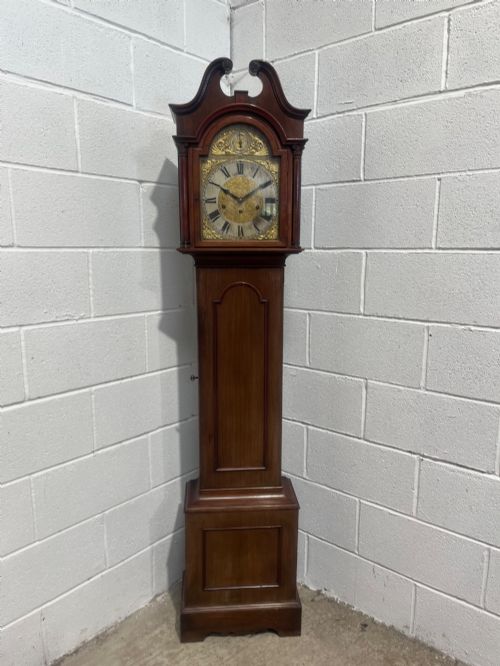
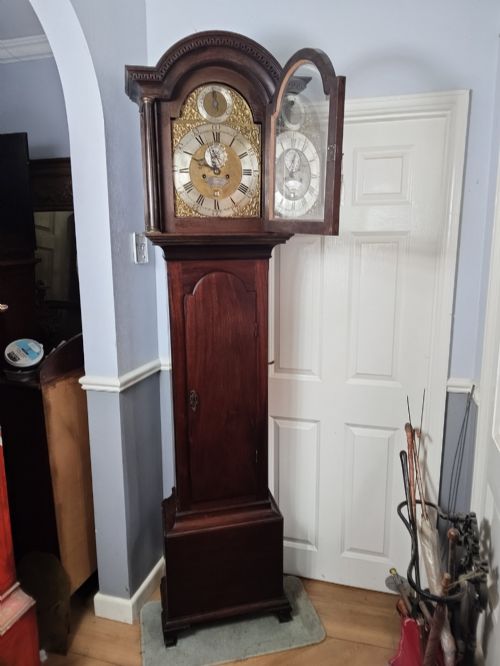
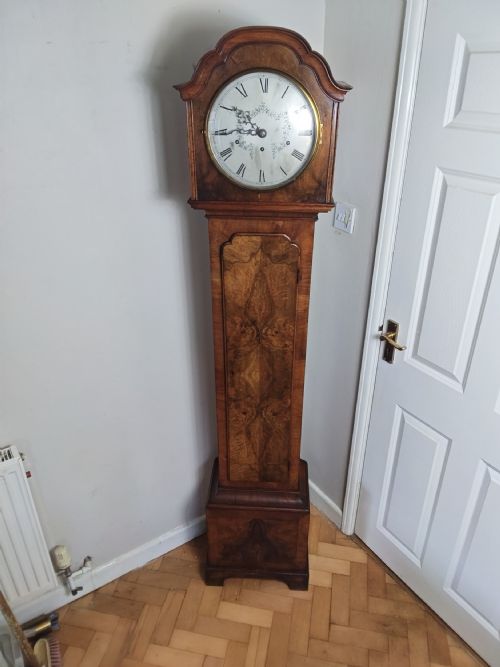
A traditional weight clock encompasses tall floor-standing timepieces alongside wall-mounted regulators and miniature versions designed for smaller domestic spaces. Longcase pieces dominate the selection, spanning tall floor designs in oak and mahogany alongside compact grandmother and grandfather variations.
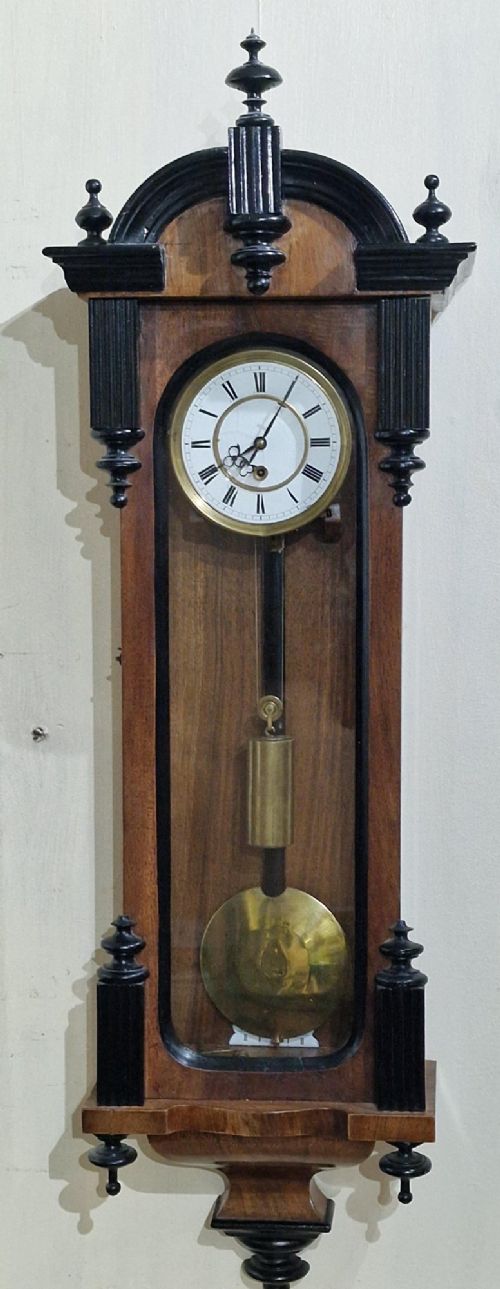
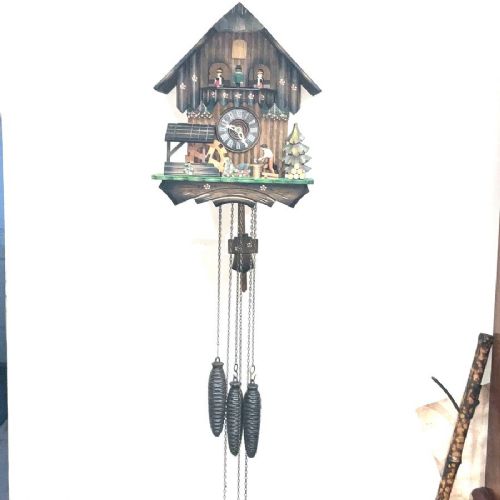
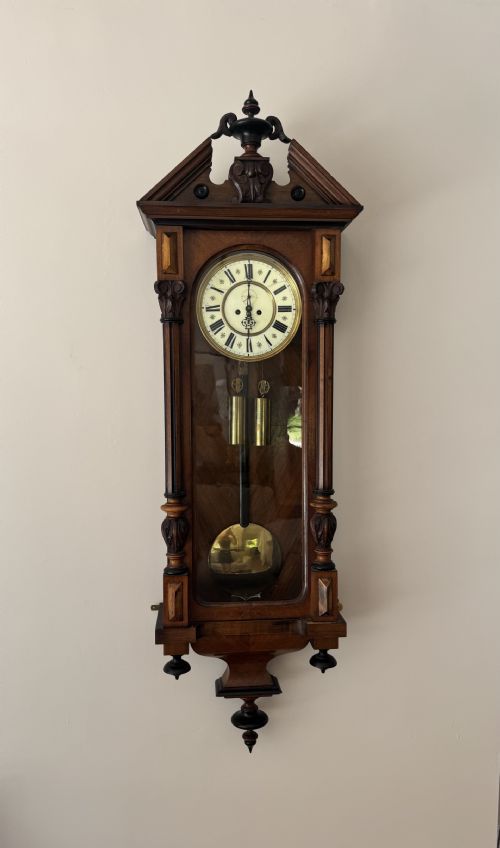
Wall-hanging examples appear frequently, ranging from ornate Black Forest cuckoo carvings to structured Vienna regulators driven by paired brass weights. Enamel dials and brass movements characterise the items encountered across Georgian, Victorian, and early twentieth-century periods.
Materials and construction
Cabinetmakers constructed the tall cases using native timbers such as oak, mahogany, and walnut, frequently applying rich veneers or geometric mouldings to the exterior surfaces. Dial faces combined brass chapters with painted iron or enamel, protected behind glazed wooden hoods or doors.
Internal movements relied on brass gears and iron components suspended by cords or chains from heavy weights that powered the striking and timekeeping trains.
Traditional Weight Clock Retail Price Guide 2026
Typical asking prices for traditional weight clock among the pieces listed under this phrase on Sellingantiques today, from the lower quarter to the upper quarter. They describe what is for sale here now, not the wider market.
Several woodland cuckoo clocks on offer include mechanical automata that burst into motion to mark the hour.
Determinants of quality
Excellence in a traditional weight clock lies in the crisp execution of the cabinetwork, the complexity of the movement, and the clarity of the dial engraving. Superior examples feature robust timber selection, intricate case carving, and finely finished internal gear trains that maintain accurate time over multi-day runs.
Simpler models utilise plain timber cases and basic time-only movements, whereas high-grade pieces incorporate quarter-chiming mechanisms, musical cylinders, or automated figures driven by triple-weight systems.
JOHN SPERSHOTT OF TETCHFIELD·Henry Deykin, Worcester·LISTER & SONS·THOMAS DE GRUCHY JERSEY·Wm Stanford
The Traditional Weight Clock Glossary
- Longcase clock
- A tall pendulum clock enclosed in a wooden case that rests directly on the floor. These tall timepieces protect the hanging weights and long pendulum from dust and disturbance.
- Vienna regulator
- A precision wall clock developed in Austria during the nineteenth century. These clocks utilise heavy brass weights and fine pendulums to achieve exceptional timekeeping accuracy.
- Grandmother clock
- A smaller, scaled-down version of the traditional tallcase clock produced primarily during the twentieth century. They occupy less floor space while retaining the weight-driven movement of their larger counterparts.
- Lantern clock
- An early domestic brass clock designed for wall mounting. These weight-driven pieces represent some of the earliest domestic timepieces produced in Britain.
- Quarter chiming
- A mechanical capability that strikes the bells at every quarter hour. This complex gear system requires additional weights and hammers to produce the sequence.
Traditional Weight Clock: Frequently Asked Questions
How do weight-driven clocks function?
Weights suspended by lines provide the mechanical energy needed to turn the gear train as gravity pulls them downward over days or weeks.
Escapement mechanisms regulate the release of this energy to ensure the pendulum swings at a constant rate.
Where should I place a longcase clock?
These tall timepieces require a stable, level floor against a secure wall to keep the pendulum swinging evenly without catching.
Avoid placing them in areas subject to extreme temperature fluctuations or dampness that might warp the wooden case.
How do I wind a weight clock?
Winding involves pulling the chains or using a crank key to draw the suspended weights back up toward the top of the case.
Care must be taken not to overwind the movement or pull the weights beyond their intended operating limit.
What is the difference between single and triple weight clocks?
Single weight clocks power only the timekeeping function, requiring fewer internal trains and less setup complexity.
Triple weight configurations drive the timekeeping, the striking hours, and the musical or quarter-chime melodies independently.