


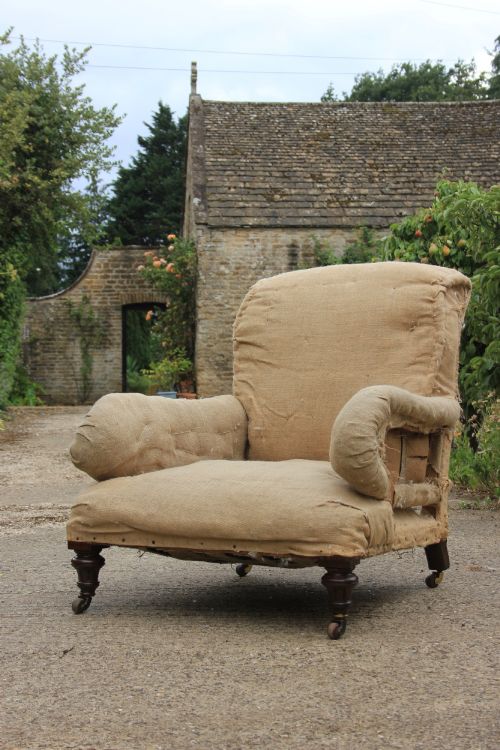

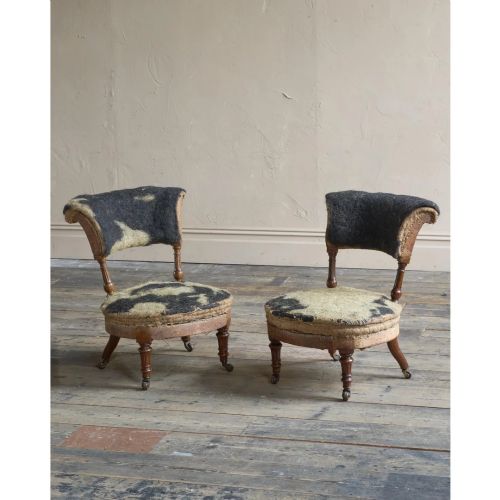
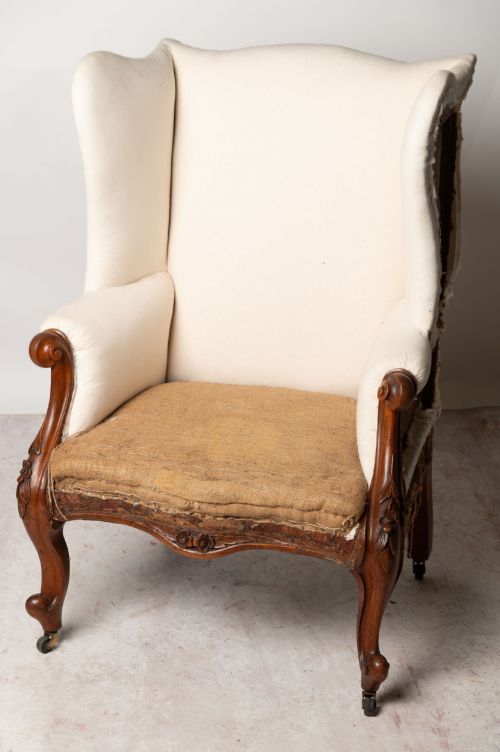
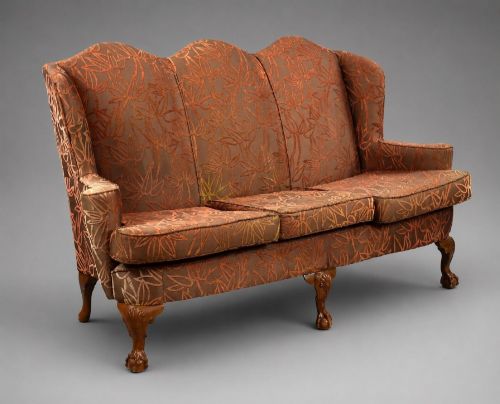
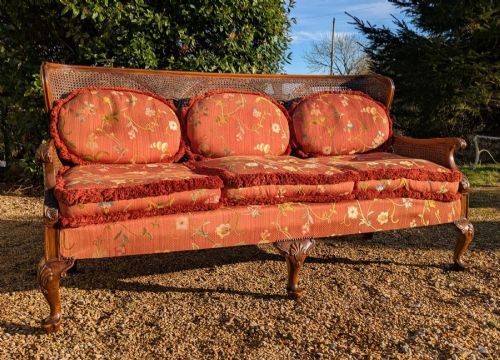
Traditional Walnut Seating
Traditional walnut seating offers rich grain and period upholstery, bringing classic comfort and refined timber frames to any room.
Traditional Walnut Seating
Traditional walnut seating spans dining chairs, armchairs, sofas, and stools originating from the nineteenth century up to the nineteen-thirties. Buyers searching for this phrase encounter solid timber frames shaped in Queen Anne, Victorian, Edwardian, and Carolean revival styles.
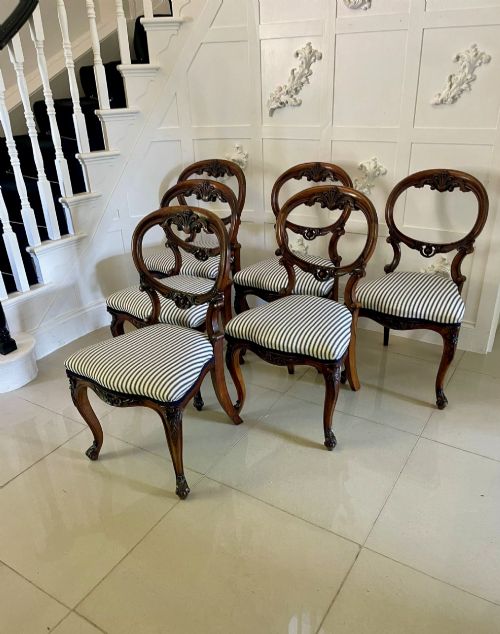
Dining chairs and sets of side chairs appear frequently alongside deep-seated armchairs and upholstered sofas. Many pieces utilise burr walnut veneer, showcasing rich figuring across backs and frames.
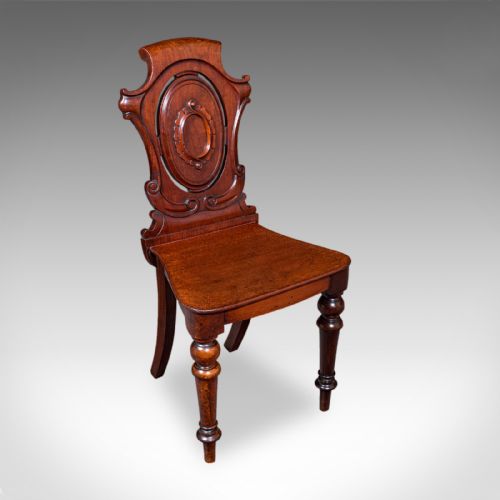
Origins include English country houses and continental workshops, with pieces ranging from simple hall benches to elaborate rococo revival forms.
Materials and Construction
Frames rely primarily on walnut and burr walnut timber, frequently paired with brass hardware and secondary structural woods. Carved details define the Victorian and revival pieces, while simpler forms depend on clean lines and figured grain.
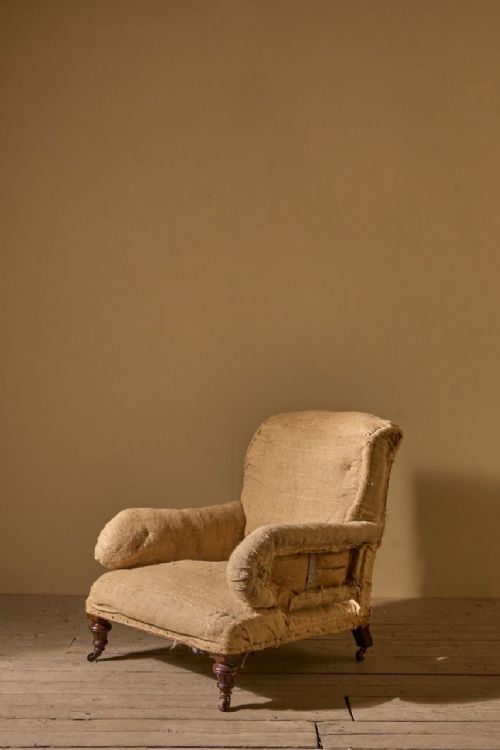
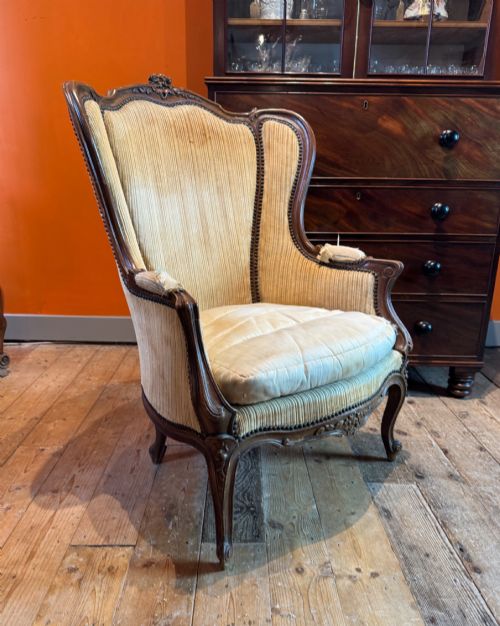
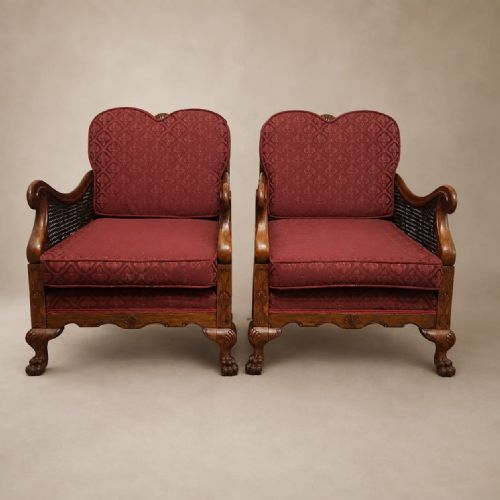
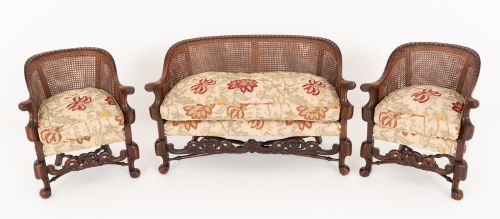
Upholstery incorporates traditional textiles, velvet, fabric, hessian, and leather seats, often supported by split cane panels in bergere designs. Cushion interiors utilise materials like feathers alongside traditional stuffing methods.
Some chairs come with feathers tucked inside cushions, proving that nineteenth-century ducks had strong opinions on lounging.
Assessing Quality
Quality rests upon the depth of the walnut figuring, the crispness of carved woodwork, and the structural integrity of the frame. Superior examples combine robust joinery with well-executed revival styling.
The standard of upholstery and the preservation of original timber surfaces distinguish standard seating from exceptional collector pieces.
Charles Tozer·SF Cullen·Howard and Sons
The Traditional Walnut Seating Glossary
- Burr walnut
- A specialised timber veneer taken from the burl growths of walnut trees, prized for its swirling, highly figured grain patterns. It frequently covers the prominent surfaces of nineteenth and twentieth-century dining chairs and tables.
- Bergere
- An enclosed upholstered armchair with wooden framing and cane-work sides or backs. Originating in France, these seats often feature loose feather cushions.
- Queen Anne style
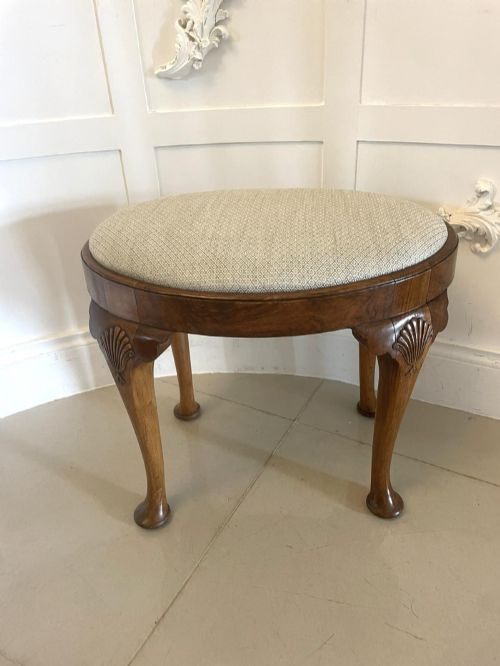
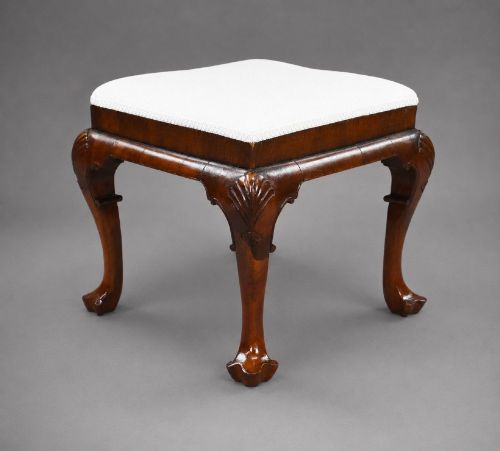
- A design movement characterised by cabriole legs, pad feet, and smooth, curved walnut backs without heavy carving. This style experiences revivals across the nineteenth and early twentieth centuries.
- Balloon back
- A rounded, oval chair back resembling a hot air balloon, common in Victorian dining chairs. This form showcases carved walnut timber framing.
Traditional Walnut Seating: Frequently Asked Questions
What periods do these chairs cover?
The pieces span the nineteenth century, the Victorian and Edwardian eras, through to the nineteen-twenties and thirties. Revival styles referencing earlier centuries appear frequently.
Dates are determined by structural characteristics, timber treatment, and stylistic markers recorded in the evidence.
How do I identify a bergere armchair?
Bergere armchairs feature enclosed wooden frames with woven cane panels on the sides or back. They often include upholstered seats and loose cushions.
Originating in French and English traditions, these chairs combine timber framing with flexible cane work.
What is burr walnut?
Burr walnut is a decorative wood veneer sourced from tree growths that produce intricate, swirling patterns. It is used on prominent surfaces to highlight the grain.
This material appears across dining chairs and tables from the Victorian period onwards.
Are these seats suitable for daily dining?
Dining chairs and sets of side chairs are built for regular use around a table. Many have been newly upholstered in modern fabrics or leather.
Checking the frame stability ensures they handle daily seating requirements.