



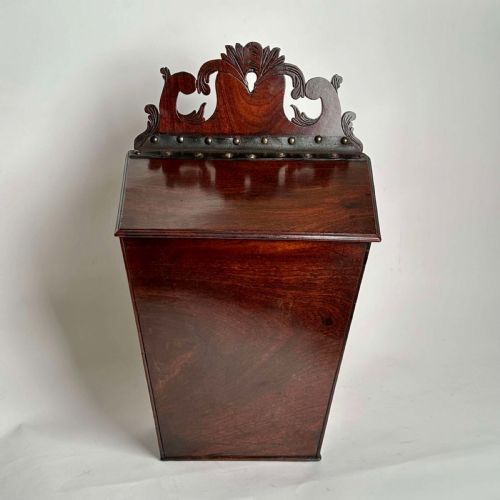


Traditional Wall Storage
Traditional wall storage pieces save floor space while bringing character into a room through centuries of woodwork and textile tradition.
Traditional Wall Storage
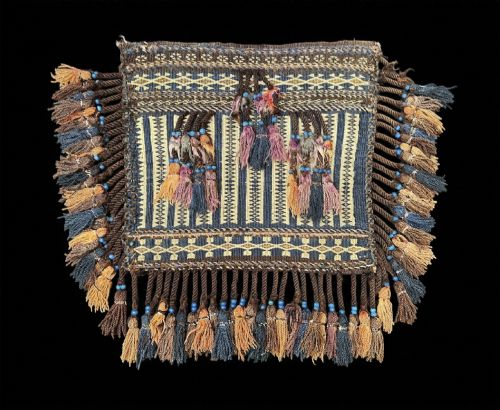
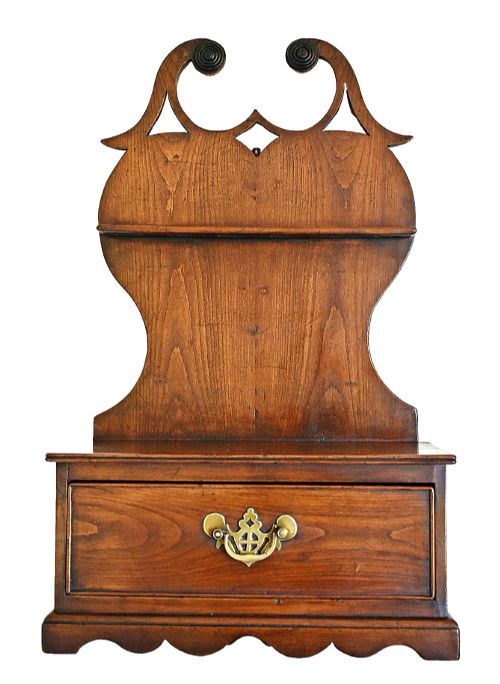
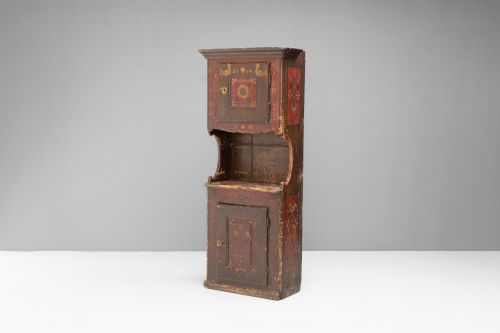
Traditional wall storage spans robust wooden corner cupboards and hanging cabinets alongside woven tribal bags meant for interior organisation. Buyers searching for traditional wall storage encounter wooden forms from Georgian and French provincial origins sitting alongside Central Asian wool textiles.
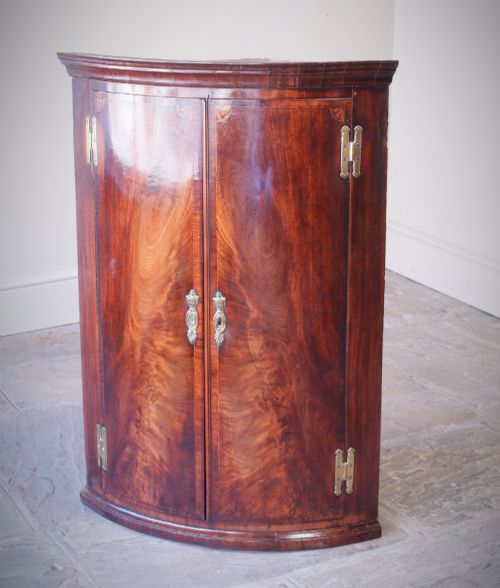
The wooden examples lean heavily toward oak and mahogany corner cupboards, often shaped with bow fronts to fit domestic interiors. Textile alternatives include Turkmen chuvals and storage bags originally utilised by nomadic tribes.
Dated periods range from the seventeenth century through to the end of the nineteenth century, reflecting both British cabinetmaking and international tribal craftsmanship.
How they were made
Cabinet makers utilised solid oak, mahogany, and pine for rigid wall structures, frequently employing inlay and carved details to finish the timber. Iron and brass hardware provided hinges and fastenings for doors and hanging mounts.
Nomadic weavers constructed textile storage using wool and cotton with natural dyes, incorporating flat-woven techniques and patterned guls across tribal bag faces.
Traditional Wall Storage Retail Price Guide 2026
Typical asking prices for traditional wall storage among the pieces listed under this phrase on Sellingantiques today, from the lower quarter to the upper quarter. They describe what is for sale here now, not the wider market.
Nomadic weavers packed their belongings into wool bags that now hang silently on modern walls as vibrant art.
What varies in quality
Quality reveals itself in the selection of timber and the precision of the joinery, particularly in the dovetailing of drawers and the fitting of curved doors on corner cupboards. Superior pieces display thoughtful grain matching and well-preserved original hardware.
For textile wall storage, quality rests on the tightness of the wool weave, the clarity of the natural dyes, and whether backing materials and flat-woven sections remain intact.
The Traditional Wall Storage Glossary
- Chuval
- A large tent storage bag produced by Turkmen tribes. These items feature distinctive guls and were traditionally used inside yurts before finding new life as wall hanging decor.
- Bow front
- A convex curved cabinet front that projects outward. This shape softens room angles and was favoured by Georgian cabinet makers for corner cupboards.
- Mafrash
- A rectangular tribal storage container or bed bag. They utilise flat-weave and pile techniques to create durable domestic containers.
- Gul
- A medallion motif repeated across Turkmen carpets and storage bags. Each tribal group utilises characteristic gul designs to denote lineage.
- Torba
- A smaller nomadic storage bag used for household items. They frequently display intricate banded designs and flat-woven backs.
Traditional Wall Storage: Frequently Asked Questions
How do I hang a heavy wooden corner cupboard safely?
Heavy wooden corner cupboards require robust fixings attached directly into structural wall studs or masonry rather than plasterboard alone.
Ensure the internal hanging brackets or screw points are thoroughly secured to bear the substantial weight of solid oak or mahogany timber.
Can tribal bags be hung safely on walls?
Tribal storage bags like chuvals and torbas hang successfully when supported evenly across the upper edge rather than from single suspension points.
Using a fabric sleeve or a padded mounting bar distributes the tension of the wool and cotton weave without causing distortion.
What rooms suit a traditional corner cupboard?
Corner cupboards excel in dining rooms, hallways, and kitchens where floor space is limited but display storage is desired.
Their angled design utilises dead corner space effectively while presenting tableware or decorative objects at eye level.
How do I identify Georgian oak furniture?
Georgian oak pieces display traditional hand-cut joinery, dense timber grain, and patination accumulated over centuries of domestic use.
Hardware such as brass hinges and escutcheons often match the period construction methods typical of the eighteenth century.