



Traditional Wall Art Oil
Traditional wall art oil brings centuries of hand-painted canvas and wood panel into a room, offering rich pigment depth and historic character.
Traditional Wall Art Oil
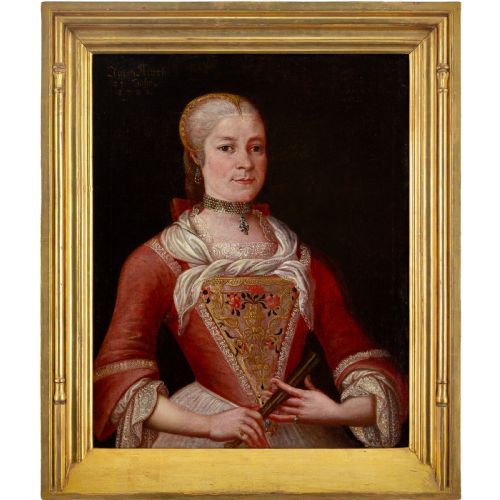
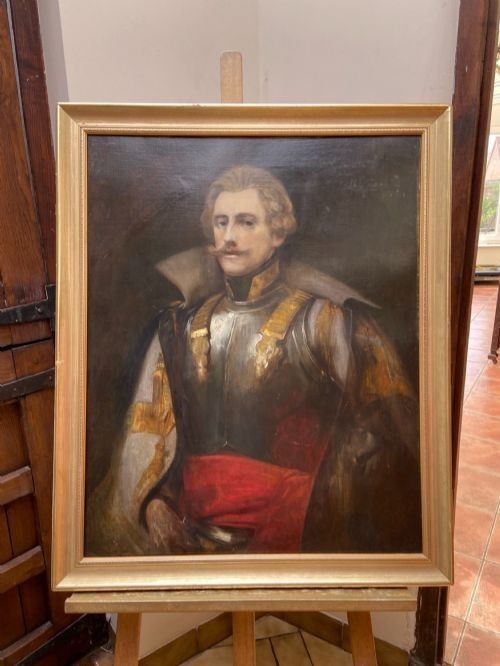
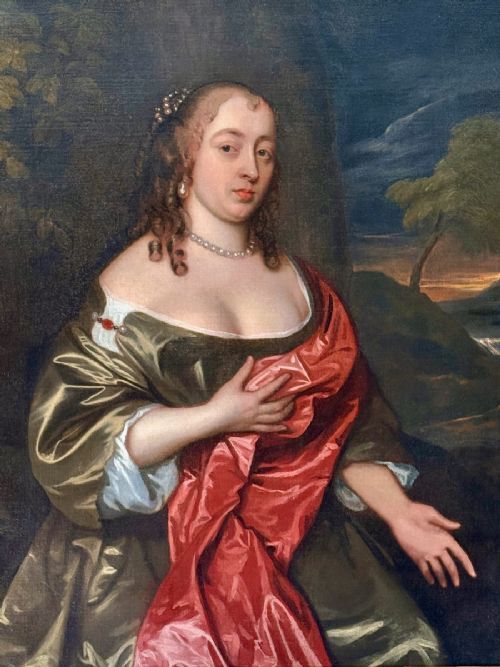
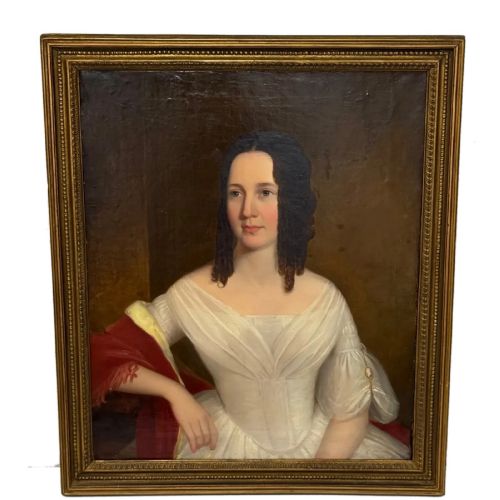
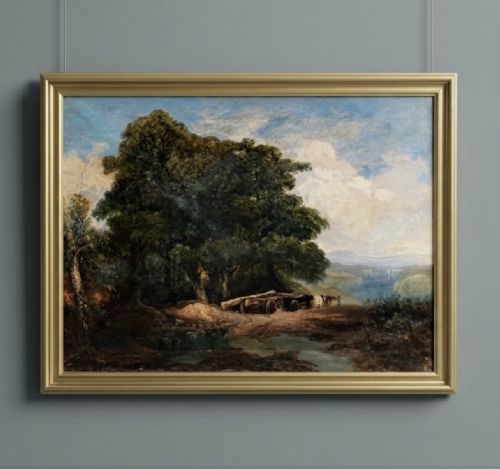
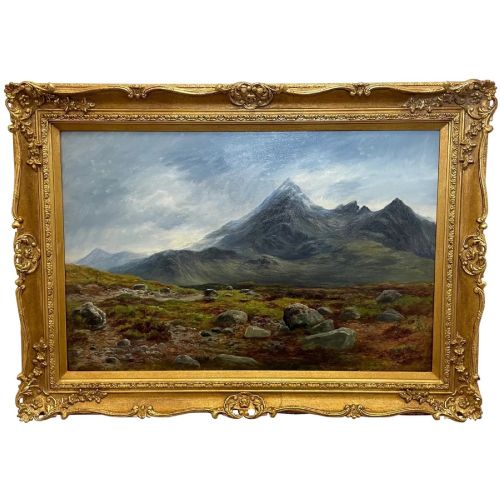
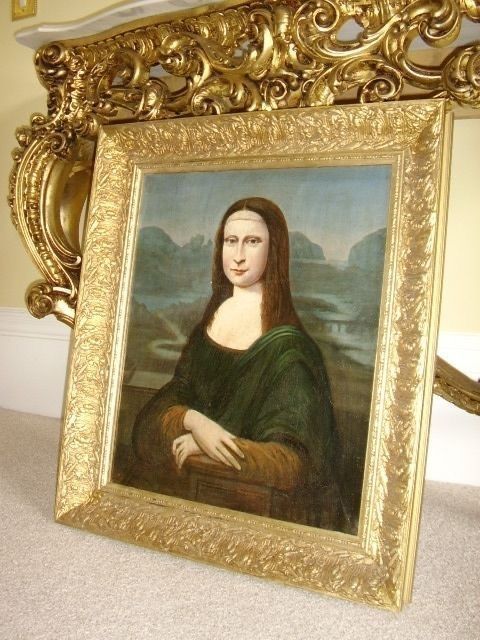
Traditional wall art oil works span portraits, landscapes, marine scenes, and still lifes created across the seventeenth through twentieth centuries. Buyers search for these pieces to introduce genuine historic depth, narrative character, and textured pigment into domestic interiors.
The selection on this page leans heavily toward nineteenth-century landscapes and portraits, alongside seventeenth-century English school works and twentieth-century interpretations. These paintings typically arrive housed in period frames, ranging from simple timber mouldings to ornate gilt gesso designs.
Materials and construction methods
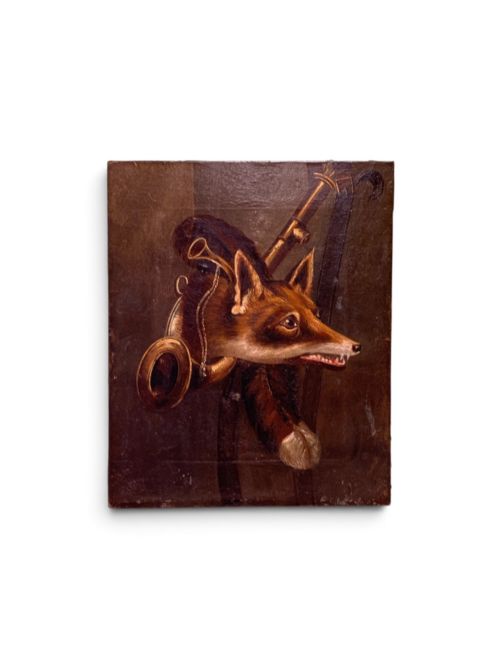
Artists built these works primarily using oil paint applied to woven canvas stretched over wooden frames, or directly onto solid wood panels and boards. Oil paint allowed workers to blend tones smoothly and build thick impasto texture that catches natural room light.
Surrounding frames utilise timber construction finished with gold leaf or gilt wood, often ornamented with moulded gesso details. These frames protect the perimeter of the canvas while providing the visual weight expected from period works.
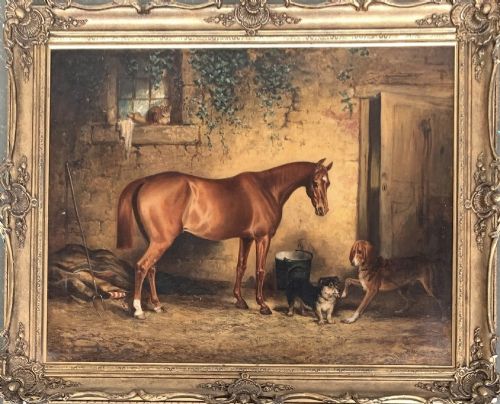
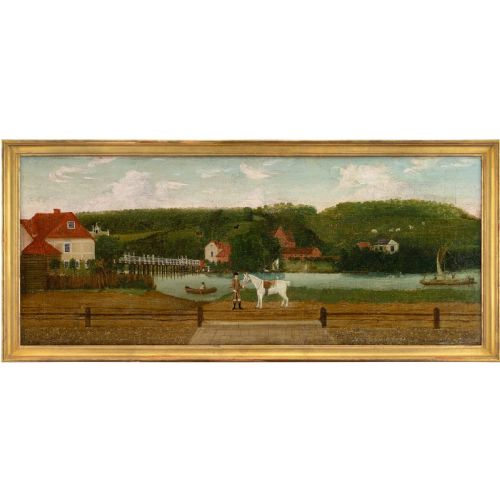
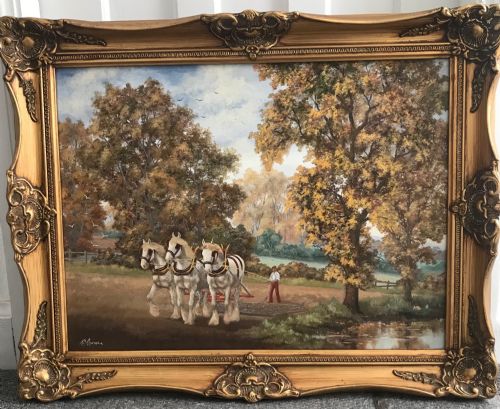
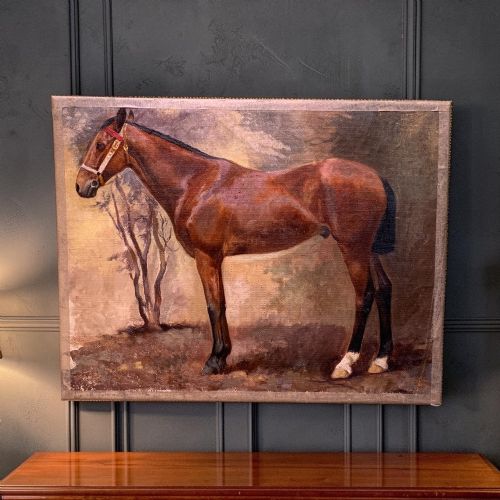
Horses pop up with surprising frequency across these centuries, keeping silent vigil over nineteenth-century pastoral scenes and twentieth-century ploughing fields.
Markers of quality and execution
Quality rests on the handling of light, anatomical precision, and atmospheric depth within the composition. Stronger examples demonstrate confident brushwork that defines fabric folds, foliage, or human expression without stiffness.
The preservation of the original paint surface and the integrity of the underlying canvas or wood panel dictate overall worth. Unrestored pigment stability and authentic period framing elevate a piece far above heavily retouched examples.
JOHN HAYLS·Richard Sebastian Bond·William Beattie-Brown·Jozsef Molnar·William H Myers·Tom Campbell·GEORGE WILLISON·John Horace Hooper·William McAlpine·Hendrik Willem Schweickhardt·George Houston·David Bates
The Traditional Wall Art Oil Glossary
- Oil on canvas
- A traditional painting medium where pigment mixed with drying oil is applied to woven textile stretched over a wooden chassis. This combination allows for subtle colour blending and long-term durability.
- Gilt wood
- Carved timber treated with a thin layer of gold leaf or metallic powder applied over a base size. It provides a luminous border that reflects ambient room light.
- Still life
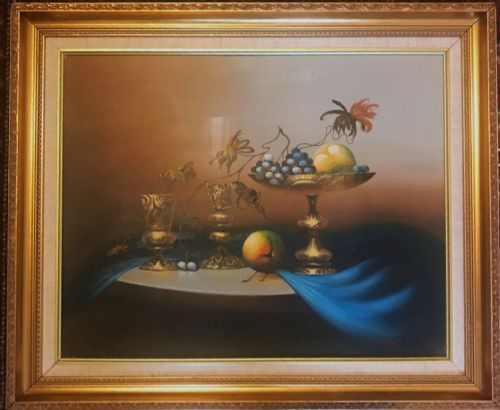
- An artwork depicting inanimate subject matter, such as fruit, flowers, or domestic objects. These compositions focus on the play of light across static textures.
- Wood panel
- A rigid support surface made from timber boards used by artists before stretched canvas became standard. Panels offer a stable ground that resists the sagging associated with aged textiles.
Traditional Wall Art Oil: Frequently Asked Questions
How do I clean an oil painting safely?
Dust the surface gently with a soft, dry artist brush or feather duster to remove loose particles. Avoid using water, household cleaners, or chemical solvents on the delicate pigment layer.
Professional conservators should handle any deep cleaning or varnish removal to prevent permanent damage to the historic paint surface.
Should I reframe a period oil painting?
Retaining the original frame preserves the historical integrity and aesthetic balance intended by the maker or later owners. Many antique frames carry patination that complements the aged canvas.
Replacement should only occur if the structural condition of the mount threatens the safety of the artwork itself.
How do I date an antique oil painting?
Examine the canvas weave, stretcher bar construction, and the type of nails or fixings used at the back of the work. Pigment composition and the style of the wooden frame offer further clues.
Signatures, dates inscribed on the reverse, or biographical records of the artist help narrow the creation period.
Where should I hang oil art at home?
Position paintings away from direct sunlight, high humidity zones like bathrooms, and active heat sources such as radiators. Stable indoor conditions prevent canvas warping and pigment cracking.
Use sturdy wall fixings rated to support the combined weight of the heavy wooden frame and canvas.