


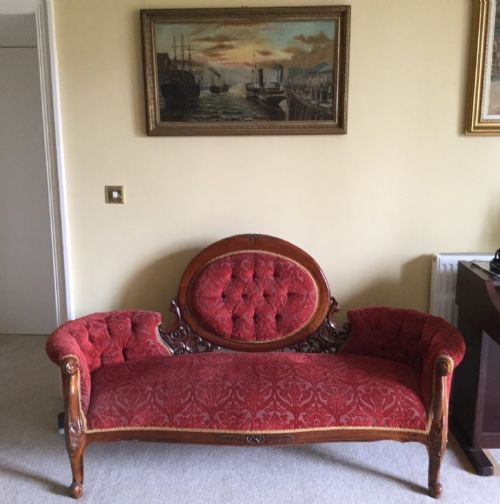


Traditional Velvet Couch
A traditional velvet couch brings rich texture and enduring seating forms into a room, spanning styles from Victorian Chesterfield to Knole designs.
Traditional Velvet Couch
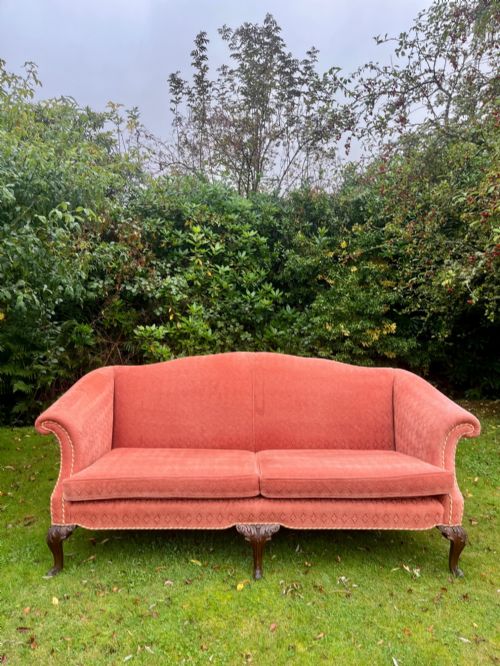
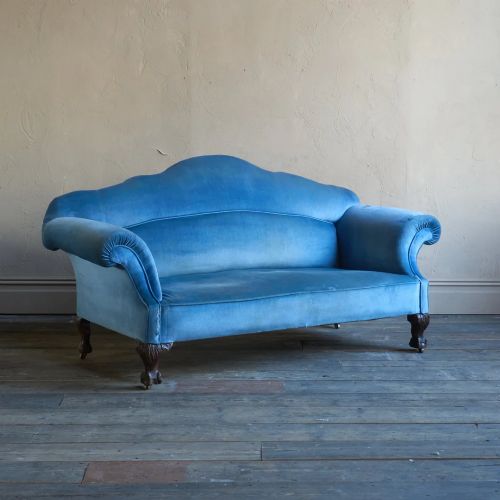
When searching for a traditional velvet couch, buyers encounter a range of nineteenth century and early twentieth century seating including Chesterfieds, Knole sofas, camelbacks, and chaise longues. These pieces emerge from periods such as the Victorian era, Edwardian period, and the 1930s, often reflecting revival influences like Chippendale, Queen Anne, and William and Mary styles.
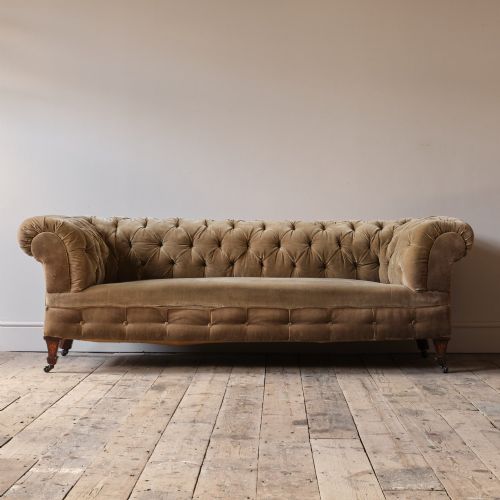
The most common forms on this page include deep-seated Chesterfieds and drop-arm Knole sofas upholstered in plush pile textiles. Alongside standard three-seater sofas and settees, listings feature daybeds and double-ended or reception salon chaises designed for formal interiors.
How traditional velvet couch frames and upholstery were built
Frames rely on sturdy timbers including mahogany, walnut, and rosewood, providing robust structural skeletons for complex seating forms. Wood components often feature carved details, ball and claw legs, or exposed polished frames.
Upholstery techniques utilise deep pile velvet, brocade, and fabric applied over sprung settee bases and traditional webbing. Detail elements incorporate buttoning, tassel trims, and brass fixtures.
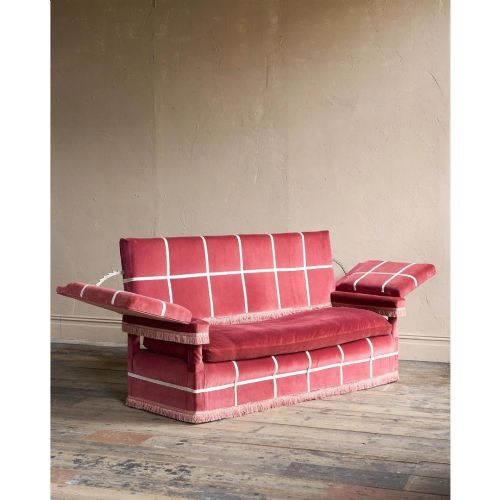
Movable components such as drop ends and adjustable arms on Knole and Chesterfield sofas require specialised internal hinging and cord mechanisms integrated directly into the timber frame.
Traditional Velvet Couch Retail Price Guide 2026
Typical asking prices for traditional velvet couch among the pieces listed under this phrase on Sellingantiques today, from the lower quarter to the upper quarter. They describe what is for sale here now, not the wider market.
Listings feature velvet upholstery across nineteenth century Victorian, Edwardian, and 1930s periods, incorporating mahogany, walnut, and brass elements.
What separates high quality traditional velvet couch examples
Quality also manifests in the execution of the upholstery work, from the depth and regularity of buttoning to the density of the sprung base and the weight of the velvet pile. Maker attribution, such as branded stamps associated with prominent nineteenth century workshops, elevates the standing of a sofa.
Howard and Sons·Hampton and Sons·Holland and sons
The Traditional Velvet Couch Glossary
- Chesterfield
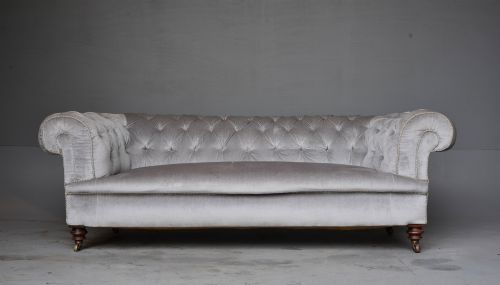
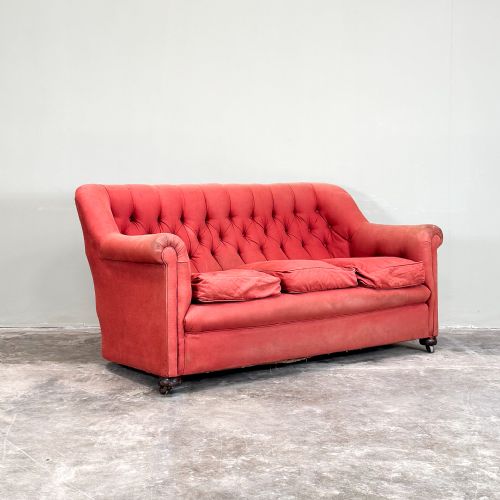
- A deep-buttoned sofa traditionally featuring arms and back of the same height. It remains a staple of nineteenth century English country house interiors.
- Knole sofa
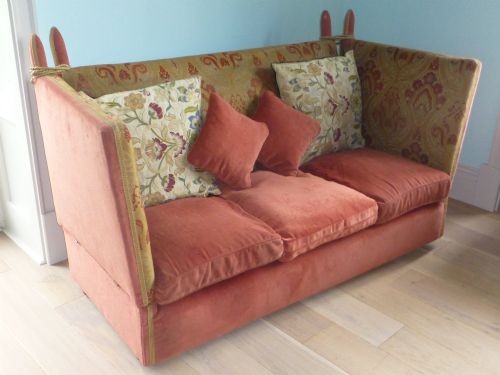
- An early upholstered form characterised by adjustable or drop arms tied with heavy braids and tassels. It offers a distinct silhouette originating from seventeenth century aristocratic houses.
- Chaise longue
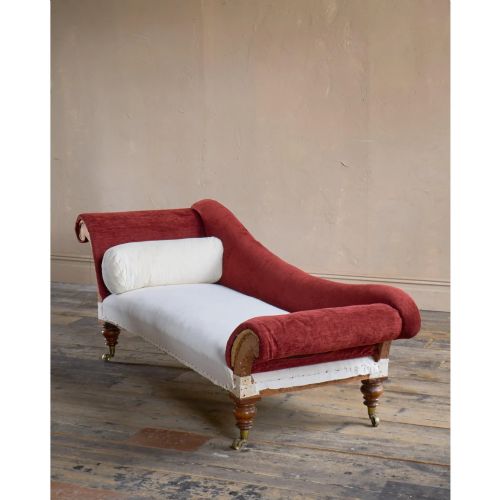
- An elongated upholstered chair designed for reclining, combining elements of a sofa and a chair. These appear in various nineteenth century Victorian and salon configurations.
- Camel back
- A sofa style featuring a graceful, undulating serpentine curve along the top of the backrest. This design borrows proportions from eighteenth century Georgian furniture.
- Drop end
- A sofa arm mechanism that can be lowered to convert the seating into a daybed or lounger. It is frequently operated via wooden ratchets or brass brackets.
Traditional Velvet Couch: Frequently Asked Questions
What is a Knole sofa?
A Knole sofa is a historic seating form defined by high, adjustable drop arms tied with cords and tassels. The design allows the user to lower the sides to create an enclosed, daybed-like environment.
These pieces often feature exposed wooden frames and deep upholstery in fabrics like claret red velvet. They date across the late nineteenth and early twentieth centuries as classic country house seating.
How do I identify a Victorian Chesterfield?
A Victorian Chesterfield is recognised by its signature deep button tufting across the back and arms, paired with a low seat profile. The arms and back typically share an identical height, creating a continuous enclosed line.
Construction from this era frequently involves robust timber frames, sprung bases, and turned wooden legs fitted with castors. They appear in both standard domestic sizes and larger country house proportions.
How should I care for velvet upholstery?
Velvet requires gentle maintenance to preserve the pile direction and rich coloration. Regular light brushing with a soft-bristled brush helps prevent dust accumulation and keeps the fabric looking even.
Avoid direct, prolonged sunlight to prevent fading of deep tones like green, claret, or blue. Professional cleaning is recommended for addressing stains on antique textile coverings.