




Traditional Two Seater Couch
A traditional two seater couch brings solid craftsmanship and historic seating comfort into a room.
Traditional Two Seater Couch
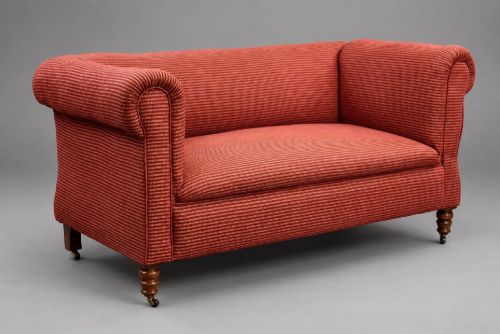
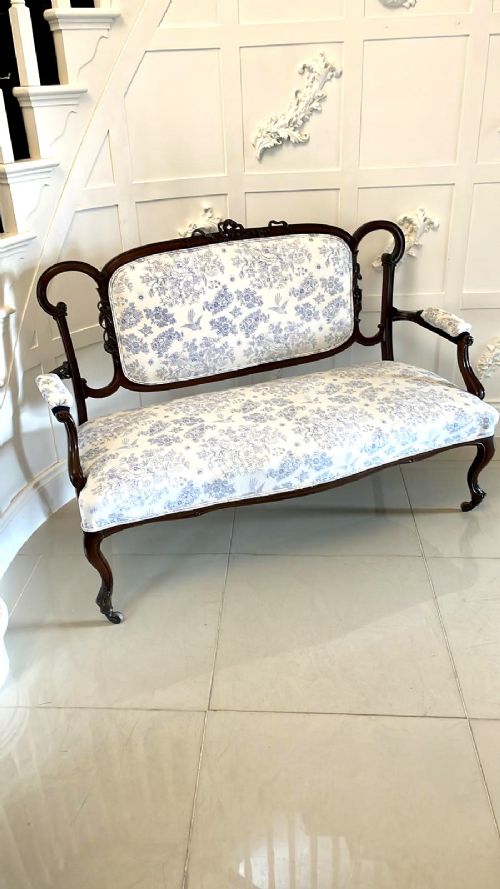
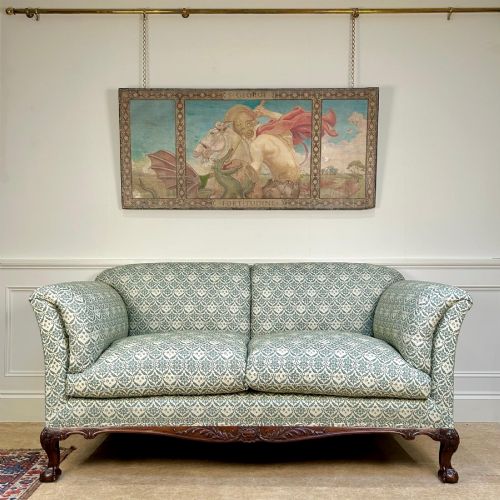
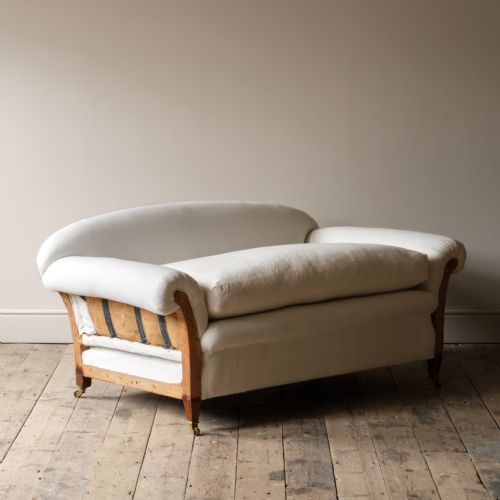
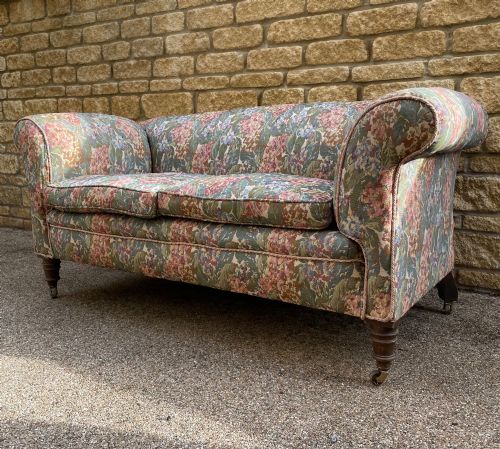
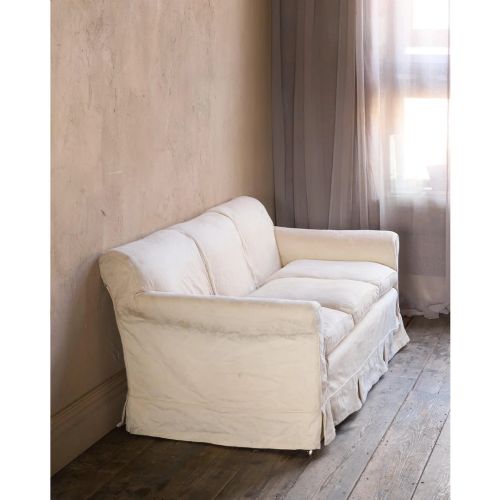
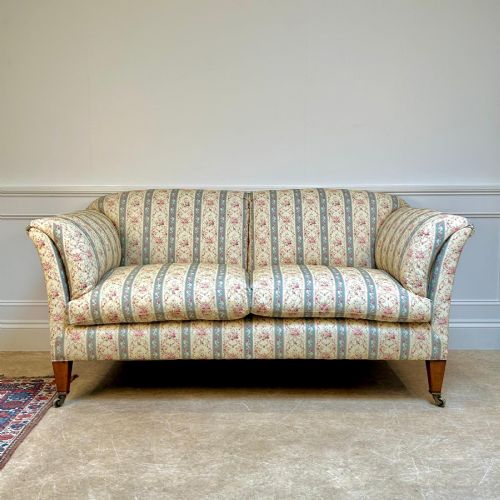
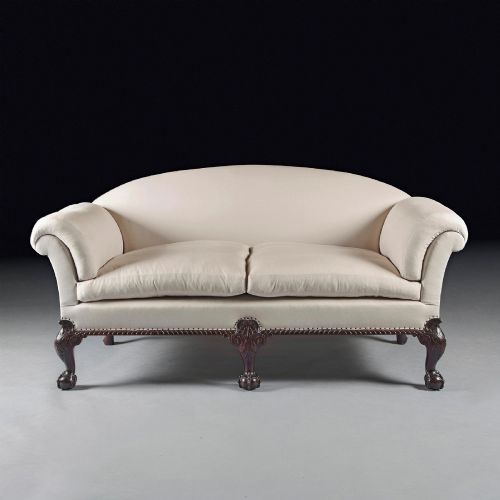
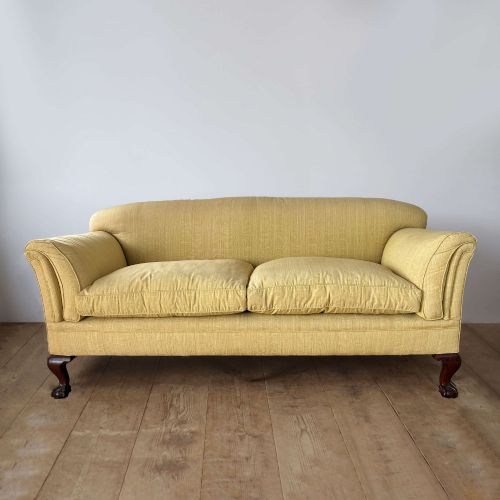
A traditional two seater couch covers a range of compact upholstered seating from the Victorian, Edwardian, and Georgian periods, alongside early twentieth-century examples. These pieces typically take the form of settee, sofa, or drop-arm configurations designed for two people.
The versions most commonly met on this page lean heavily toward English country house styles, Victorian show-frame settees, and Edwardian upholstered couches. Makers often utilised walnut, mahogany, or timber frames paired with leather or fabric upholstery.
How traditional two seater couch items were made
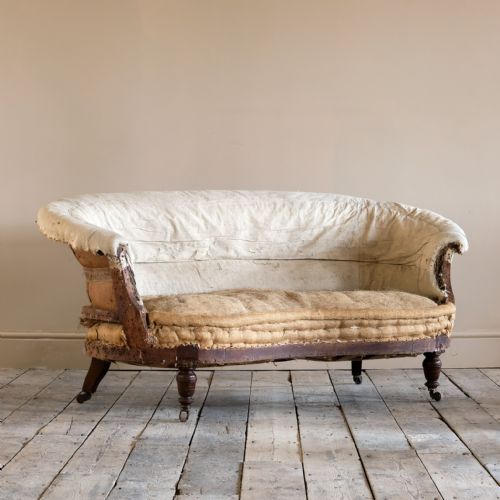
Frames rely on sturdy timbers such as mahogany, walnut, and general wood construction, often featuring hand-carved details or turned legs. Traditional construction methods incorporate materials like horsehair fill inside the upholstery layers.
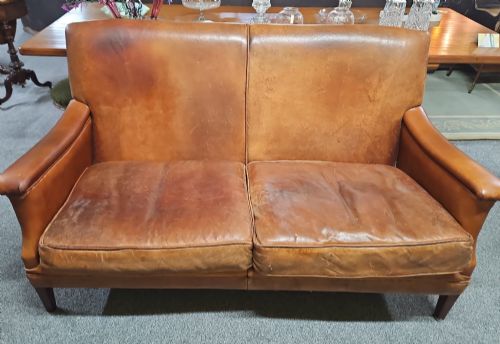
Upholstery finishes vary across hand-dyed leather, ticking fabric, and standard upholstery fabric. Brass elements frequently appear on castors or feet, particularly on pieces associated with makers like Howard and Sons.
Traditional Two Seater Couch Retail Price Guide 2026
Typical asking prices for traditional two seater couch among the pieces listed under this phrase on Sellingantiques today, from the lower quarter to the upper quarter. They describe what is for sale here now, not the wider market.
Listings feature periods spanning from the Georgian era through the Victorian and Edwardian periods up to the 1930s.
What varies in quality
The distinction between tiers rests upon the rigour of the underlying frame construction and the fidelity of the period style. Pieces featuring solid carved walnut or mahogany frames with traditional horsehair stuffing stand apart from simpler builds.
Attention to detail in the upholstery work, whether hand-dyed leather or precise button backs, marks out superior examples. The presence of documented maker attributions further elevates a piece within its period.
Howard and Sons·Hampton and Sons·Liberties
The Traditional Two Seater Couch Glossary
- Drop-arm
- A sofa mechanism allowing one or both armrests to lower into a horizontal position. This feature provides flexibility for reclining.
- Show-frame
- A wooden structural frame left partially visible around the upholstered body of the sofa. It highlights the carved timber work of the period.
- Chesterfield
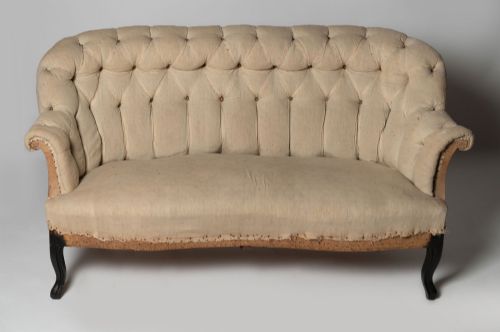
- A traditional couch style characterised by deep button-backed upholstery and rolled arms of equal height to the back. It remains a staple of nineteenth-century design.
- Ball and claw
- A furniture foot design shaped like a bird's talon gripping a ball. This carved detail frequently appears on Edwardian and Victorian legs.
Traditional Two Seater Couch: Frequently Asked Questions
What is a traditional two seater couch?
A traditional two seater couch is a compact historic seating piece originating from periods like the Victorian and Edwardian eras. These items include settees, drop-arm sofas, and leather Chesterfields built with timber frames.
They serve as practical seating options that bring period character and traditional craftsmanship into modern living spaces.
How do I identify a Victorian sofa?
Victorian sofas often feature dark woods such as mahogany and walnut, show-frames, and hand-carved floral details. Button backs and turned legs are also common indicators of this nineteenth-century period.
Upholstery choices range from hand-dyed leather to heavy fabrics, sometimes supported by ball and claw feet.
What materials were used in Edwardian couches?
Edwardian couches frequently utilise satinwood, walnut, or lighter timber frames paired with fine upholstery fabrics or leather. These pieces tend to reflect English country house aesthetics.
Makers of this era also incorporated brass castors and detailed woodwork into their compact two-seat designs.
How do I live with an antique leather sofa?
Living with an antique leather sofa involves regular conditioning to maintain the hand-dyed or whisky brown hide. Placing the couch away from direct heat sources helps preserve the leather and underlying horsehair fill.
These pieces integrate well into both traditional drawing rooms and contemporary settings as central statement seating.