



Traditional Timber High Chair
These traditional timber high chair pieces bring genuine period utility into the home, offering robust seating built from native hardwoods.
Traditional Timber High Chair
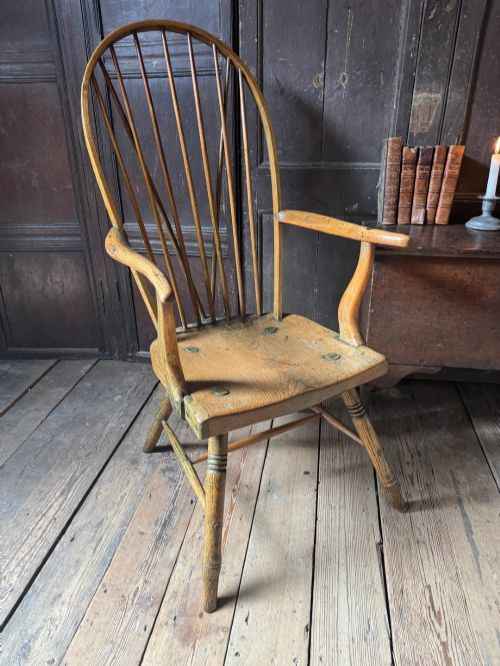
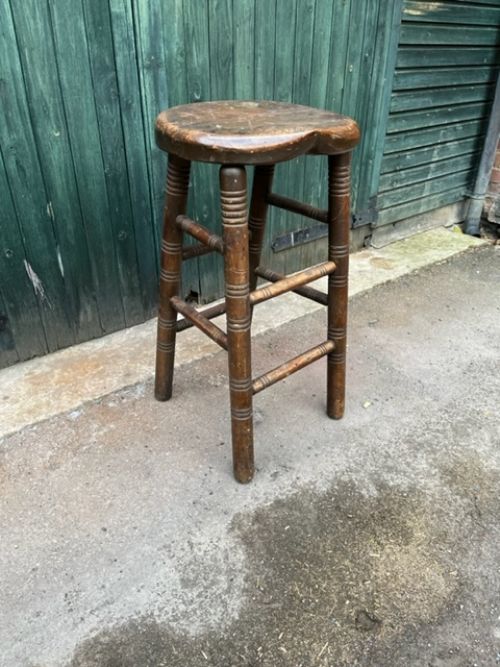
A traditional timber high chair encompasses utilitarian seating designed for children alongside related vernacular forms like Windsor armchairs, settles, and stools in the listings.
The pieces span the Georgian period, the nineteenth century, and the early twentieth century, showing distinct country vernacular and rustic farmhouse styles.
Buyers will encounter elm, oak, ash, beech, rush, yew, mahogany, and cane across these child high chairs and adult counterparts.
How they were made
Constructed primarily from native hardwoods such as elm, ash, beech, and oak, these items utilise traditional joinery and turned components.
Seating areas frequently incorporate solid timber panels, woven rush, or cane work framed by sturdy wooden spindles and high backs.
Traditional Timber High Chair Retail Price Guide 2026
Typical asking prices for traditional timber high chair among the pieces listed under this phrase on Sellingantiques today, from the lower quarter to the upper quarter. They describe what is for sale here now, not the wider market.
Listings feature elm, oak, ash, beech, rush, yew, mahogany, and cane across periods from Georgian to 1930.
What varies in quality
Quality separates through the selection of timber species and the sophistication of the turning and Windsor framing techniques employed by the maker.
The integrity of the original construction and the preservation of authentic surface patination distinguish the finest vernacular examples.
The Traditional Timber High Chair Glossary
- Windsor
- A traditional wooden chair style featuring a saddle-shaped seat into which the legs and back spindles are directly wedged.
- Rush
- A marsh plant material twisted into cords and woven to form flexible, durable chair seating.
- Comb-back
- A Windsor chair variation where the top rail resembles the teeth of a comb, supporting vertical spindles.
- Box settle
- A high-backed wooden bench incorporating enclosed storage space beneath the seat.
- Bergere
- A traditional style of upholstered or cane-panelled seating utilising woven cane webbing.
Traditional Timber High Chair: Frequently Asked Questions
What periods do these chairs represent?
The pieces span from the Georgian era through the nineteenth century and into the early twentieth century. They reflect rural vernacular traditions across these decades.
Craftsmanship evolved slightly in finish and turning techniques while retaining sturdy utilitarian forms.
How were these high chairs used?
These elevated seats positioned young children safely at table height during family meals. Their robust wooden construction ensured daily domestic utility.
Many utilised Windsor framing or ladderback designs with attached footrests for stability.
What woods appear in these pieces?
Local hardwoods dominate the construction, including elm, ash, beech, oak, yew, and mahogany. Makers selected timbers based on regional availability and functional strength.
Seats often combined softer woods like elm with turned ash or beech spindles.
How do styles differ across the listings?
Styles range from Georgian country and rustic farmhouse to folk art and primitive country vernacular. Each reflects the local traditions of regional workshops.
Details such as high hoop-backs or box settle storage distinguish the various utilitarian forms.