




Traditional Timber Bureau
Traditional timber bureau pieces are classic writing desks and drawer units in mahogany, walnut, and pine, offering timeless storage and workspace.
Traditional Timber Bureau
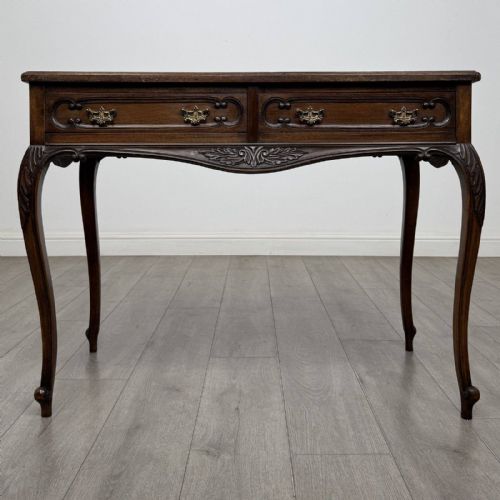
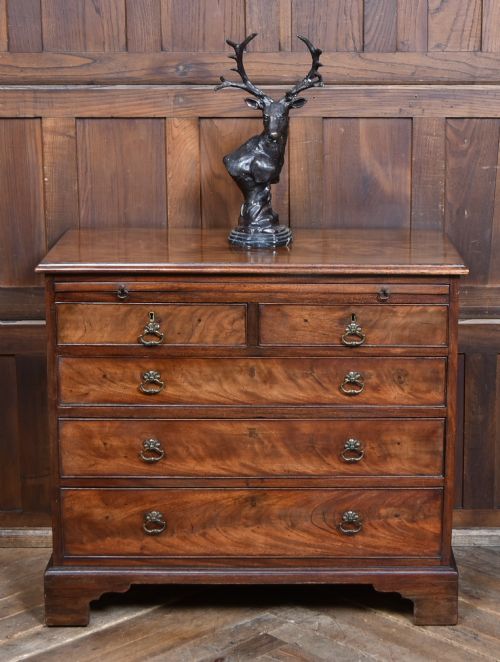
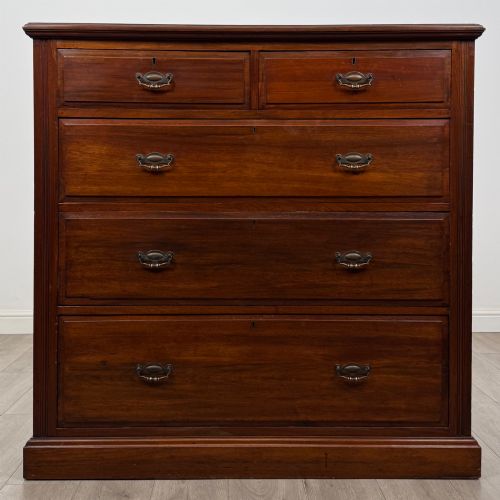
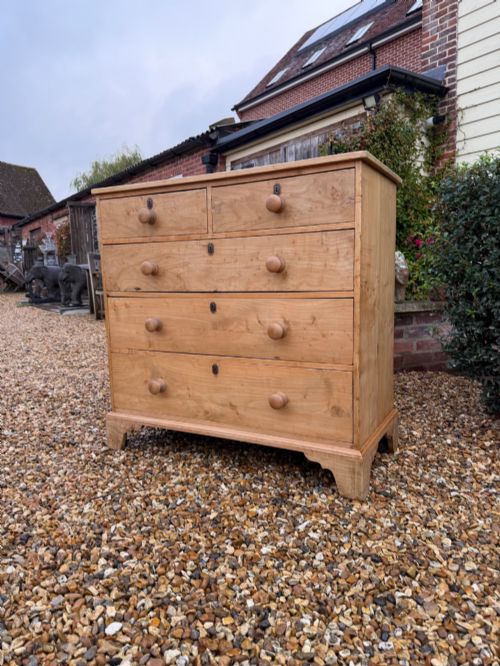
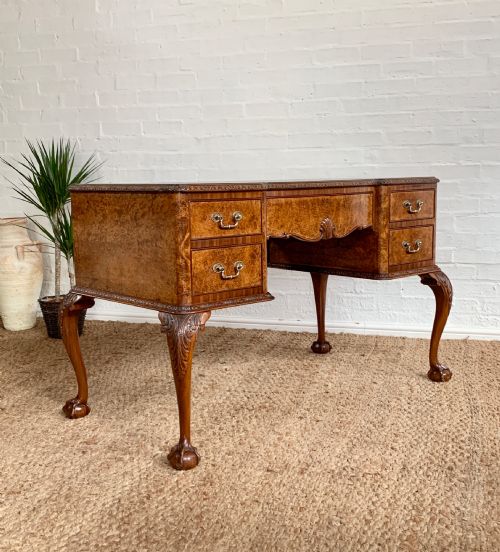
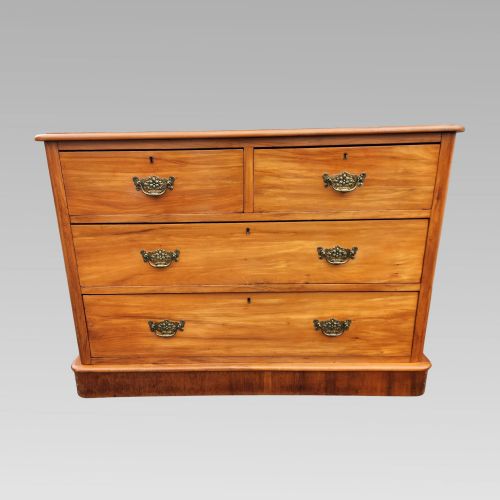
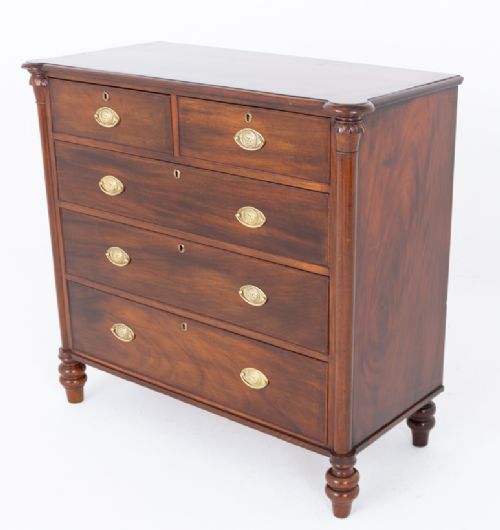
When you search for a traditional timber bureau, you are looking at sturdy desks, writing tables, and chests of drawers spanning periods from the Georgian era through to the twentieth century. The inventory on this page largely consists of mahogany and walnut desks alongside varied chests of drawers from Victorian, Edwardian, and earlier times.
Buyers frequently encounter desks featuring leather writing surfaces alongside classical chest of drawers forms in mahogany or satinwood. These practical furnishings reflect centuries of British cabinetmaking traditions, using robust hardwoods built for daily writing and storage tasks.
Materials and construction methods
Cabinetmakers constructed these pieces primarily using solid mahogany, walnut, oak, and pine, often embellishing surfaces with burr walnut or satinwood veneers. Brass handles and green tooled leather inserts complete the traditional writing surfaces and drawer fittings.
Joinery techniques relied on sturdy timber frames and fitted drawers designed to withstand heavy daily use. Workshops shaped these woods into pedestals, kneeholes, and serpentine fronts using hand tools and traditional adhesives.
Traditional Timber Bureau Retail Price Guide 2026
Typical asking prices for traditional timber bureau among the pieces listed under this phrase on Sellingantiques today, from the lower quarter to the upper quarter. They describe what is for sale here now, not the wider market.
Distinctions in quality and finish
Quality rests in the selection of figured timber veneers, the retention of original brass hardware, and the crispness of the cabinetmaker's joints. Superior pieces exhibit carefully matched grain patterns across drawer fronts and desktop surfaces.
The presence of original leather writing inserts and undamaged secondary timbers elevates a piece above standard utility examples. Finer examples show thoughtful proportion and disciplined decorative marquetry rather than hurried assembly.
The Traditional Timber Bureau Glossary
- Burr walnut
- A figured wood grain prized for its swirling patterns. Cabinetmakers used burr walnut veneers on prominent surfaces like drawer fronts and desk tops.
- Kneehole desk
- A writing table featuring a central recess for the user's legs, flanked by pedestals of drawers. This form became popular during the eighteenth and nineteenth centuries.
- Serpentine front
- A furniture facade curved in a wave-like shape, convex at the centre and concave at the ends. This sophisticated profile requires advanced woodworking skill.
- Satinwood
- A pale, lustrous hardwood native to tropical regions. British makers utilised satinwood for contrasting stringing and decorative veneer panels.
Traditional Timber Bureau: Frequently Asked Questions
What periods do these desks cover?
The pieces span multiple historical eras, including Georgian, Victorian, and Edwardian periods.
You will also find items originating from the nineteen-thirties and late nineteenth century.
What woods were used?
Construction relies heavily on traditional hardwoods like mahogany, walnut, and oak.
Makers also incorporated satinwood, pine, and burr walnut veneers for decorative surfaces.
Are leather inserts original?
Many desks feature tooled leather writing surfaces set into the wood.
Some retain their original leather, while others feature appropriate replacement surfaces.
How do I identify a writing table?
Writing tables and desks typically incorporate flat working surfaces combined with drawers.
Some examples include kneehole configurations or pedestal drawer stacks beneath the top.