





Traditional Timber Bed
A traditional timber bed brings warmth and solid construction to a bedroom, ranging from provincial single frames to imposing four-poster designs.
Traditional Timber Bed
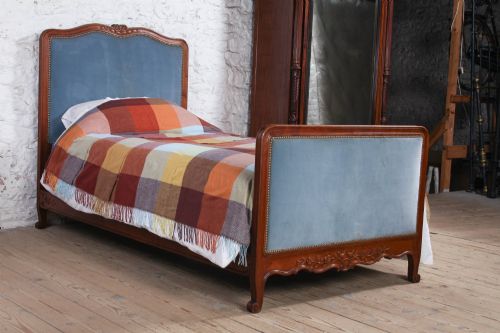
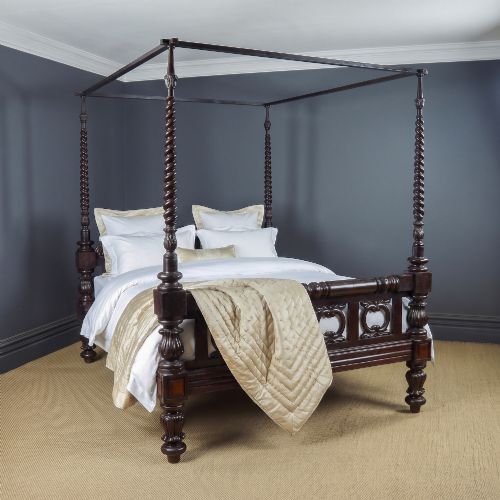
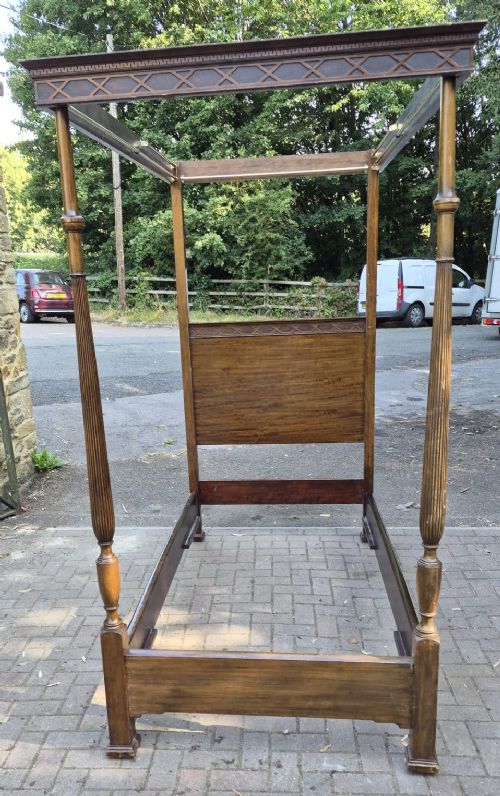
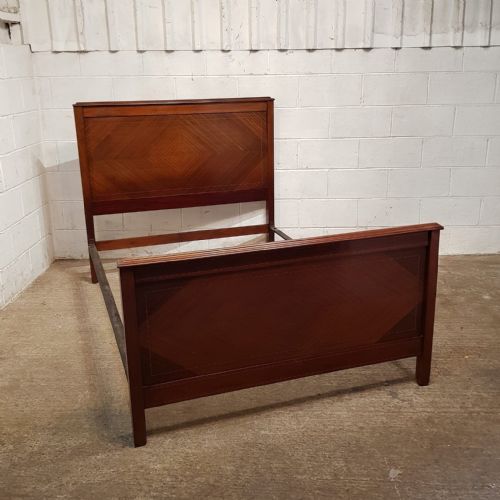
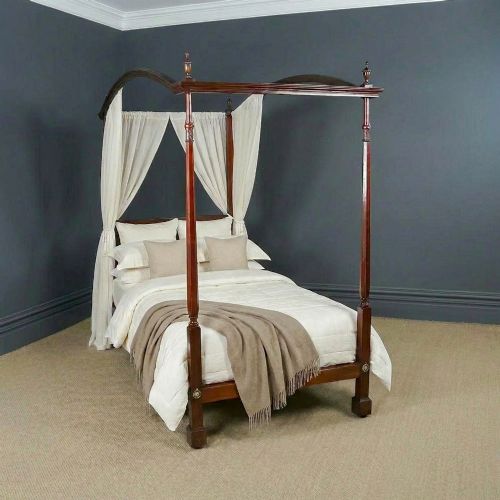
A traditional timber bed encompasses various wooden frames and sleeping furniture dating from the seventeenth century through to the Edwardian period, along with revival styles. Buyers seeking a traditional timber bed encounter everything from simple single bedsteads to grand four-poster and half tester structures.
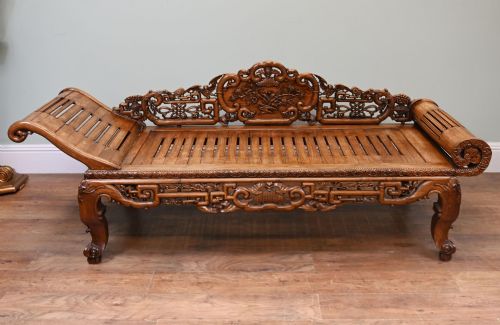
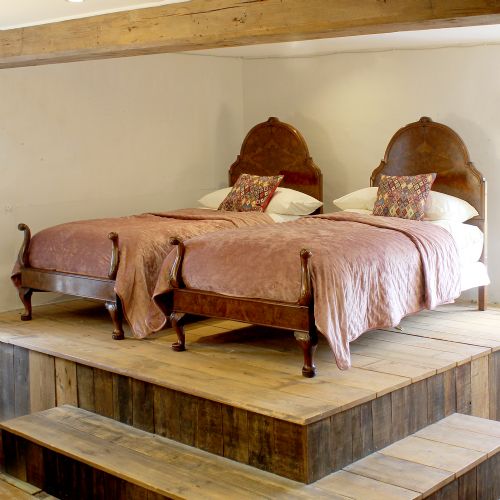
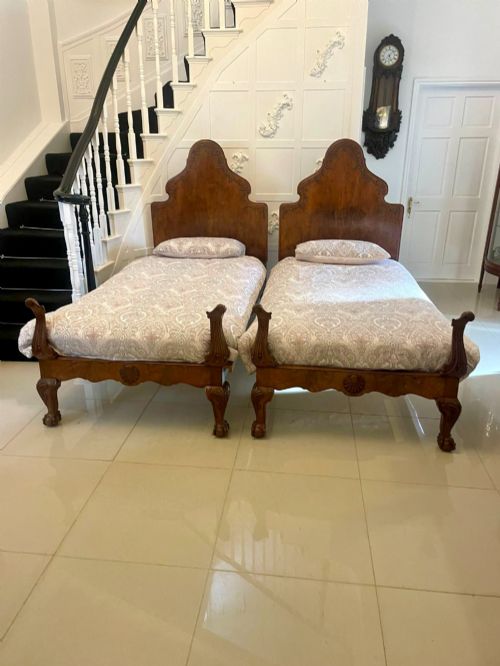
The selection includes specific regional and period interpretations, such as Georgian revival pieces, Victorian walnut frames, and carved hardwood beds from the Qing Dynasty. Oak, mahogany, and walnut dominate the forms available, often showing distinctive period characteristics like fruitwood inlay or provincial carving.
Construction and materials
Craftsmen built these beds using dense hardwoods such as oak, mahogany, walnut, and burr walnut, sometimes incorporating fruitwood for inlay work. Iron and brass hardware frequently reinforced the timber structures, particularly on joints and four-poster frameworks.
Joinery techniques relied on traditional cabinet-making methods, allowing large pieces like four-poster beds and coffers to remain sturdy. Carving was executed by hand, creating detailed motifs on headboards, bedposts, and panels across Victorian and Edwardian examples.
Traditional Timber Bed Retail Price Guide 2026
Typical asking prices for traditional timber bed among the pieces listed under this phrase on Sellingantiques today, from the lower quarter to the upper quarter. They describe what is for sale here now, not the wider market.
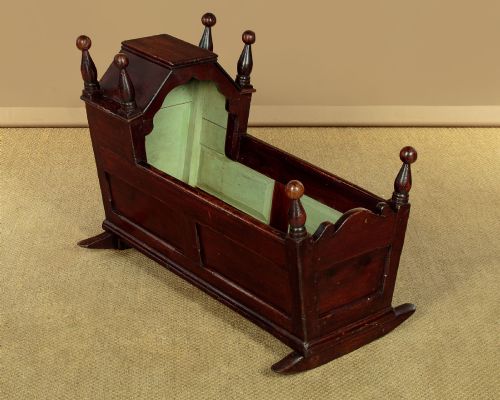
Early sleeping quarters occasionally accommodated a country house dog bed, ensuring even household pets rested in proper wooden style.
Judging quality in timber beds
The grade of timber and the quality of the grain selection dictate the standing of a piece, particularly in burr walnut and figured mahogany examples. Superior pieces display thoughtful matching of wood veneers and crisp, hand-carved details rather than rushed machine moulding.
Structural integrity and the retention of original components, such as testers and posts, separate superior examples from heavily altered frames. The depth of the colour and the condition of the polish reflect how well the timber has aged and been maintained.
Heals of London
The Traditional Timber Bed Glossary
- Four-poster bed
- A bed with four vertical columns supporting an upper canopy or tester. These grand frames often feature carved posts and substantial headboards.
- Half tester
- A bed featuring a partial canopy extending only over the head end rather than the full length of the frame. This style was popular during the Victorian period.
- Coffer
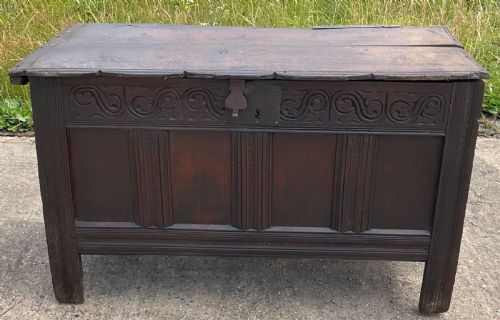
- A large wooden chest used for storage, frequently constructed from oak. They share construction methods and period styles with contemporary wooden beds.
- Inlay
- A decorative technique where contrasting woods, such as fruitwood, are fitted into recesses in the primary timber surface. It appears on seventeenth-century and revival pieces.
- Tester
- The flat wooden canopy or ceiling above a four-poster bed. It sometimes incorporates decorative cornices or mouldings.
Traditional Timber Bed: Frequently Asked Questions
How do I date a wooden bed?
Dating relies on examining the timber species, joinery methods, and stylistic cues present in the carving or turning. Comparing the proportions to documented period furniture helps narrow down the decade of manufacture.
Hardware such as screws, bolts, and brackets also offers clues, as hand-forged iron differs significantly from twentieth-century mass-produced fixings.
Will an antique bed take a modern mattress?
Many older wooden beds were built to dimensions that differ slightly from current standard mattress sizes. Custom mattress ordering is often necessary for older or non-standard frames.
Support slats and internal rails frequently require discreet adaptation to safely hold modern mattress weights without altering the visible exterior timber.
How should I care for timber bed frames?
Maintain a stable indoor climate away from direct heat sources and strong sunlight to prevent the timber from drying out or splitting. Regular dusting with a soft, dry cloth preserves the finish.
Occasional application of appropriate wax polish helps nourish old wood and maintains a soft sheen without building up heavy residues.