

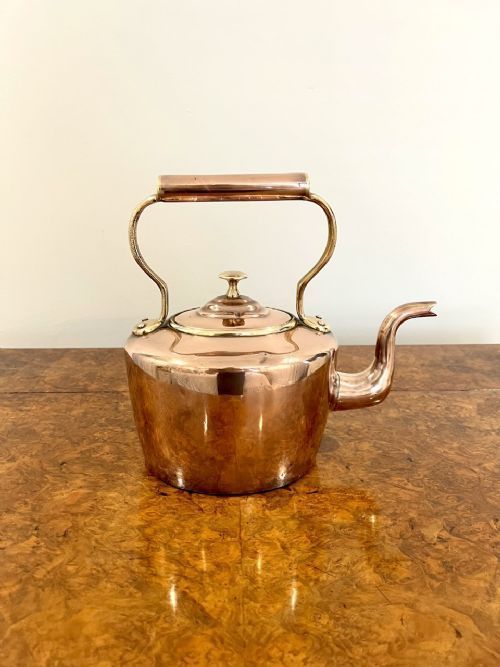


Traditional Tea Kettle
These traditional tea kettle examples bring domestic history to life, offering both functional form and period metalwork.
Traditional Tea Kettle
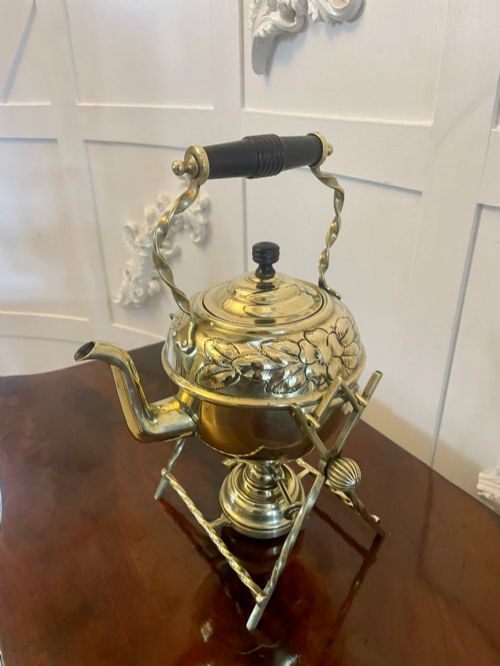
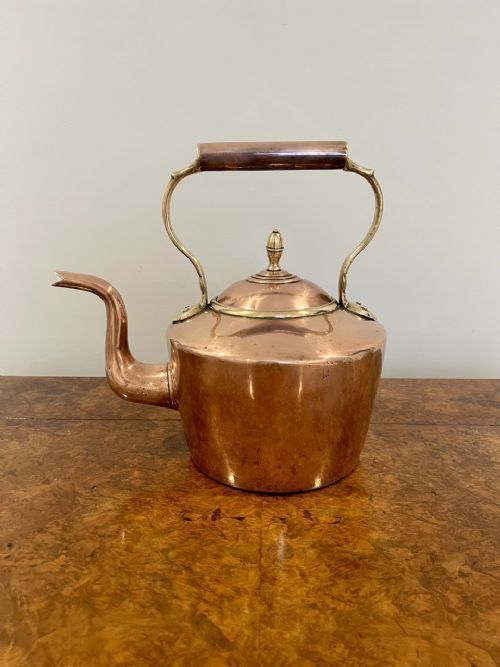
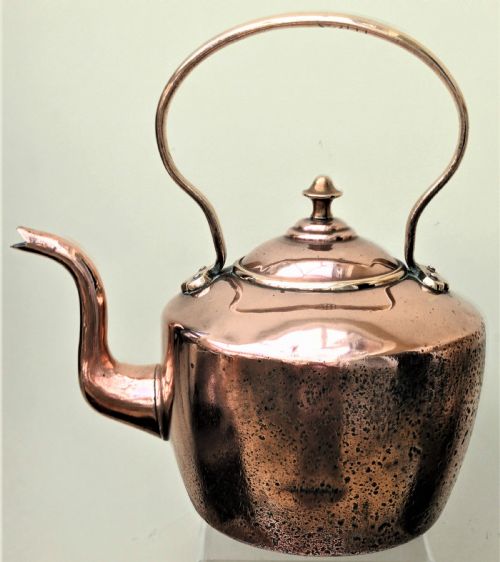
When searching for a traditional tea kettle, you encounter pieces primarily forged from copper and brass originating from the Georgian and Victorian eras. These items served a central role in period hospitality, often designed to sit on dedicated stands or trivets.
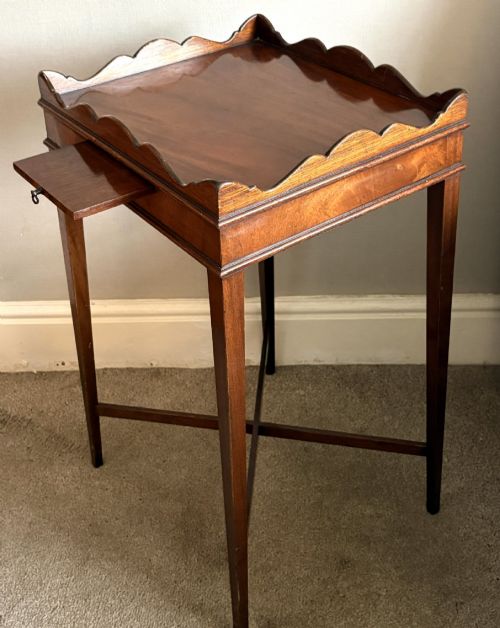
The most common form on this page is the George III copper kettle, frequently accompanied by Victorian examples and occasional mahogany kettle stands. They range from small vessels to large pieces, sometimes incorporating brass fittings or wood handles.
Beyond standard hearth kettles, the selection includes spirit kettles on stands and samovars, alongside related forms like teapots and occasional tables. These provide a tangible connection to historical domestic routines.
Materials and construction
The primary material across the listings is copper, frequently paired with brass for handles, spouts, or fittings, and occasionally incorporating wood or ebonised wood insulators. Cloisonne enamel and gilded metal also appear in specific traditional Chinese and Dutch styles.
Construction relies on traditional metalworking techniques suited to durable daily use, resulting in heavy gauge metal vessels designed to hold boiling water over a hearth or spirit burner. Mahogany is utilised for the separate kettle stands and occasional tables associated with these vessels.
Traditional Tea Kettle Retail Price Guide 2026
Typical asking prices for traditional tea kettle among the pieces listed under this phrase on Sellingantiques today, from the lower quarter to the upper quarter. They describe what is for sale here now, not the wider market.
Materials recorded across the inventory include copper, brass, mahogany, ebonised wood, wrought iron, and cloisonne enamel.
Quality variations in metalwork and stands
Quality in these vessels is determined by the weight and thickness of the copper used in the body, alongside the crispness of the hand-beaten or polished finish. Superior examples maintain intact original brass fixtures and well-fitted lids without excessive wear.
For stands and tables, quality lies in the choice of mahogany and the joinery of the frame. Pieces that retain their matching trivets or spirit burners demonstrate a higher degree of completeness.
The Traditional Tea Kettle Glossary
- Spirit Kettle
- A kettle fitted with its own small spirit burner beneath the stand, designed for keeping water hot at the tea table.
- Samovar
- A heated metal container traditionally used to boil and heat water in Russian and wider European domestic settings.
- Trivet
- A small metal or wooden support stand raised on feet, used to hold a hot kettle off a table surface.
- Cloisonne Enamel
- A decorative metalwork technique where compartments are created using soldered wire and filled with coloured enamel paste.
- George III
- The period spanning from 1760 to 1820, characterised by specific neoclassical and Georgian design sensibilities.
Traditional Tea Kettle: Frequently Asked Questions
How do I date a copper kettle?
Dating relies on observing construction methods, handle attachments, and the overall shape characteristic of periods like the Georgian or Victorian eras.
Earlier pieces often feature distinct hand-beaten seams and specific handle fixtures that differ from later mass-produced examples.
What is a spirit kettle used for?
A spirit kettle was utilised at the tea table to maintain hot water without needing a trip back to the kitchen hearth.
The small burner underneath kept the contents heated throughout the gathering.
Can I use an antique kettle on a modern stove?
Most antique copper vessels are collected for display, historical appreciation, or interior decoration rather than daily boiling.
Using them on modern hobs can risk damaging the historic metalwork and soldered seams.
What is the difference between a kettle and a samovar?
A traditional kettle is a portable vessel designed for pouring water into teapots, often paired with a separate stand.
A samovar functions as a larger urn with an internal heating tube or tap for dispensing hot water directly.