




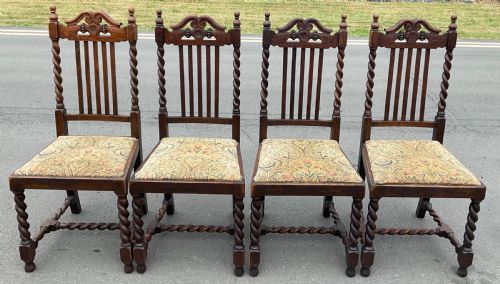


Traditional Tapestry Side Chair
A traditional tapestry side chair brings historic needlework and rich timber into a room, offering a compact seat with genuine period character.
Traditional Tapestry Side Chair
When searching for a traditional tapestry side chair, you encounter seating constructed across multiple eras including the Georgian, Victorian, and Edwardian periods. These pieces serve primarily as auxiliary seating for dining rooms, halls, and bedrooms, designed to occupy minimal floor space while delivering distinct decorative presence.
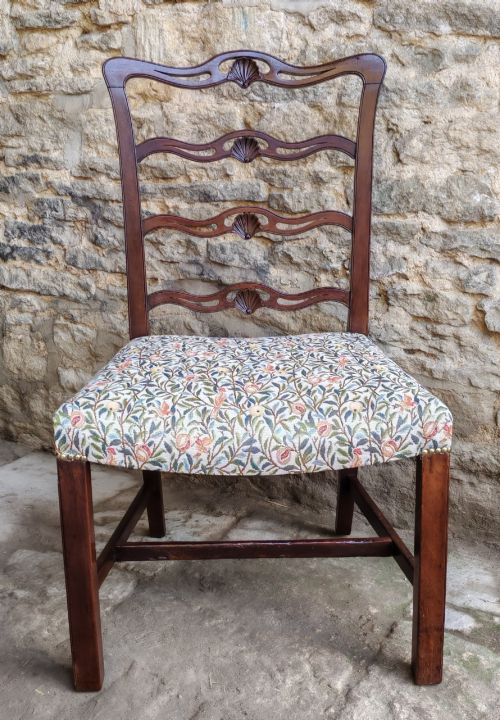
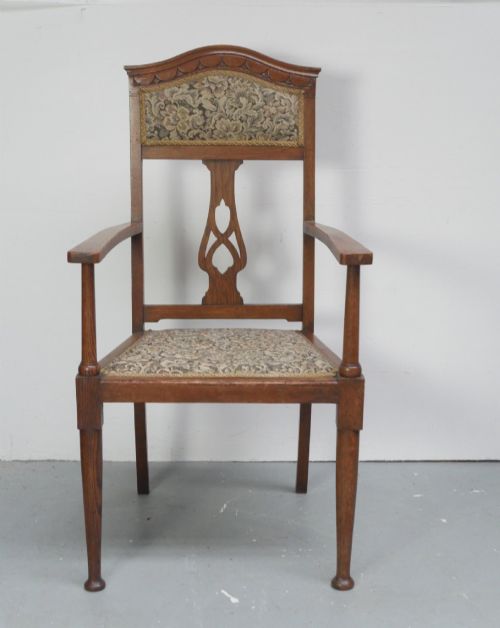
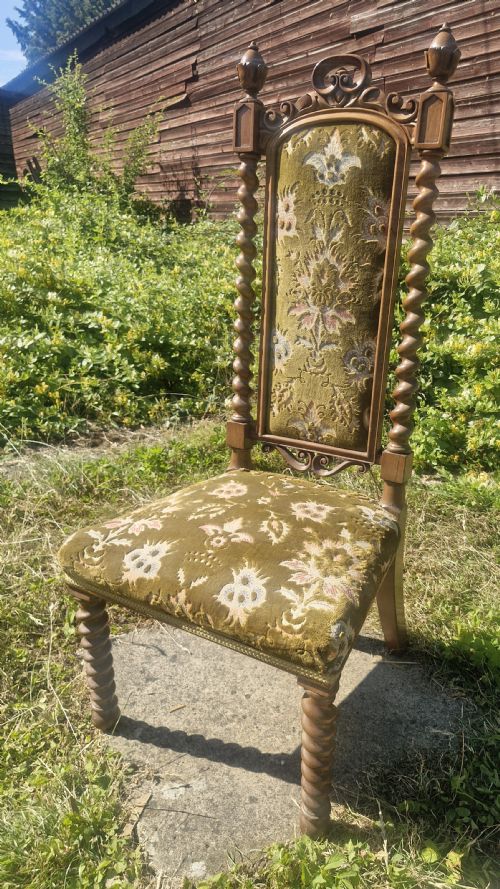
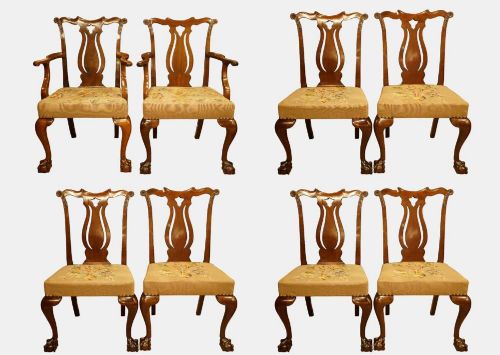
The specimens on this page encompass various forms such as dining chairs, hall chairs, and nursing chairs executed in woods like mahogany, oak, and walnut. Many examples feature drop-in seats or high backs upholstered in needlepoint, carpet fabric, or floral textiles.
Revival styles heavily populate this selection, notably Chippendale revival and Jacobean revival interpretations produced in the nineteenth and early twentieth centuries. These revival pieces imitate earlier eighteenth-century proportions while retaining the specific upholstery fashions of their actual manufacture date.
How they were made
Cabinetmakers utilised dense hardwoods such as mahogany and oak to construct the structural frames of these chairs, employing traditional joinery methods like mortise and tenon. Carved details on the rails, crests, and legs were executed by hand utilising chisels and gouges to achieve styles ranging from plain ladderbacks to elaborate Gothic or Chippendale motifs.
Seats were built up using webbing, stuffing, and horsehair or similar traditional foundations before receiving a final top cover of tapestry, needlework, or embroidered textile. Brass tacks or gimp braid frequently secured the perimeter of the upholstery fabric to the timber frame.
Traditional Tapestry Side Chair Retail Price Guide 2026
Typical asking prices for traditional tapestry side chair among the pieces listed under this phrase on Sellingantiques today, from the lower quarter to the upper quarter. They describe what is for sale here now, not the wider market.
Upholstery materials recorded across the inventory include traditional tapestry, needlework, velvet, and standard textile fabrics.
What varies in quality
The integrity of the timber frame dictates the foundational grade of the piece, with tightly fitted joints and substantial scantlings marking superior construction. Heavy, dense mahogany or well-figured oak displays greater durability than lighter, softer secondary woods.
The execution of the hand-carving and the complexity of the needlework upholstery distinguish standard production items from finer workshop output. Crisp, deeply undercut carving and finely worked tapestry threads indicate higher craftsmanship.
Warings
The Traditional Tapestry Side Chair Glossary
- Side chair
- A chair without arms, originally designed for dining or placement against a wall when not in use. These pieces represent the most common seating format in historical interiors.
- Needlepoint
- A type of canvas work embroidery executed with wool or silk yarn, frequently utilised for seat covers on period chairs. This technique allows for dense pictorial or floral patterns.
- Drop-in seat
- A removable wooden frame upholstered separately and dropped into the seat rail rebate of a chair. This design facilitates easy reupholstery without dismantling the main frame.
- Chippendale revival
- A style popularised in the nineteenth century replicating the mid-eighteenth-century designs of Thomas Chippendale. Pieces in this manner typically feature carved ribbon backs or cabriole legs.
- Elbow chair
- An armchair designed with low arms, often used as a desk or occasional seat. The term distinguishes them from larger fireside armchairs.
Traditional Tapestry Side Chair: Frequently Asked Questions
Where were side chairs used?
Historical side chairs served multiple domestic functions outside the primary dining table setting. They populated hallways, bedrooms, and morning rooms as convenient auxiliary seating.
Their slender proportions allowed them to stand against walls until required for guests during gatherings.
How do I date an oak side chair?
Dating relies on examining the timber preparation, tool marks visible on unexposed surfaces, and structural assembly methods. Earlier pieces display hand-sawn timber grain and pegged joints rather than modern screws.
Staining techniques and the wear patterns on the feet also provide clear indicators of age.
Are tapestry seats original?
Many tapestry and needlework covers date to the nineteenth or twentieth-century revival periods even if the chair frame is older. Textiles wear out faster than timber and frequently required replacement.
Needlework executed on canvas can sometimes be identified as period-correct by the wool dye lots and canvas weave density.
What is a Chippendale revival chair?
A Chippendale revival chair is a late nineteenth or early twentieth-century interpretation of eighteenth-century English furniture designs. Cabinetmakers reproduced the distinctive pierced splats and carved cabriole legs associated with Thomas Chippendale's workshop.
These revival pieces offer period aesthetics with the sturdiness of Victorian manufacturing.