







Traditional Tall Stools
Traditional tall stools are sturdy, elevated seats built for work and socialising that bring practical height and honest character to any room.
Traditional Tall Stools
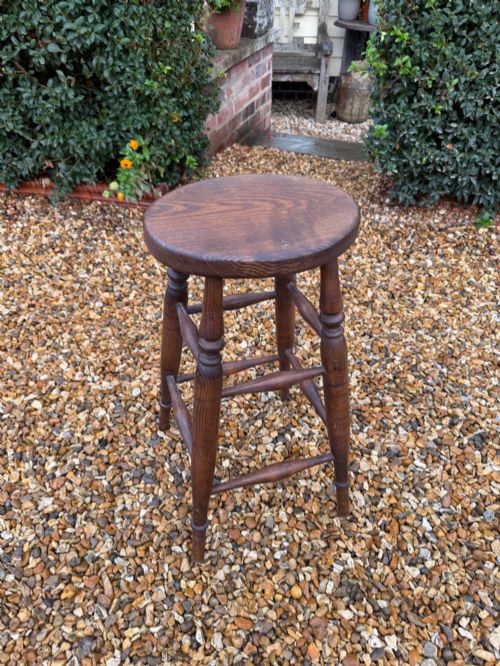
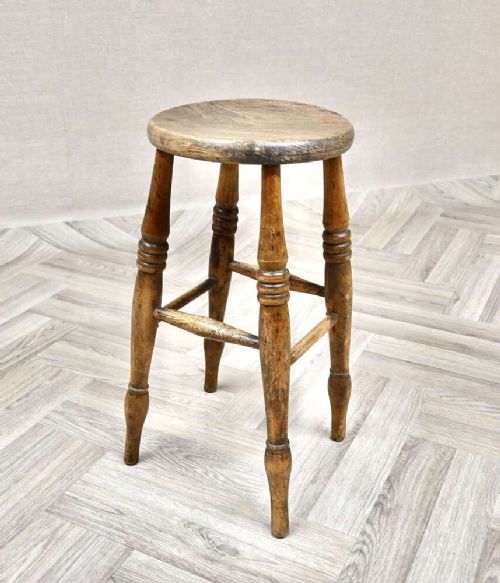
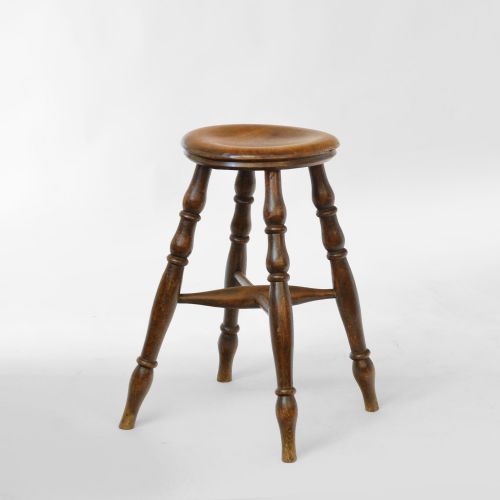
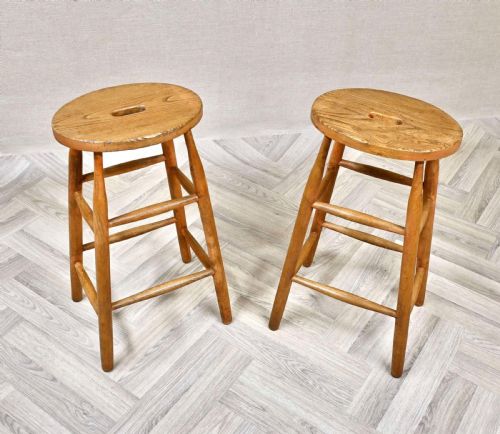
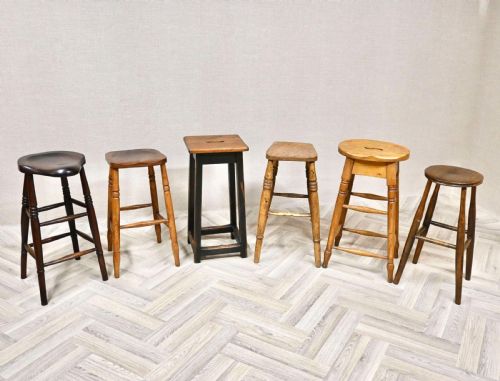
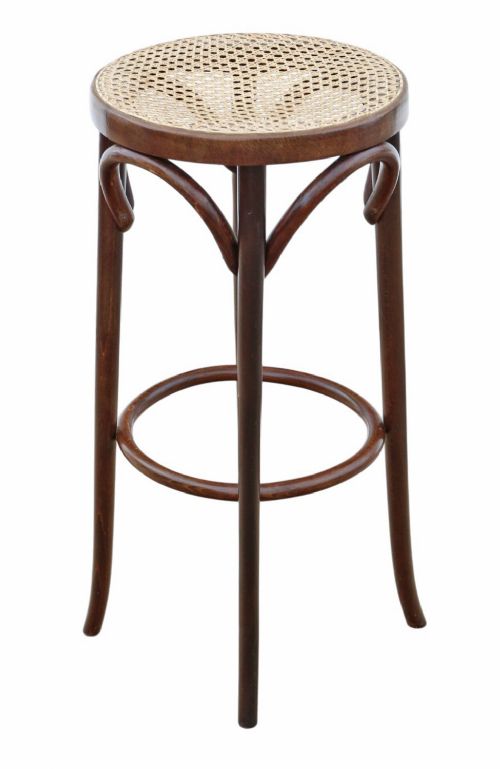
Traditional tall stools encompass sturdy seating designed for elevated tasks, appearing in forms such as clerk's seats, pub tavern stools, and country house pieces. When searching for traditional tall stools, buyers encounter practical workshop and tavern seating dating across the nineteenth and early twentieth centuries. These pieces serve functional roles at high counters, bars, and desks while adding distinct historic charm to contemporary interiors.
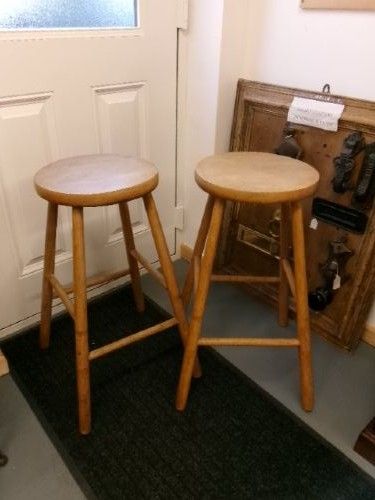
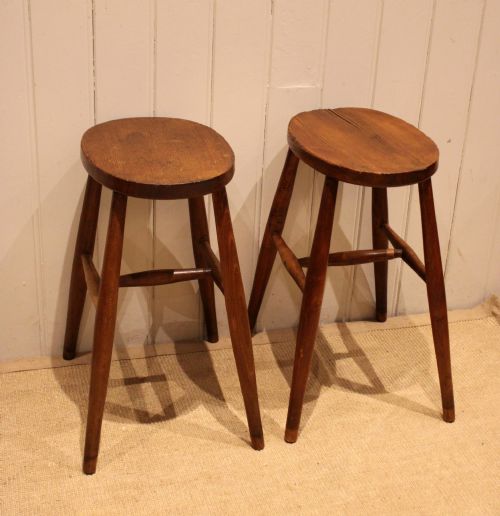
The selection ranges from simple pine and elm topped designs to turned beech clerk seats and bentwood high stools. Many pieces reflect rural vernacular traditions, utilising local timbers shaped for daily utility rather than formal display. Buyers frequently find paired or single items originating from domestic, commercial, and agricultural settings.
How they were made
Traditional tall stools rely on robust domestic timbers including elm, sycamore, oak, beech, and pine, chosen for their strength under daily use. Craftsmen frequently combined solid wood tops with turned or splayed legs to ensure stability at height. Construction techniques prioritised durability, employing pegged joints and sturdy stretchers to brace the elevated frames.
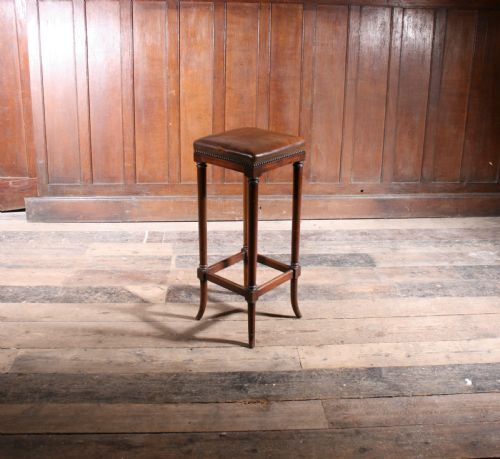
Surfaces often show the honest marks of age, from plain scrubbed wood to remnants of early paint or leather upholstery. Bentwood techniques appear in later twentieth-century examples, utilising steamed wood to create curved frames. Each piece reflects the practical demands of its original workspace, whether a Victorian tavern or a clerk's office.
Traditional Tall Stools Retail Price Guide 2026
Typical asking prices for traditional tall stools among the pieces listed under this phrase on Sellingantiques today, from the lower quarter to the upper quarter. They describe what is for sale here now, not the wider market.
Pub stools often carry the honest scars of nineteenth-century spilled ale and heavy tavern boots.
What varies in quality
The quality of traditional tall stools rests primarily on timber selection and structural integrity. Denser woods like elm and sycamore provide durable seats that endure decades of heavy use, while simpler pine versions show more surface wear. The balance of the frame and the tightness of the original joints dictate how well a stool holds its weight over time.
Refinement in turning and shaping also distinguishes finer workshop execution from basic utility items. Subtle details such as well-proportioned stretchers, comfortable saddle seats, and retained original surfaces elevate certain examples above standard workshop output.
The Traditional Tall Stools Glossary
- Vernacular
- Everyday objects made by local craftsmen for practical use rather than following high-style academic designs. These pieces rely on regional materials and traditional building methods.
- Bentwood
- Wood shaped by steaming to create curved structural components. This technique allows for lightweight yet resilient frames.
- Stretcher
- A horizontal support connecting the legs of a stool to provide stability and rigidity. These elements often double as footrests on tall seating.
- Saddle seat
- A wooden seat top carved with ergonomic hollows resembling a horse saddle. This shaping provides comfort during long periods of sitting.
Traditional Tall Stools: Frequently Asked Questions
What were tall stools used for originally?
Traditional tall stools served practical functions in workplaces, public houses, and domestic settings where elevated seating was required. Clerks used them at high desks, while patrons sat on them in taverns and pubs.
They allowed workers and guests to remain at eye level with counters or standing colleagues. Their sturdy construction ensured they could withstand the demanding conditions of daily commercial life.
How do I style a tall stool at home?
These stools fit naturally beneath kitchen islands, breakfast bars, and high writing desks. Their varied timber tones and honest patination bring warmth and historic contrast to modern spaces.
Grouping pairs or single pieces creates an eclectic seating arrangement around high surfaces. Their narrow footprints make them practical choices for rooms where floor space is limited.
How can I tell the age of a tall stool?
Dating relies on examining the timber species, tool marks, construction methods, and overall wear patterns. Earlier nineteenth-century examples often feature hand-turned legs and pegged joinery using native woods like elm and sycamore.
Later pieces from the early twentieth century may introduce bentwood elements or machine-tooled components. Comparing the patination and structural style helps place a piece within its historical period.
Are tall stools comfortable for daily seating?
Many traditional tall stools feature carved saddle seats designed to distribute weight comfortably during extended periods of use. Footrests provided by the structural stretchers also help maintain a comfortable posture.
While they lack upholstered backs, their ergonomic wooden tops make them surprisingly practical for casual dining or working at a high counter.