





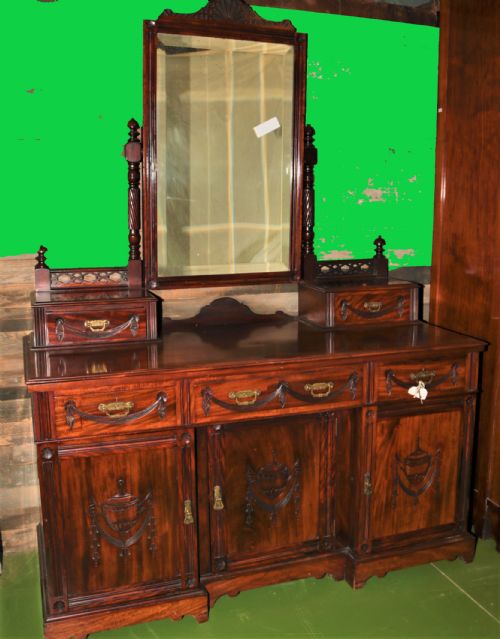

Traditional Table Mirror
These traditional table mirror examples are functional dressing glass pieces designed for surface placement, offering historical charm and practical reflection.
Traditional Table Mirror
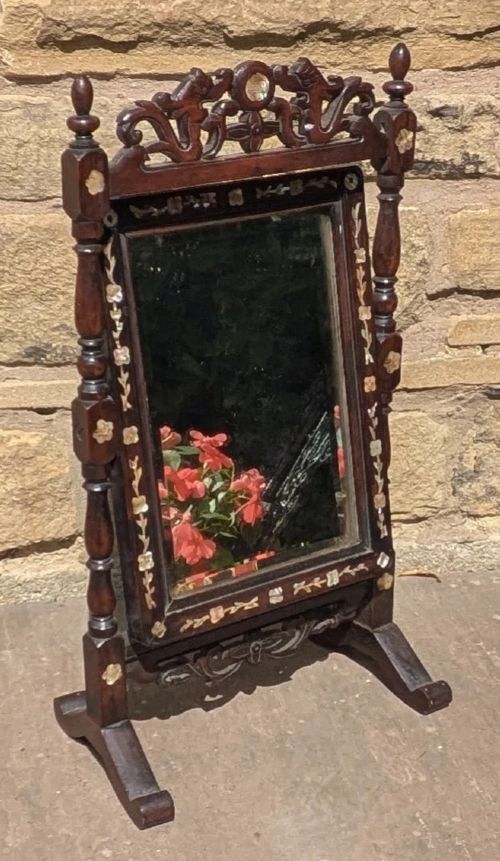
A traditional table mirror typically takes the form of a dressing table mirror or toilet mirror, designed to sit upon a surface rather than hang upon a wall. These pieces frequently emerge from the Victorian, Edwardian, and Georgian periods, showcasing compact proportions intended for bedrooms and dressing rooms.
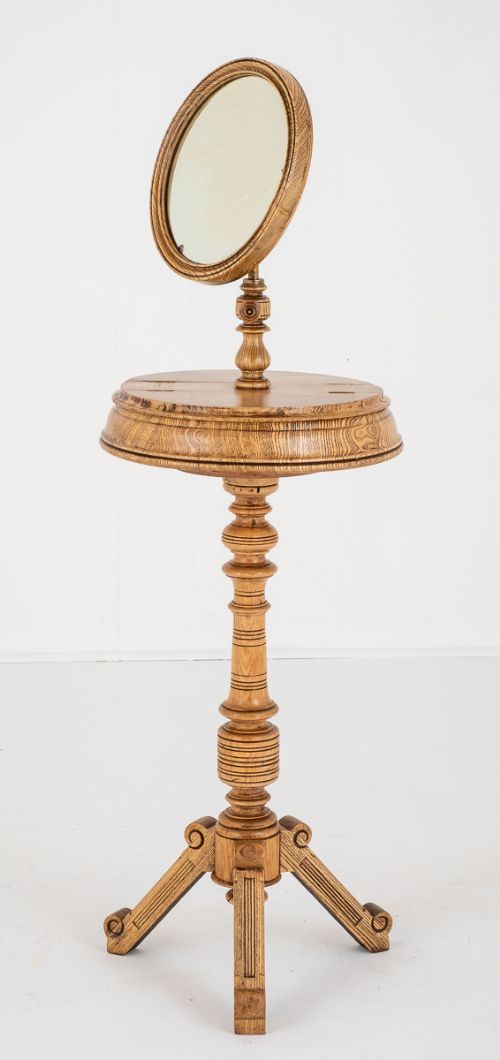
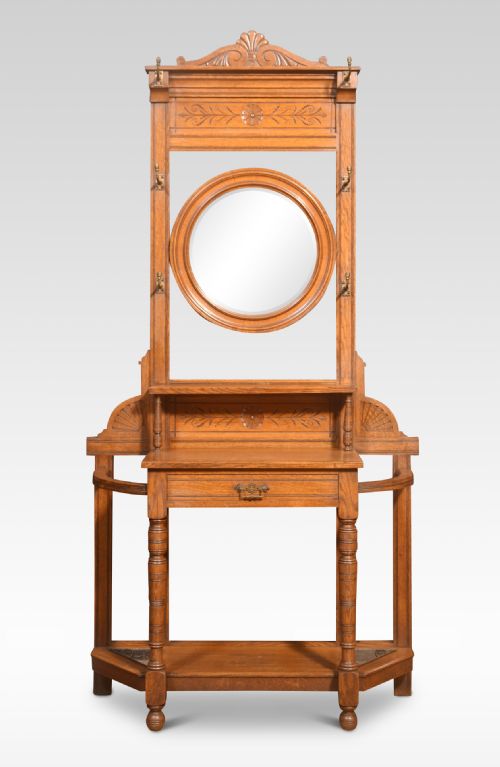
The physical forms include serpentine mahogany frames, satin walnut structures, and pivoting glass plates held by upright arms. While many items function as standalone table mirrors, related listings encompass larger cheval mirrors and dressing table chests where the glass forms an integral upper component.
How they were made
Cabinet makers utilised dense timbers such as mahogany, walnut, and pine to construct stable frames and supportive box bases. Burr walnut veneer and inlaid mother of pearl frequently appear on select examples to provide decorative surface variation.
Glass plates were silvered and fitted into pivoting wooden or brass frames, allowing users to adjust the angle of reflection. Joinery techniques from the nineteenth and early twentieth centuries ensured the upright supports remained secure under daily movement.
Traditional Table Mirror Retail Price Guide 2026
Typical asking prices for traditional table mirror among the pieces listed under this phrase on Sellingantiques today, from the lower quarter to the upper quarter. They describe what is for sale here now, not the wider market.
The listings span the Georgian, Victorian, and Edwardian eras, utilising materials such as mahogany, brass, pine, and burr walnut veneer.
What varies in quality
The selection of timber grain and veneer determines much of the visual depth, with figured mahogany and burr walnut representing finer execution compared to plain pine or satin walnut. Superior examples demonstrate refined proportions in the serpentine framing and crisp turning on the support arms.
The clarity and condition of the original mirror glass, alongside the integrity of the pivoting mechanism, separate standard domestic items from pieces of higher craftsmanship.
The Traditional Table Mirror Glossary
- Toilet mirror
- A smaller table-standing mirror traditionally placed on a dressing chest or table for personal grooming. These items usually feature a set of small drawers integrated into the base.
- Cheval mirror
- A full-length freestanding mirror supported in a frame that allows the entire plate to swing. While larger than standard table mirrors, they utilise similar pivoting principles.
- Serpentine
- A curved shape resembling a snake's movement, featuring a convex centre flanked by concave sides. Cabinet makers applied this outline to the front edges of mirror bases and dressing tables.
- Satin walnut
- A light-coloured timber derived from heartwood varieties, popular during the Edwardian era for bedroom furniture. It offers a smooth grain texture that takes a polished finish.
Traditional Table Mirror: Frequently Asked Questions
What is a traditional table mirror used for?
These mirrors serve as adjustable glass surfaces for personal grooming and dressing. Placed upon chests of drawers or dressing tables, they provide a focused reflection while adding period character to a room.
Their movable plates allow users to tilt the glass to various angles. Historically, they occupied a central role in domestic bedrooms before fitted wardrobes and wall-hung mirrors became common.
How do I date a traditional table mirror?
Dating relies on examining the timber species, construction joints, and edge bevels of the glass. Georgian and Regency examples often feature slender mahogany frames and bracket feet, whereas Edwardian pieces utilise satin walnut or lighter pine.
Secondary woods inside base drawers and the method of silvering provide further chronological clues. Examining the hardware and screw types also helps establish the period of manufacture.
Where should I place a table mirror?
They sit best on sturdy wooden surfaces such as dressing tables, sideboards, or chests of drawers. Placing them near a window maximises the natural light captured by the glass.
Ensure the supporting surface can bear the weight of the frame and base. Positioning them away from direct moisture helps preserve the wooden joints and the silvering behind the glass.
How do I care for antique mirror glass?
Clean the glass gently using a soft cloth and mild cleaning solutions applied to the cloth rather than directly to the mirror. Avoid harsh chemicals that might seep behind the plate and damage the original backing.
Protect the wooden frame with occasional wax applications suited to the specific timber. Regular dusting maintains the finish without introducing abrasive particles to the antique surfaces.