
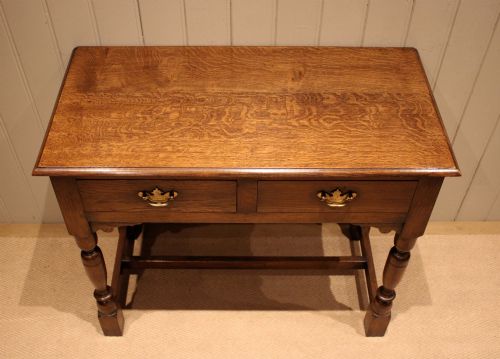
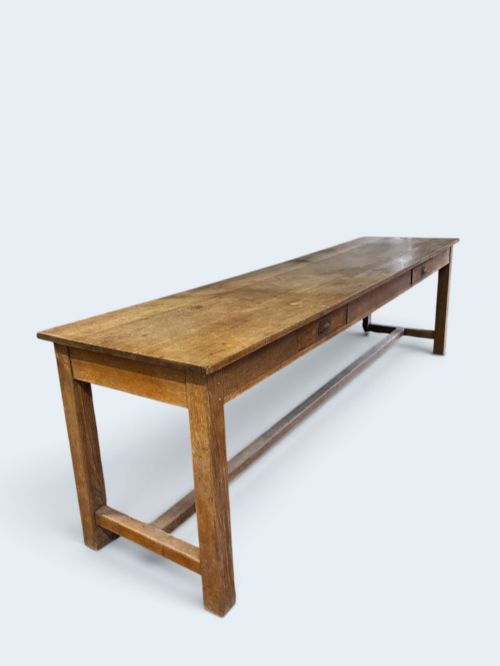
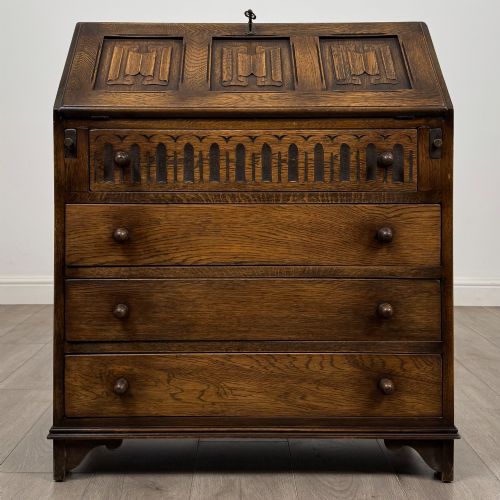
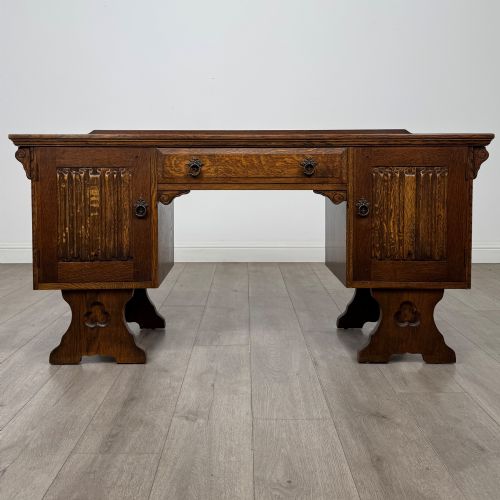
Traditional Solid Oak Desk
A traditional solid oak desk offers durable utility and timber character, emerging predominantly from Edwardian and Victorian workshops.
Traditional Solid Oak Desk
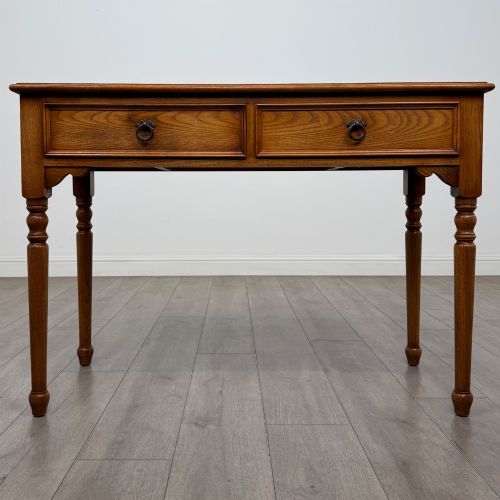
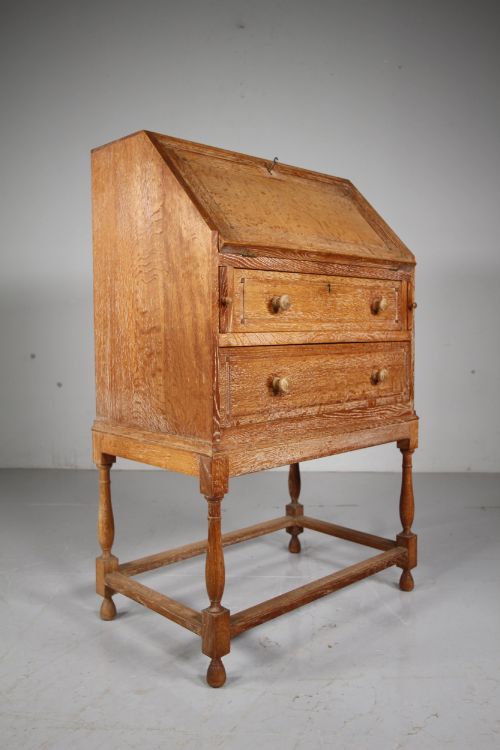
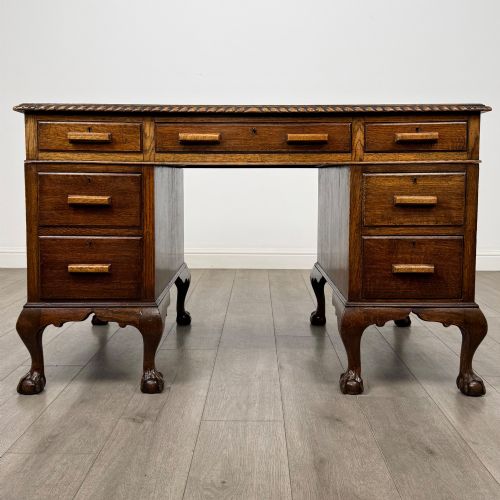
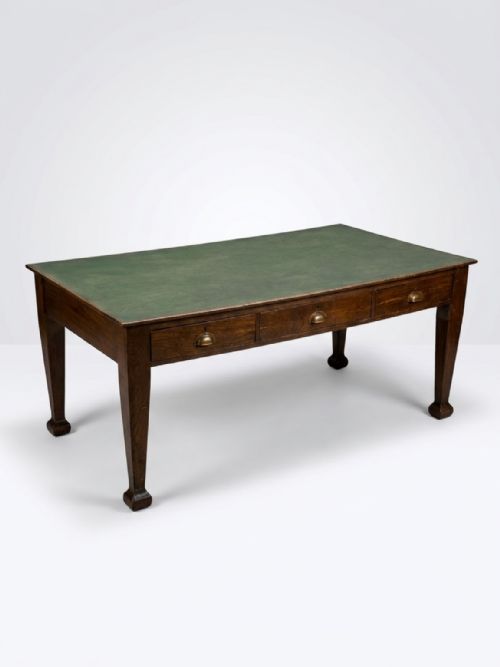
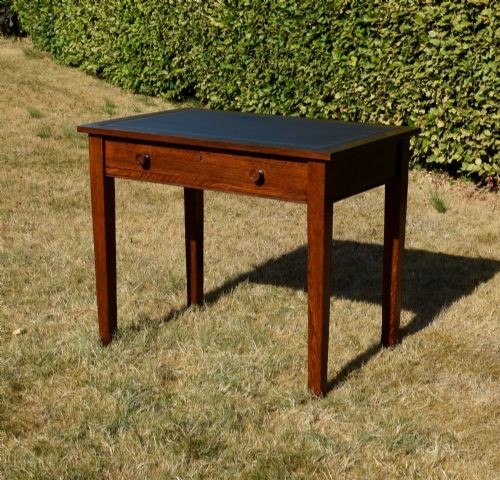
A traditional solid oak desk serves as a sturdy workspace, spanning writing tables, pedestals, and bureaux built from heavy timber. Buyers seeking this phrase encounter pieces dating from the nineteenth and early twentieth centuries, including Edwardian and Victorian examples.
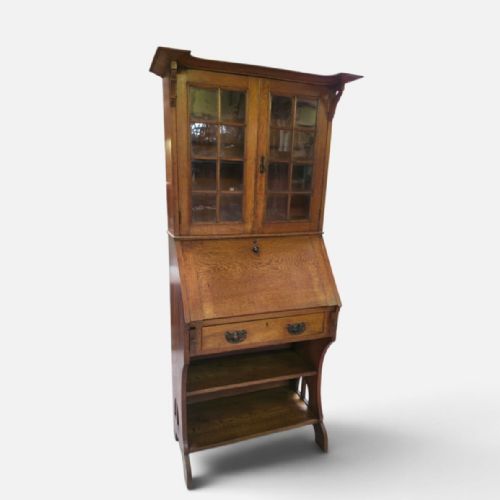
The selection ranges from simple writing tables to complex roll top pedestals and carved linenfold bureaux. Most pieces originate from British domestic contexts, reflecting utilitarian or arts and crafts design principles.
Materials and construction methods
Construction relies primarily on solid oak, chosen for its density, visible grain, and resilience under daily use. Secondary timbers such as elm, ash, and beech occasionally appear in chair frames or drawer linings.
Joinery techniques incorporate panelled doors, tambour tracks, and hand-carved linenfold motifs. Brass handles, leather writing surfaces, and metal fittings complete the structural assembly.
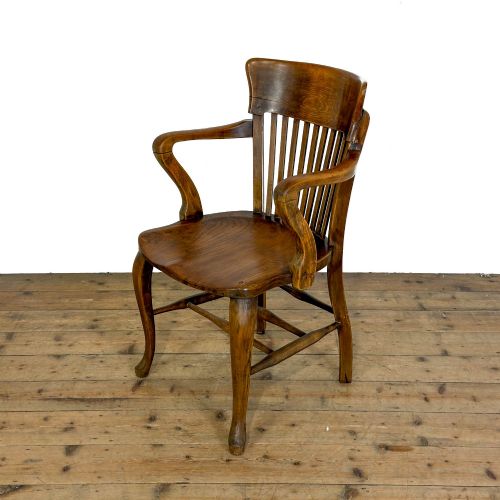
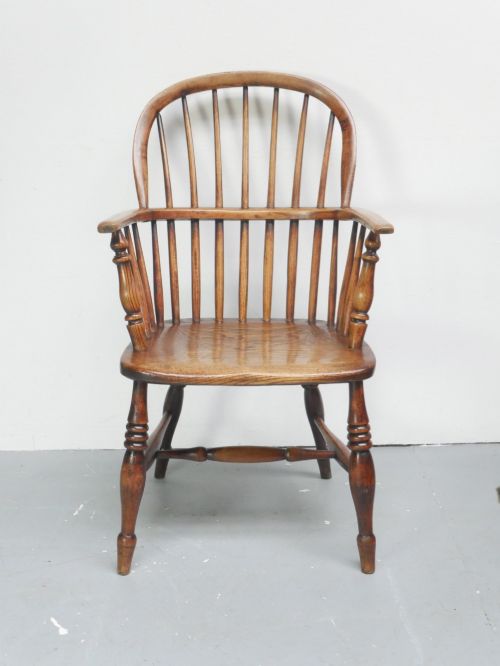
Listings feature solid oak across multiple forms, including writing tables, bureaux, pedestal desks, and companion seating like Captain's chairs.
Distinctions in craftsmanship
Quality rests in the selection of the timber, where dense golden oak and well-figured grain elevate a piece above utilitarian builds. Carved detailing, such as crisp linenfold panels or geometric mouldings, indicates skilled handwork rather than mass production.
Structural integrity and original hardware, including brass pulls and fitted interior compartments, separate standard items from superior examples. The execution of mechanical elements like tambour shutters and drawer runners determines long-term utility.
Heals of London
The Traditional Solid Oak Desk Glossary
- Linenfold
- A carved wooden panel motif resembling folded cloth, frequently seen on Edwardian cabinet doors and bureau fronts. This decorative technique adds texture to flat surfaces.
- Tambour
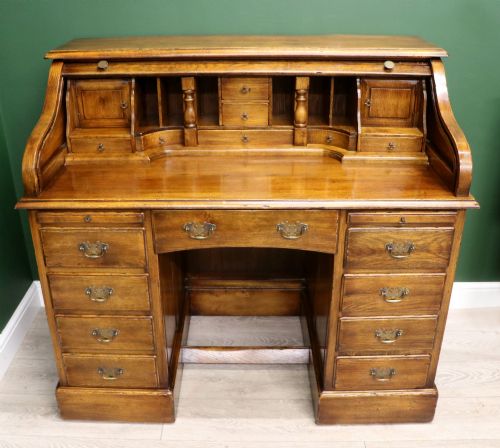
- A flexible sliding shutter formed from narrow strips of wood glued to canvas, used to enclose the upper section of roll top desks. It operates within recessed side tracks.
- Bureau
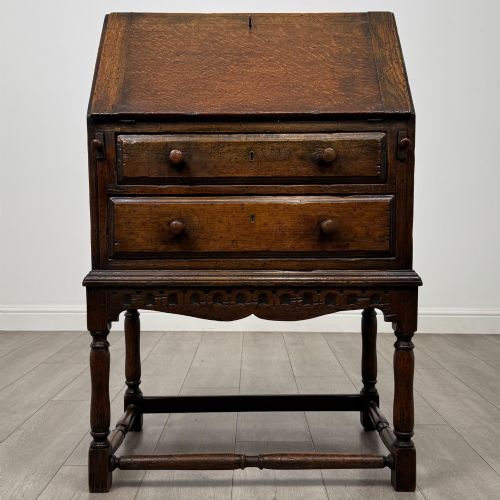
- A desk featuring a sloping hinged writing flap that opens to reveal internal pigeonholes and small drawers. These units often stand on bracket feet or straight legs.
- Refectory
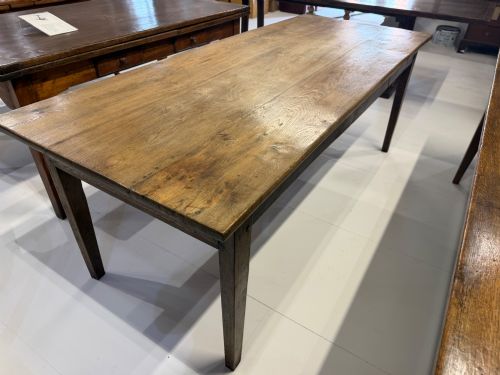
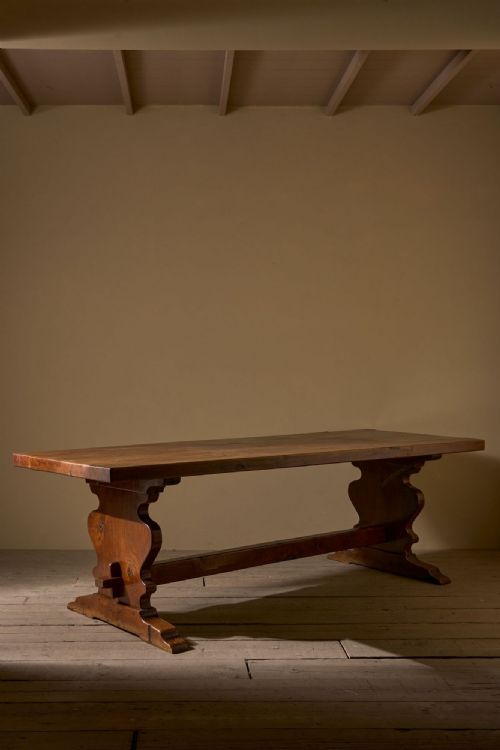
- A long narrow table style originating from monastic dining halls, adapted for domestic library and writing use. It typically employs strong trestle or four-leg bracing.
- Fusee
- A conical pulley mechanism used in clock movements to maintain equal driving force as the mainspring unwinds. This mechanical device ensures accurate timekeeping.
Traditional Solid Oak Desk: Frequently Asked Questions
What defines a traditional solid oak desk?
These pieces are constructed primarily from heavy oak timber, utilising traditional joinery and panelled designs. They date mainly from the Victorian and Edwardian eras.
Buyers select them for domestic studies or offices where durability and natural wood grain are paramount. Their forms include writing tables, pedestal units, and drop-front bureaux.
How do I care for a leather top?
Leather writing surfaces require gentle cleaning with a slightly damp cloth followed by dry buffing. Avoid harsh chemical cleaners that strip the natural hide.
Applying occasional leather cream maintains suppleness and prevents cracking. Keeping the desk away from direct sunlight preserves both the leather and the surrounding oak.
How do roll top desks function?
Roll top desks utilise a tambour shutter made of vertical wooden slats attached to a fabric backing. This flexible screen slides along curved grooves to conceal the pigeonholes.
When pushed back, the shutter disappears into the body of the desk. Regular waxing of the tracks ensures smooth operation of the sliding mechanism.
How do I distinguish Edwardian from Victorian desks?
Victorian desks often display heavier proportions, darker finishes, and robust Gothic or classical revival influences. Construction from the mid to late nineteenth century prioritizes dense solidity.
Edwardian pieces, dating from around nineteen hundred to nineteen ten, frequently exhibit lighter golden oak tones. They also incorporate Arts and Crafts simplicity or crisp linenfold carving.