

Traditional Settle Seat
These traditional settle seat pieces offer solid wooden seating that anchors a hallway or kitchen with historical character.
Traditional Settle Seat
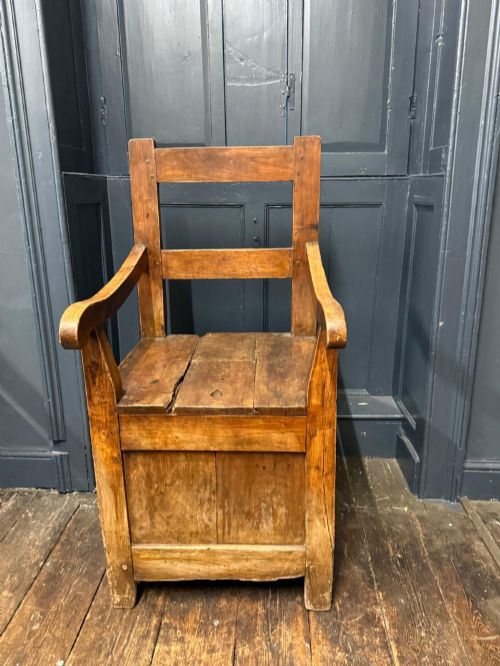
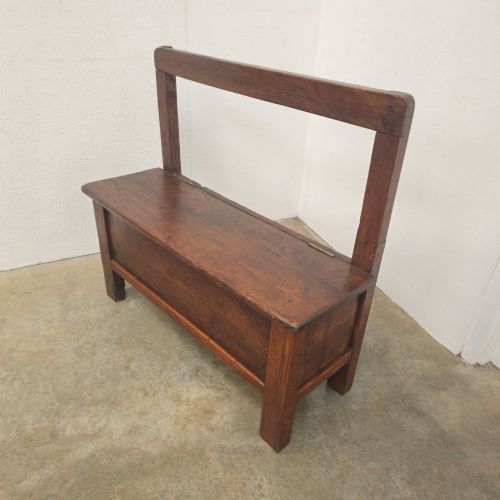
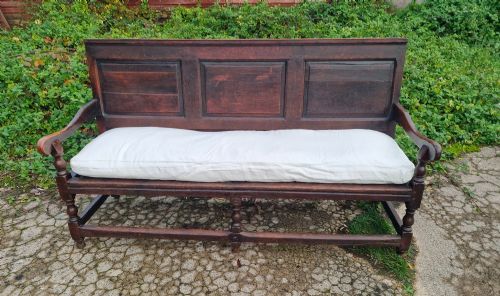
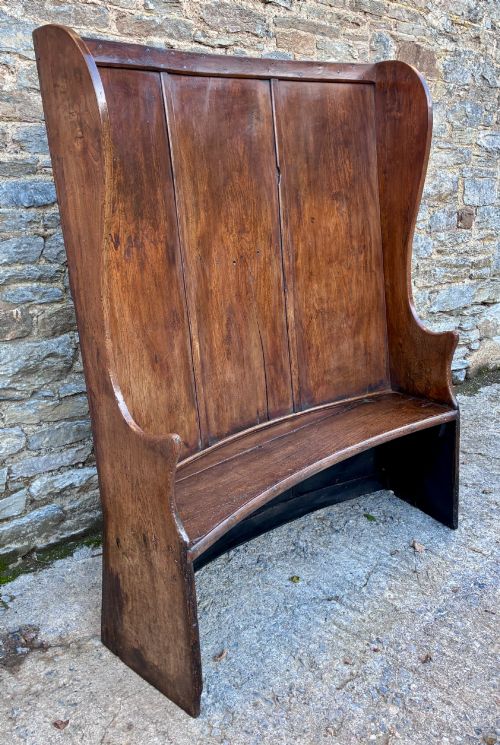
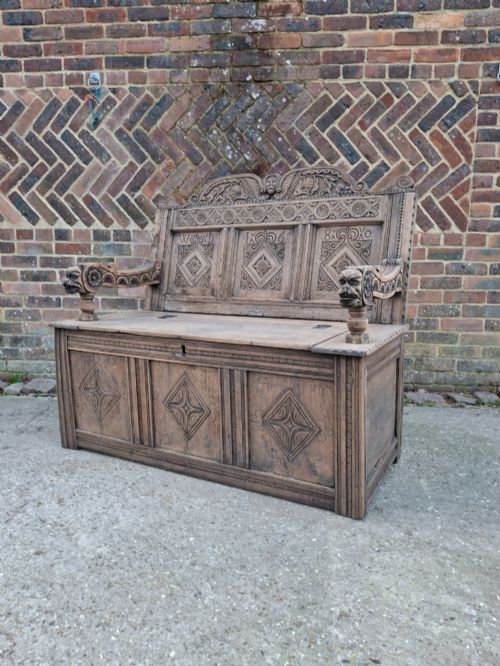
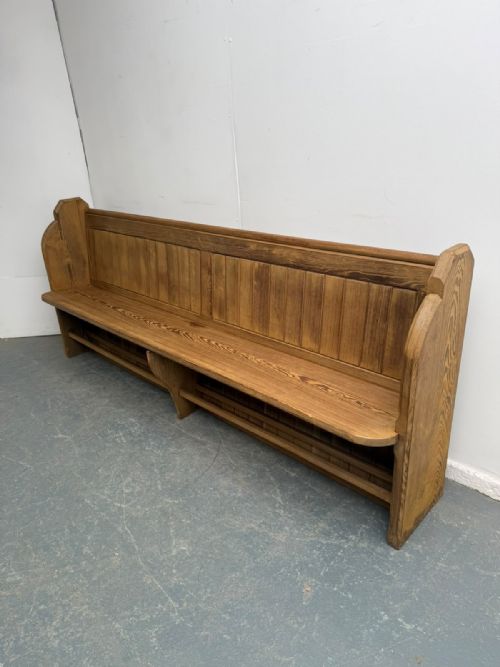
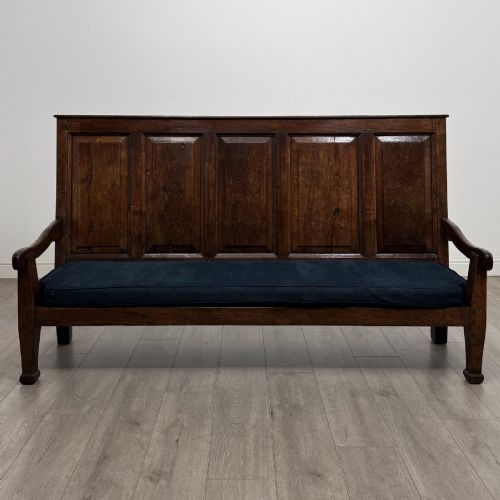
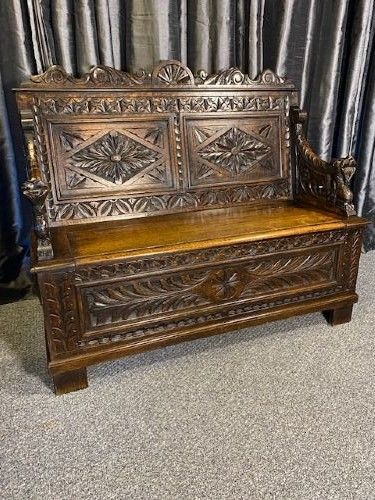
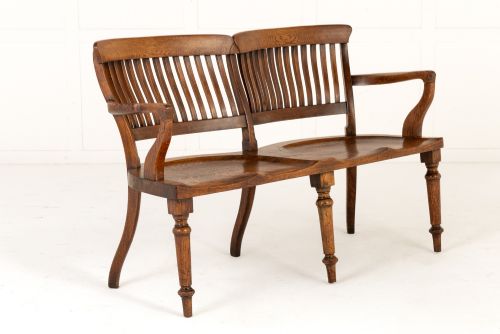
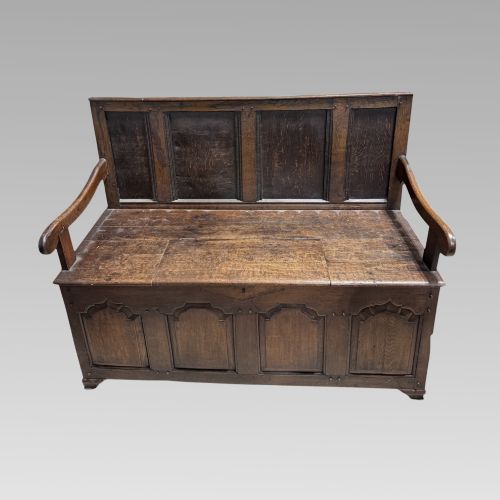
A traditional settle seat is a high-backed wooden bench designed to block draughts in older homes, often featuring solid arms and a storage compartment beneath the seat. When searching this phrase, buyers encounter forms ranging from simple chapel pews to panelled box settles with hinged lids.
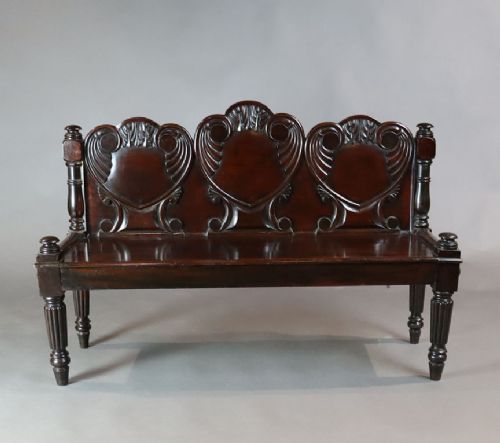
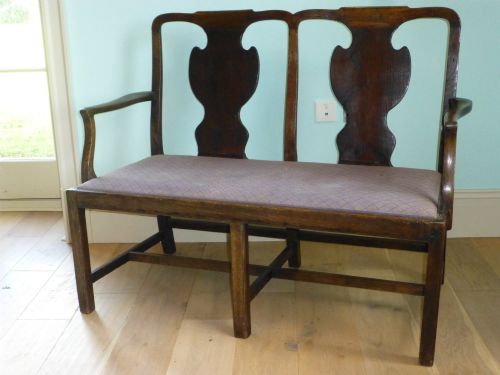
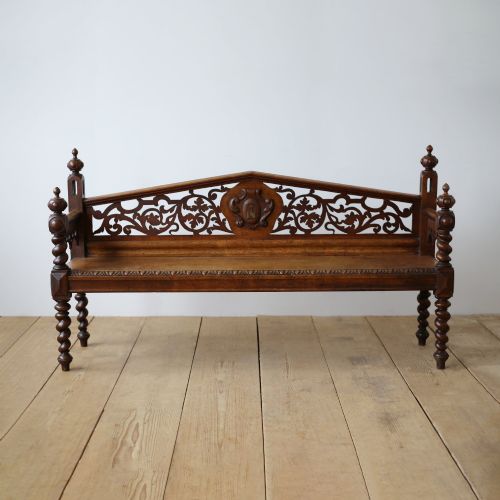
The selection spans several centuries, with pieces originating from the Georgian and Victorian eras alongside early twentieth-century examples. Oak and pine dominate the forms, appearing in waxed finishes or painted surfaces.
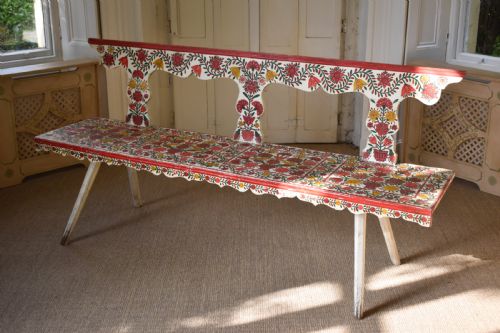
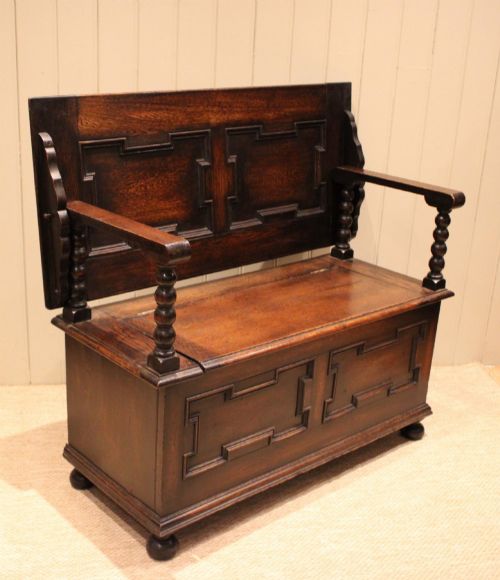
Most examples function as practical hallway seating or kitchen benches, while variants like monks benches offer convertible fold-over tops. Buyers find both British country styles and continental imports such as Hungarian painted pine benches.
Materials and construction methods
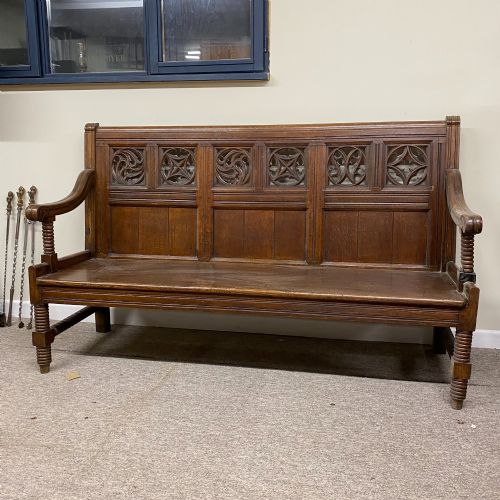
Makers relied primarily on native timbers such as oak, elm, and pine, joining panels with traditional joinery methods suited to heavy daily use. Oak appears in sturdy carved formats from the eighteenth and nineteenth centuries, while pine serves vernacular chapel pews and painted country pieces.
Surface treatments range from clear wax that highlights the natural grain and honey brown patina to polychrome paint finishes. Iron and brass hardware, including hinges and brackets, secure moving parts on box seats and flip-over top designs.
Traditional Settle Seat Retail Price Guide 2026
Typical asking prices for traditional settle seat among the pieces listed under this phrase on Sellingantiques today, from the lower quarter to the upper quarter. They describe what is for sale here now, not the wider market.
Listings feature traditional settle seat designs spanning the eighteenth, nineteenth, and early twentieth centuries, constructed in pine, oak, and elm.
Judging the quality of a settle
Quality rests on the integrity of the timber and the preservation of original structural elements rather than mere decorative carving. Pieces retaining their original hinges, baseboards, and untouched surface patinas command greater interest than heavily restored examples.
Proportion and joinery execution separate ordinary workshop output from finer vernacular furniture. A well-balanced frame with tight joints and appropriate thickness in the seat boards ensures durability and visual harmony.
The Traditional Settle Seat Glossary
- Settle
- A wooden bench with a high back and solid arms, traditionally placed near hearths to shield occupants from cold draughts. Most examples include a panelled back and an enclosed base.
- Box Settle
- A variant featuring a hinged seat lid that opens to reveal storage space underneath. This form doubled as a blanket chest or boot store in modest dwellings.
- Monks Bench
- A dual-purpose piece with a hinged back that folds down flat over the arms to form a table. It represents a clever space-saving invention from historical interiors.
- Chapel Pew
- A utilitarian church bench constructed from pine or oak, often featuring a simple open back. They provide long, linear seating suitable for narrow hallways.
- Patina
- The surface sheen and colour developed by wood over decades of handling, exposure to light, and polishing with wax. Original patinated surfaces show authentic age.
- Polychrome
- Painted decoration utilising multiple colours, frequently seen on continental folk art furniture. It adds vibrant pigment to pine framework.
Traditional Settle Seat: Frequently Asked Questions
How do I style a traditional settle seat in a modern hallway?
Position the settle against a plain wall to let the timber grain or painted surface stand out as a focal point. Add a simple linen cushion or textile pad to the seat for comfort.
Utilise the enclosed box storage underneath to keep shoes and clutter hidden from view. Keep surrounding decor minimal to respect the historical weight of the piece.
Can I use a monks bench as both a table and a seat?
The hinged back mechanism allows the upper section to flip forward onto the arms, transforming the backrest into a flat table top. This ingenious design allowed compact rural homes to combine dining and seating functions into one item.
Exercise care when operating the mechanism on antique examples to avoid straining historical joints. Ensure any items on the table surface are removed before flipping the back upright again.
How do I care for antique waxed pine and oak furniture?
Apply a natural beeswax periodically using a soft cloth, buffing gently along the grain to maintain the protective coating. Avoid placing wooden furniture near direct heat sources or in damp areas, which can cause the timber to warp or split.
Clean surfaces with a dry or barely damp cloth, steering clear of harsh chemical sprays that strip historical wax finishes. Regular light dusting preserves the natural patina built up over centuries.