




Traditional Sea Painting
Traditional sea painting captures the power and quiet of the ocean through centuries of maritime observation.
Traditional Sea Painting
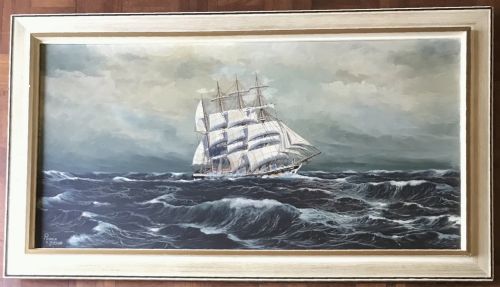
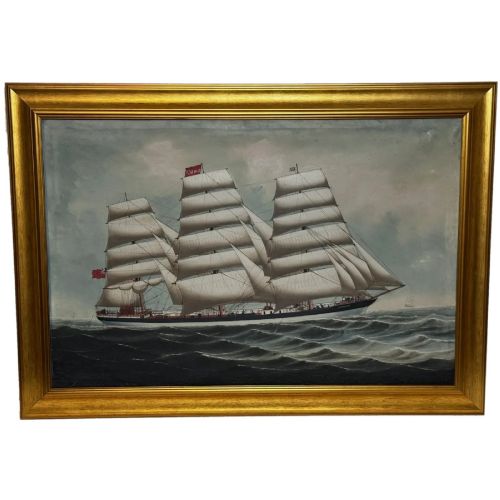
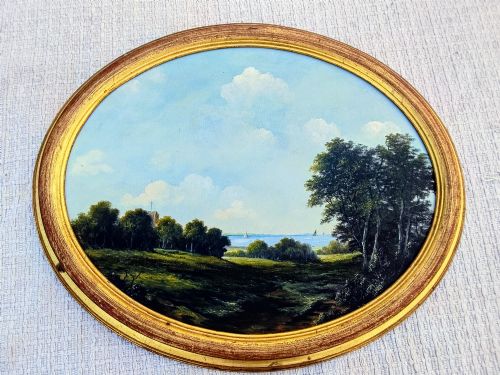
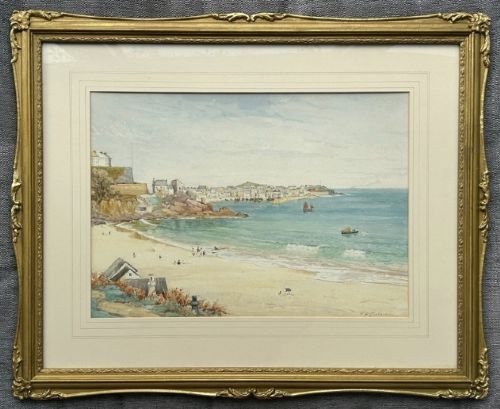
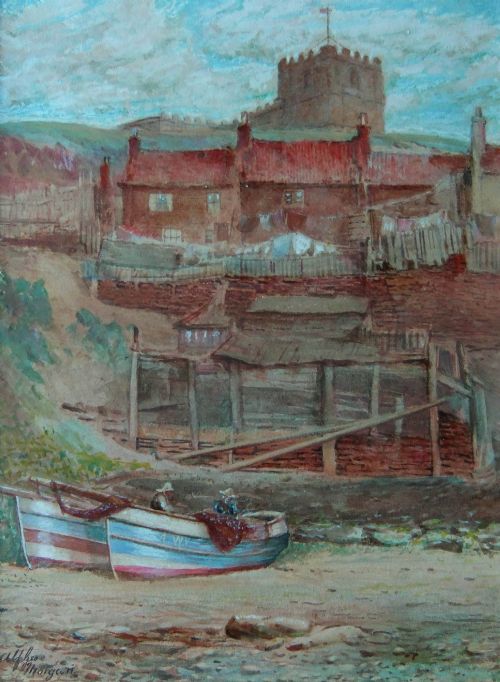
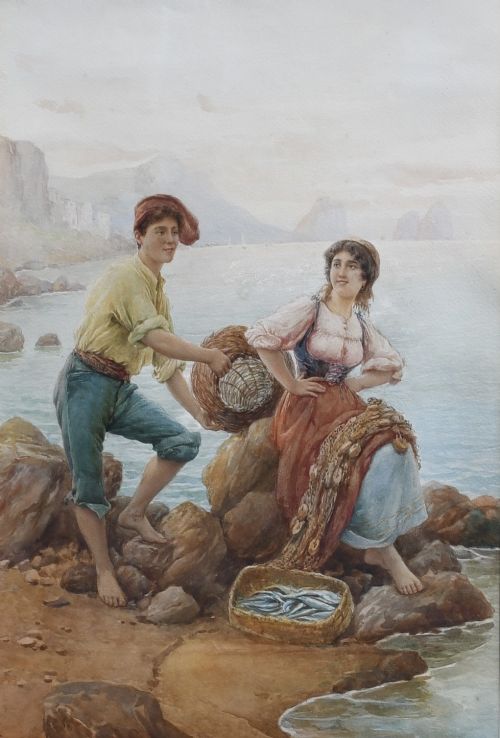
Traditional sea painting encompasses coastal views, harbour scenes, and open ocean vessels rendered across the eighteenth, nineteenth, and twentieth centuries. These works record maritime activity, naval engagements, and local fishing fleets through detailed oil and watercolour compositions.
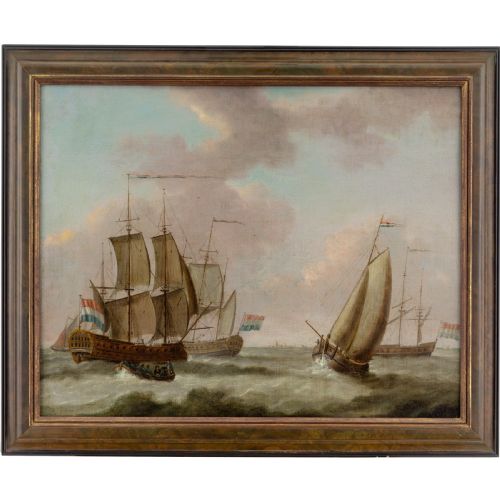
The pieces appearing here range from early Dutch shipping scenes to Edwardian watercolours and mid-century Cornish harbour views. Collectors encounter framed oils on canvas alongside delicate works on paper depicting specific coastal locations.
Regional British and European ports dominate the subject matter, alongside imaginative storm studies and detailed ship portraits. The selection bridges historical marine art and decorative coastal landscape traditions.
What varies in quality
Quality rests upon the artist's command of maritime rigging, water movement, and atmospheric light. Superior examples convey the specific weight of rolling seas and the accurate architecture of sailing ships.
The handling of maritime atmosphere separates accomplished works from simpler decorative pieces. Provenance and clear attribution to recorded marine artists elevate the standing of individual canvases and watercolours.
Traditional Sea Painting Retail Price Guide 2026
Typical asking prices for traditional sea painting among the pieces listed under this phrase on Sellingantiques today, from the lower quarter to the upper quarter. They describe what is for sale here now, not the wider market.
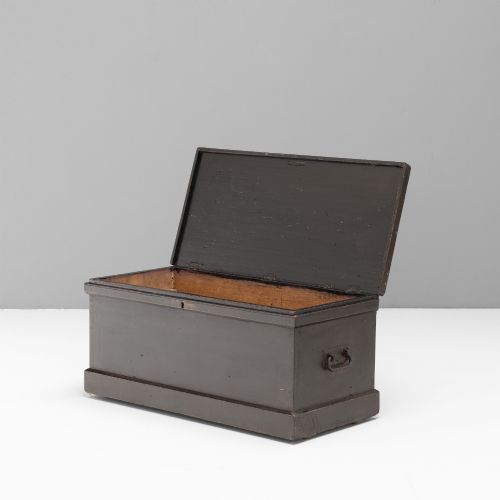
Several trunks and storage chests appear alongside the paintings, suggesting someone packed for a long voyage.
Hans Harlander·Reginald Arthur Borstel·William Banks Fortescue·Alfred G Morgan·Carlo Ferranti·Henry Barlow Carter·George Shaw·John McDougal·Thomas Rose Miles·Dion Pears·George Hamilton Constantine·Ebeneezer Colls·Peter Ghent·Herbert James·Charles Martin Powell·Joseph West
The Traditional Sea Painting Glossary
- Seascape
- A painting depicting the sea, coastal views, or marine activity. These works focus primarily on water, shipping, and coastal weather conditions.
- Marine Art
- Artistic representation of maritime subjects, including naval battles, merchant shipping, and coastal harbours. This category encompasses both technical ship portraits and atmospheric coastal scenes.
- Oil on Canvas
- Pigment suspended in drying oil applied to a woven fabric support. This medium allowed artists to build rich textures and deep colour gradations for stormy or calm seas.
- Watercolour
- Pigments suspended in a water-soluble vehicle applied to paper. It produces translucent washes ideal for capturing shifting light and coastal mists.
Traditional Sea Painting: Frequently Asked Questions
What periods do these paintings span?
The works stretch from early eighteenth-century Dutch depictions through Victorian marine art to mid-twentieth-century coastal views.
This broad timeline documents changing artistic interpretations of the sea across multiple generations.
How do I care for antique watercolours?
Watercolours on paper require protection from direct sunlight to prevent the fading of delicate pigments.
Keeping them away from damp environments preserves the integrity of the paper and mount.
What subjects appear most often?
Fishing boats, harbours, merchant shipping, and dramatic coastal storms form the core subjects of these works.
Many pieces record specific British and European ports with historical maritime significance.
How are different painting mediums identified?
Oil paintings display textured brushstrokes on canvas or wood boards, often possessing a rich surface sheen.
Watercolours present a flat, matte appearance on paper, usually displayed behind protective glass.