



Traditional Scottish Chair
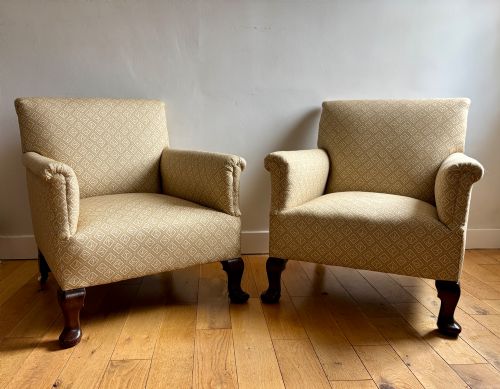
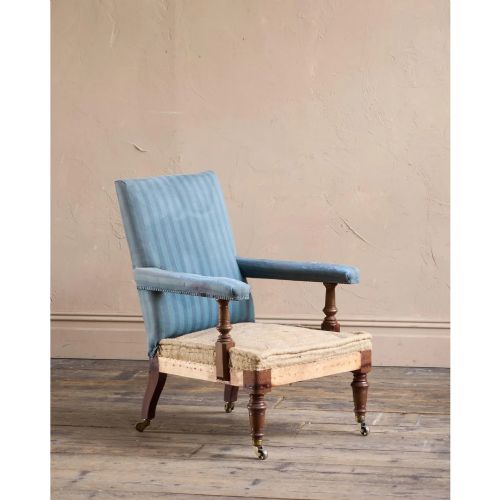
A traditional scottish chair brings centuries of vernacular craftsmanship into a room, offering robust seating built from native timbers like oak and mahogany.
Traditional Scottish Chair
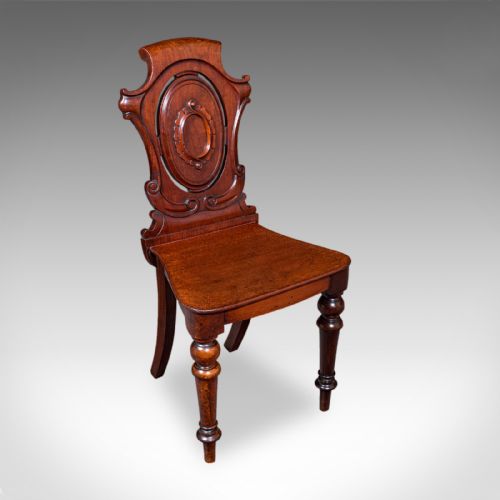
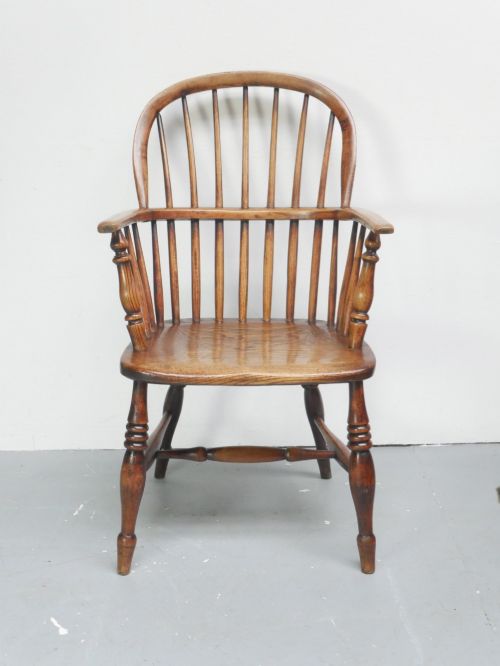
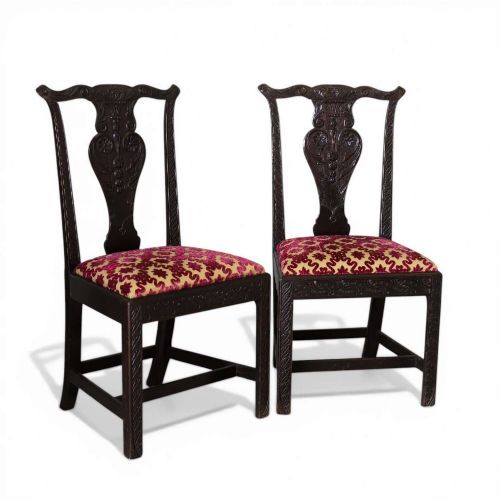
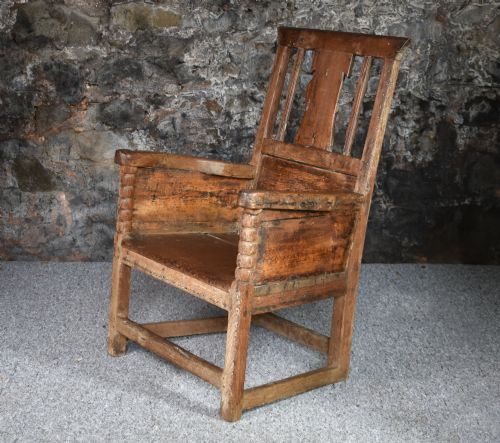
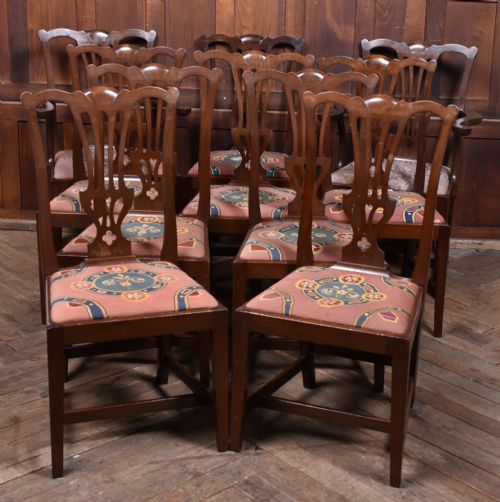
When searching for a traditional scottish chair, buyers encounter diverse forms ranging from rustic crofter armchairs and Orkney seats with straw backs to formal Georgian and Victorian dining chairs, hall chairs, and Windsor designs.
The pieces span multiple periods from the seventeenth century through the Edwardian era, showing both vernacular regional styles and refined cabinetmaking from Edinburgh workshops.
Armchairs, rocking chairs, and sets of dining chairs dominate the selection, reflecting domestic and country house seating traditions across Scotland.
How they were made
Makers utilised solid timbers including oak, mahogany, walnut, and beech, often pairing wooden frames with straw, rush, or upholstery fabric for seating.
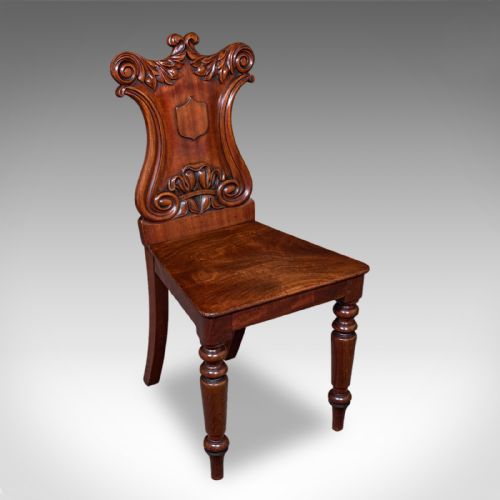
Construction methods combine vernacular woodworking traditions, such as bobbin turning and Windsor framing, with formal carved details seen in Chippendale style and shield back designs.
Listings span from the seventeenth century to the 1930s, incorporating materials such as oak, mahogany, straw, rush, and brass.
What varies in quality
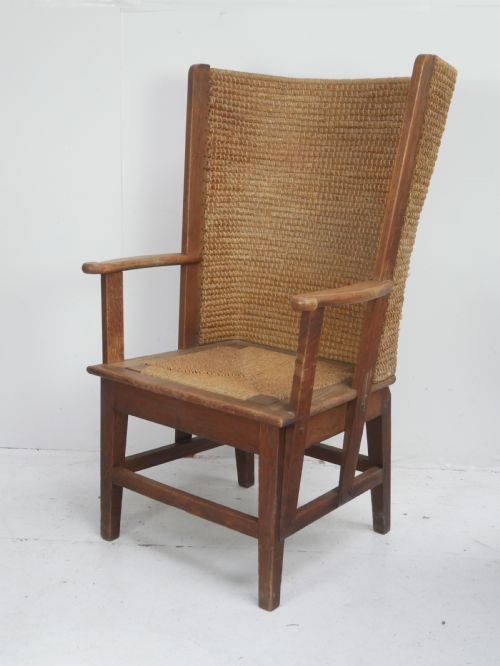
Quality separates through the integrity of the timber frame, the skill in carved details such as shield backs or bobbin turnings, and the preservation of original materials like woven straw backs in Orkney chairs.
Provenance and maker attribution elevate certain dining chairs and armchairs, distinguishing standard vernacular seating from pieces produced by notable Edinburgh cabinetmakers.
Whytock and Reid·Morison and Co·Wheelers of Arncroach·John Taylor and Son
The Traditional Scottish Chair Glossary
- Crofter armchair
- A vernacular rustic seat associated with Scottish rural life, built from local timber with simple functional construction. These chairs represent traditional domestic craft.
- Windsor armchair
- A wooden seating form featuring a solid saddle seat into which the legs and back spindles are wedged directly. Scottish examples include country house and Darvil variations.
- Wainscot chair
- An early heavy wooden armchair constructed primarily with panelled woodwork rather than upholstered or spindle-backed components. These date back to the seventeenth century.
- Shield back
- A chair back design shaped in the outline of a heraldic shield, popularised during the Georgian and Victorian periods. This style appears frequently on hall and dining chairs.
Traditional Scottish Chair: Frequently Asked Questions
What is an Orkney chair?
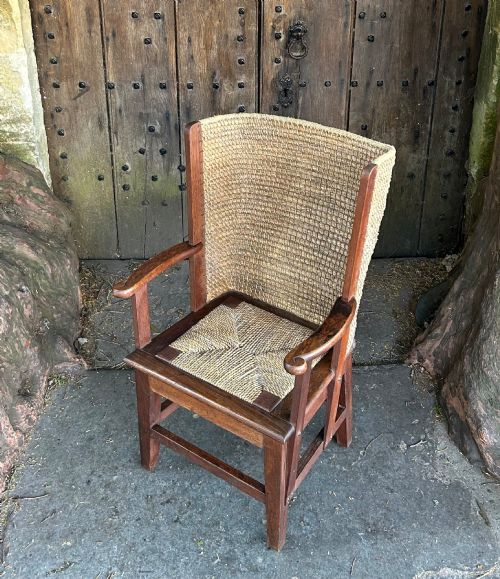
An Orkney chair is a distinct Scottish seat recognised by its tall, woven straw back tied with oat straw. It was developed to shield the sitter from cold Atlantic drafts.
Most examples feature a low wooden frame made from oak or beech, sometimes incorporating a small drawer beneath the seat.
How do I identify a Scottish dining chair?
Scottish dining chairs often appear in sets utilising native timbers like golden oak or mahogany. They frequently display regional adaptations of Georgian and Victorian styles.
Look for robust frame construction and specific cabinetmaker signatures where present on the woodwork.
Where were these chairs used?
These chairs served various domestic functions, from rustic crofts and coastal island cottages to formal law chambers, reception rooms, and grand country houses. Hall chairs furnished entrance spaces while armchairs and rockers sat beside hearths.
Vernacular pieces suited rural utilitarian needs, whereas mahogany and walnut suites furnished formal Edinburgh interiors.
Are these chairs suitable for daily use?
Solid timber frames and traditional joinery make these chairs structurally durable for contemporary seating. Proper care for upholstered fabrics and woven straw components ensures longevity.
Placing them away from direct heat sources helps preserve native woods like oak, beech, and mahogany.