




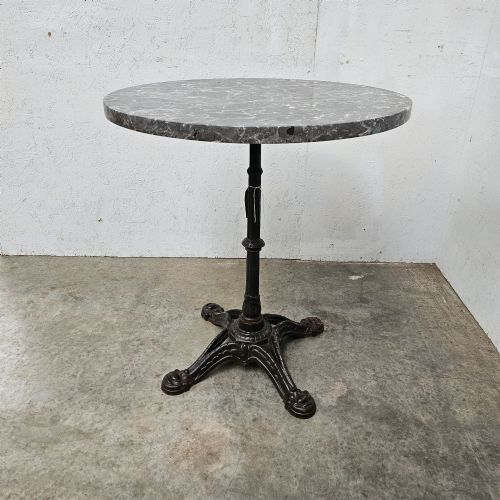
Traditional Round Table
A traditional round table brings people together naturally, offering a balanced centrepiece shaped from timber across centuries.
Traditional Round Table
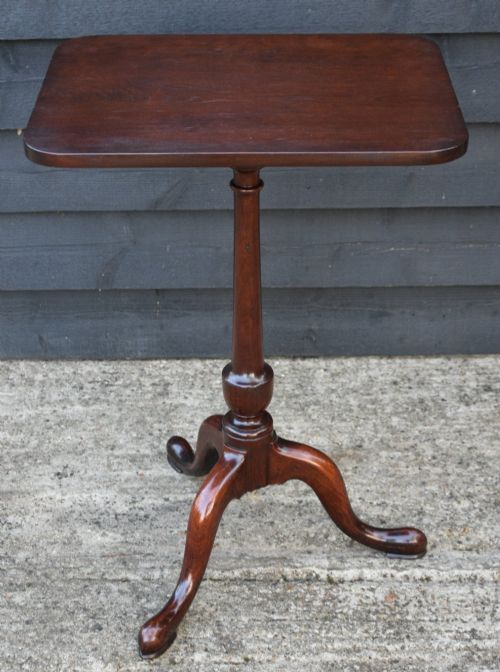
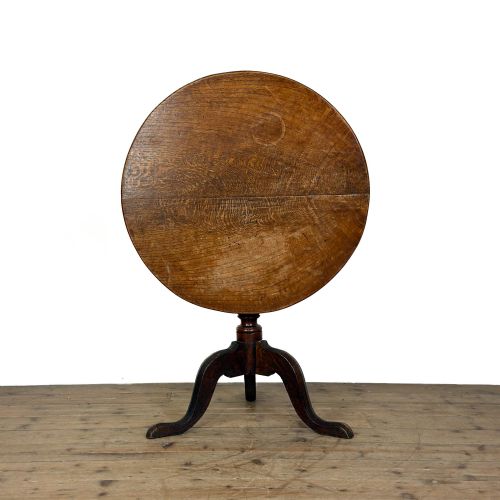
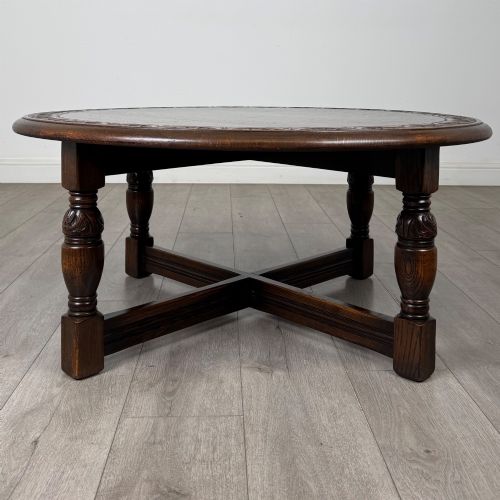
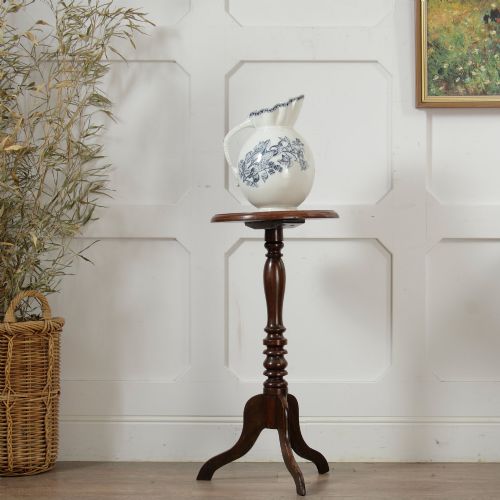
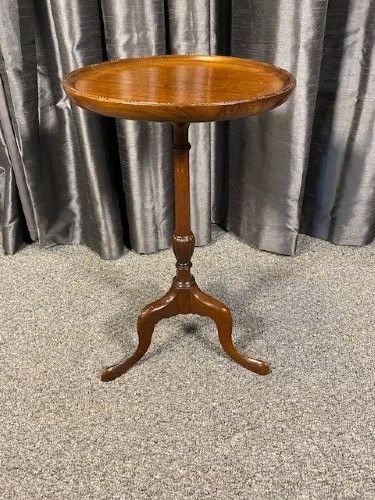
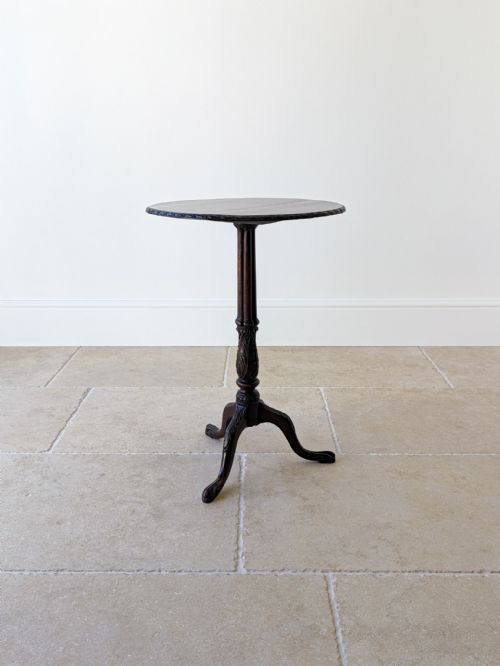
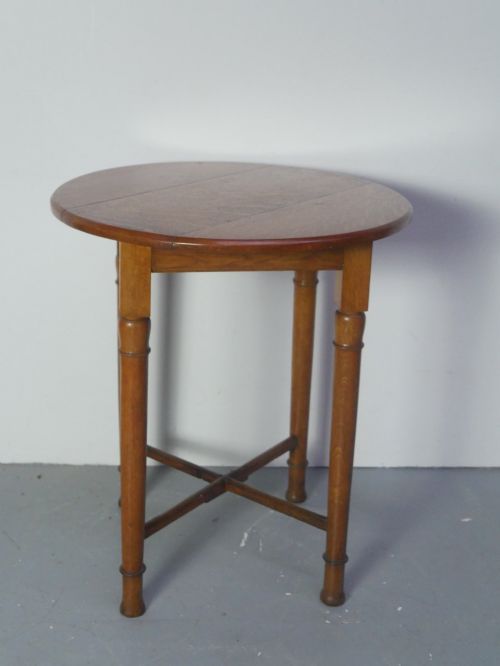
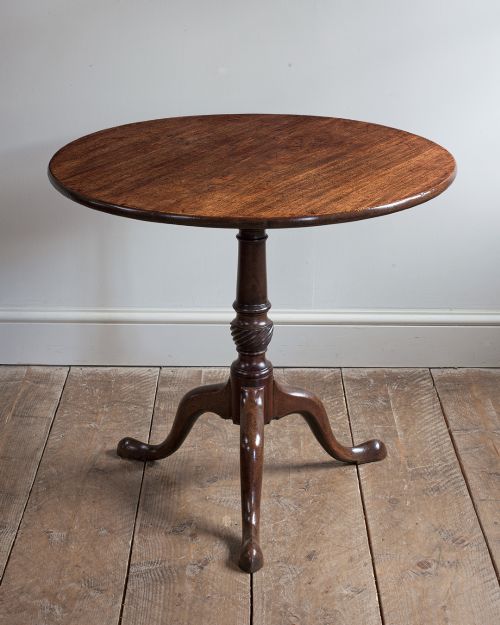
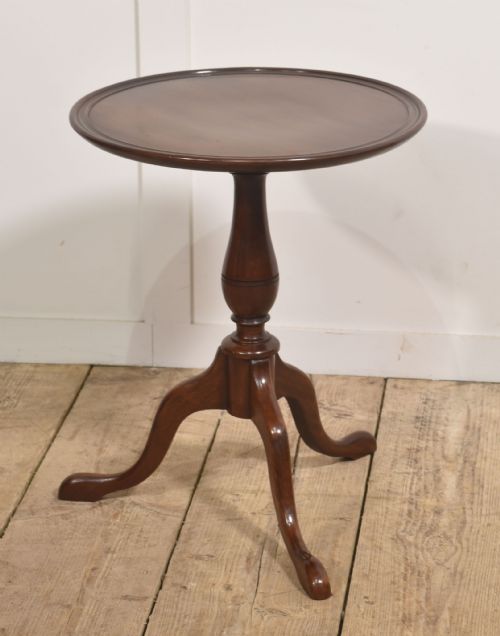
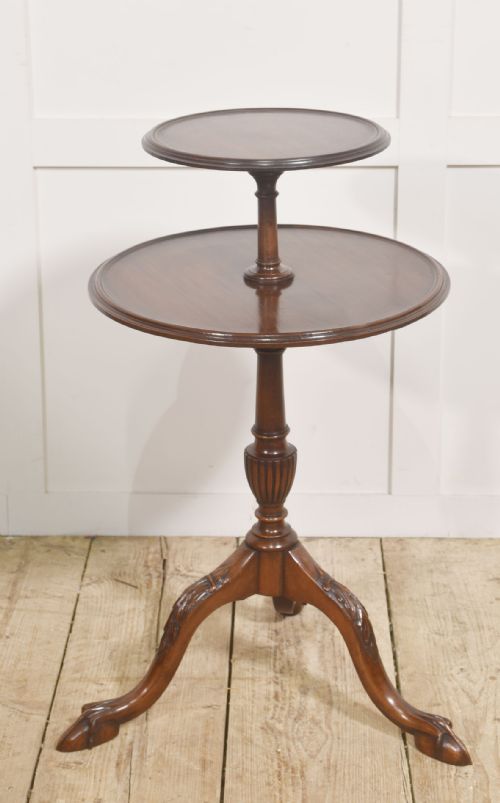
A traditional round table takes many forms, ranging from compact wine tables and tilt-top tripods to substantial dining and coffee tables. These circular pieces span the eighteenth, nineteenth, and early twentieth centuries, reflecting changing domestic habits.
The material selection shapes the character of each piece. Oak, mahogany, and walnut appear frequently, alongside rustic pine and elm in simpler country designs.
Forms vary according to their original use. Diners find large pedestal tables alongside small occasional pieces, wine tables, and tripod designs intended for specific household tasks.
How they were made
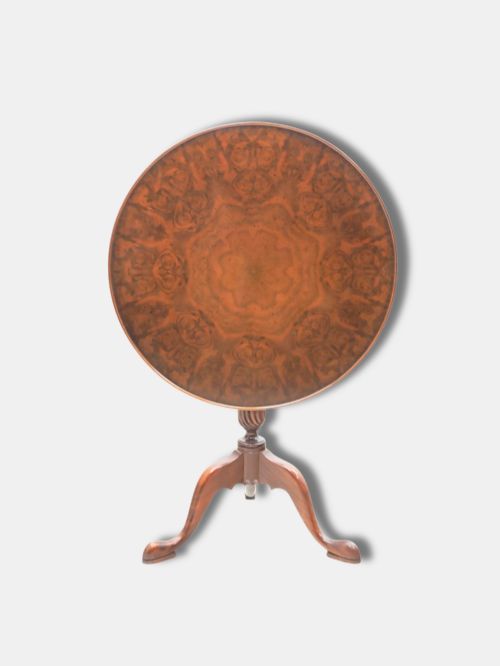
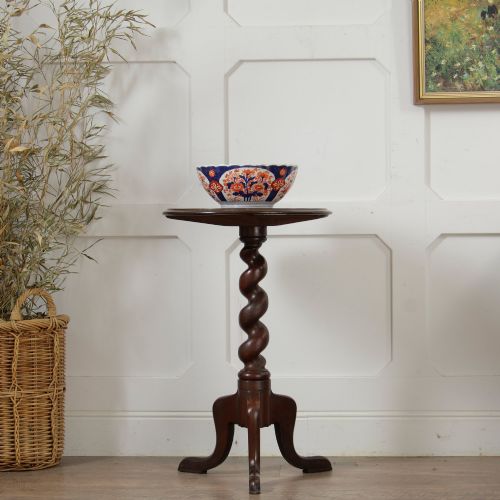
Cabinetmakers used solid timbers like mahogany, oak, and walnut, frequently applying burr walnut veneer to tabletops for decorative grain patterns. Turning techniques created supportive central pedestals, tripod legs, and barley twist columns.
Joinery methods varied by style and period. Tripod tables utilised tilting mechanisms with brass catches, while farmhouse tables employed sturdy pegged joints to support daily use.
Traditional Round Table Retail Price Guide 2026
Typical asking prices for traditional round table among the pieces listed under this phrase on Sellingantiques today, from the lower quarter to the upper quarter. They describe what is for sale here now, not the wider market.
Listings feature numerous nineteenth-century pine cricket tables alongside Georgian mahogany wine tables and Edwardian oak coffee tables.
What varies in quality
The calibre of timber selection dictates the visual weight of a piece. Heavily figured mahogany or burr walnut veneers demonstrate superior workshop choices compared to plain secondary woods.
Hand-carved details, such as pie crust edges or bobbin-turned legs, separate standard utility items from finer parlour furniture commissioned by wealthy households.
The Traditional Round Table Glossary
- Tilt-top
- A tabletop mechanism allowing the surface to fold vertically when not in use. This clever design saved valuable floor space in smaller period rooms.
- Tripod table
- A small freestanding table supported by three legs radiating from a central pillar. These pieces gained immense popularity during the Georgian period.
- Pie crust edge
- A raised, carved moulding along the perimeter of a tabletop resembling pastry work. This decorative flourish required skilled hand-carving by the cabinetmaker.
- Barley twist
- A spiral turning resembling a twisted rope applied to furniture legs and vertical supports. Popularized in the seventeenth century, this technique returned in later revival styles.
Traditional Round Table: Frequently Asked Questions
How do I choose the right size round table?
Consider the floor space in your room and the intended function of the piece. Smaller tripod and wine tables fit easily beside seating areas, while larger pedestal tables demand open space to allow movement around the perimeter.
Measure doorways and stairwells before purchasing large dining or centre tables, as their solid circular tops cannot be dismantled easily.
Where should I place a tilt-top table?
Tilt-top tables suit corners and perimeter walls where their folded surfaces can be admired as decorative panels. When in use, they rest horizontally on their tripod bases.
Keep them away from direct heat sources and strong sunlight to protect the timber grain and polished finishes.
What is a cricket table used for?
Cricket tables served as versatile utility furniture in country homes, holding everyday items near the hearth. Their three-legged frames provided reliable balance on rustic stone floors.
Today they function effectively as lamp tables or occasional display surfaces in living spaces.
How do I care for antique wood surfaces?
Dust the timber regularly with a soft, dry cloth to prevent dirt accumulation. Avoid modern silicone sprays that can damage historic polish over time.
Apply quality beeswax occasionally to nourish the grain and maintain a natural sheen across mahogany, oak, and walnut surfaces.