

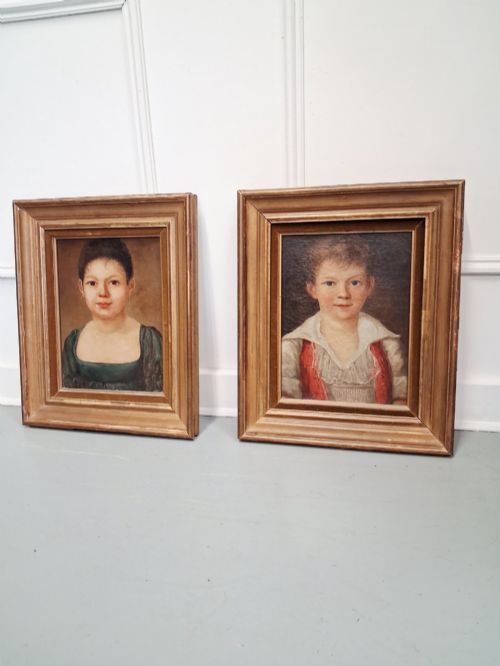


Traditional Portraiture
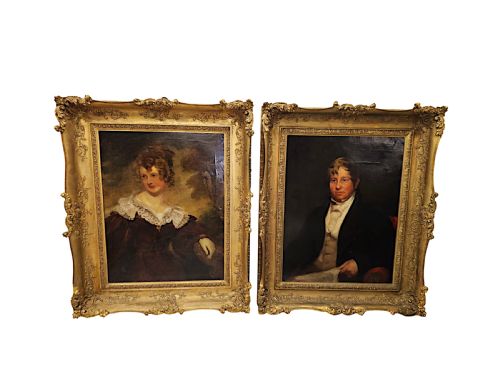
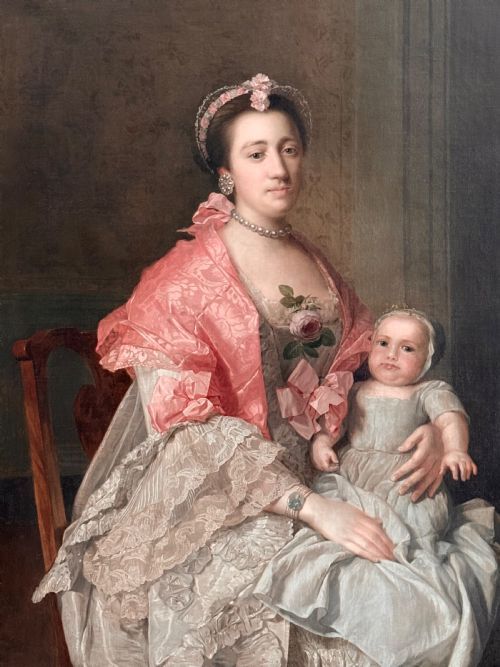
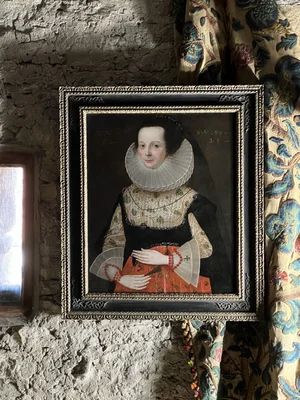
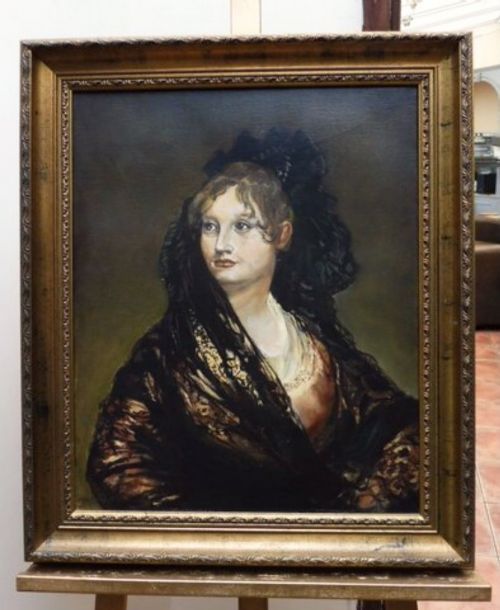
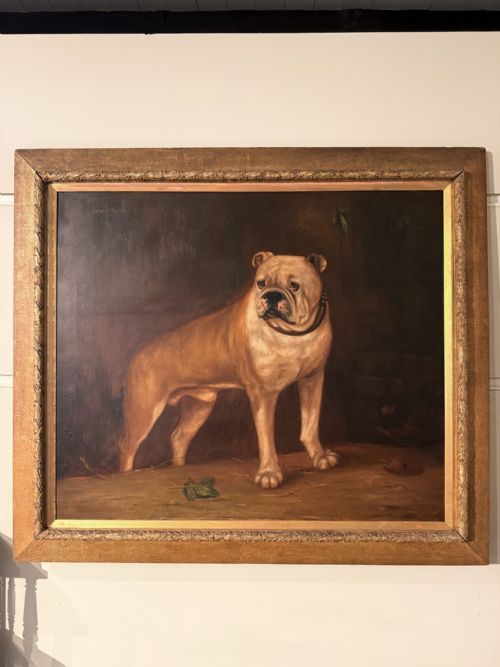
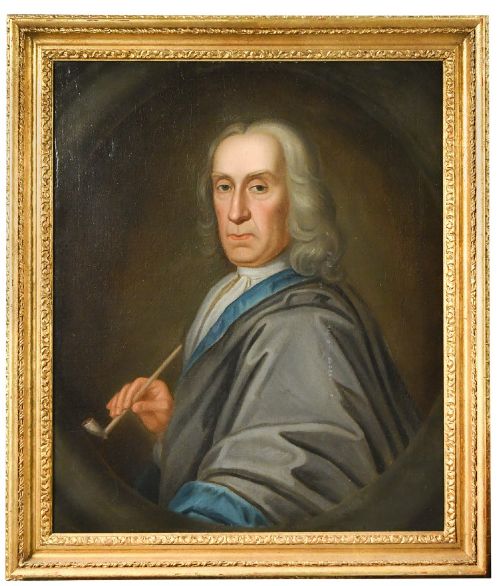
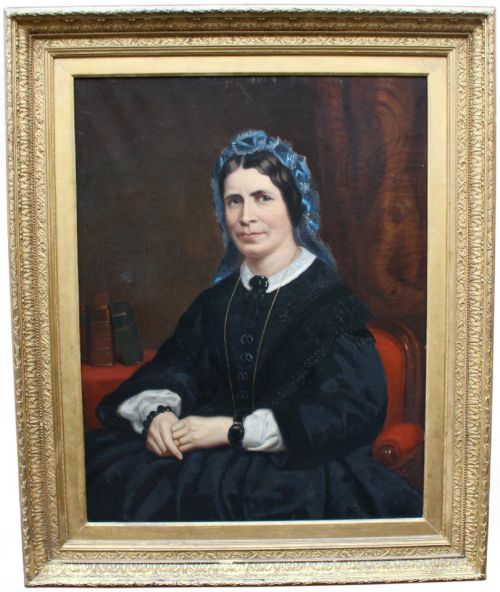
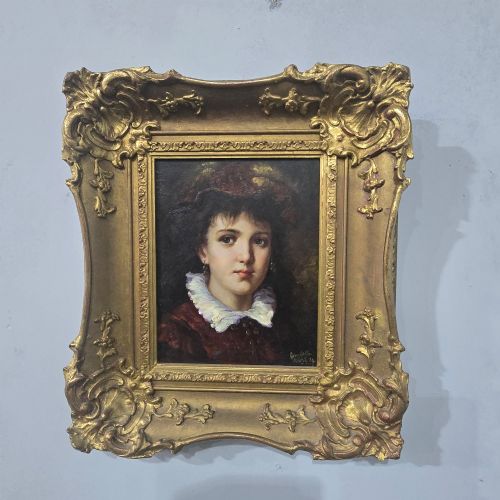
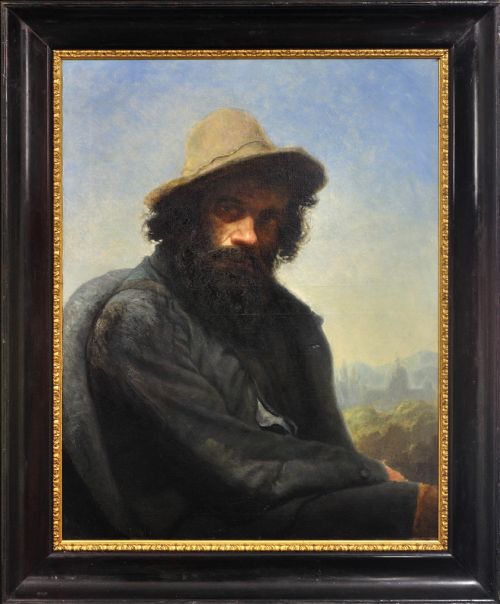
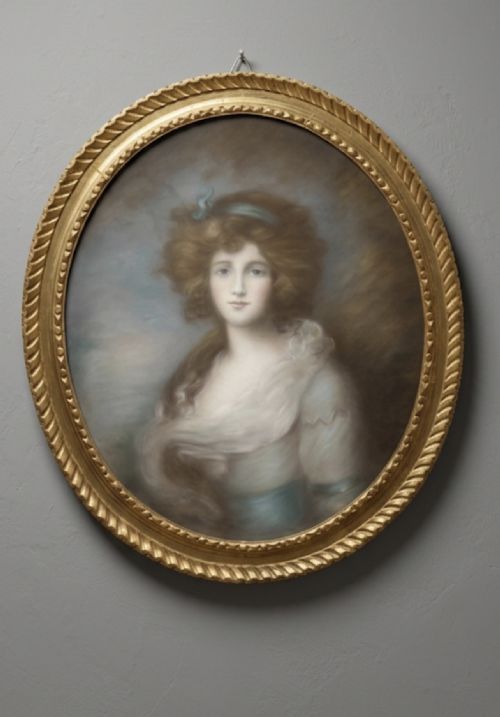
Traditional portraiture captures recognisable sitters, noblewomen, children, and animals in oil on canvas, wood, or pastel.
Traditional Portraiture
Traditional portraiture encompasses framed oil paintings, watercolours, and prints depicting human subjects and animals from the seventeenth century onwards. Buyers frequently encounter nineteenth-century canvases, eighteenth-century depictions, and occasional seventeenth-century English school works.
The subjects range from formally dressed noblewomen and judges to sporting horses, show dogs, and children with butterflies. These artworks reflect historical periods including the Georgian, Victorian, and Regency eras, as well as European and British schools.
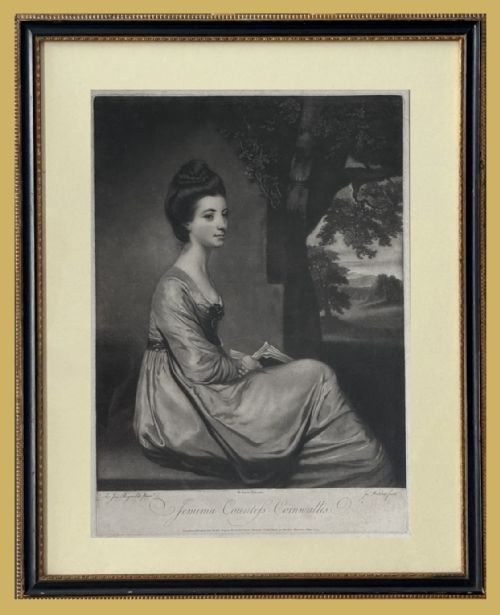
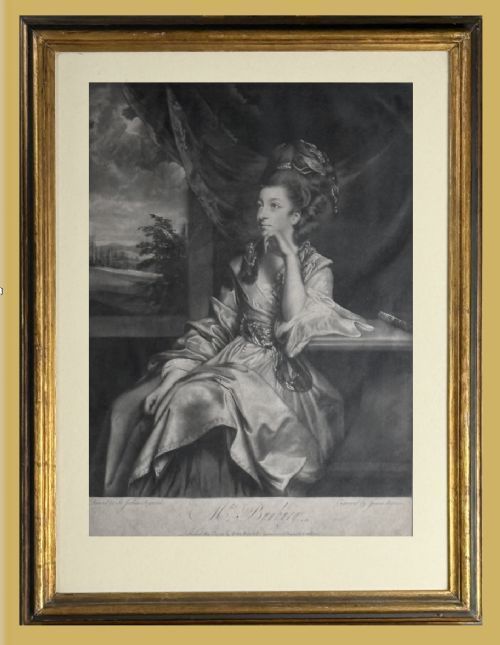
The selection includes original oils, pastels, and period mezzotints housed in heavy giltwood and gesso frames. Pieces span formal studio commissions, self-portraits, and intimate sketches by named artists and anonymous provincial hands.
Materials and methods
Painters applied oil paint directly onto stretched canvas, prepared wood panels, or oil boards, utilising layered pigment to build depth in clothing and flesh tones. Pastels on paper also appear, capturing softer textures in historical sitters.
Frames rely on carved wood, gesso, and gold leaf or giltwood finishes to complement the artwork. Many period pieces retain their original ornate frames, though some canvases remain unframed or mounted behind glass.
Traditional Portraiture Retail Price Guide 2026
Typical asking prices for traditional portraiture among the pieces listed under this phrase on Sellingantiques today, from the lower quarter to the upper quarter. They describe what is for sale here now, not the wider market.
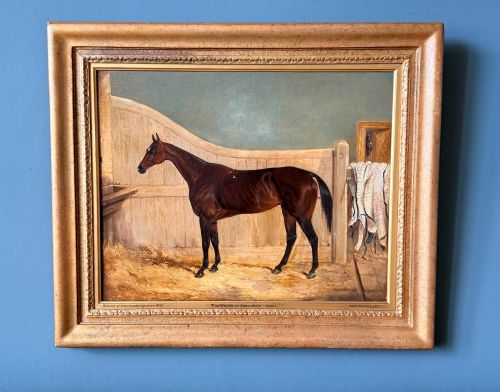
Several noble subjects share wall space with attentive terriers, spaniels, and a prize-winning Cambridgeshire horse.
Distinctions in quality
The integrity of the canvas and the preservation of the original giltwood frame influence the overall standing of a piece. Works by recorded historical artists demonstrate stronger execution than anonymous school pieces.
Sir Allan Ramsay·James Watson·Sir Joshua Reynolds·Thomas Gainsborough·John Emms·Franz Xaver Winterhalter
The Traditional Portraiture Glossary
- Mezzotint
- A printmaking process of the tonal engraving method, allowing smooth gradations of light and shade. This technique reproduces oil paintings with rich dark backgrounds.
- Gesso
- A plaster-like mixture applied to wood frames as a base for moulding and gilding. Artisans carve intricate patterns into this surface before applying gold leaf.
- Giltwood
- Wood carved and covered with a thin layer of gold leaf or metallic gilt. This finish frames prominent nineteenth-century oils.
- Oil on Canvas
- Pigment mixed with drying oil applied to a woven fabric support. This medium forms the primary format for historical portraiture.
- English School
- A designation for works produced by artists trained or working in England without a specific attributed master. These pieces reflect prevailing regional tastes of their century.
Traditional Portraiture: Frequently Asked Questions
How do I date a portrait?
Examine the clothing, hairstyle, and framing style to determine the approximate decade of creation. Written inscriptions on the stretcher bars or canvas reverse also provide clues.
Compare the sitter's costume against known historical fashion trends from the seventeenth through the nineteenth centuries for accurate placement.
Are these paintings original?
The inventory consists of period oils, watercolours, and vintage prints rather than modern reproductions. Many works date directly to the eighteenth and nineteenth centuries.
Some listings include nineteenth-century copies after earlier masters such as Sir Thomas Lawrence or Francisco Goya.
How should I display a heavy gilt frame?
Support heavy giltwood frames securely with appropriate wall anchors rated for substantial weight. Ensure placement avoids direct sunlight to protect vulnerable oil paint and gold leaf.
Maintain stable room humidity to prevent wood panels and canvas stretchers from warping over time.
What is an English School painting?
An English School attribution denotes a work created within Britain during a specific century where the exact individual artist remains unrecorded. These pieces represent the broader stylistic traditions of British portraiture.
Such works often display high technical skill despite lacking a documented signature.